
The shadows speak. The voice is pleading, muffled: crying desire too cryptic to understand. Overhead, the pale amber light of a gas lamp hisses through the baleful gloom of an autumn night. We feel ourselves in the presence of an apparition—one that avoids scrutiny while striking a hidden chord in our hearts.
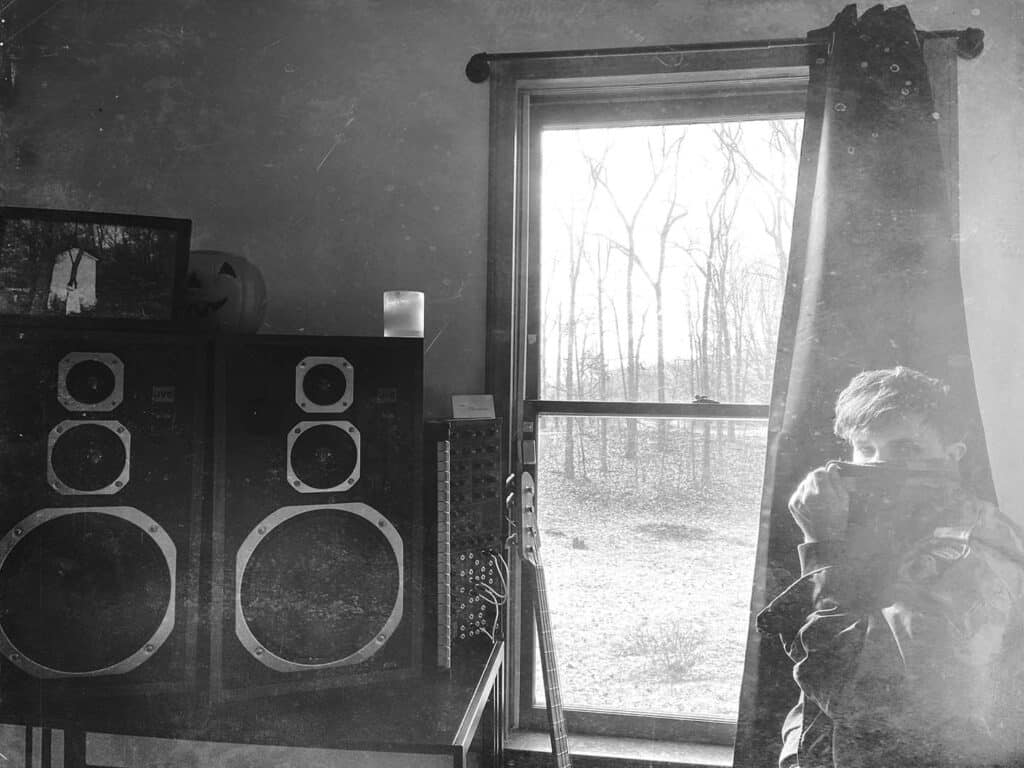
As elaborated across four previous full-lengths, a remix album and various singles, New England-based project Public Memory is well-loved by the cognoscenti for its sonically precise and emotionally oblique approach. Trip-hop is the genre that is most commonly cited to evoke the project’s approximate musical space. And yes, there is surely something of Portishead’s Geoff Barrow’s sense of space in the rhythms, something of Massive Attack’s vinyl crackle functioning as the album’s throughline—heavy with history, melancholic. The slow victory of a purple-blue twilight. Another sonic touchpoint is the eerie, cloudy textures of Kompakt Records impresario Wolfgang Voight’s seminal project Gas. But there is far more to Public Memory than these and other comparisons, as the new album shows.
The ten tracks that make up the new album Public Sword are a refinement of the unique sonic world that mastermind Robert Toher has developed in those previous albums, as well as his seminal work in ERAAS. The cover art’s visual grammar, in fact, tells us quite ingenuously what to expect. Musical notes blur and warp. The panels of written music are fragmented and mis-aligned. Yet a stately, if eroded, formalism remains among the vapors and distortion.
Public Sword begins with the mood-setting instrumental “Lake Effect”, the title of which already shows the preoccupation with the physical, with weather as the corrosive yet comforting mirror of a troubled mind’s voyage. Murmured, distorted vocals vie with airy pads, a twinkling lead synth, and an unhurried trap beat. The emphasis on the latter throughout the album marks a clear reference point in the trajectory of the project, having previously surfaced on the excellent “Clocktower” single.
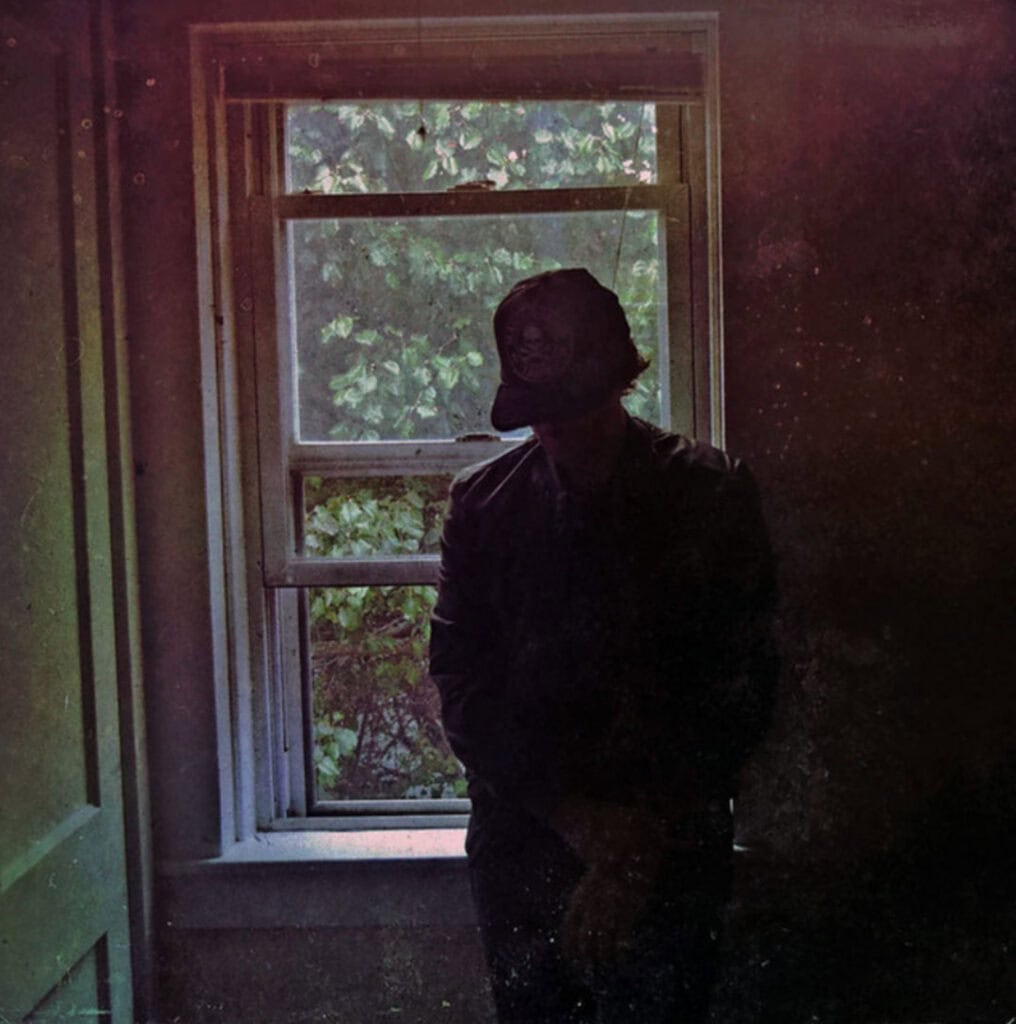
The track flows into “So Much for the Omen”, which threads that trap percussion through a bed of weathered stabs and pads, and more ghostly, distorted vocals. The contrast between the subdued, fading quality of the synths and vocals and the gleaming precision of the percussion is the engine of the project. The gloomy wood and the modern city night collide, expressing a previously unknown melange of texture perhaps best described as the sinister bucolic.
Deft sonic touches continue to glitter and sigh as the album progresses. On “Darken My Door”, reverberant minor chords swell atop the stuttering beat, while the vocals keen at their most Thom Yorke-like. And in the knowingly-titled Shivering Masterpiece, the weathered crackling alternates with a simple minor chord resolution as the rattling breakbeat pushes us through the murk.
Toher’s voice emerges a little more directly than usual on the track Homemade Mask, the woozy synths orbiting his vocals and the album’s dominant trap beat like a knife. Toher’s lyrics are, as ever, pointillist—evoking moments of unease or crisis indirectly, yet with poignancy: “bittersweet/camera flash/picture us smiling up through the ash”. Said differently: a public memory.
The sounds of knife-like metal clashing is sprinkled among “Komorebi”, a more aggressive track that glistens with intermittent splashes of bright synths. The word is taken from the Japanese, describing a moment of dappling light seen through foliage. The lyrics waver too, offering no fixed point: “I’m moving further in and out of love.”
The haze of crackle that begins “Rain (Over You)” fades into a low bass pulse like a winter shower over a lake. Wordless vocals join the keening high keys as it progresses, revealing itself as the strongest track on this masterful album. Toher’s facility here with subtly mixing in sonic elements is simply unparalleled.
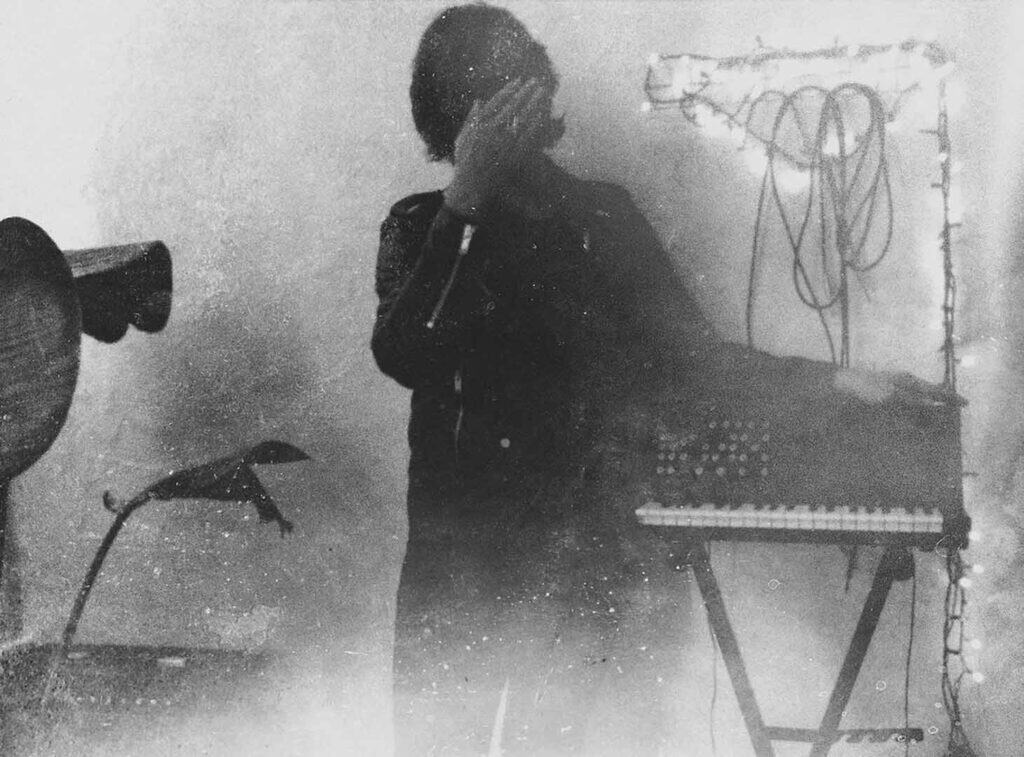
The House Always Wins brings the tempo up, with its energetic rising and falling bassline. The lyrics are as circumspect and cryptic as ever, but one can read its concluding stanza as a commentary on our fragmented and attention-deficient present: hush the timeline/they will just cut and run/dissolve in shadow.
The simmering tension between more upbeat percussion and downcast lyrics continues in Dissolve the Memory, whose title is another example of how Toher reconfigures a set number of words and ideas to match the sonics. “It’s too much/my heart is broken,” says the voice from the depths.
All alone in the world finishes the album with another precisely crafted variation of a restricted and utterly characteristic palette. A snare with just the right edge of softness to it, the aqueous glow of the synth, and the lunar call of the vocals—the magic of this music is that these elements can all be endlessly reconfigured, spinning out moody new variations that simply cannot be recreated by imitators. The album is admirably concise, leaving the listener unready to emerge from the vapor each track breathes through the speakers.
Formidable artists, whatever their medium or methods, become so only by their ability to fully create their own language. Assembled from the detritus of influences in a way that could never have been anticipated by an algorithm. Such is the case with the music of Public Memory.
Adjacent to genres that have stagnated and now trade on simulated nostalgia and shallow glamor, Public Sword stands apart. Its offer: a subtle and depthless source of beauty, sorrow and atmosphere found nowhere else.
Estimated reading time: 5 minutes