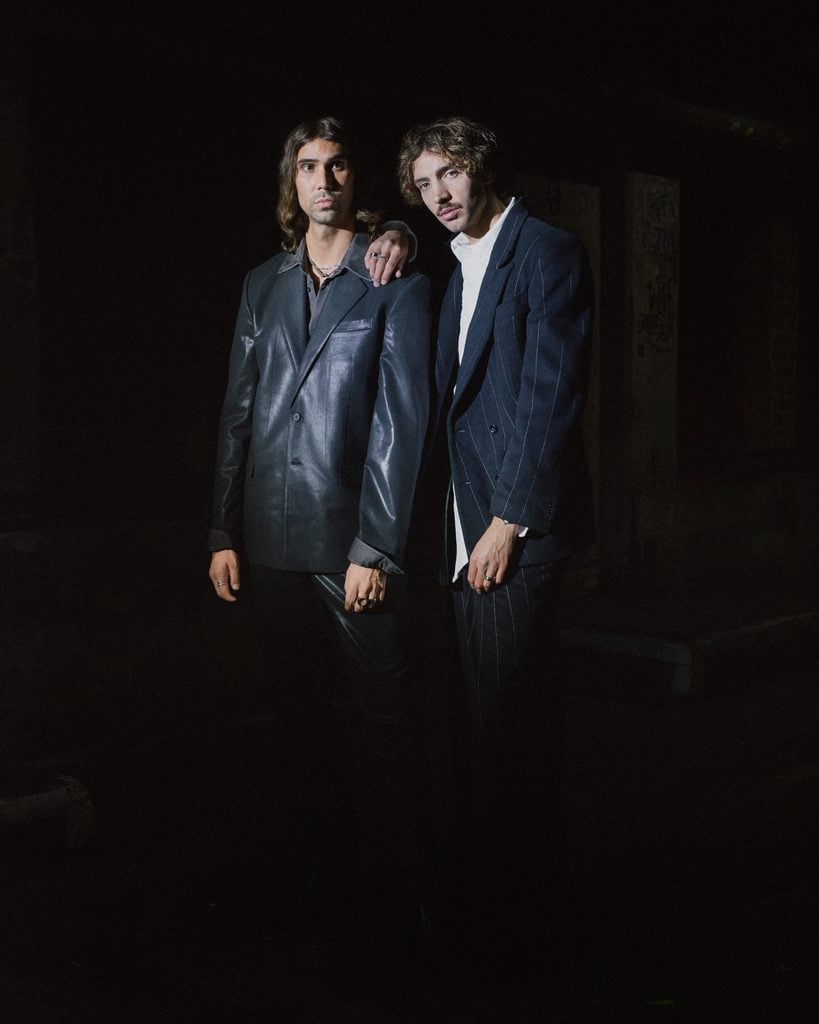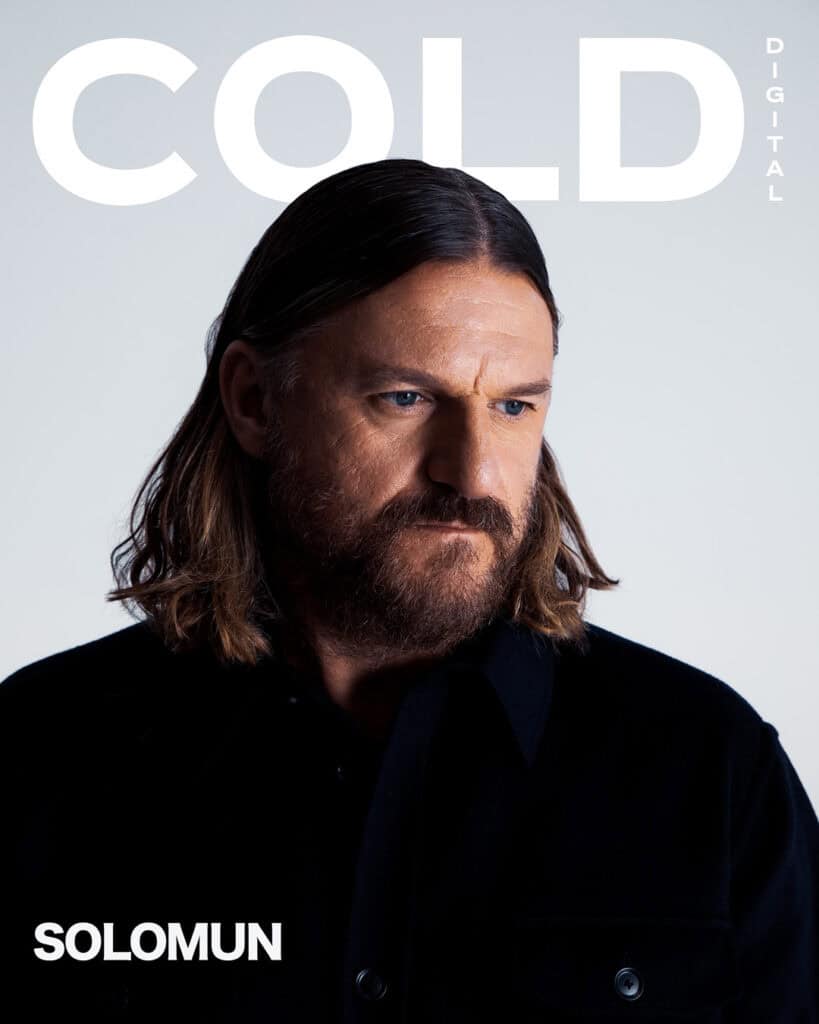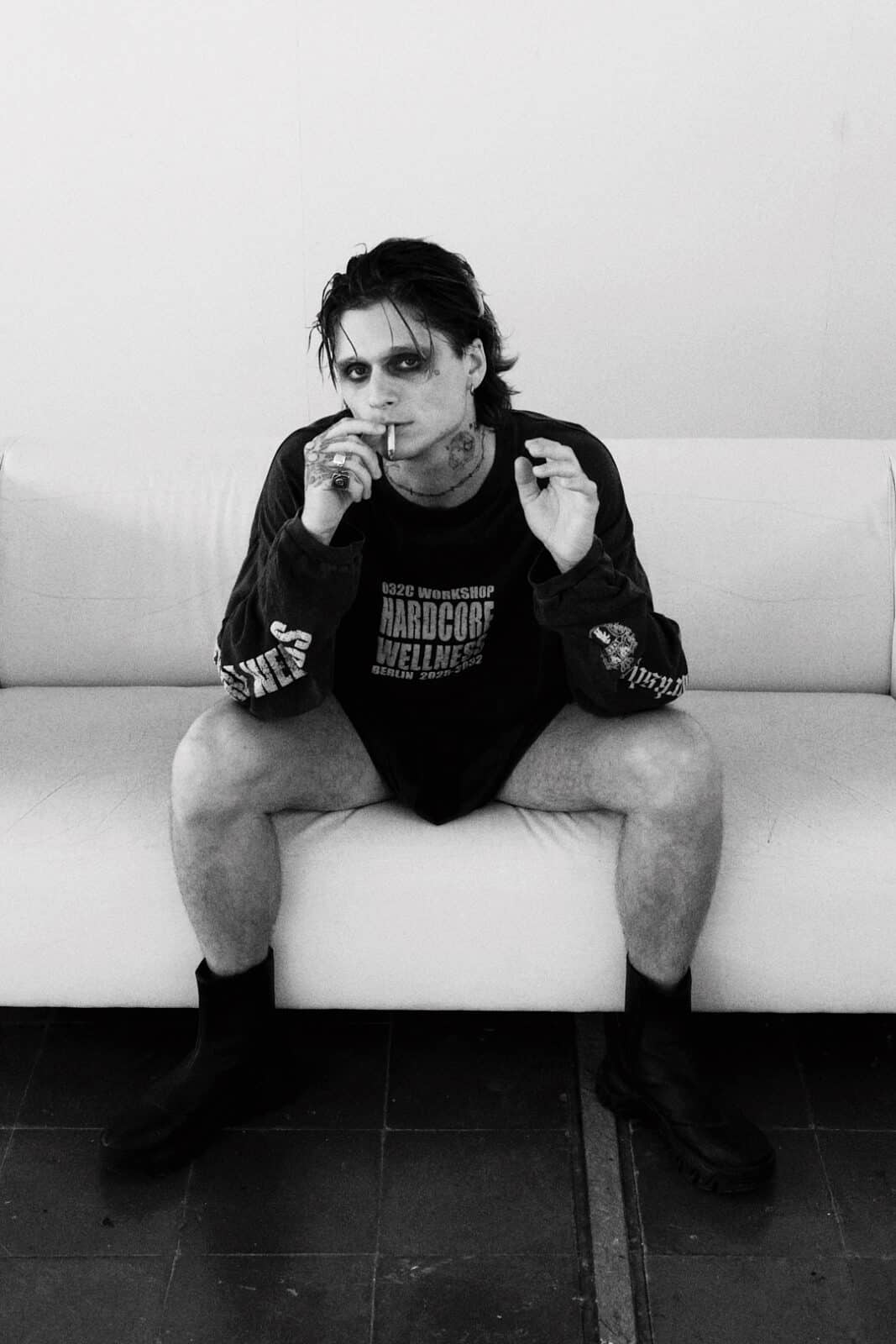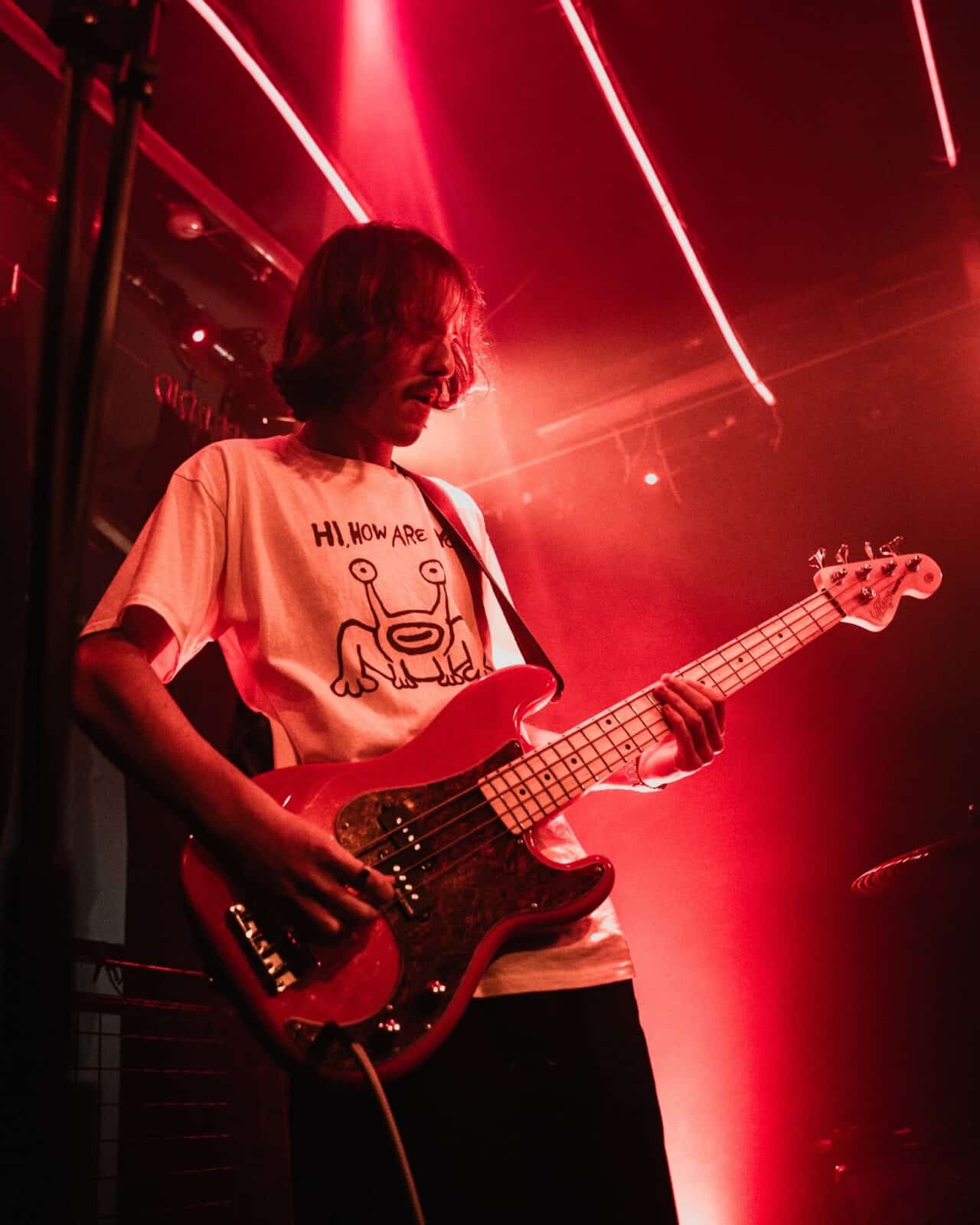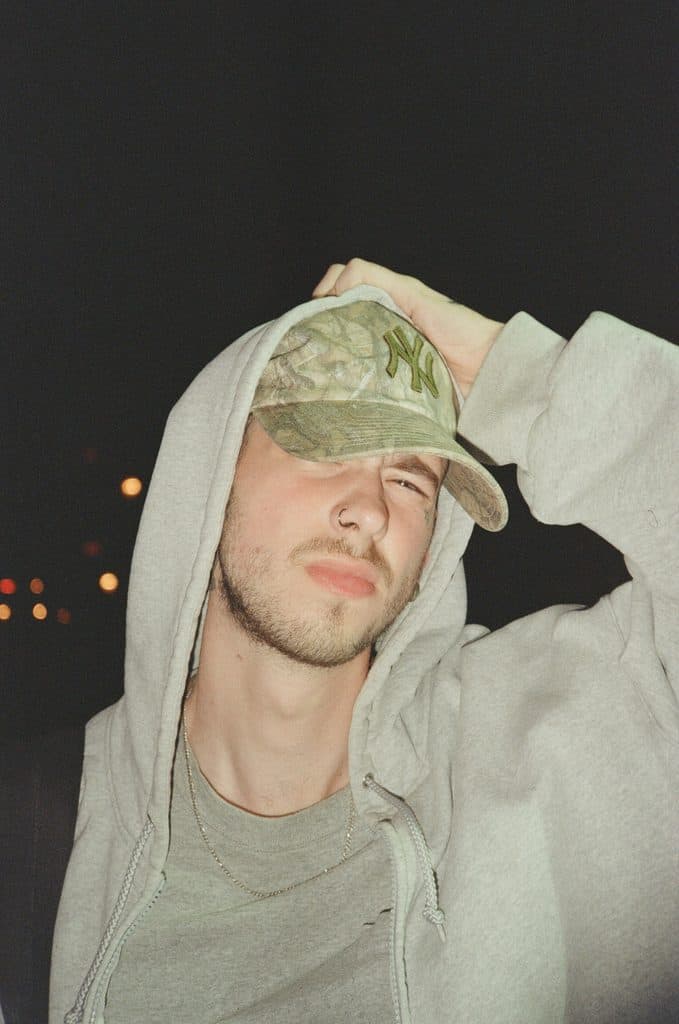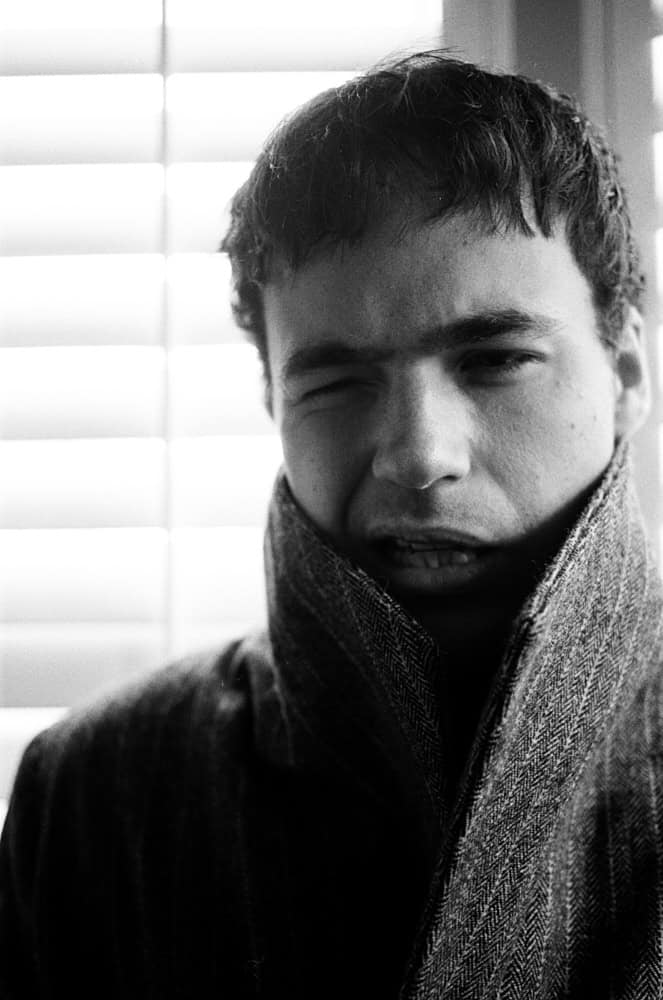
Telling the truth hurts fantastic to Jamie Flatters right now.
Following of the release of debut album It Hurts Fantastic on June 3rd, the Lambeth-born actor and musician, better known musically as sandy crow, is trying to explain the strange emotional contrast at the centre of the project. “There’s a hint of mockery in it,” he says at one point, laughing slightly. “But there’s something divine and funny in it too.”
Having filmed his first major feature film in Los Angeles at 17, Flatters is used to flexing his creative muscles, but under the alias sandy crow he has built something more intimate, a world of summer longing, emotional spirals and different voices and aesthetics. I sat down with him over Zoom on a warm Friday afternoon, both of us immediately bonding over the sticky heat and the lack of rain we were promised. “My plants are going to suffer,” he mourns. I agree. My lawn has not fared well in the heatwave either.
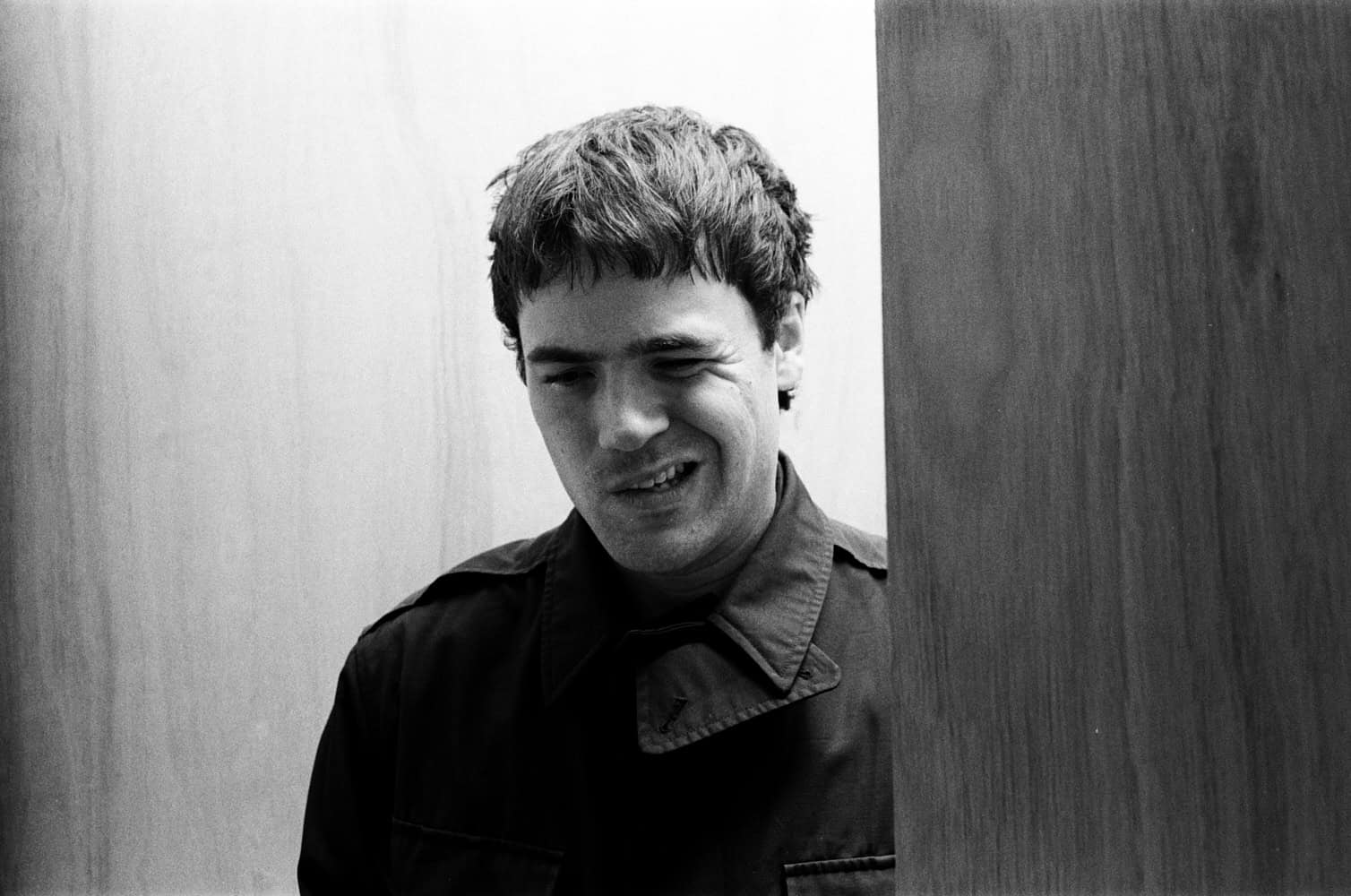
That contradiction of sincerity versus silliness runs through all 10 tracks of It Hurts Fantastic, an album that feels like late summer in London. Overheated flats, festival comedowns, shy glances across smoking areas, checking behind you to see if someone is still looking. It feels like cinematic indie-pop with spots of tragic comedy and silly country twang tucked underneath it. Yet, despite the album feeling like London to me, Jamie says much of the narrative texture and landscape of the album actually comes from his time in LA where he recorded songs about countless ideas that talented producers turned into the album.
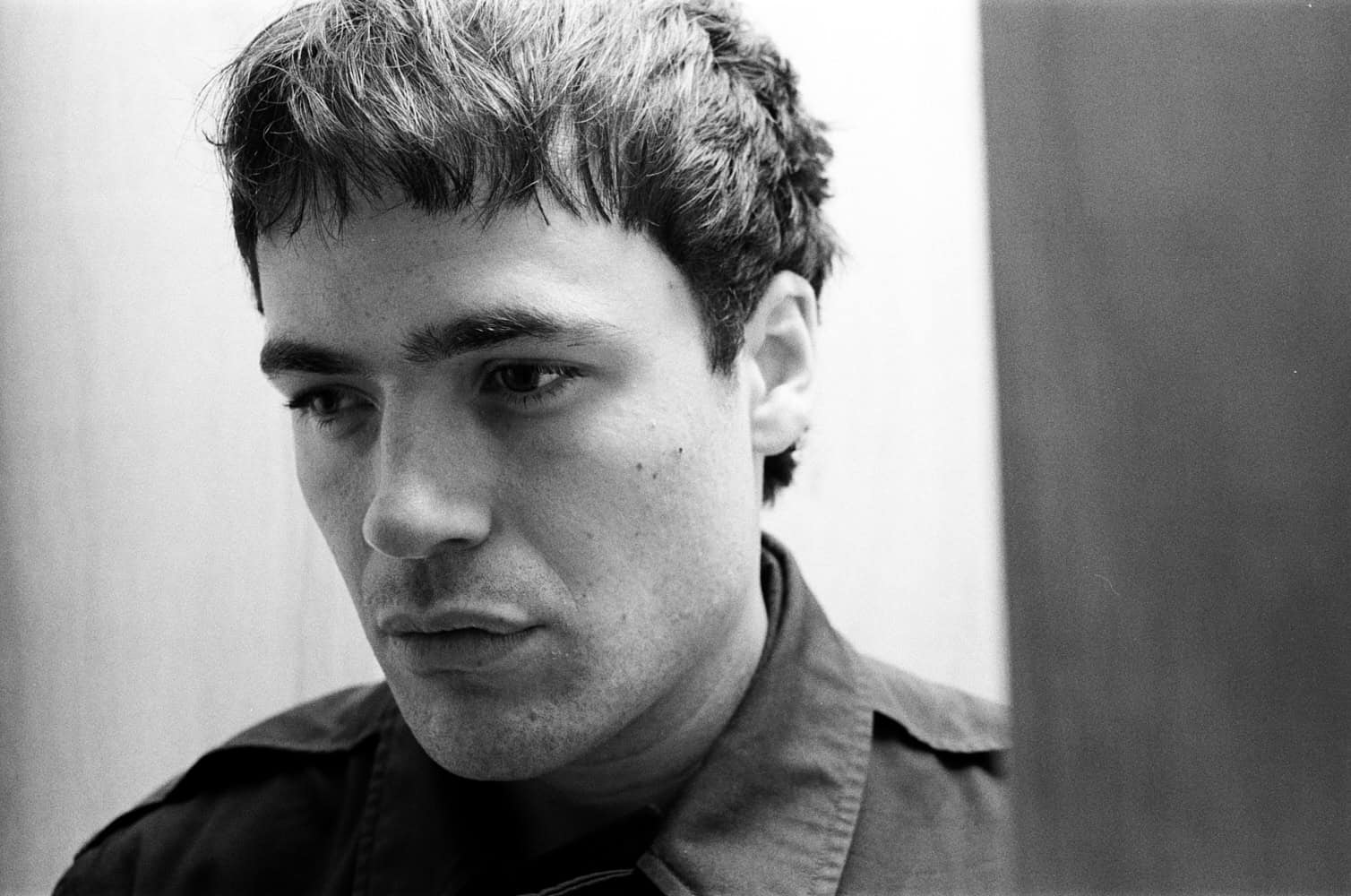
Flatters is no stranger to world building. Shipped out to Los Angeles at seventeen after landing one of the biggest film franchises in the world (Avatar), he learnt quickly how performance and identity can blur together. But sandy crow feels different. He says the pseudonym lets him make work that feels more intimate, something closer to his own truth. In acting, he adds, there has to be a certain arrogance, it’s what directors need from you. “Acting is a longer journey and it’s slower, and you’re a smaller piece in it, but then you get pride in building the world of the character and that feels extremely freeing.”
“When you have an artistic channel to talk about things personally, it’s actually very nice to have an alias,” he says. The name itself comes from a mixture of family references, aesthetic flavour and a passing influence from Haruki Murakami’s Kafka on the Shore. “Which makes me sound like an anime freak,” he jokes.
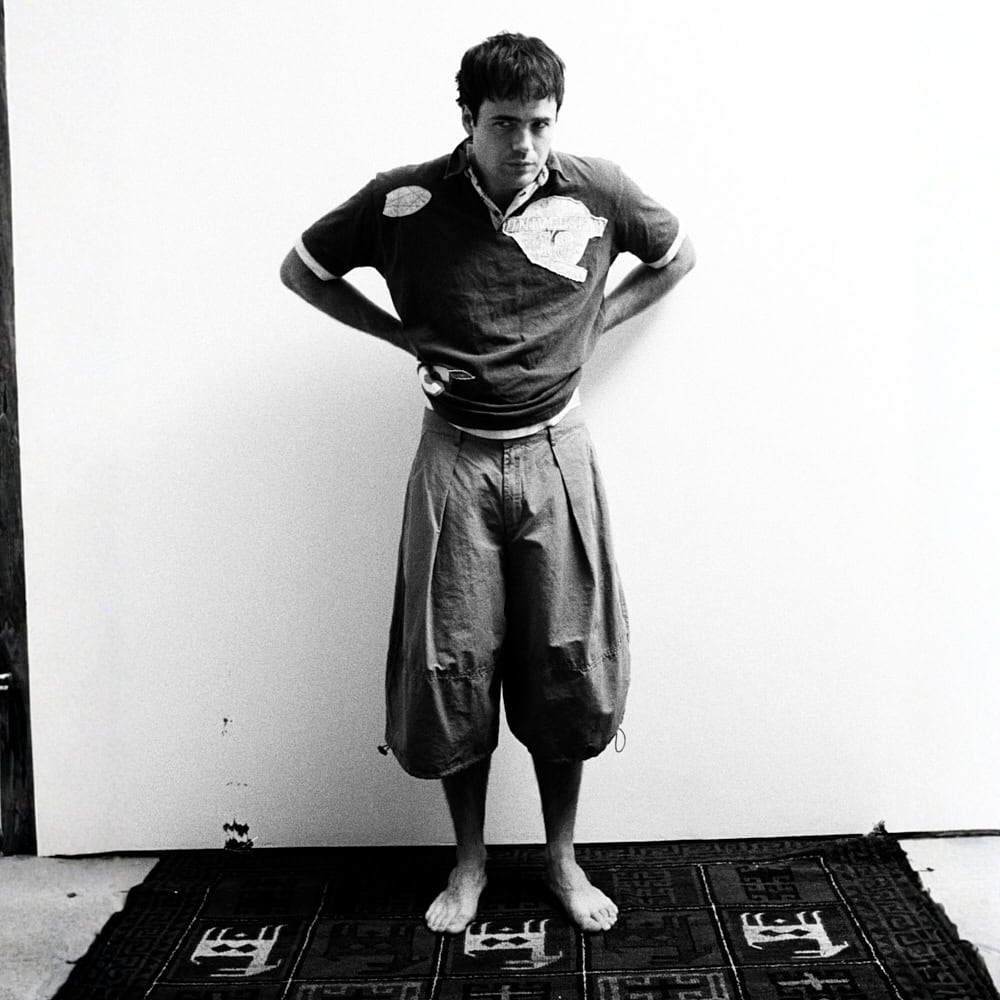
The album comes after his 2024 double-sided single that first hinted at the sonic world Flatters was building. It Hurts Fantastic, though, feels far more expansive. He describes the project as “a world where emotional instability becomes aesthetic language”, transforming alienation into something strangely hopeful. The transitions between tracks are funny and meticulous, each song bleeding intentionally into the next like one long emotional drop.
“It’s definitely meant to be listened to as an album package,” Flatters says. “There’s a story there.”
That attentiveness and intentionality can be felt across the album. His favourite song (which must feel like picking a favourite child, given how long he takes to answer), “one second more”, feels like trying to capture a moment, or feeling through the piano keys. “It’s the energy of who I want to be,” he says, still thinking. “It’s me trying to ask someone for a bit of hope.”
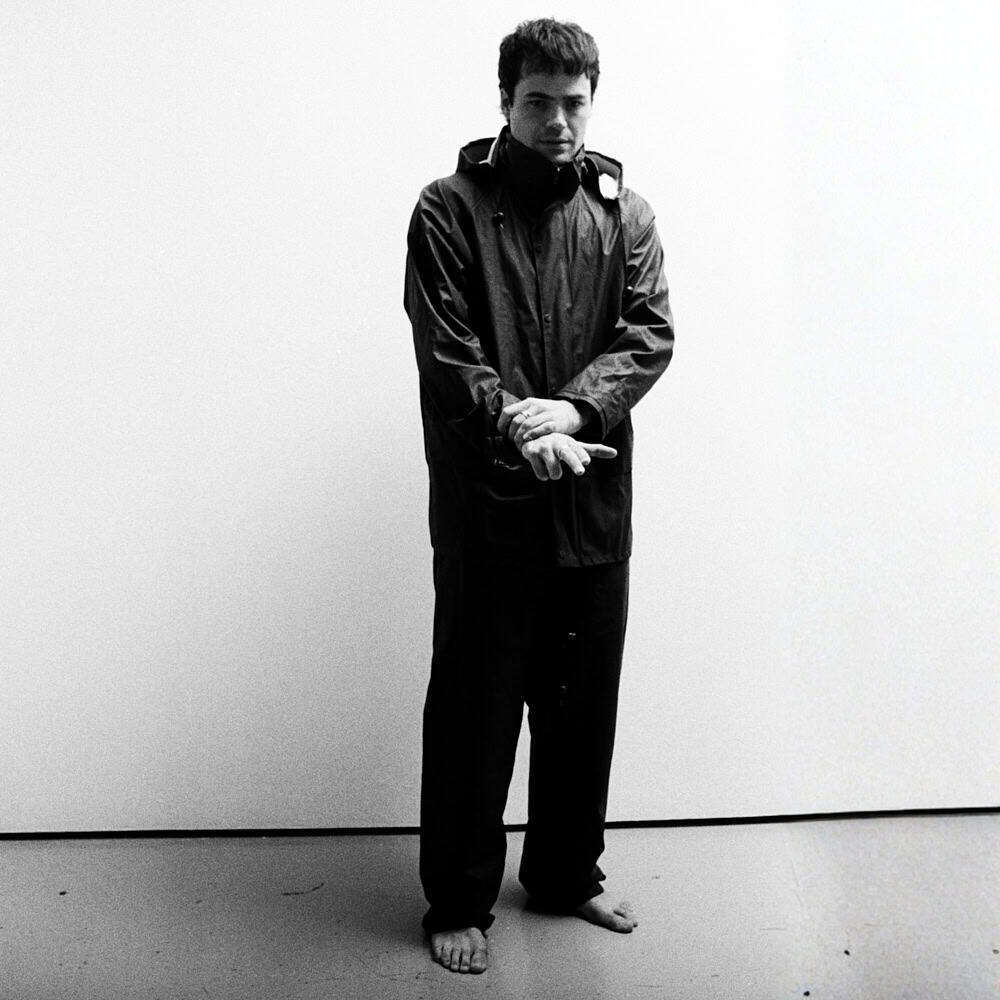
Further on in the album, “Liquid Shot” slides into a warped electro-funk sound that immediately reminds me of Frank Ocean. When I tell Flatters it sounds like he’s “chomping at Ocean’s reheated nachos”, he laughs hard. “I nearly didn’t put it on the album out of respect for him,” he admits.
His influences drift in and out naturally across the conversation: Kendrick Lamar, D’Angelo, Oscar Wilde, David Bowie, Talking Heads. Tracks like “Apartment Building” lean into a kind of playful, whispery coolness inspired by Lou Reed. But Flatters seems less interested in direct homage than emotional texture. “Influence isn’t conscious,” he says. “You arrive at your heroes accidentally.”
“Apartment Building” perhaps captures the central thesis of the album best. Beneath the humour and looseness is a song explicitly about London’s housing crisis and the suspended adolescence of people in their twenties. “No one has the space to start a proper adult life anymore,” he says. “So it’s like, alright, everything’s slipping away, so let’s just hang out in the apartment building and have a party.” With unemployment at the highest it’s ever been, young people globally have drawn an incredibly short straw.
Flatters talks repeatedly about resisting self-censorship, about allowing uglier or more embarrassing emotions into the work. “You have to reveal truths about yourself in order for it to be true,” he says with the fervor that only someone who loves their art can. “And that’s dangerous and scary, but also really good.”
By the end of our conversation, he sheepishly admits there are people in his life who might be “terribly upset” by some of the album’s lyrical specificity. He grimaces slightly after saying it. “It seems like pop music,” he says, “but I don’t think I escaped fantasy enough this time.”
Maybe that is what hurts fantastic really means. The simultaneous terror and relief of finally saying the truth out loud.