
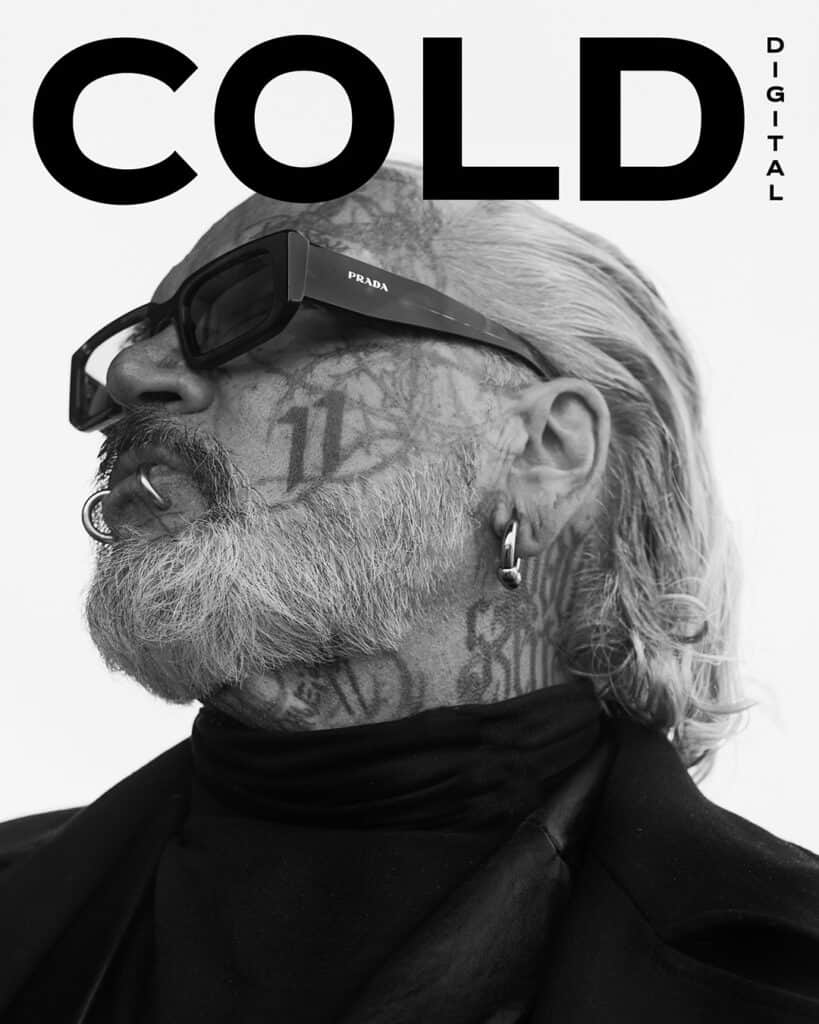
Sven Marquardt is inseparable from Berlin. A kind of feared figure and the gatekeeper of one of the best, if not the best, clubs in the world. But before all of that, before the myth and the stories of Berghain, there was something else that defined him: photography.
“I am a portrait photographer who works exclusively with natural light and analog photography,” he says, adding that his inspiration comes simply from life itself.
During Paris Men’s Fashion Week, Marquardt presented Futur Passé, his first exhibition in the French capital. The title reflects a dialogue between past and present, bringing together different eras that continue to speak to one another.
More than 300 people came through on one of the hottest days of the week, and the crowd was a mix of local Parisians, alongside art directors, creative directors, fashion photographers, designers, and writers. Alongside the photographs is a video work by visual artist Tilius Sodeika, accompanied by a David Lynch soundtrack drawn from one of Marquardt’s own playlists, giving the exhibition a mystical, otherworldly atmosphere.
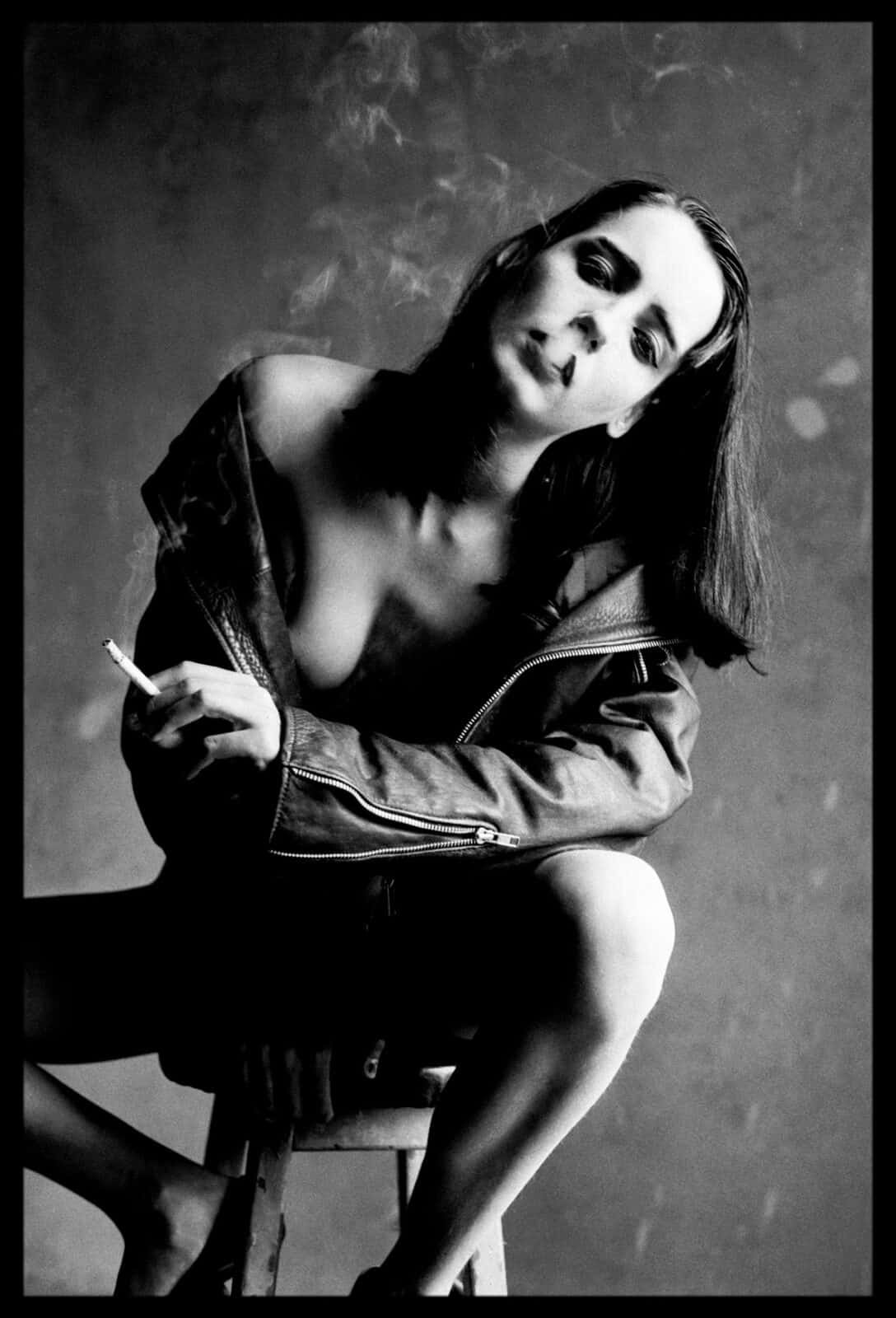
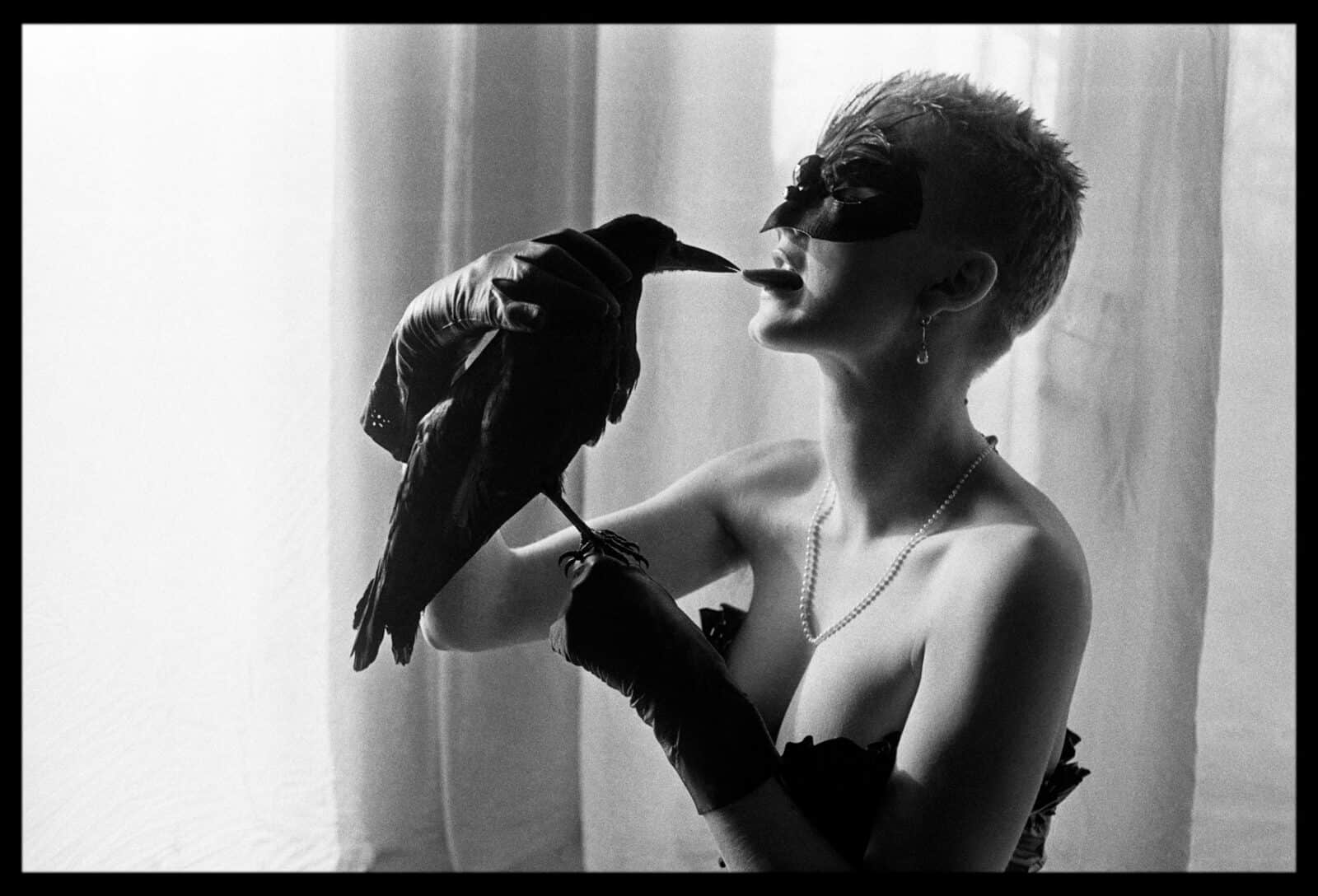
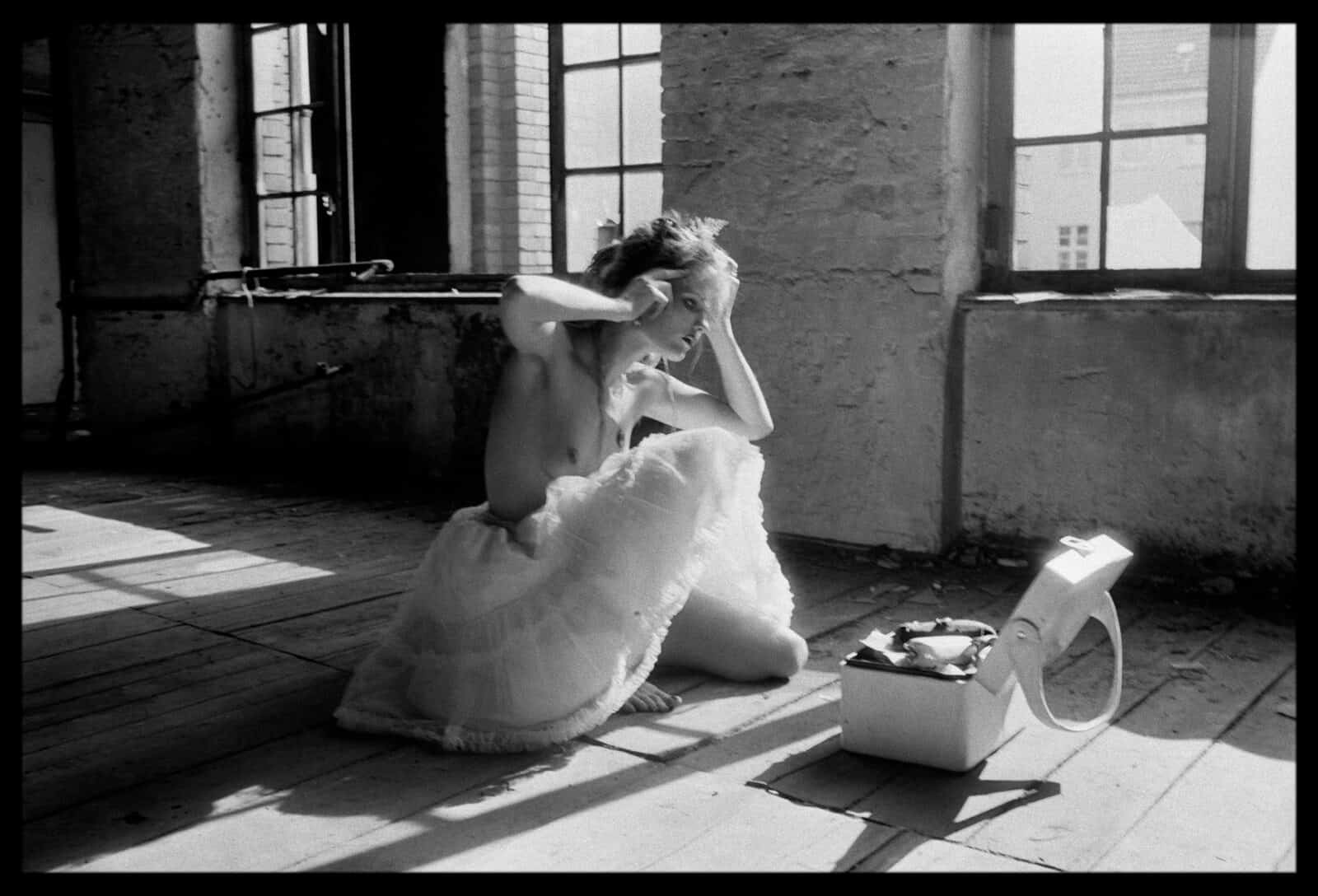
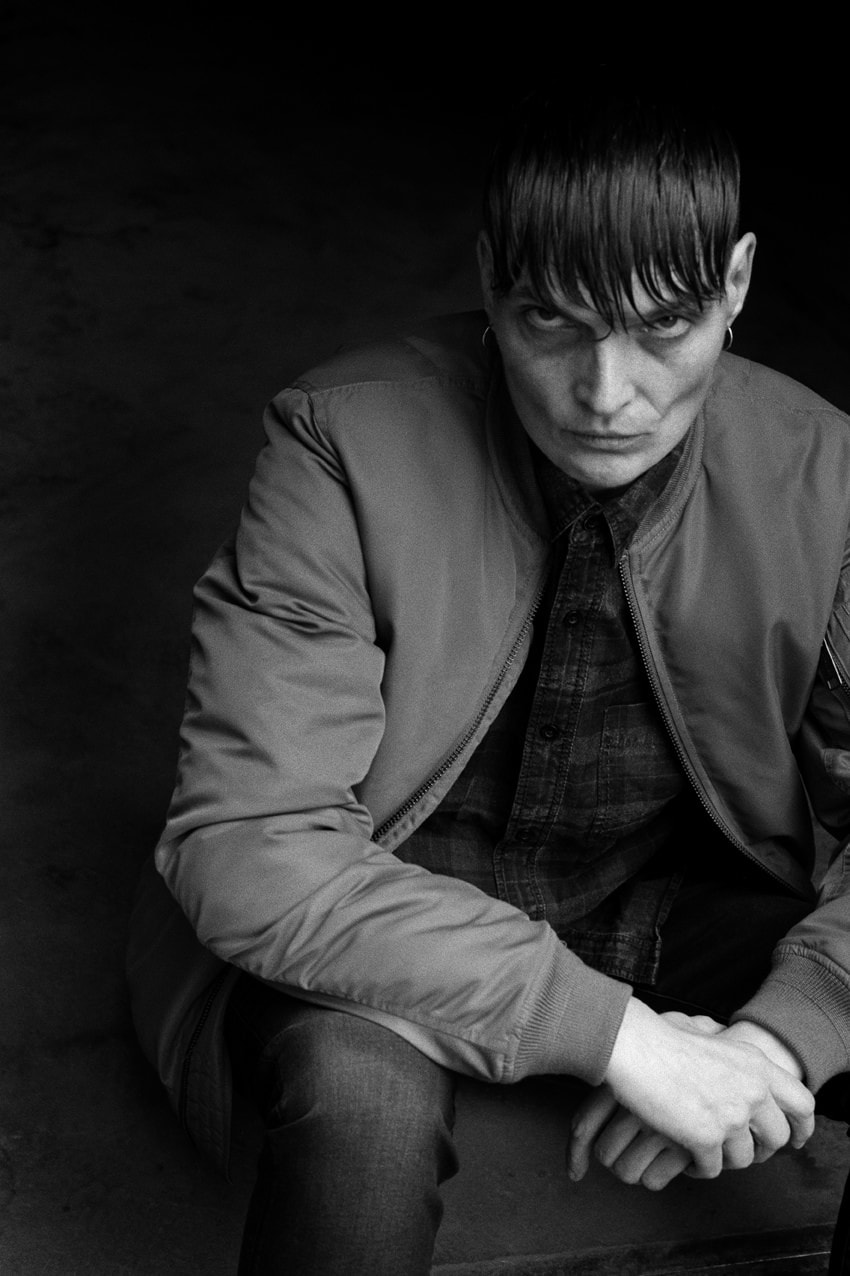
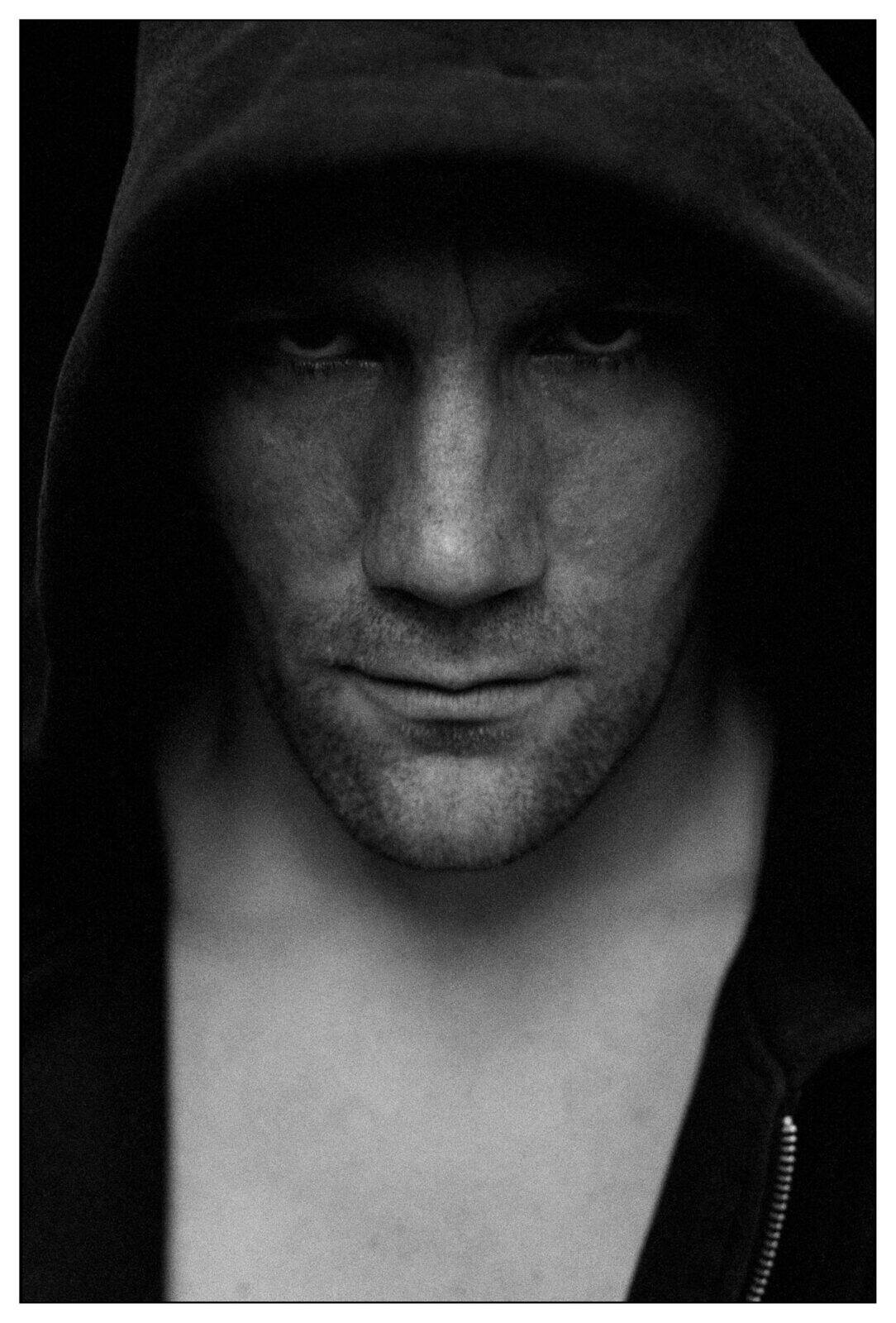
Curated by Ameesia Marold at Espace Parallele, the exhibition brought together two bodies of work created almost three decades apart: Eastside Girls, photographed in East Berlin during the 1980s, and Rudel, a series made nearly thirty years later.
Despite the decades separating them, both are rooted in proximity. As Marquardt repeatedly points out throughout our conversation he has always photographed people closest to him. Times and environments change, but one thing has remained constant in his practice: is closeness, sustained by one thing: “Trust. Everything begins with trust,” says Marquardt. “The same is true for friendships, families, and communities. Without trust, none of these relationships can exist.”
The 1980s were a paradoxical era for Berlin. The city remained divided by the Wall, the East and the West One where underground scenes, artistic experimentation, and a sense of freedom flourished amid political tension. It was a time of contradiction. It was divided yet hedonistic, becoming a fertile environment for an alternative culture. Looking back, Marquardt remembers a space shaped by the requisite of self-expression. “Everyone was creating their own style, their own fashion, their own identity,” he recalls. “It didn’t matter where you came from or whether you fit into society’s expectations. The important thing was being different. There was also the excitement of creating an alternative culture, something that existed outside the official structures around us.”
There was something that drew Marquardt in: the idea that creativity could become a form of resistance. “Creativity and resistance are inseparable. Sometimes what people create becomes political simply because it refuses to conform.” In East Berlin, resistance was not always explicit. Creating their own culture and refusing to fit into the image society wanted for them was their own way of challenging the system. He continues, “Maybe, from a broader point of view, it’s still political – not by handing out pamphlets or flyers, but by showing, “We don’t agree. We are not going to conform to your idea of society.”
“We improvised everything,” he says, adding, “today, people may not understand what it meant to cut a pair of trousers into shorts in East Germany. You didn’t have many clothes. Getting a new pair of trousers was difficult.” Because resources were so scarce, even altering what little you owned could feel like an act of protest.
As the decade drew to a close, that underground world began to change. “Around 1986 and 1987 things started to become sadder. Many people left East Germany. Friends disappeared. Relationships ended because people emigrated or were forced out,” Marquardt says. “You could feel that the state was beginning to collapse. There was increasing tension and violence. Some people were imprisoned. Some were killed trying to leave the country.”
In that same period, he experienced something that would stay with him for life. He was granted permission to travel abroad for a photography festival in Japan, but instead found himself in West Berlin for the first time.
“Standing on the western side of the Berlin Wall and looking back towards the East was an unforgettable experience,” he says. “You could physically touch the Wall from the West. You could climb a ladder and look over it. On the other side, you saw a system designed to control and punish its own citizens. On the other side, freedom.”
The end of East Germany brought particular collapse. “Reunification changed everything,” Marquardt says. “A few years after the Wall came down, I stopped taking photographs altogether. Looking back, I think that was connected to losing a sense of identity. The changes were sudden and total. Overnight, the system around us changed completely. The place where you lived remained the same, but everything else changed. Your money became worthless. Your profession often becomes irrelevant. Institutions disappeared.”
He describes reunification as a form of displacement, almost like becoming an immigrant in one’s own country. Still, he is careful in recognising its significance. “Of course, reunification was still the best thing that could have happened. It happened peacefully, and many countries facing similar situations ended up in war. But even positive transformations come with loss and disorientation. For many East Germans, rebuilding a sense of identity took years.”
Photography only returned years later, after a period of distance. “I didn’t miss photography at first,” he says. “I became deeply involved in Berlin’s club culture. I started getting tattooed, spent more time in nightlife, and focused on other aspects of my life.”
It was the closure of a club in the early 2000s that brought him back to photography. “That moment became a turning point. Together with a friend who was also affected by the closure, I began taking photographs again.”
Photography has always been Marquardt’s way of capturing a particular moment in time, even if he never imagined those images would eventually take on the status of historical documents, “Of course, the photographs became documents over time, but that wasn’t my primary intention. I was trying to capture emotions, relationships, and the energy of a moment.”
Today, in an era of constant documentation and visibility we ask Marquardt whether the underground can still exist. He believes it absolutely does. “And it’s important that it does. Every society needs spaces that exist outside the mainstream. They create friction. They generate new ideas. They challenge dominant narratives. Underground culture is necessary.”
He is still drawn to those kinds of spaces today. “I’m always searching for places that retain their character. Not necessarily for parties anymore, but for photography. I love spaces with history, patina, and traces of previous lives. Sometimes a building is renovated beautifully because its spirit remains intact. I’m interested in places that still tell stories.”
Night has long played an important role in Marquardt’s life, though perhaps not in the way people often imagine. “I don’t think the night necessarily brings something new. It’s more that night removes distractions. People disappear. Daily obligations fade. Certain expectations disappear. That creates a different space.”
On whether darkness reveals who people really are, he is careful not to over-interpret it. “I’ve never thought about it in those terms. I’ve simply always been fascinated by the night. Nightlife and photography developed alongside one another in my life. They’re deeply connected, even though they happen in very different conditions. One belongs to darkness. The other often depends on daylight.”
So, is nightlife an escape or a revelation? Marquardt resists both answers. “Perhaps neither. Sometimes people assume nightlife is about hiding something. Maybe it’s actually about revealing something. The question isn’t what appears at night. The question is where those parts of ourselves go during the day.”
Speaking about the exhibition, curator Marold explains, “Black and white as the through line, that’s the visual language Sven has worked in for decades, and it’s the inspiration the show is built around. Conceptually, visitors should feel his intensity, his artistic influences, and his vibe. The whole point is to give Paris a taste of his universe and let them step inside it. That’s what we’re after.”
For Marold, Futur Passé is far more than a photography exhibition. “The work is about community, freedom, and a way of living. It carries an emotional weight that goes well beyond clothes or styling. I’d also gently push back on the assumption that Sven is only a nightlife figure.”
For Marquardt, photography has never been something separate from life itself. It is the communities he has belonged to and the moments he has lived through. “They are my life. When I receive developed film from the laboratory, I often leave it unopened for a while. Sometimes for hours. Sometimes for days. There is anticipation, curiosity, and a certain respect involved in the process.” For him, looking at the photographs is revisiting a documented experience.
Perhaps that is why Futur Passé never feels nostalgic. Although it moves between different decades, Marquardt remains firmly oriented towards what lies ahead. “I don’t have to make a conscious effort not to romanticise it because I am always looking forward. I’m interested in what comes next.”
People often ask Marquardt whether everything was better in the past. “It was different. Different doesn’t automatically mean better,” he says. “My answer is always the same: no.”


