“Rock will be as hyped as the rap scene is now in a few years,” says the hip-hop collective that “made fakemink”. Borough, founded by Jono Parathan in 2022, took the London rap scene from stagnant to the explosive breakthrough into the mainstream that we saw in 2025. Now, he’s lending the stage to rock bands. “It’s the next wave in my opinion.”
Not least because of Geese’s stardom, the furor over Charli XCX saying “the dance floor is dead, so now we’re making rock music” and indie sleaze being on everyone’s lips, people are talking. Rap is “back to square one”, having reached saturation point. Now, it’s said that a rock revival is imminent. So when I hear Borough is hosting a Battle of the Bands in a Tottenham Hale warehouse, I trek across the industrial estate to catch a glimpse of rock’s answer to fakemink.
Rock, fashion and indie sleaze collide in this corner of London’s scene, reflecting the fashion industry’s current nostalgic fixation on rock ‘n’ roll. Hyping myself up by booming Bassvictim from my airpods, I stomp through muddy puddles towards Distillery N17. Inside, eight bands, dressed by the fashion label LAMENT(IST), who make clothes for the “after-hours romantic and rockstar in everyone”, are fighting tooth and nail for a £500 prize.
In many of Borough’s events, one event will have both rap and rock artists. By introducing these usually separate, the collective hopes the two worlds will inspire each other. “Combining the underground scene and rock will birth new artists that eventually become mainstream,” adds Jono.
“After working with fakemink, zukovsthewrld and phreshboyswag, we inspired the youth of London to want to become rappers, which is so fire. But now it’s become such a saturated and abused role within the music ecosystem.” By elevating emerging talent through underground gigs, Jono helped the latest wave of rap discovered new sonic territories. But he believes the scene needs to go back to the drawing board to achieve true innovation. “Everybody thinks they can be a rapper but don’t realise that being a rapper also means to be an artist. So it’s just become more tasteless in my opinion.”
In hip-hop, we have the “Opium” aesthetic: the emo streetwear popularised by the rap scene, drawing on Rick Owens silhouettes and Hedi Slimane’s Saint Laurent era. It’s no longer specific to Jono’s pre-boom rap subculture, he says. “Even the clothing we wore has now become so common amongst the youth. Back then, we were the only kids wearing it. Now it’s kinda been gentrified.” Other designers I run into there – Inspired and Sanguinary Studios – follow this aesthetic.
But right now, fashion is shifting heavily into rockstar attire, Jono explains. This shift from Opium to a rocker aesthetic is also seen in in larger brands like the latest Minga London collection, which has swapped joggers for black military flared jeans. This foreshadows a rock resurgence. “Rock will flourish as it’s a place where people can be more collectivist rather than individualistic.”
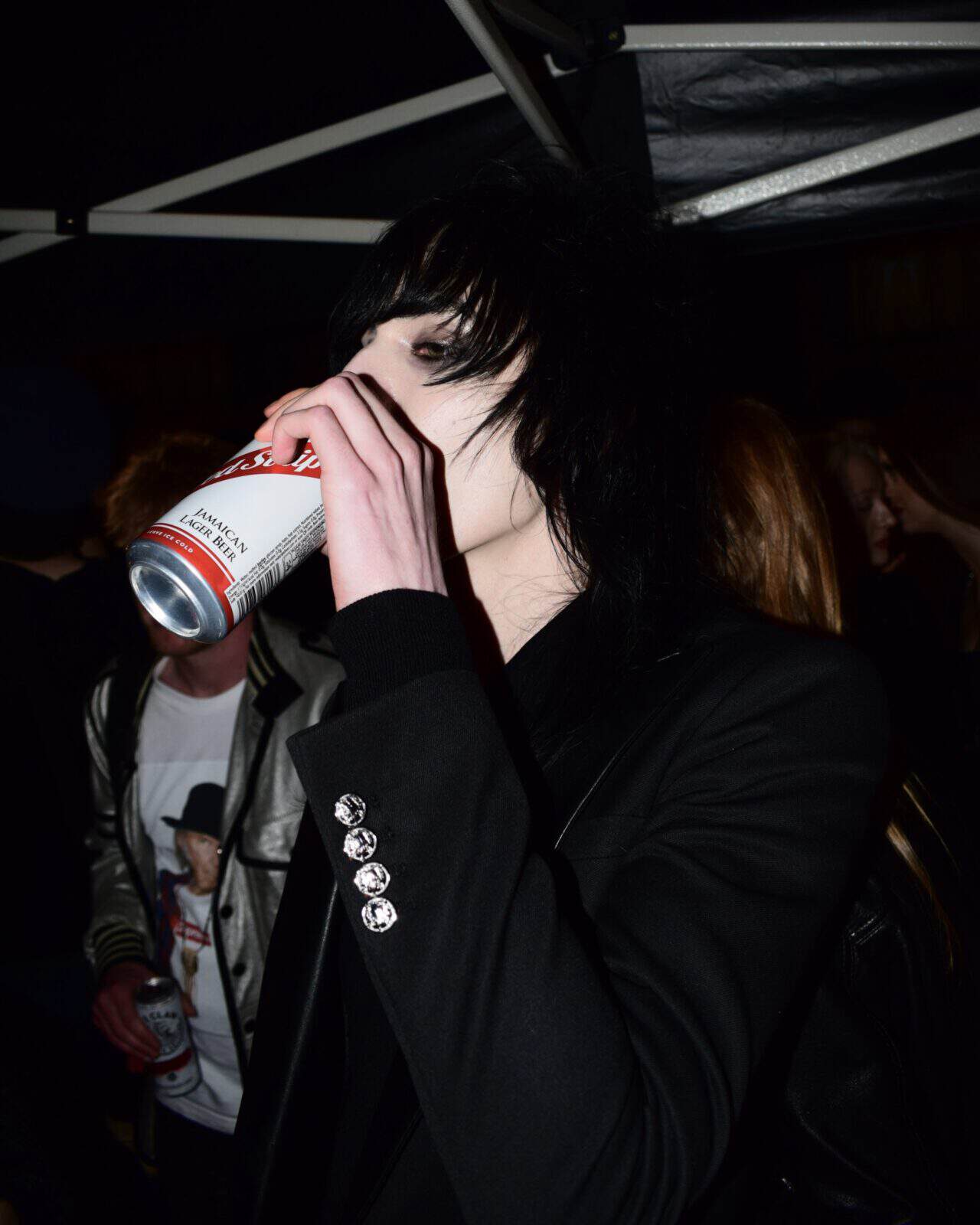
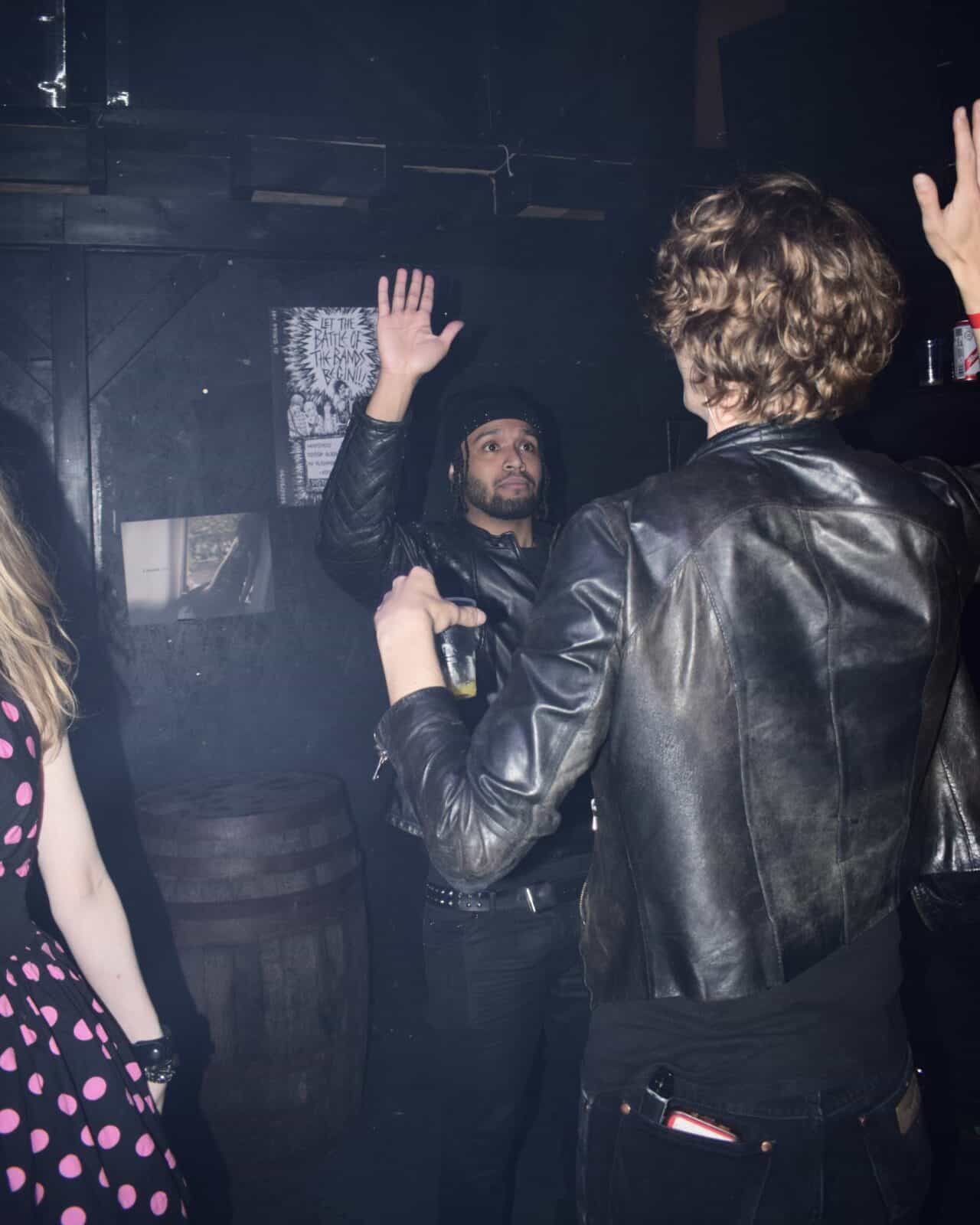
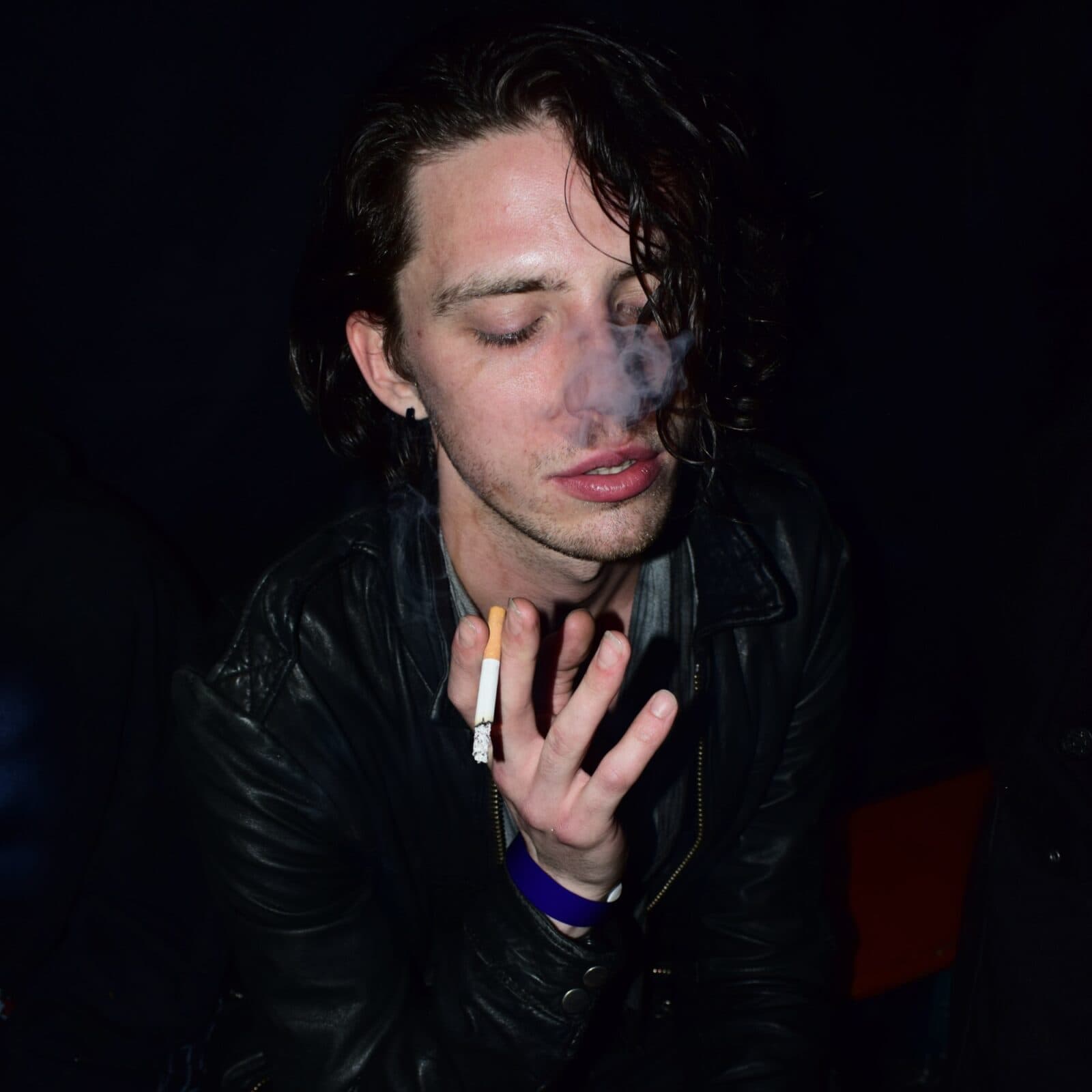
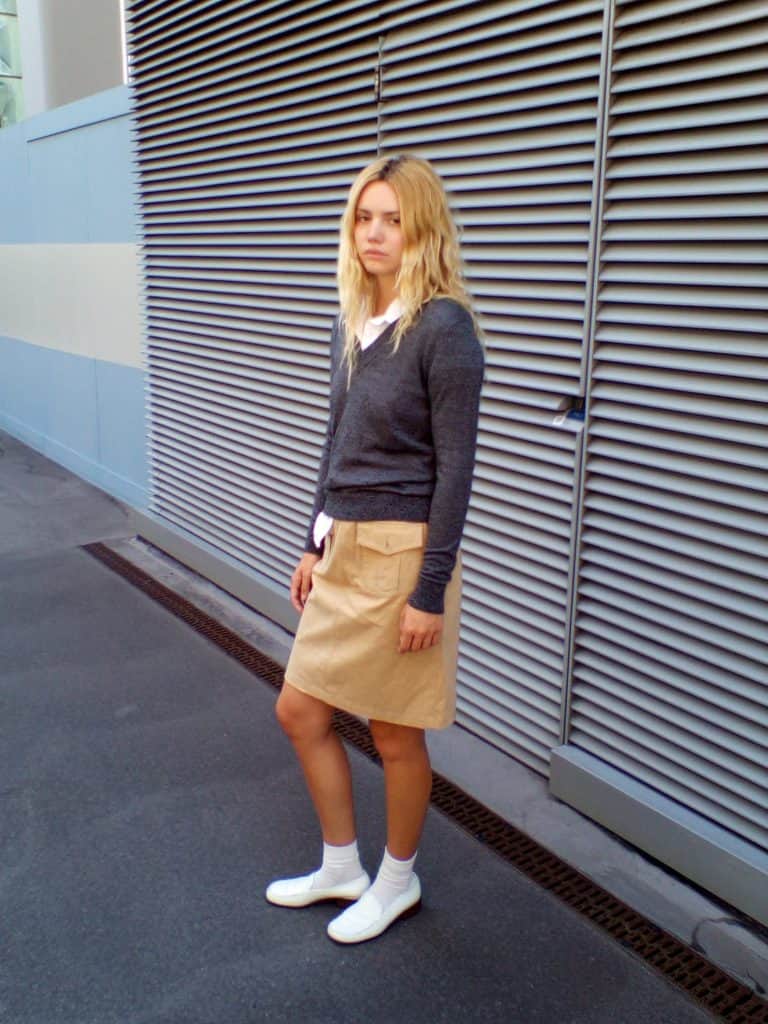
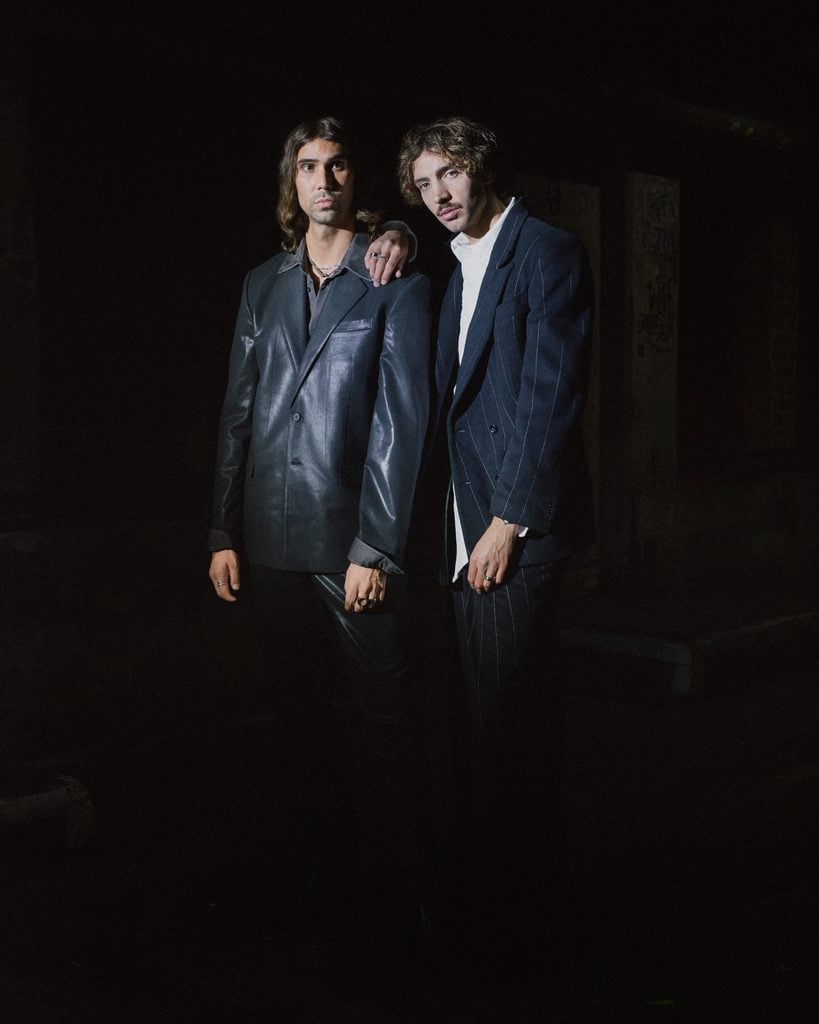
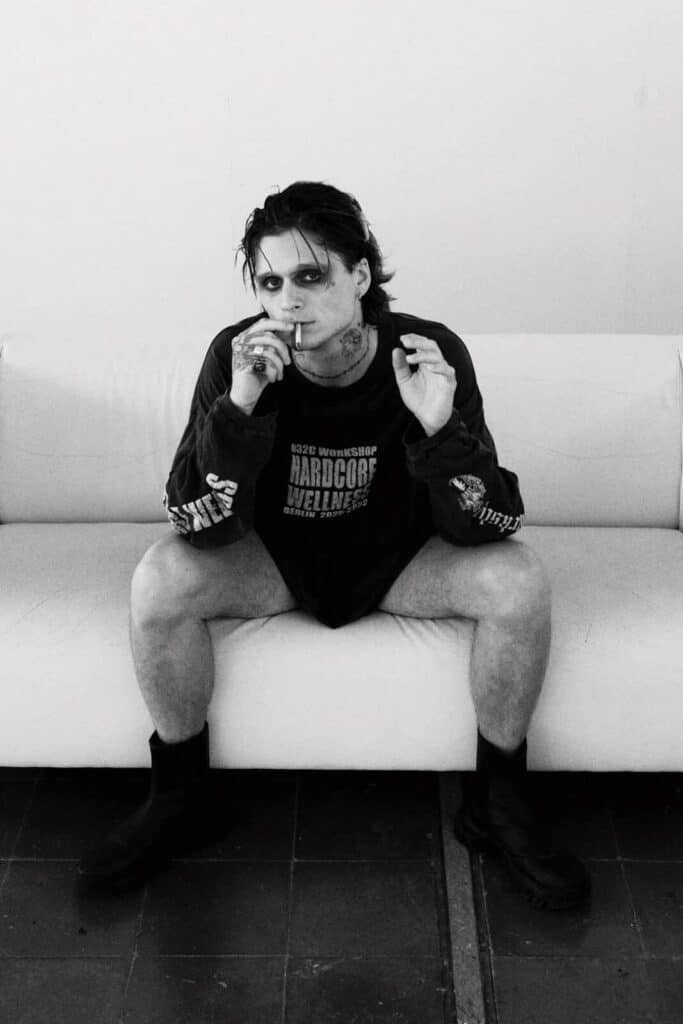
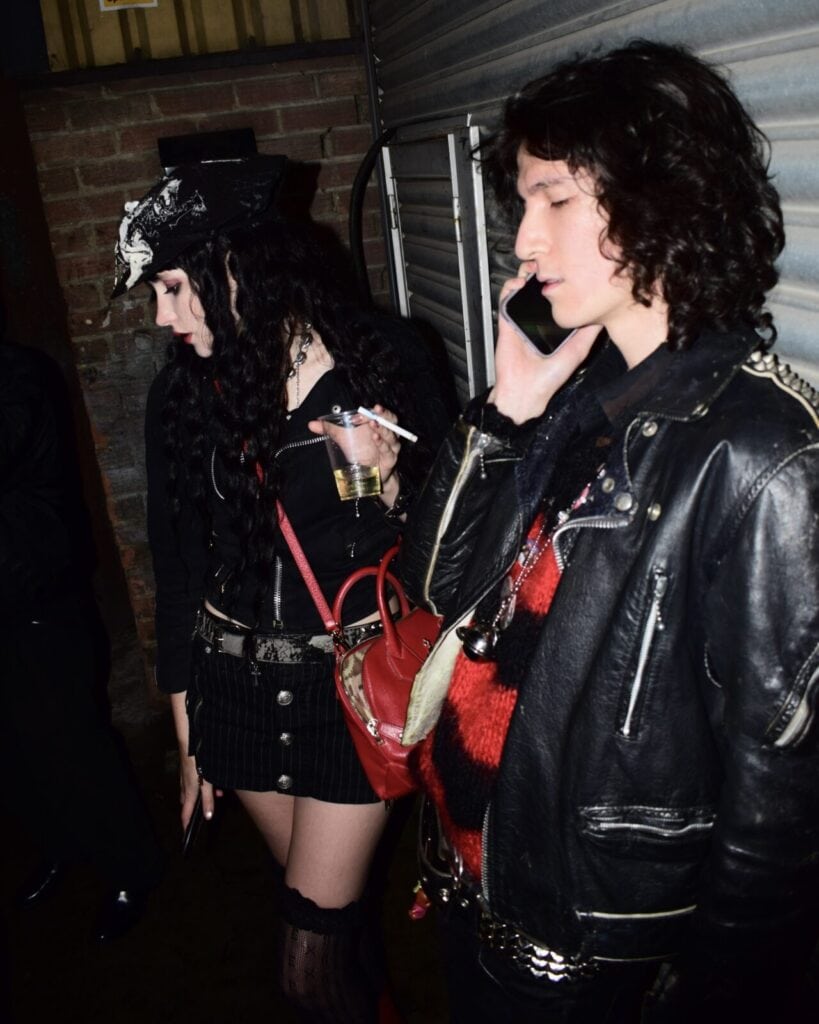
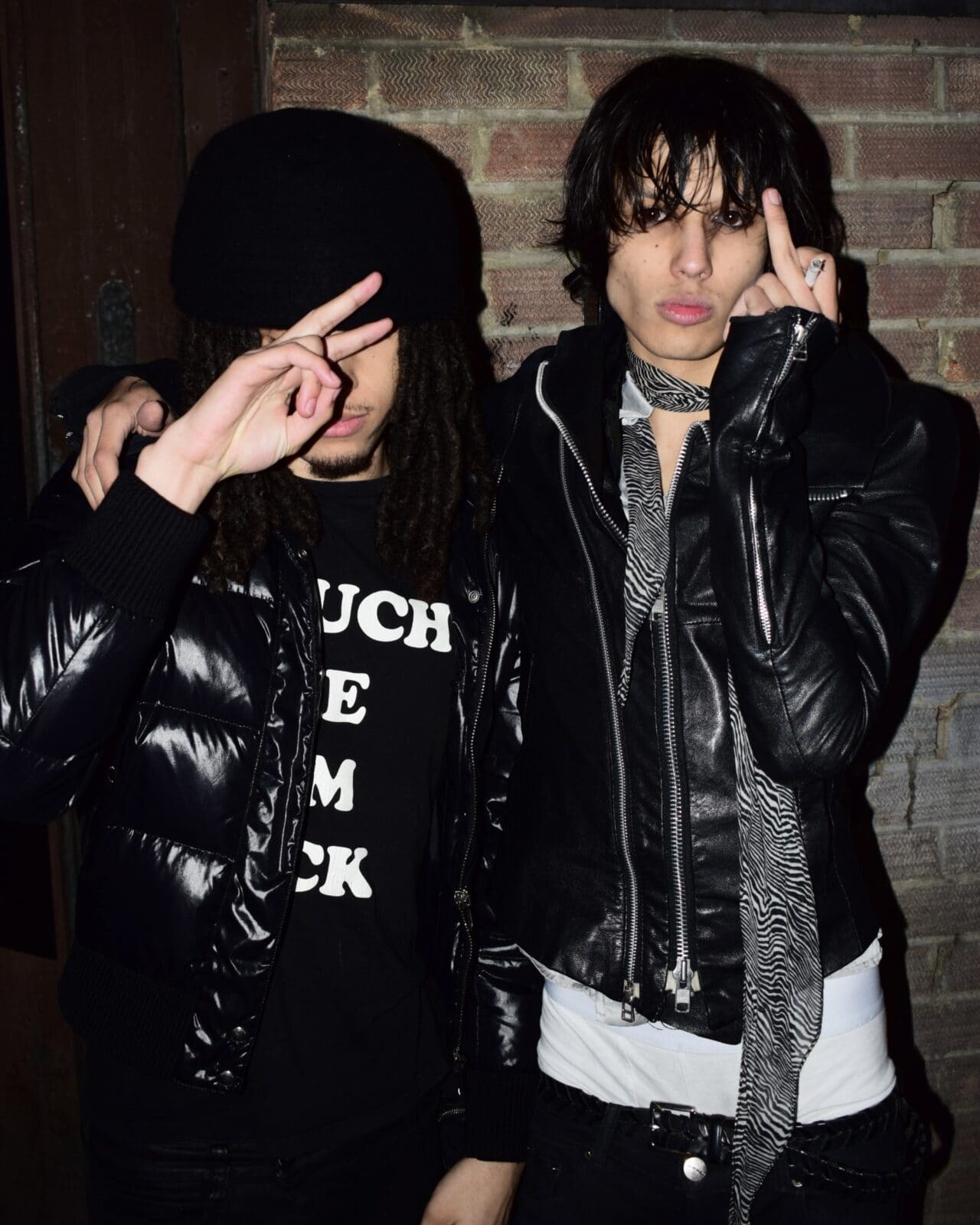
The rock crowd is dark-hued but with blazers and military jackets instead of hoodies. Glancing around the room, it’s a sea of monochrome. Guyliner is back. Leather jackets are thrown over sparkly t-shirts from a mate’s label, paired with combat boots, studded belts and cross pendants. It’s not a uniform, but it is part of what makes the scene. Boys show up repping their friends’ brands, while the labels, in turn, dress the musicians. “Indie sleaze is so back,” says one designer.
Mark Hunter a.k.a. The Cobrasnake – the Y2K party blogger whose photography defined the indie sleaze era – explained the aesthetic to me over the phone earlier that week. It’s about being “down to sit on the floor and maybe not having showered for a couple of days”, as opposed to the sorority girl who only sits on the fancy sofa with her legs politely crossed. Twenty years on, Mark photographs this Gen Z revival by collectives like Skins Party in Paris, the 1989 in Milan and Post Party and Borough in London.
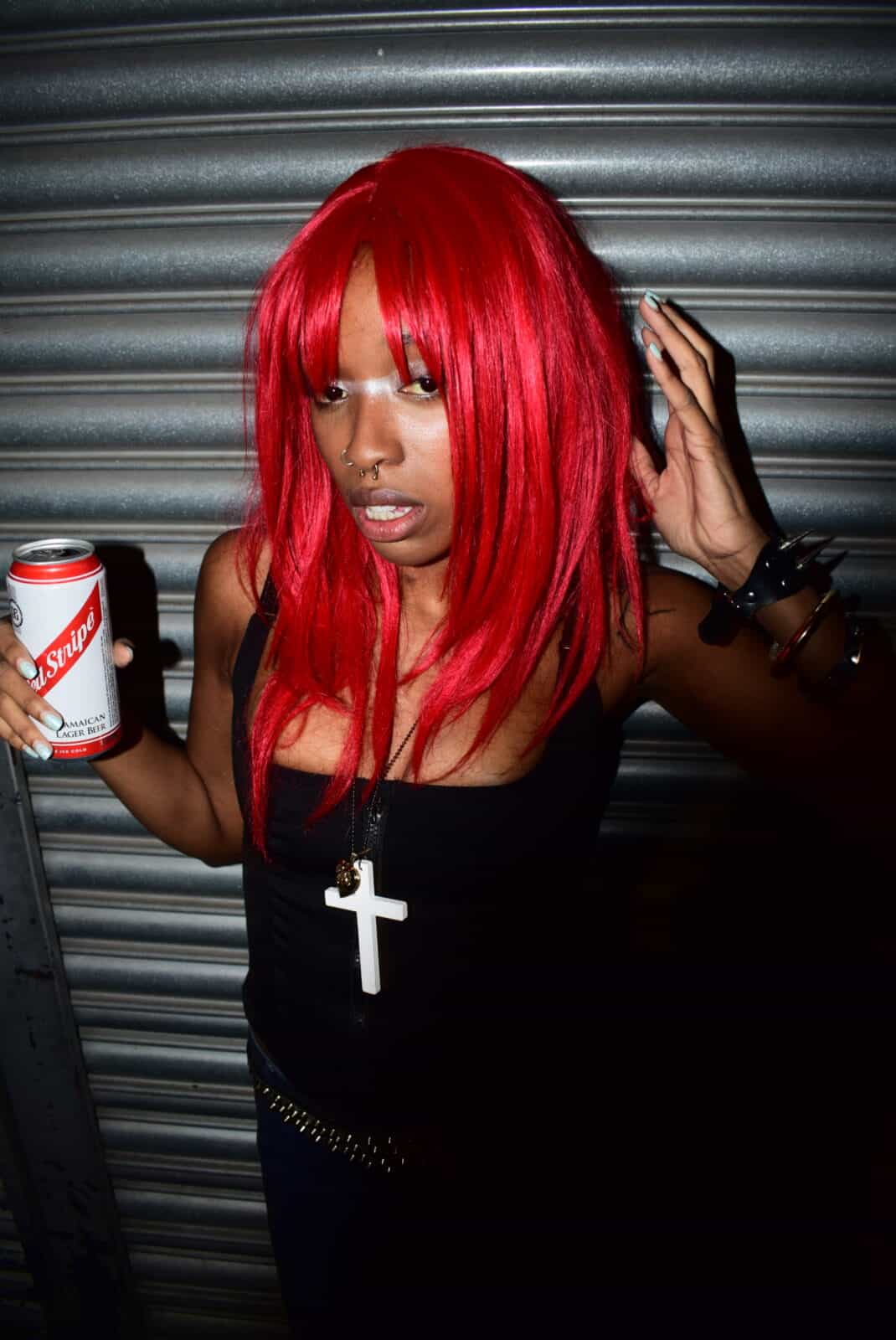
The guys behind LAMENT(IST), Omar and Harry, are outside smoking Japanese straights, holding cans of Red Stripe. They hand the first people in line free clothes, including the lusted-after signature Napoleon jacket. Omar Zakarie, a BA Fashion student at the University of Westminster, founded the label after photographing gigs prompted him to pursue that “same musical melancholy” through fashion. “My wardrobe wasn’t good enough for the models I was styling, so I started making clothes,” Omar tells Cold. “Now we create clothes for the wallflowers or the crazy dancers at these music events.”
There’s a messy yet chic attitude at Battle of the Bands that The Cobrasnake calls a “not giving a fuck energy”. One guy’s tousled hair is somehow tastefully greasy. A model with a grunge aesthetic that brings to mind The Hellp is posing for the camera with a middle finger. The youth culture here knows the flesh-and-blood worth of the offline influencer, letting good things spread by word of mouth. The bathroom floor is flooded. I trod on soggy cardboard to reach the sink where a girl is daintily applying lipstick, unbothered. I recognise her from Post Party: a collective on the same circuit run by the Primal Scream frontman Bob Gillespie’s sons Wolf and Lux Gillespie, which got photographed by Hedi Slimane for The Face last year.
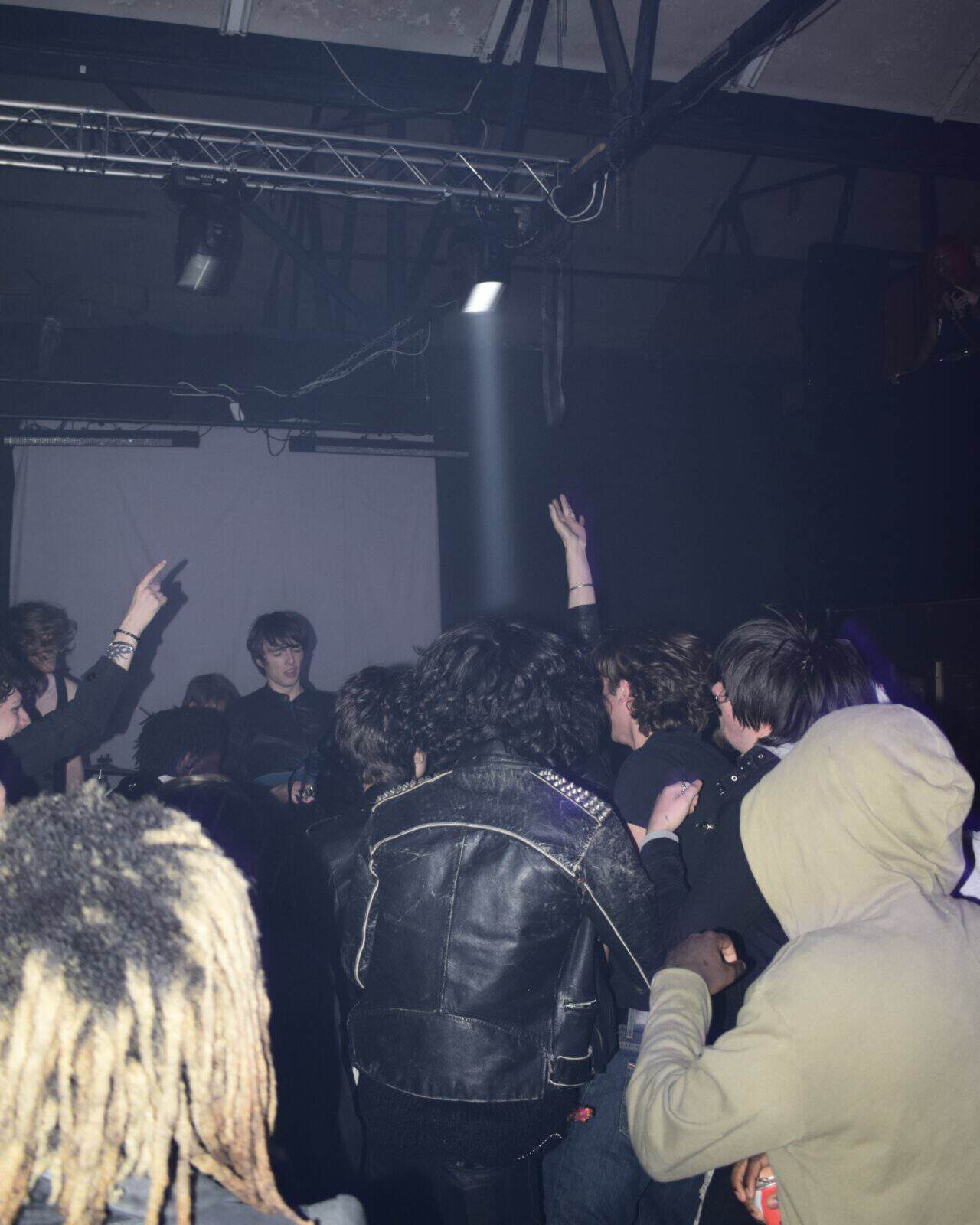
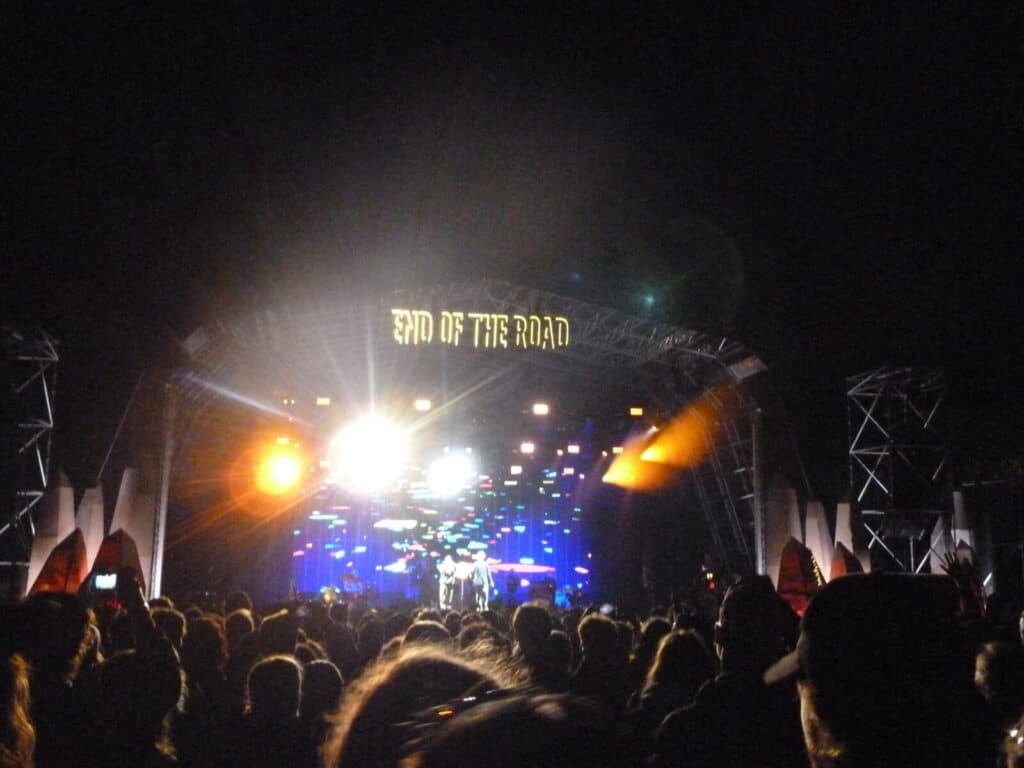
The gig room is set up like a battlefield with two stages facing each other. The crowd decides the fate of the lineup, with bands getting knocked out if the cheering and moshing aren’t raucous enough. One band seems to have seduced the audience until the moment of truth comes at 3am, when their opponent takes the mic and splatters fake blood on her face.
London’s underground rock scene is betting on its own new wave. “Borough made fakemink and SINN6R,” one guy tells me. “This is the time to be young in London,” says another. If rap is back to square one, rock could be on the verge of taking its place.
The bands who performed were Carrie Abyss, Gossip Queens, Restless Taxis, New Build, My Rushmore, I Miss My Mom, The Havocks and Asa Smiles.