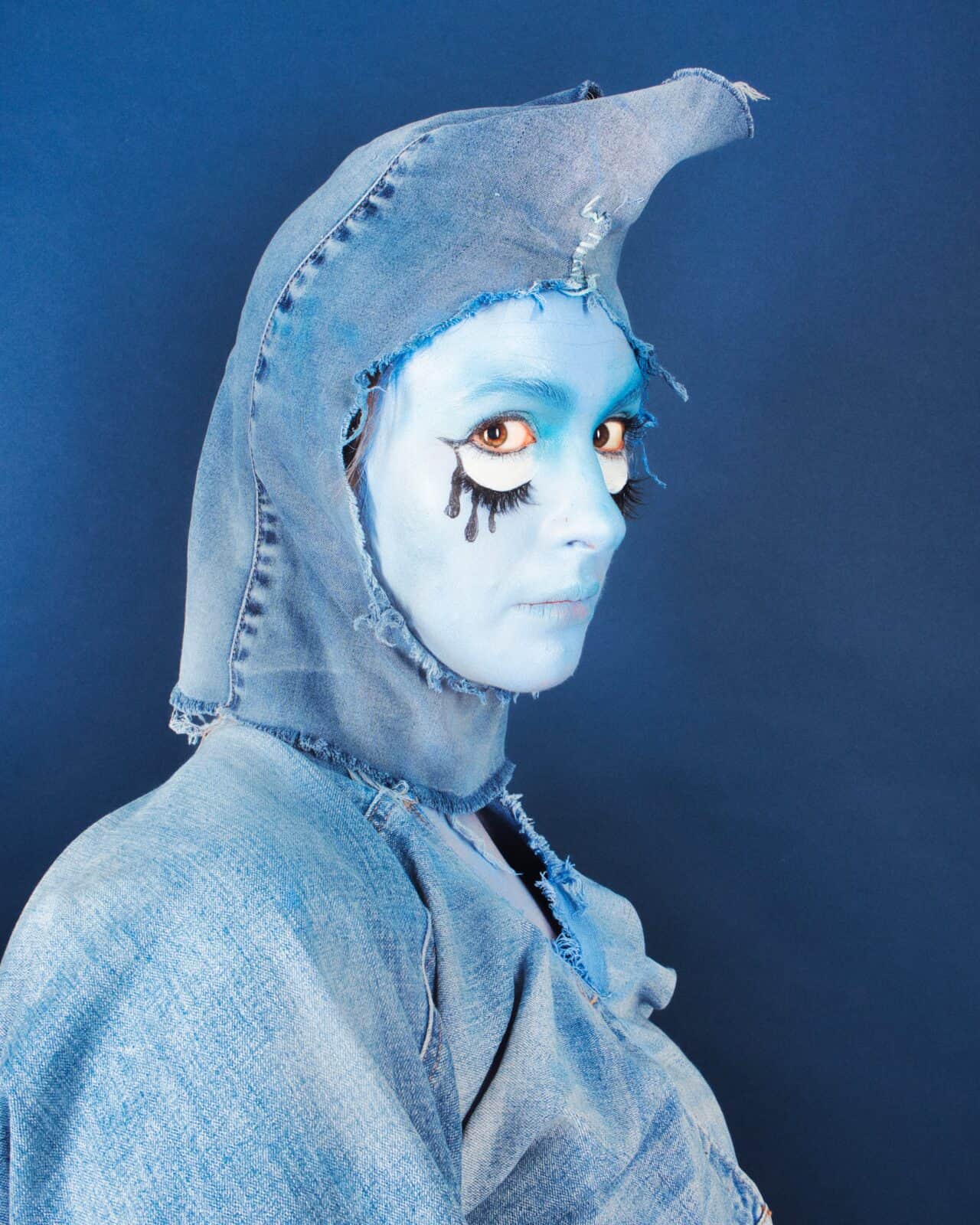
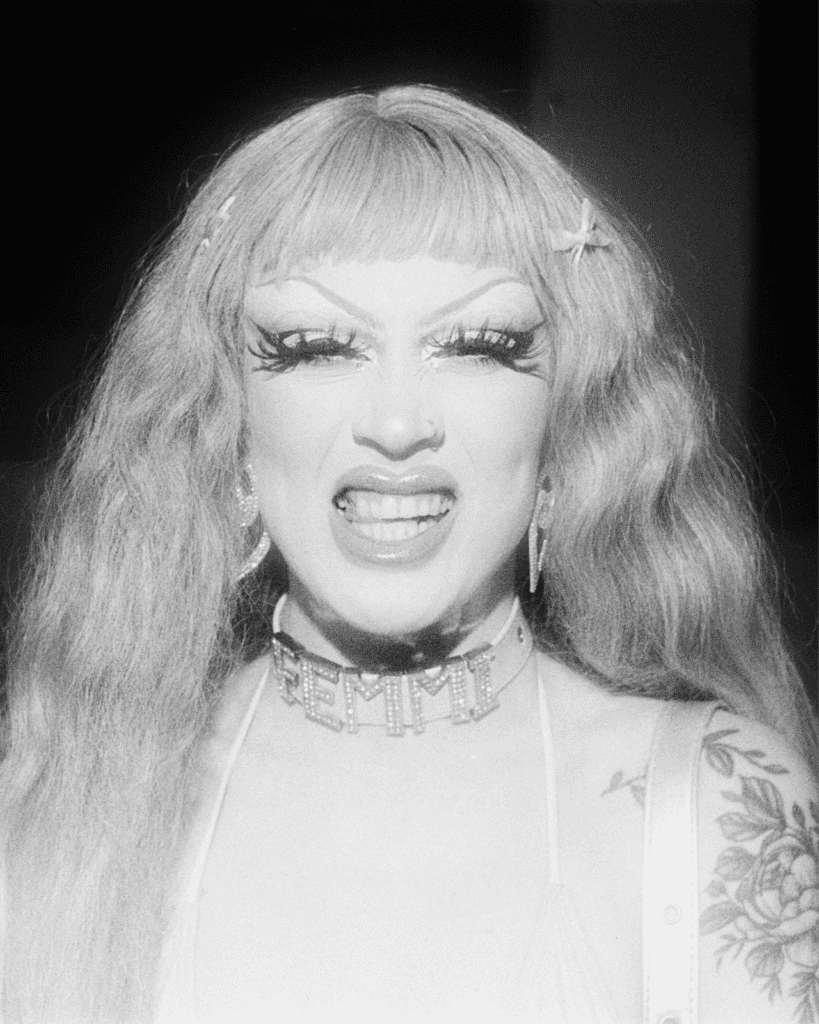
“If there’s a freak inside you that wants to get out, just fucking do something about it!” Jean, a denim alien from a far-away planet made of trash, urges me over a zero beer on Kingsland Road, Dalston. “Unleash it onto the dirty streets of East London… or South London, actually. We need more drag.”
What exactly is drag? Popular understanding of the word is muddy at best, owing to its ever-growing presence in the public eye and commitment to expressive freedom. Eight brilliant artists, in the joint making of this article, guided me through the vast, diverse practice of the artform in London today.
Once, the immediate association would’ve been with a pantomime dame or similar. In recent years, however, this has been supplanted by an image of ultra-fame, wealth and palatability, as espoused weekly by RuPaul’s mega-franchise across six continents of the world. Meanwhile, many local drag artists remain as subversive and intelligent as ever. Their drag continues to be deeply entangled with grassroots activism, punk culture, theatre, visual arts and fashion.
All the artists I speak to agree that the allure of money, fame and television has contributed to an influx of drag in London that’s “sterilised”, “ka-kitty-ka-ka” and “neoliberal bullshit”.
These are the respective words of Die Lemma (a drag artist who fuses 1920s German cabaret with Black culture and the spirit of punk), Ishmael Kirby a.k.a. Cyro (thespian-turned-feminist-punk-turned-activist) and Femmi Bitch (hyperfeminine bimbo and “internationally renowned pop sensation who invented music”).
The misconception that drag is an unserious art without craft or history or political implications is increasingly personified by superstar wannabes taking it up as a hobby. But, as Lala Dangereuse, who describes herself as a supermodel cut from the same cloth as Nicole Ritchie and Kate Moss, tells me, “You’ll never get famous if you start drag to become famous. You have to be famous for being good at drag.”
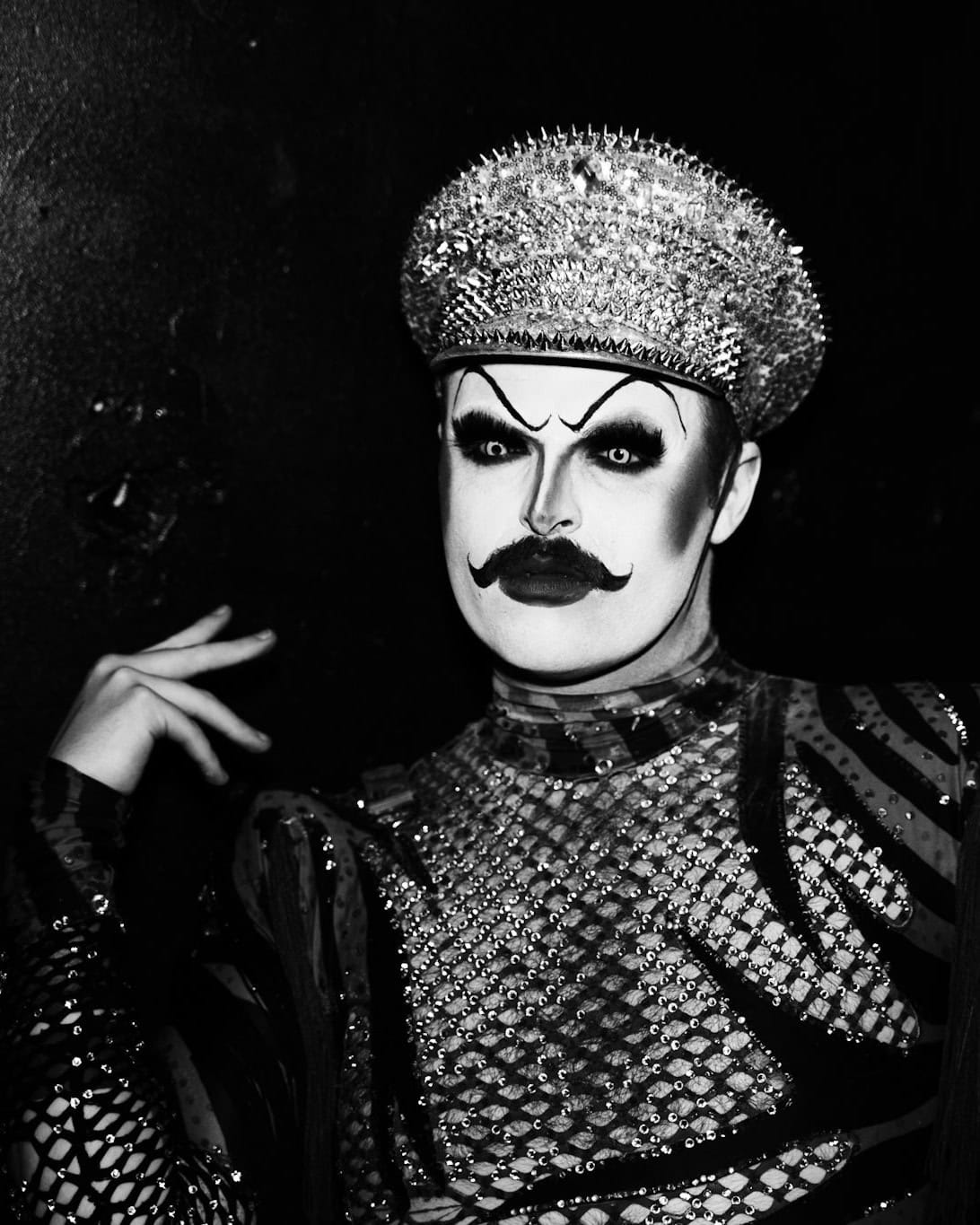
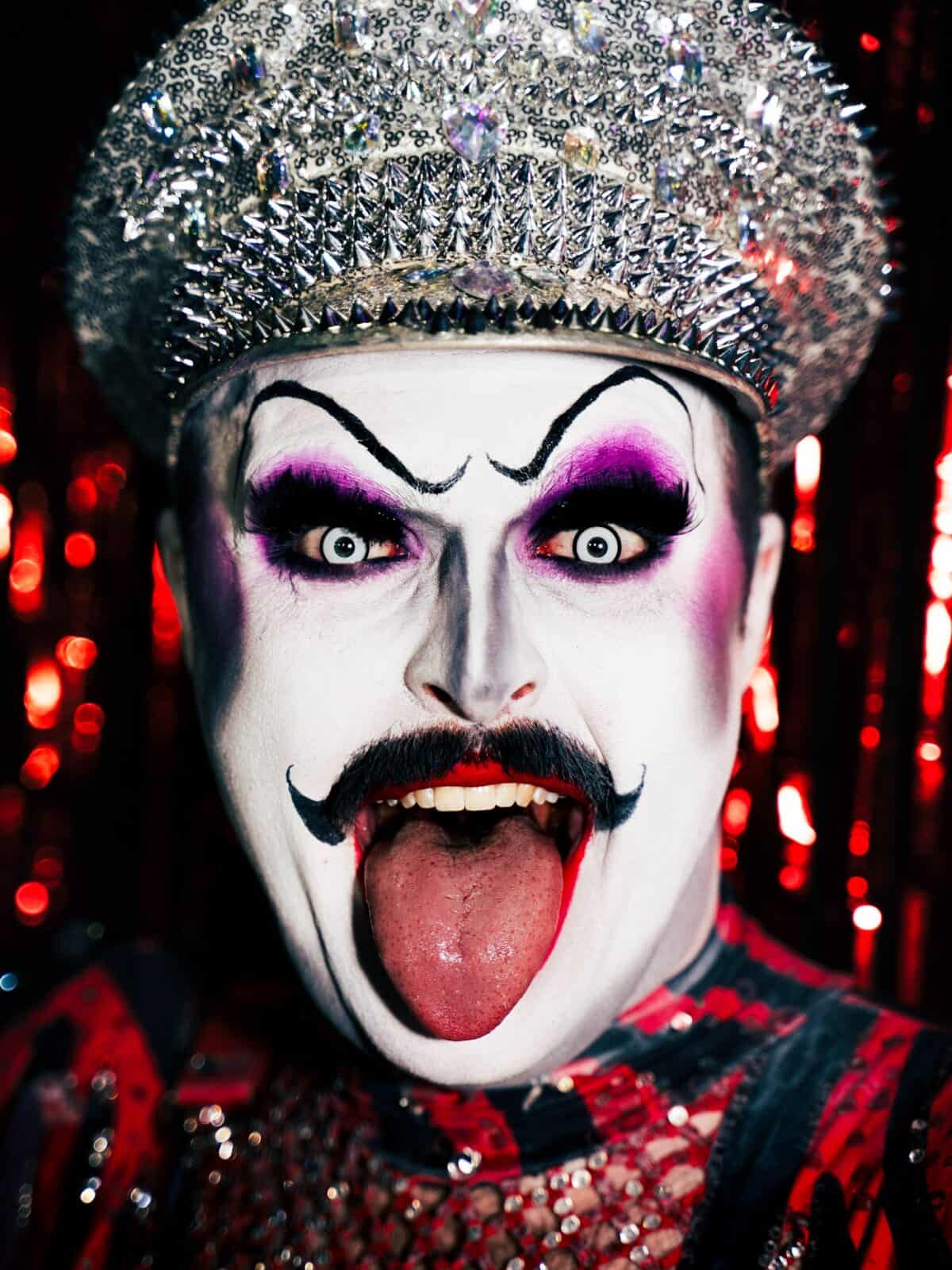
Soho is the primary magnet for drag-hungry tourists in London, in contrast with its counterparts further East which generally attract local audiences. “People will scream ‘support local drag’ and by ‘local drag’ they mean whoever’s performing at Heaven that night,” Petty Nonsense tells me mid-show at the Divine, a gay bar in Dalston. Petty’s signature makeup style pairs a handlebar moustache with magenta eyeshadow. “It runs so much deeper than that. Broaden your horizons a bit. Celebrate it in ways that you haven’t before.”
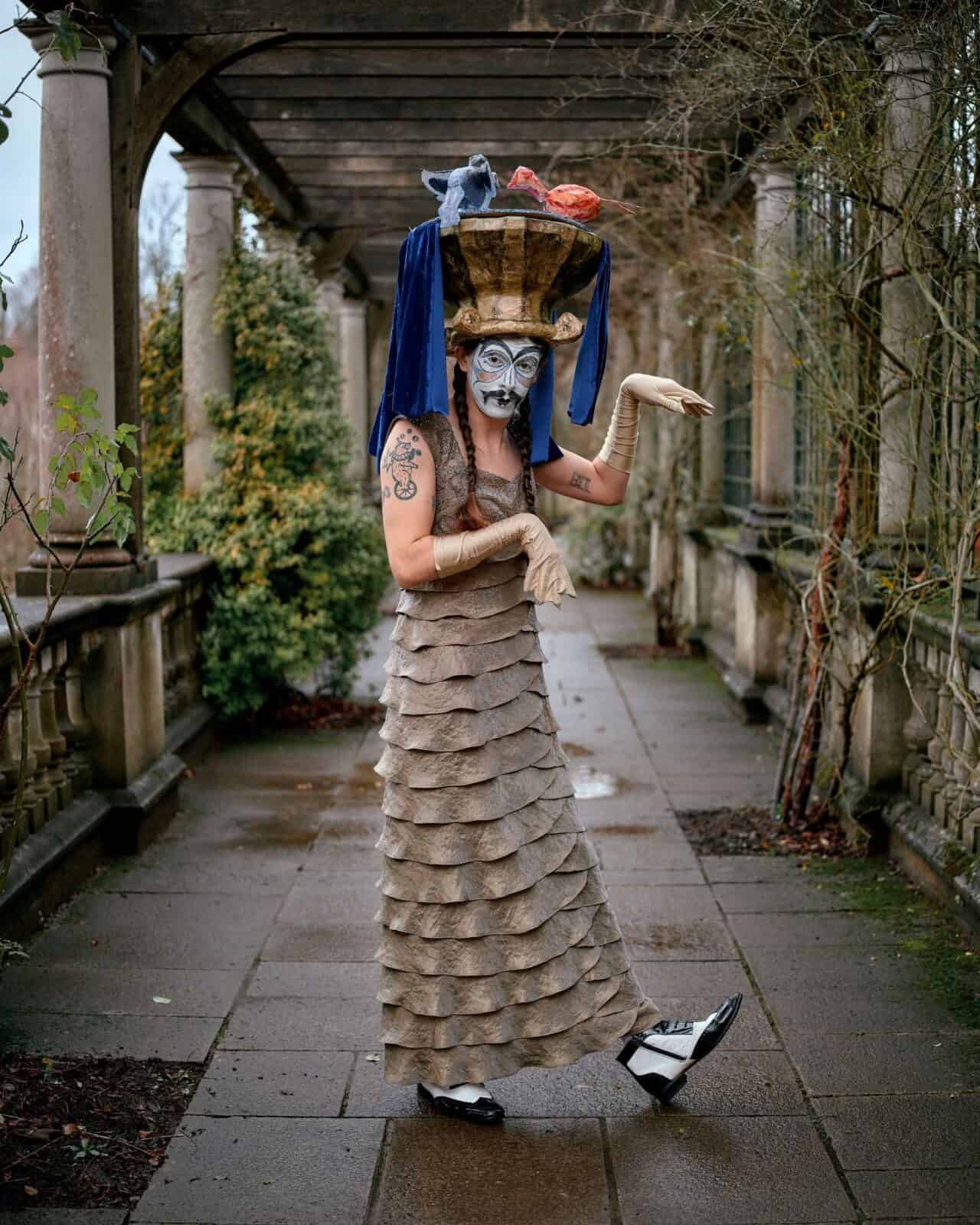
Some artists are asked whether what they do is “actually drag”. The Public Universal Friend, a.k.a. The PUF, is the creation of an artist shaped by her experience in cabaret, clowning, puppetry and textile-based arts. Because of this fantastic “syzygy of influences”, she often faces this question.
‘‘There’s a value judgment inherent in that,” she tells me. “We have this cultural touchstone that is Drag Race, defining for a lot of people outside local communities what drag should be.” But, within the scene, it feels obvious; her work stems from a shared sense of community and what she called drag’s “possibilitarian impulse, this Cruising Utopia [a famous work of queer theory by late writer José Esteban Muñoz] thing where we are always reaching towards what it could be, rather than trying to dogmatically cut down what it is.”
Drag is a place where the boundaries of what a person is are slashed down and their imagination is set loose on what they might become – whether that’s a supermodel, or a denim alien called Jean from a far-away planet made of trash. It can be a source of both hope and discomfort because of the mirror it holds up. As Femmi puts it to me: “Drag is meant to be exploding the box, it’s meant to be uncomfortable, unnerving… it should make you think: is this about me?”
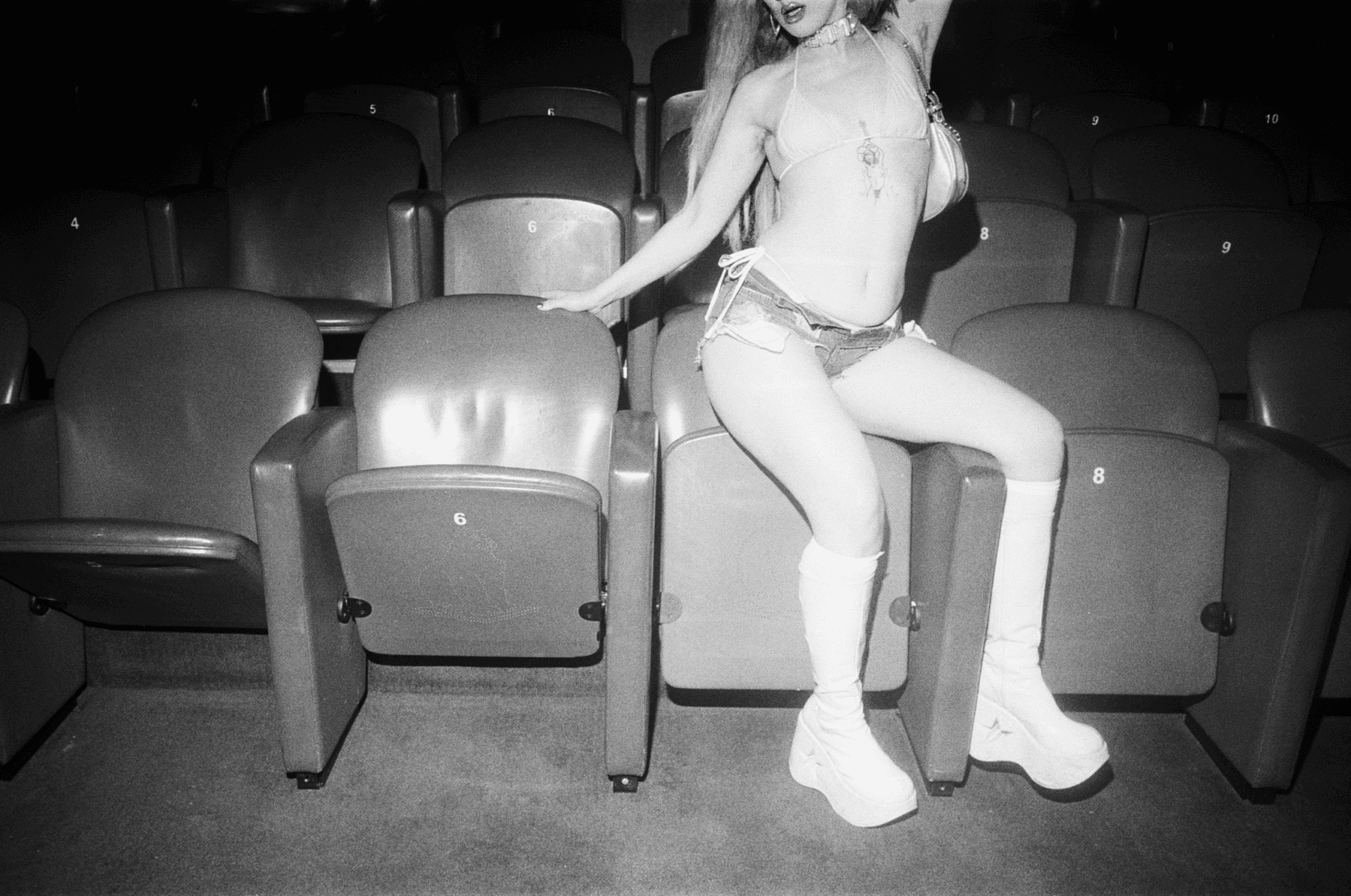
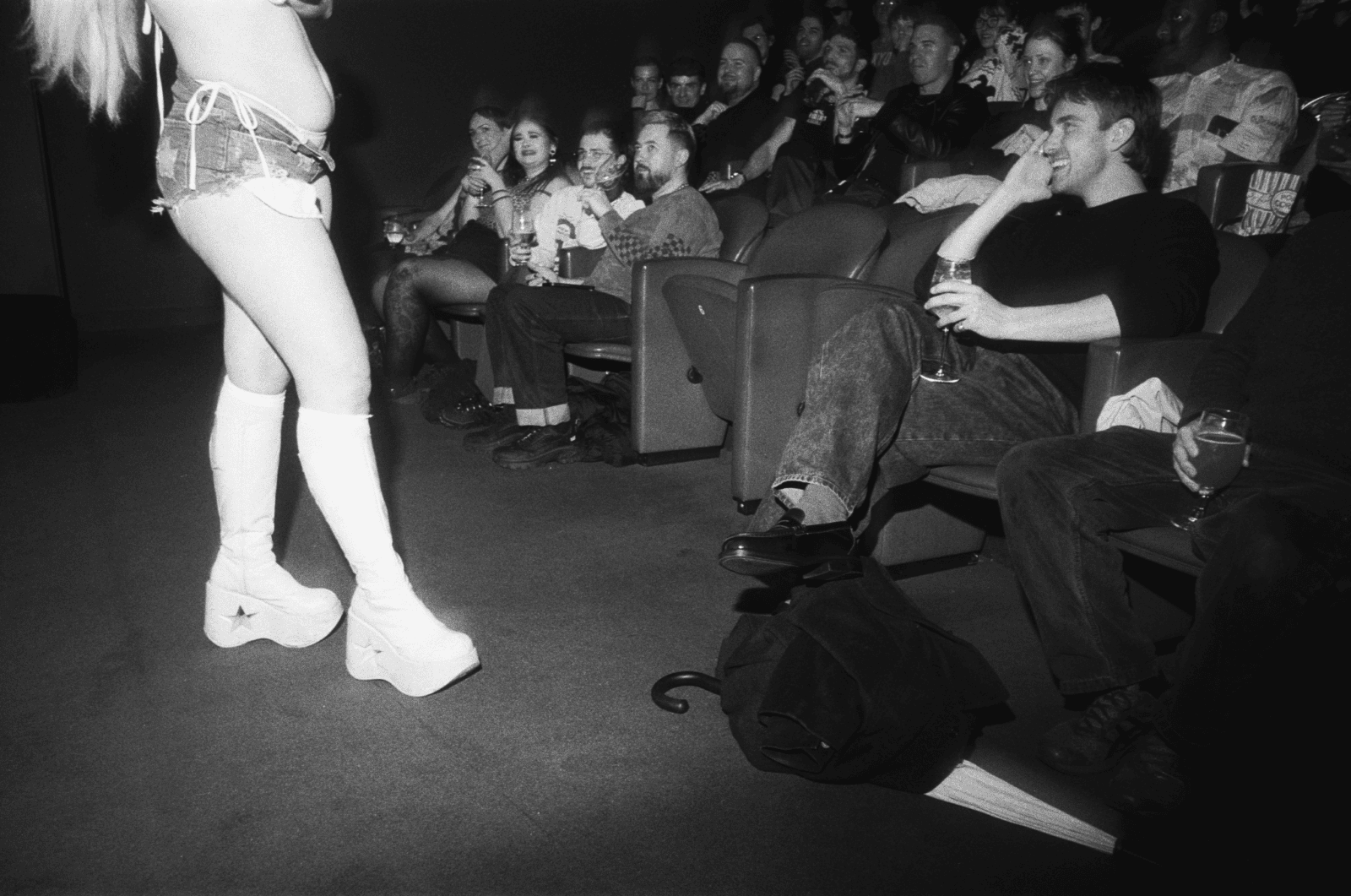
One way that blurring of lines can emerge is through gender, which crops up in drag characters in ways that range from the overtly commentary (Femmi, an exploration of “female individualism under capitalism”) to the strangely surreal (Jean, denim alien). “The way I perform is incredibly reflective of whatever relationship I have to gender at the time.” Fat, blue tears are painted on Jean’s (also blue) cheeks when they tell me this. “Recently I’ve been really likely to get naked onstage… it’s this feeling of loneliness, sexual yearning… to have my body seen as a sexualised body.”
Jean’s performance of gender, like that of many artists, is related to lived experience. “[Drag] has been a really beautiful accompaniment to my transition,” says Major Dom, curator of the drag king night Love Affair Kingdom. “Every time I got onstage and heard people’s celebration of the choices I was making for myself and for my body, it was deeply healing and also deeply reassuring of being on the right track.”
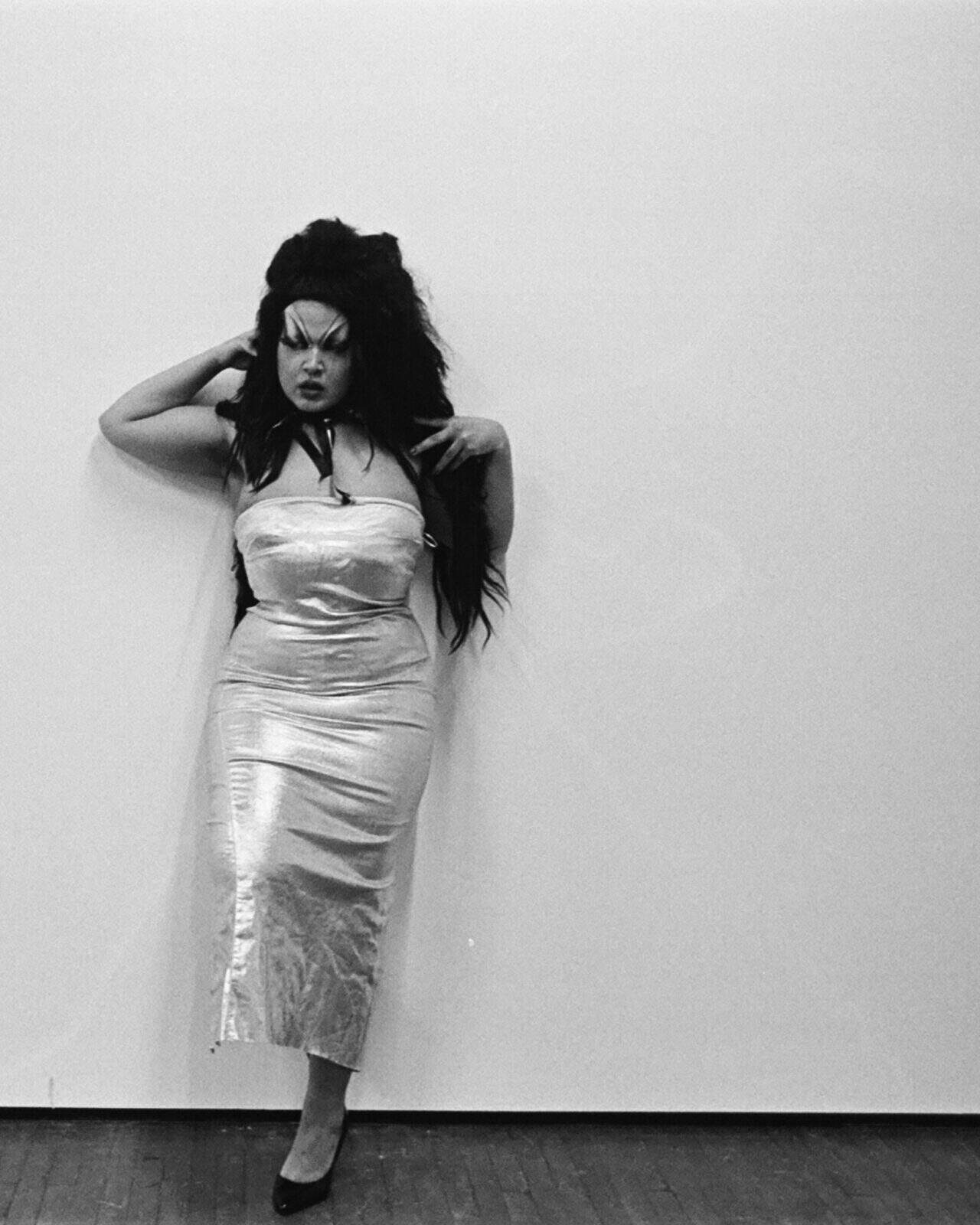
Drag Race alum Dakota Schiffer’s show, Transworld, celebrates the beauty and talent of trans women in the industry: “This is gonna be really high drag… I’d only ever done one other show with an all-trans lineup,” says Lala. “The love you feel doing something like that is indescribable.”
If only that love could be spread to every draggy corner of London! According to Die Lemma, the artform “has been on a downhill slope for two years… when I started, any show would sell out… then people who used to be in the audience started doing drag.”
This audience conceit that drag is not a technician’s art is bizarrely ubiquitous. Most people readily accept that a pianist, a writer or a sculptor can spend years honing their craft before they are good enough to go pro. So why, in drag’s case, do we believe that a beat face and a nice wig is all it takes?
Jean tells me about their process of “actioning” their drag; Lala has a longstanding, studious love affair with the world of fashion; Petty is a techie who performs with iPads: “I’m a videographer, but I just like to be onstage when it happens.” Every performer I meet brings unique knowledge and technical skills to their work.
Many of the artists I interview include in that knowledge a politics which is innate to their life and art. Ishmael talks with me at length about the lessons he’s learnt both in and out of drag about solidarity, authenticity and community; during our conversation, we cover KKR’s – a global investment firm linked to Israeli arms – ownership of Mighty Hoopla, Dave Chappelle’s exasperation with white audience members and Lily Savage’s famous clap-back to police raiders at the Royal Vauxhall Tavern – a historic gay venue – in the late ‘80s.
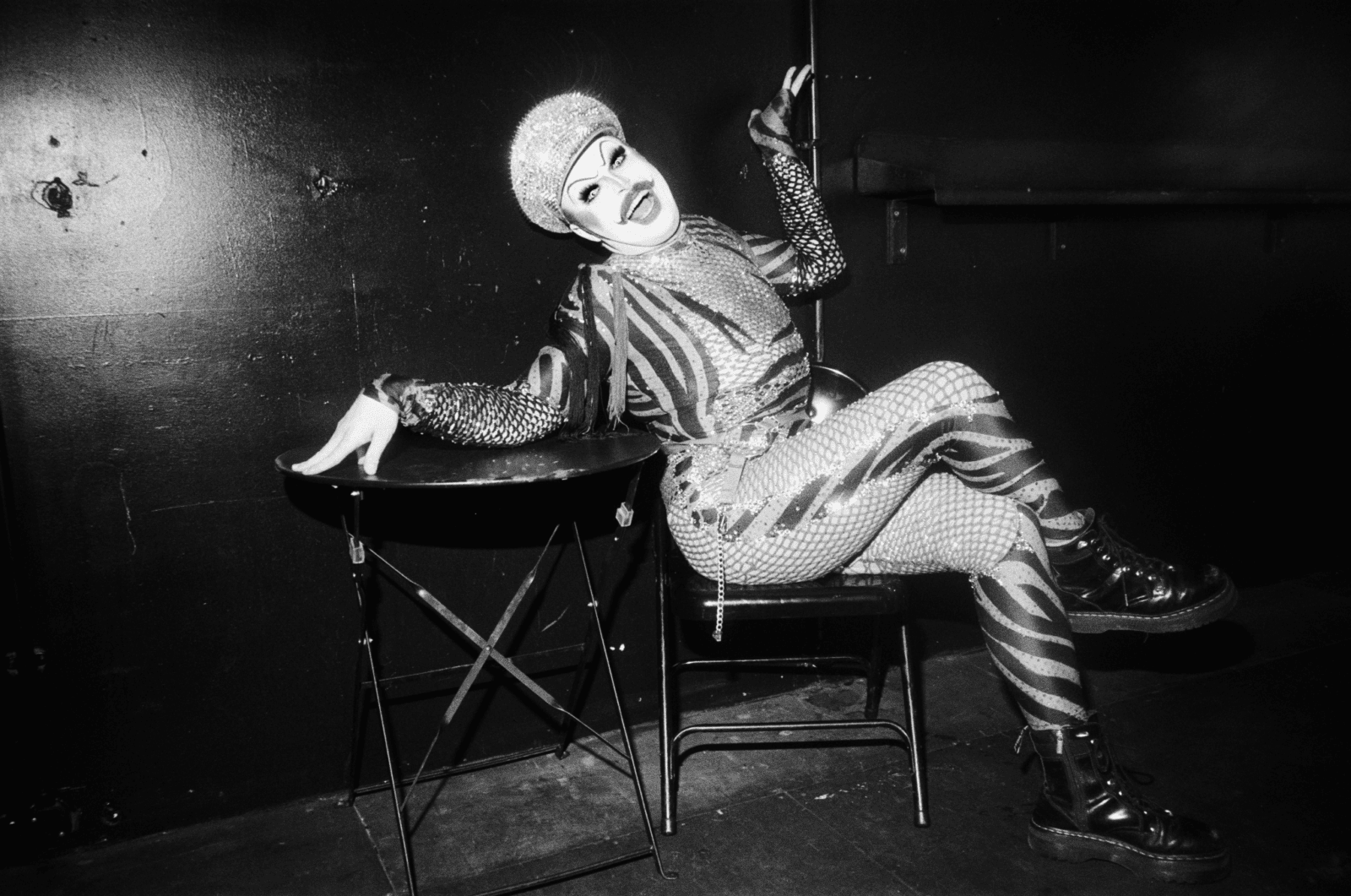
He describes to me a sense of betrayal at those closing their eyes to the threats facing their community; he paints a vivid mental image of drag artists playing clowns (the court jester type) to cheering audiences while the world burns around them.
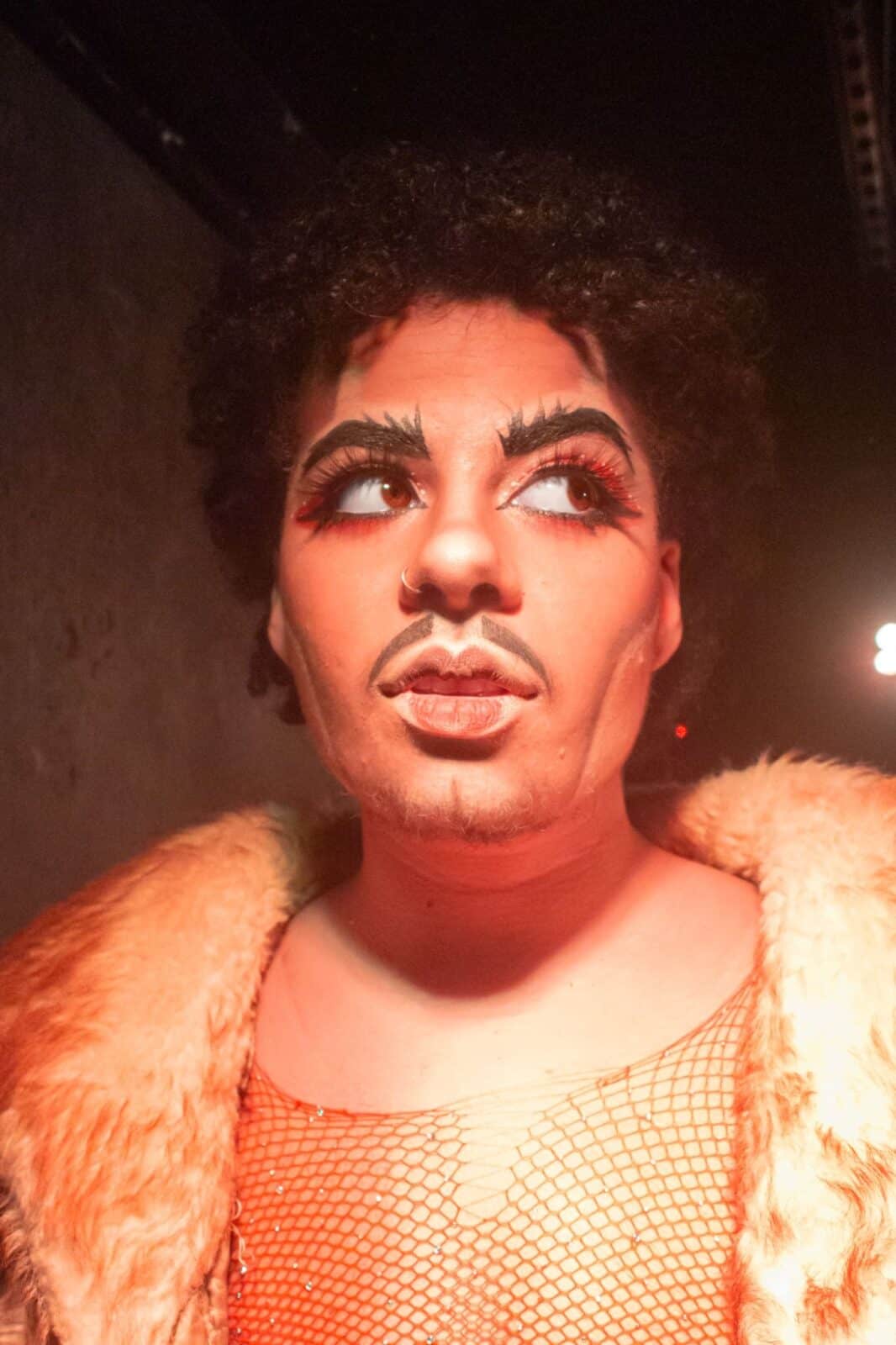
“sTink” is Ishmael’s antidote to the situation: their own Antifa trans-focused cabaret and club night which provides free community workshops and mutual aid for attendees. In the same vein, Major Dom says of his monthly drag king night Love Affair Kingdom, “It’s my priority that this space is safe… the fact it’s free feels like a really important element of that… It’s all well and good making political art, but if people can’t actually come and see it, that’s quite limiting.”
Contrary to the TV-sanitised version of events, there is not much money in drag (at least at a local level, and particularly for kings, things and alternative artists). Keenness to remove financial barriers to audiences is balanced with the reality that many drag artists also work full-time day jobs.
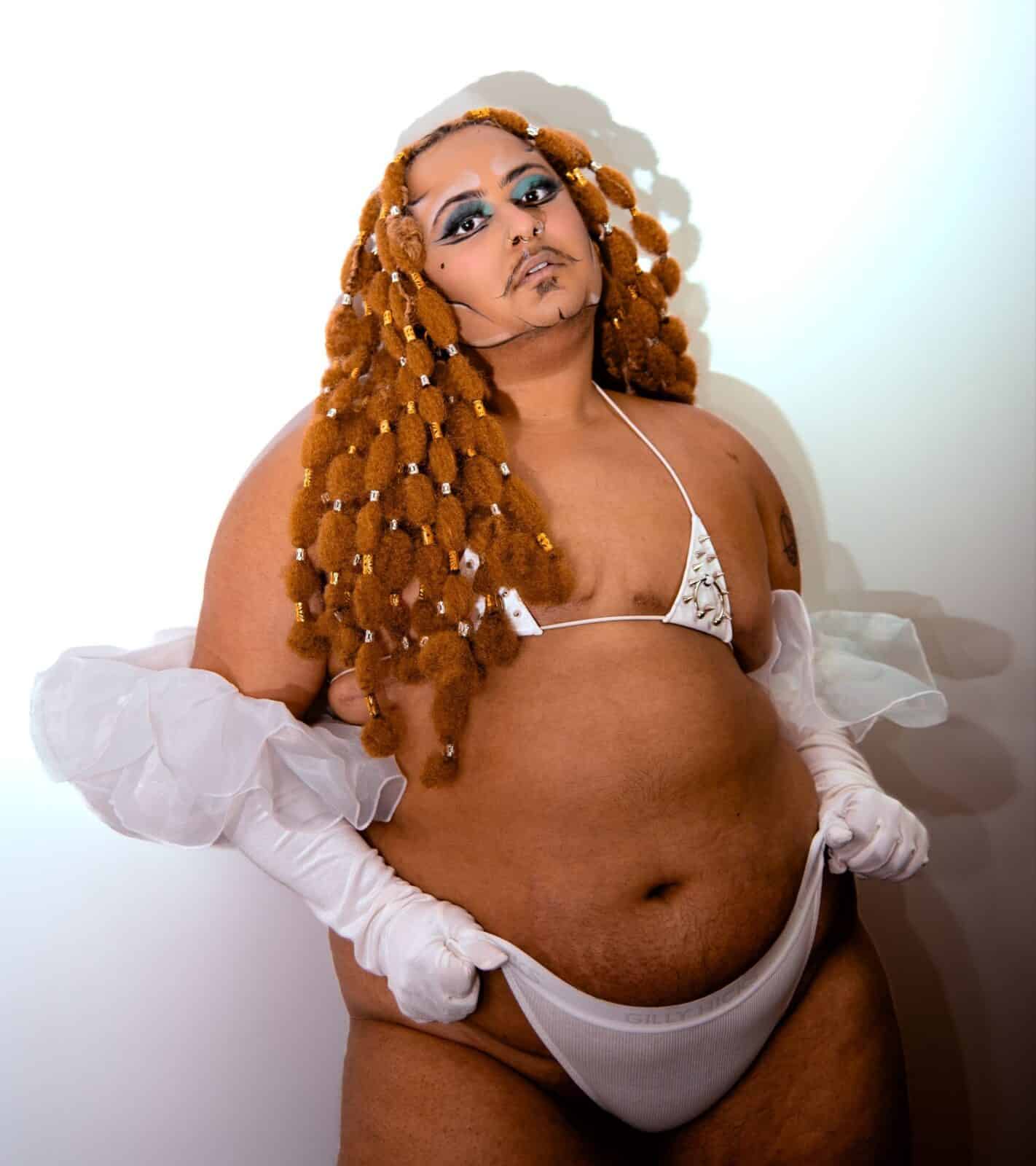
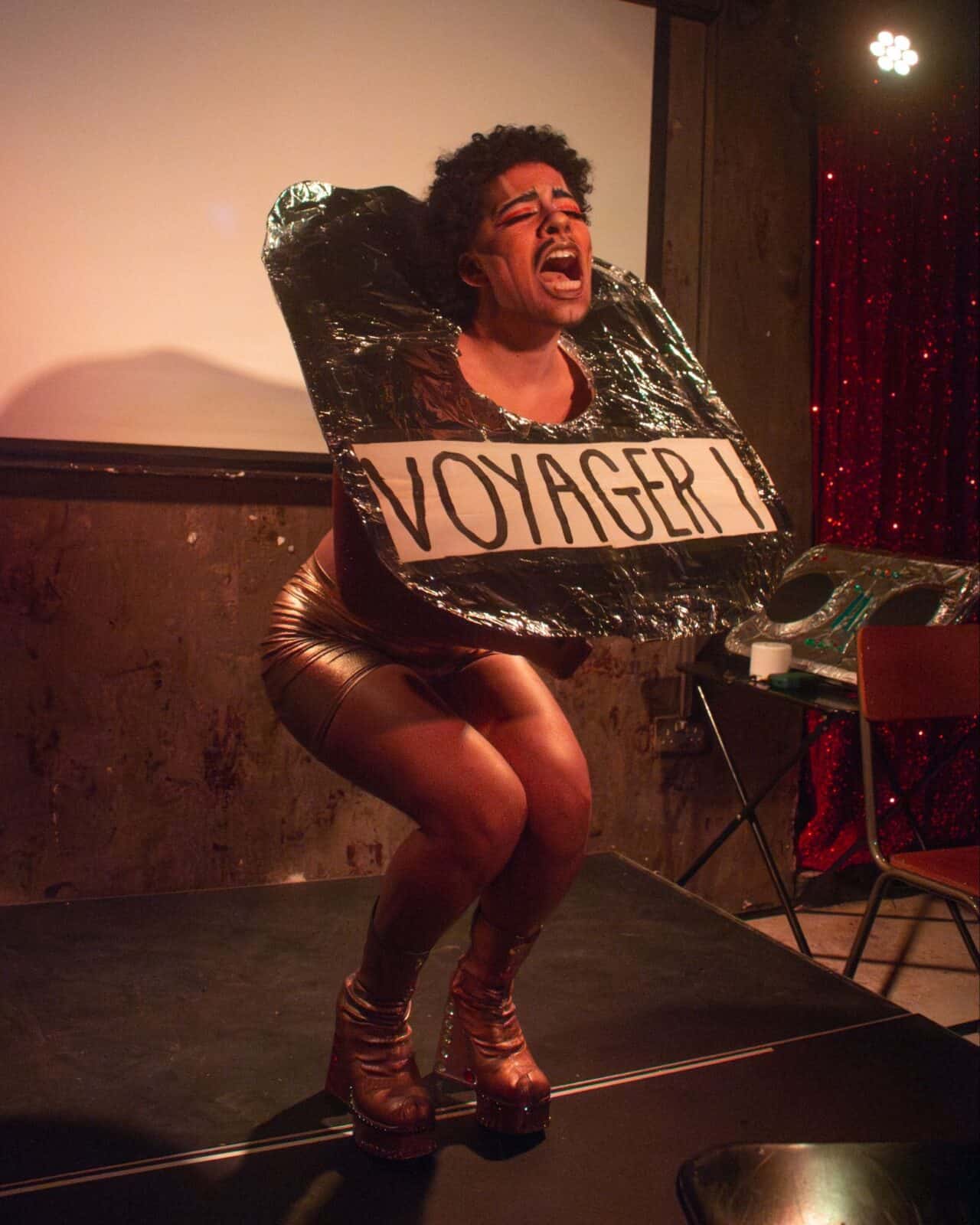
But the lack of funding invites its own impressive, versatile creativity that works around or without a budget. The PUF links their work’s “cheap art manifesto” with Jean’s “trash-based ontology of things”; Jean is working on a solo show about discarded items set in a “a crazy hoarder’s house, this fantastic rat’s nest of shit”. When I ask Major Dom about the underrepresentation of kings in the industry, he replies: “Their loss! There’s a compromise you have to make when you’re commercially successful that often kings don’t have to make.”
Still, without money, community must remain at the fore. Drag exists in symbiosis with the community it serves – it is “a nucleus around which community can swirl”, as The PUF memorably puts it. In return, the community is what births and nurtures most of the artists that end up being at that centre.
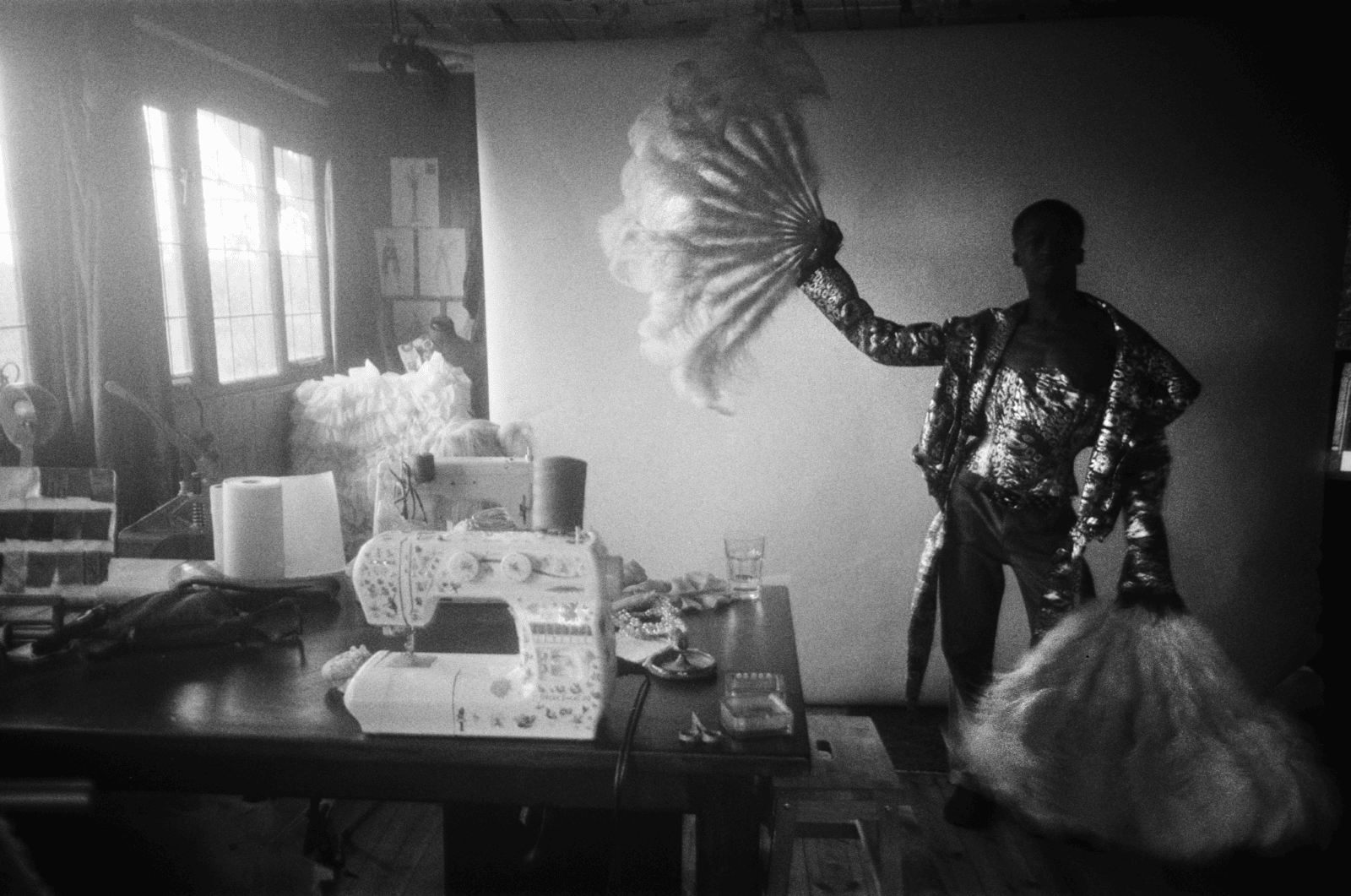
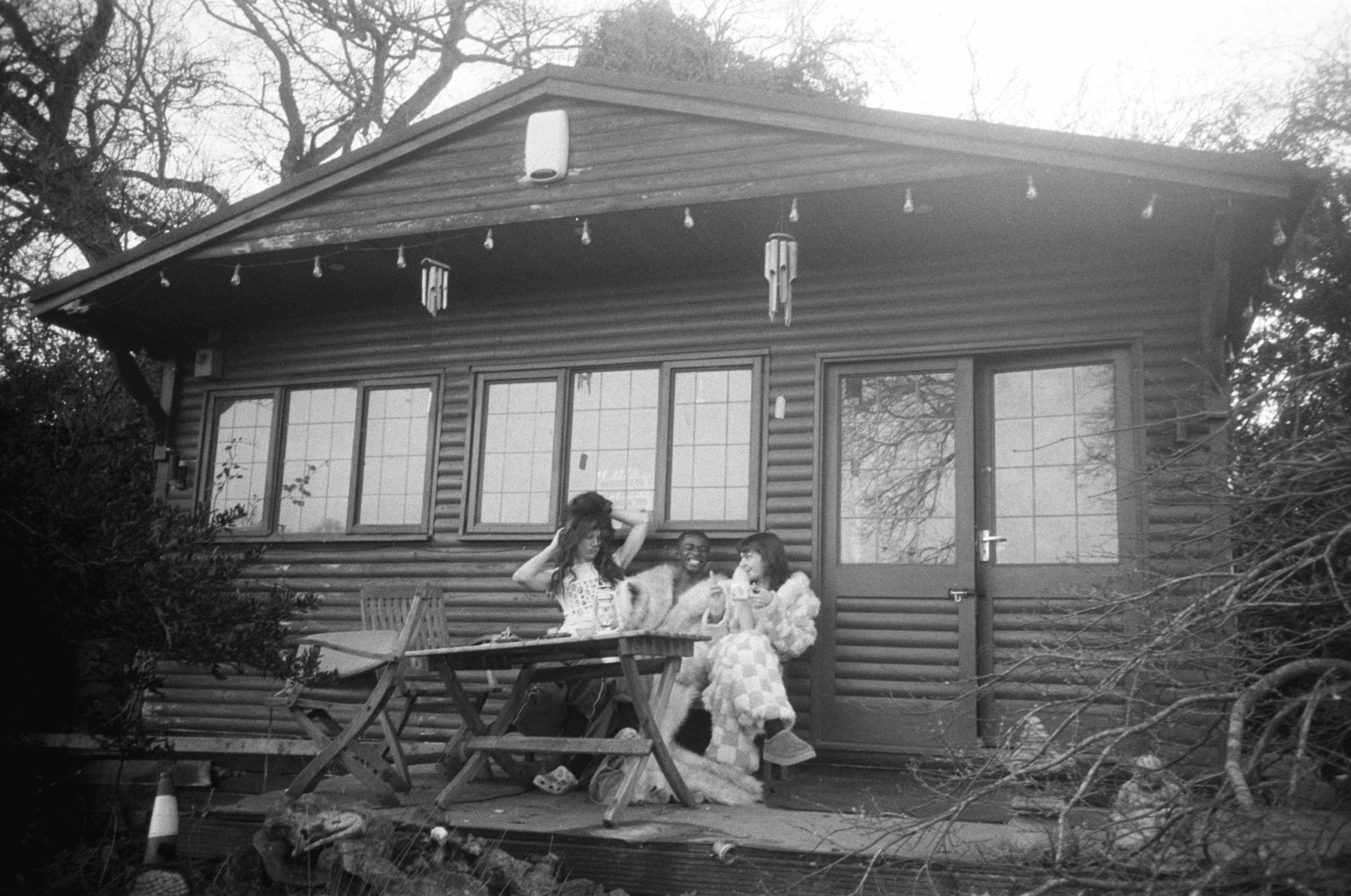
“I always found it strange that Soho in particular is so cut-throat,” Lala tells me in the home of her creative collective Mode, an isolated house on a hill overlooking some rolling fields in Hertfordshire. Wilma and Pina, who are part of Mode, are with us. “I wouldn’t be half the artist I am today without these two. It’s something I feel really privileged to have – that feeling of community in my work. Everything that I’m wearing, everything that has been produced is the product of love and queer family.”
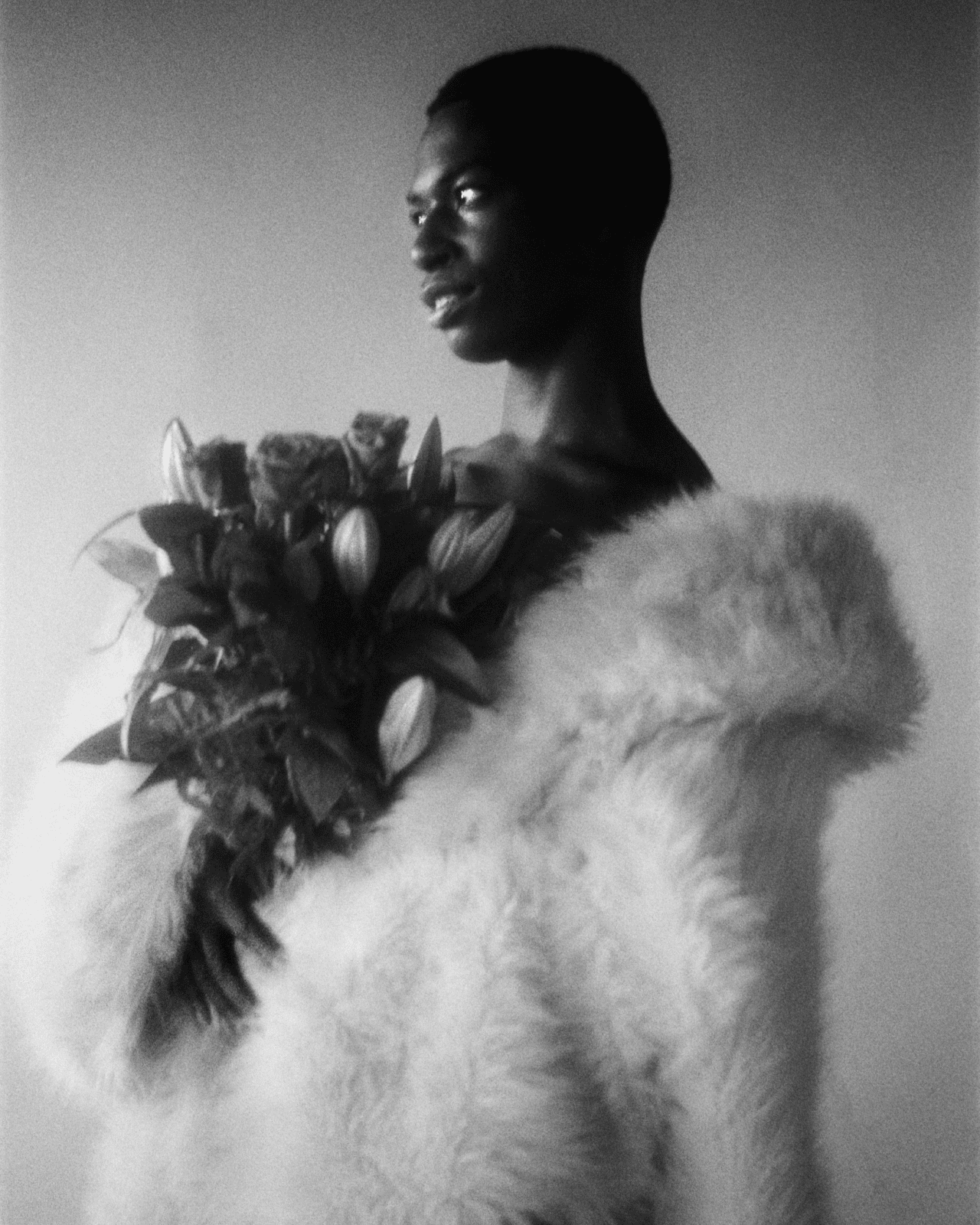
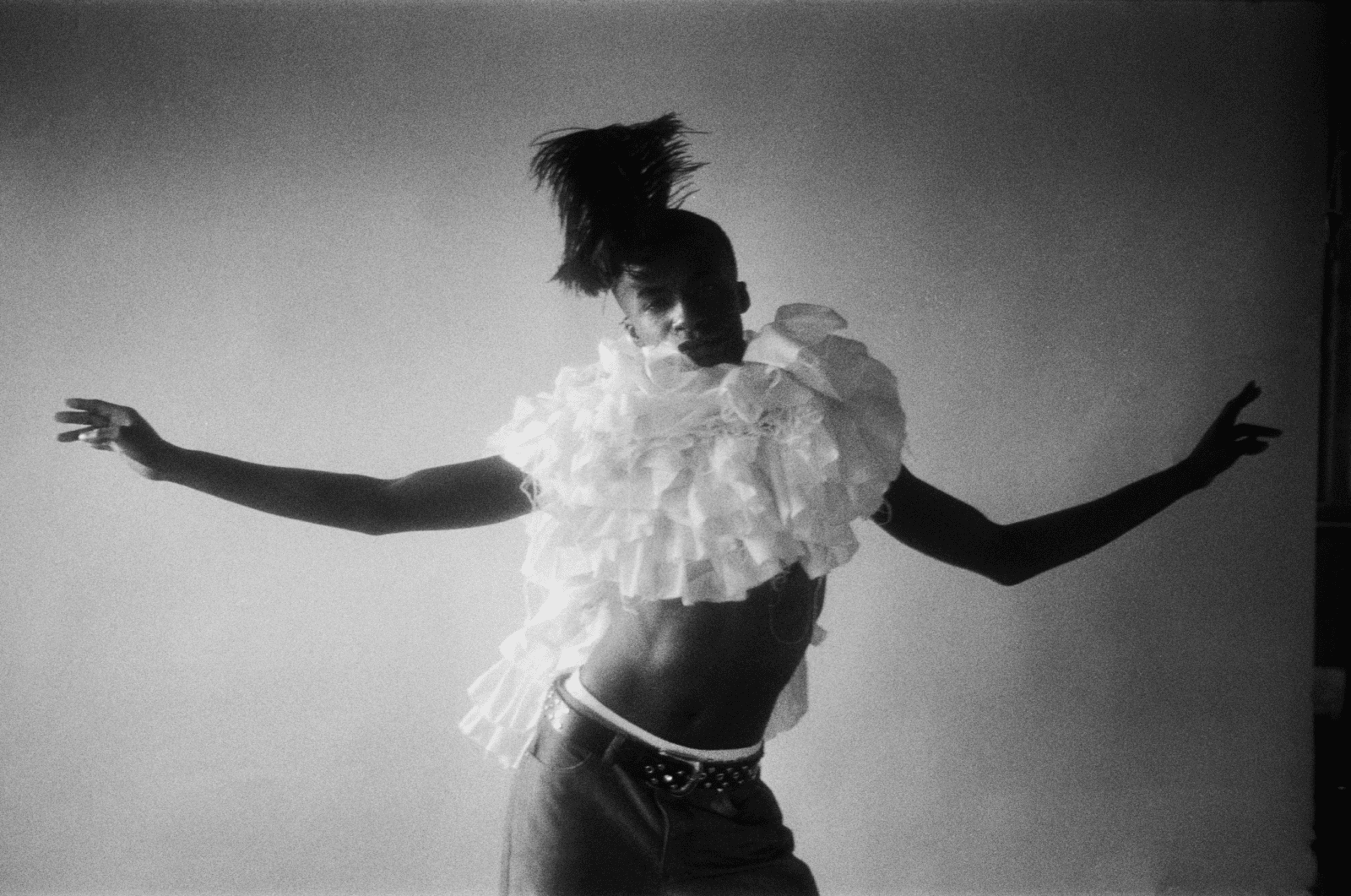
There is a movement in drag that yearns for a return to the dark, the weird and the shocking. When I ask Die Lemma about the state of drag now versus a few decades ago, she gives a pertinent reminder of the art form’s alternative roots.
“It used to be very political, it had this gender-bender weirdness and punkness to it. We moved away to a very sterilised idea of what drag can be… We need to go back almost, go more punk and underground, to celebrate weirdness and extreme drag. I like to scare people in the audience. If I’m in the audience, I want to feel something.”
How do we go back? We can look to honesty, confront our egos and embrace the strangeness of each other in our communities – and, at the same time, we can prioritise fun. We can protest the harshness and the fascism of our world by being unabashedly authentic with one another.