

Asghar Farhadi, an Iranian director excelling in serious business, has made an unserious film. The willingness to, let’s say, make something “larger than life,” has always been there in Farhadi’s blood. No wonder that Parallel Tales, a part of the main competition in this year’s Cannes, is promoted as a star-induced French drama about the matter of truth, the human imagination, and, ultimately, all the uncertainties that might lead relatively decent people to adultery.
Farhadi has decided to make yet another swift U-turn in his career (after coming back to his home country in A Hero, which also premiered in Cannes in 2021). This time, with the help of some Polish producers, he is loosely adapting Krzysztof Kieślowski’s sixth instalment of Dekalog – the one truly invested in scopophilia, in which a young man, played by Olaf Lubaszenko, spies on a much older woman whom, he claims to love more than anything else.
In their films, both Kieślowski and Farhadi have showcased their innate understanding of the human condition. So, in theory, the meeting of those two powerhouses seemed like a true match in heaven. Until it wasn’t; unless you had expected something more than a weirdly-staged satire on French cinema and tenuous relationships. Parallel Tales lacks the composure and the self-imposed rigour in Farhadi’s filmmaking, something that audiences have come to expect from him over the years. Bangers like A Separation (2011) and The Salesman (2016) still strike a deep chord, and haven’t aged a little bit. Even the more naturalistic and harsh titles from his filmography (take, for instance, The Past from 2013), are also able to make a lasting impression.
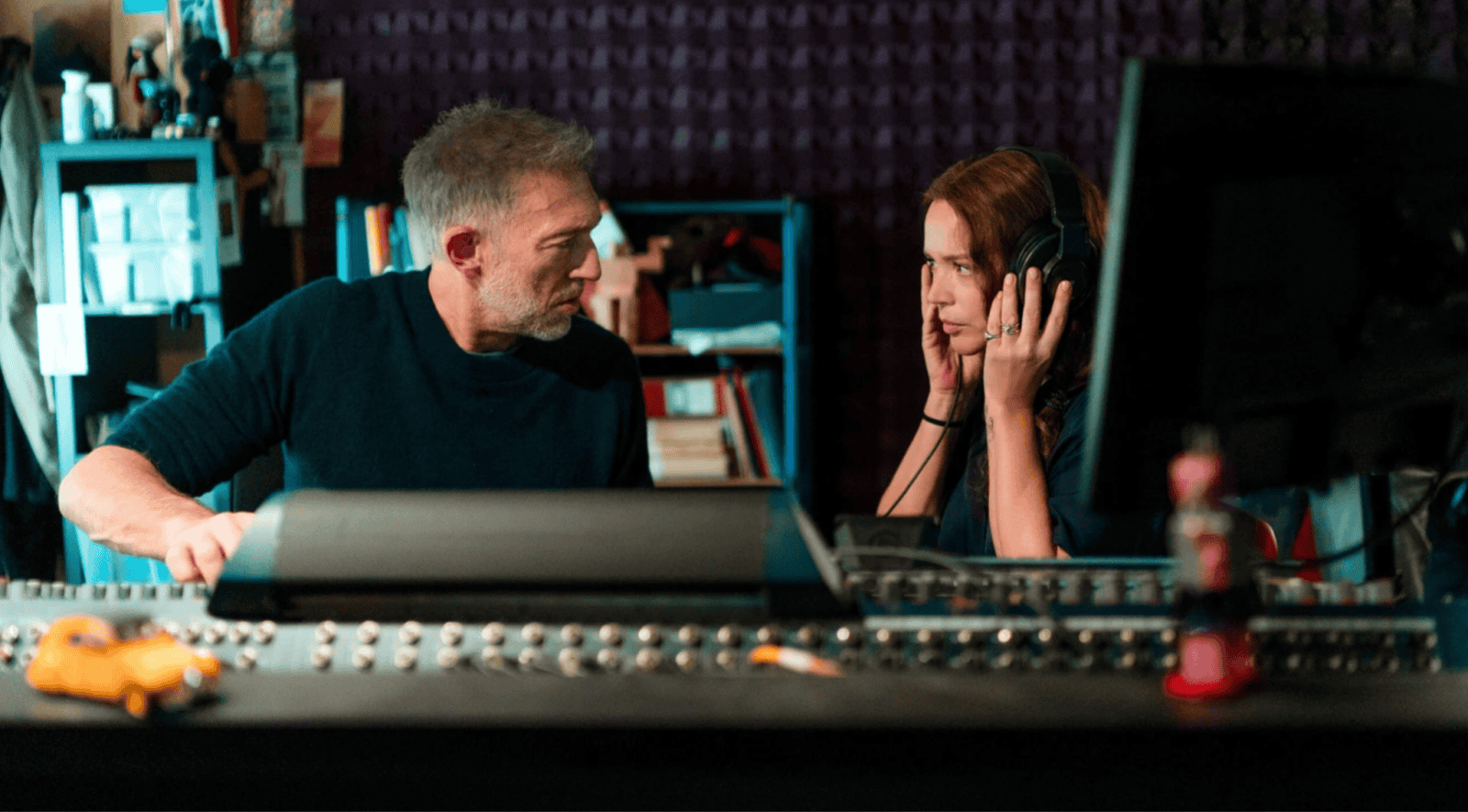
That being said, Farhadi is at his best when he dissects the whole of Iran, instead of playing a smart-ass European philosopher. Here, we follow Sylvie (Isabelle Huppert), an experienced writer who, with the help of an old-fashioned telescope, spies on her neighbours across the street (played by Vincent Cassel, Virginie Efira and Pierre Niney). At one point, she decides to write a new novel about them. Can everything she has included in it be considered as an absolute truth? It’s hard to tell: both eponymous tales, one fictionalised, one mirroring reality, clash with each other, creating a hodgepodge of future misunderstandings.
Add to this Adam (Adam Bessa), a newcomer in this already intricate story, who, due to the lack of a job and a greater sense of what his future holds, starts reading Sylvie’s abandoned novel. Adam finds it more riveting than both its author and the editor (Catherine Deneuve) actually think it is. After reading the novel’s latest version, the latter scolds Sylvie for not “really understanding humans and their nature.”
But when Adam rather unexpectedly interferes with Sylvie’s fictionalized storytelling, drawing the novel’s subjects into it, the joke is on Deneuve’s character. As we will soon find out, the editor isn’t entirely right. Sylvie knows these people even better than they know themselves, even if she hasn’t spoken to them at all and knows nothing about their lives.
From this moment, Farhadi – at his usual unhurried pace – seeks answers for the most crucial question out of them all: to what extent is Sylvie right in her conclusions? How much truth has she managed to capture in a text based solely on her experience of spying? Adams personifies the spectator – it is he who desires to conclude the unconcluded and create the perfect ending, as Sylvie has abandoned the novel.

Fans of Julian Barnes, a writer who for decades has been interested in uncovering the sort of “perfect” truth, or simply coming to terms with the many versions of existing (half-)truths, will find great pleasure in watching Farhadi’s latest venture. For Barnes, those sorts of “truths” are deeply embedded within us, and influence our perceptions of the past, the present, and the people who surround us. Think of The Sense of an Ending, in which Barnes offered a concise and relatively simple story, while its final ten pages altered the reader’s take on the entire narrative.
Like Barnes, Farhadi plays with the concept of different layers of “truth” here, while also adding a touch of post-irony, mostly thanks to the situational humour occasionally woven into the script itself. Farhadi dispenses the little truths about his characters in measured doses and demonstrates how our imagination regarding a particular event described in Sylvie’s book (whether it actually happened or not) can still evoke some hidden demons.
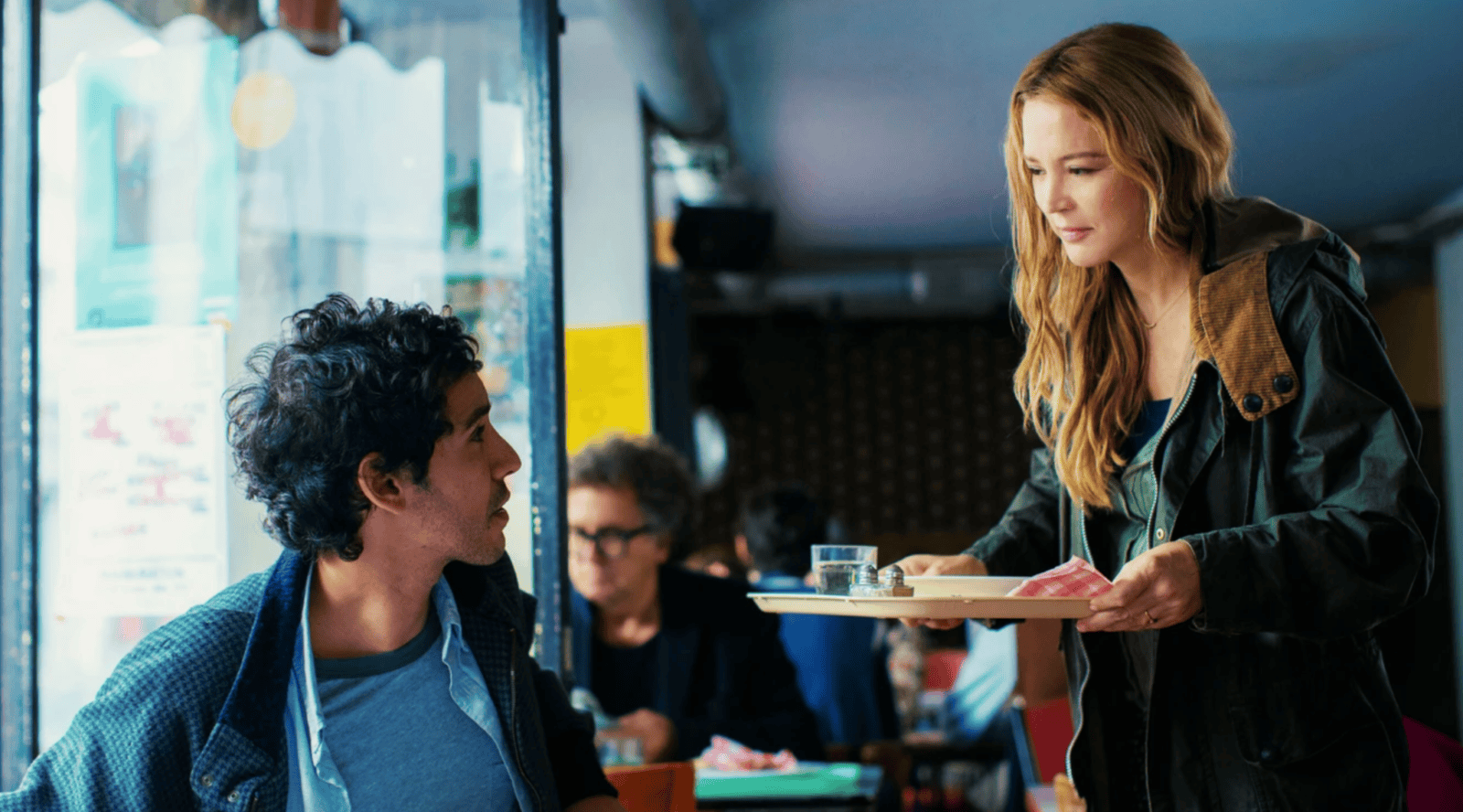
Yet, it’s sad to say that, at a certain point, the drama turns into a compilation album featuring all of Farhadi’s greatest hits. All those themes include betrayal, hypocrisy, infidelity, attempted rape, violence against women, and patriarchal misogyny. Some of these narrative blueprints, so well-known from his previous films, are still echoed in Parallel Tales, which becomes a pastiche of Farhadi’s stark and restrained aesthetics. It’s as if Farhadi decided to rely on provoking the spectator for the sake of the act of provocation.
No one expects a 54-year-old director to radically reinvent himself, but the repetition of themes, including the somewhat open ending, is undoubtedly becoming predictable, mundane, and, well, cringeworthy. A viewer familiar with his work will have no trouble guessing where this spiral of misfortune and human’s internal evil is, ultimately, heading. All of it works as an ultimate guilty pleasure, though it’s just not enough when it comes to Farhadi.
Radio in Cannes runs its broadcast till Saturday, but Farhadi’s set of greatest hits is already long gone in the festival’s dead air.


