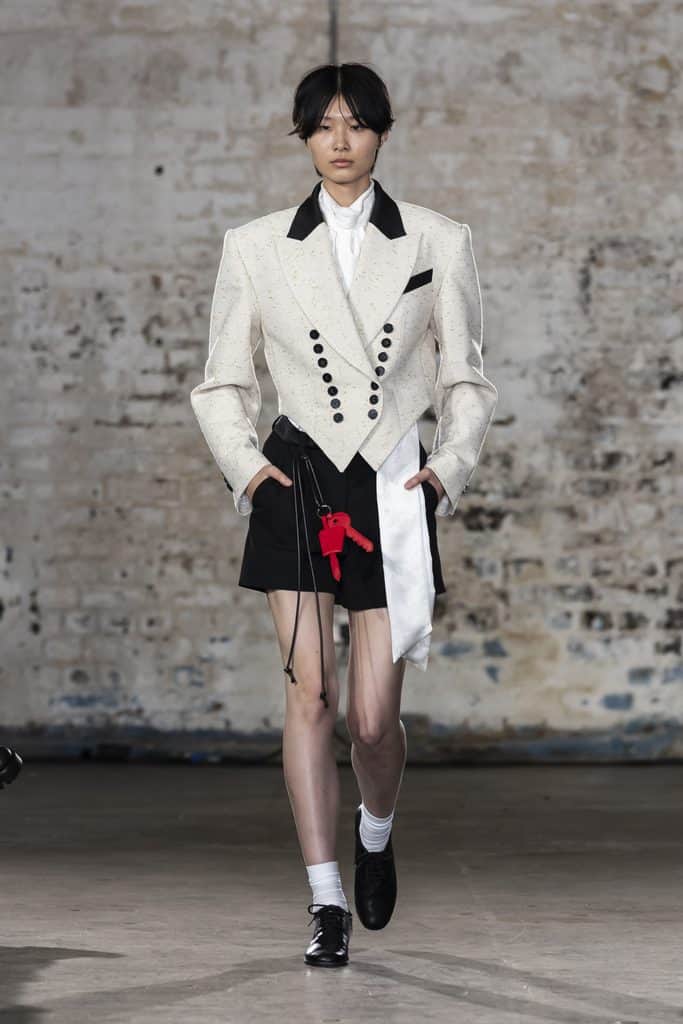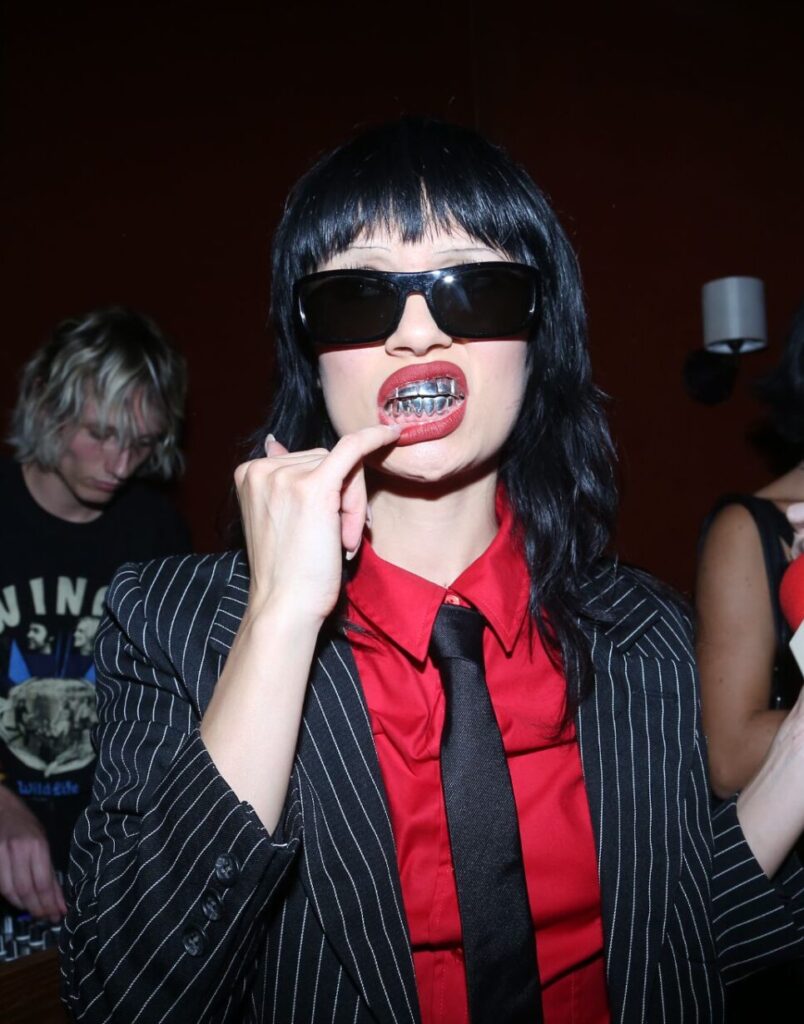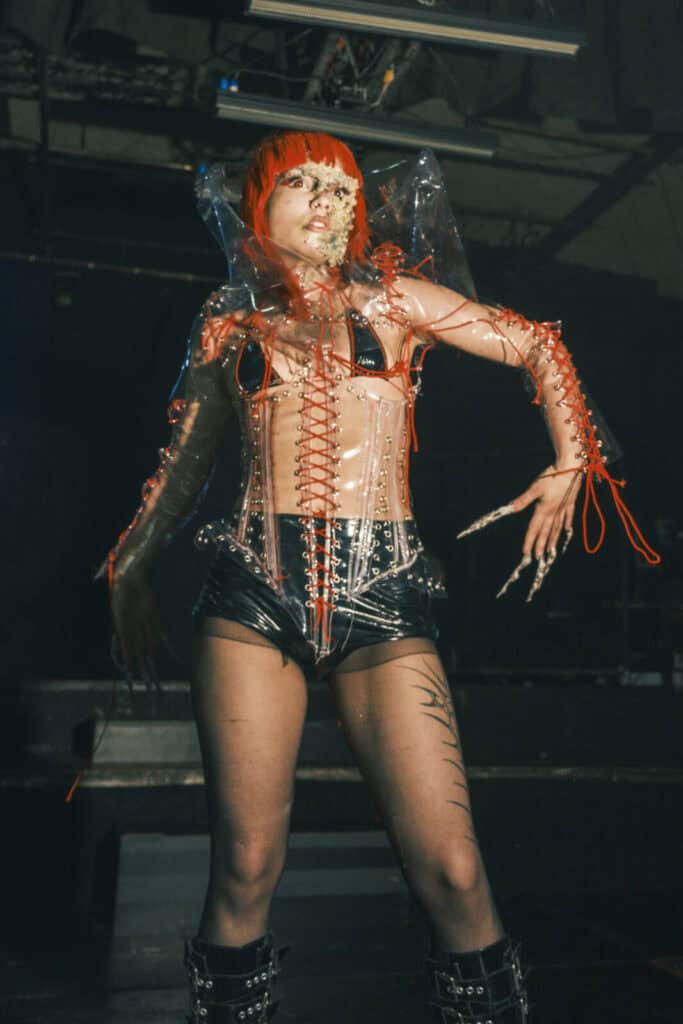
In Argentina, where the far-right president is cracking down on protests and cutting femicide from the penal code, it’s hard to stick to a conventional runway.
Feminism, wokeism and “gender ideology” are, apparently, undesirable threats on a mission to destroy the family. Javier Milei is stripping workers of rights, slashing welfare and abolishing trans employment quotas. With that backdrop, a defiant anti-fashion show in Buenos Aires found its natural setting not in the capital’s fashion week, but at the queer underground rave HiedraH.
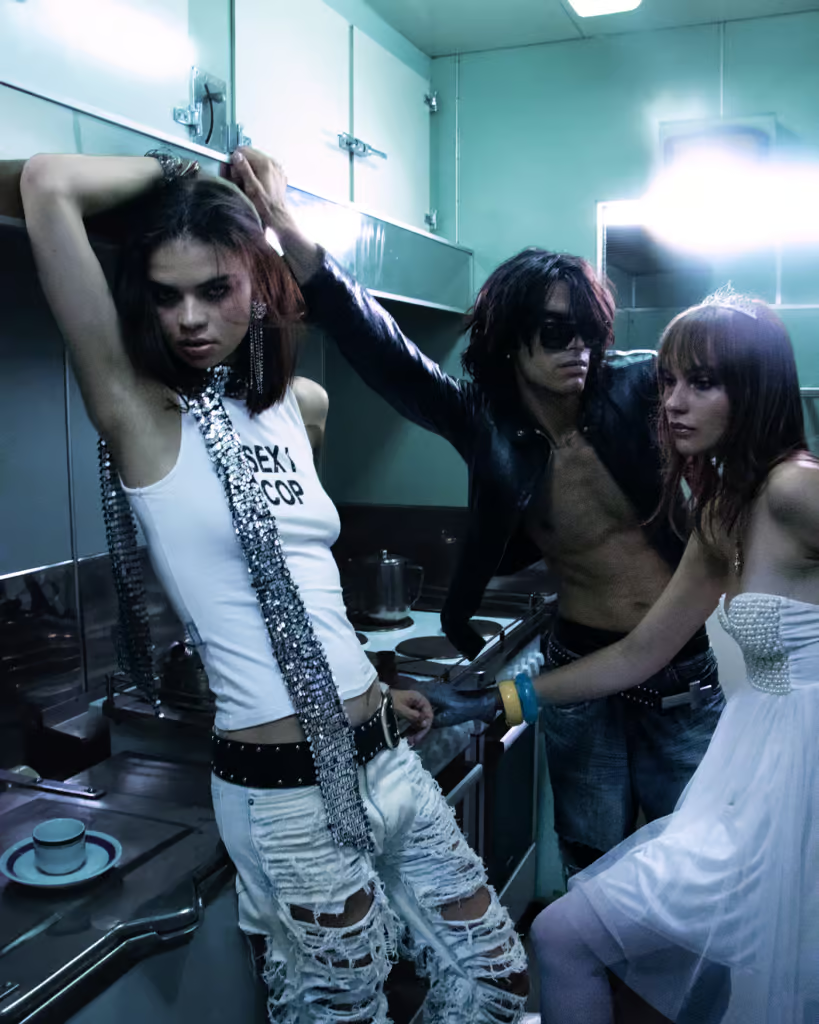
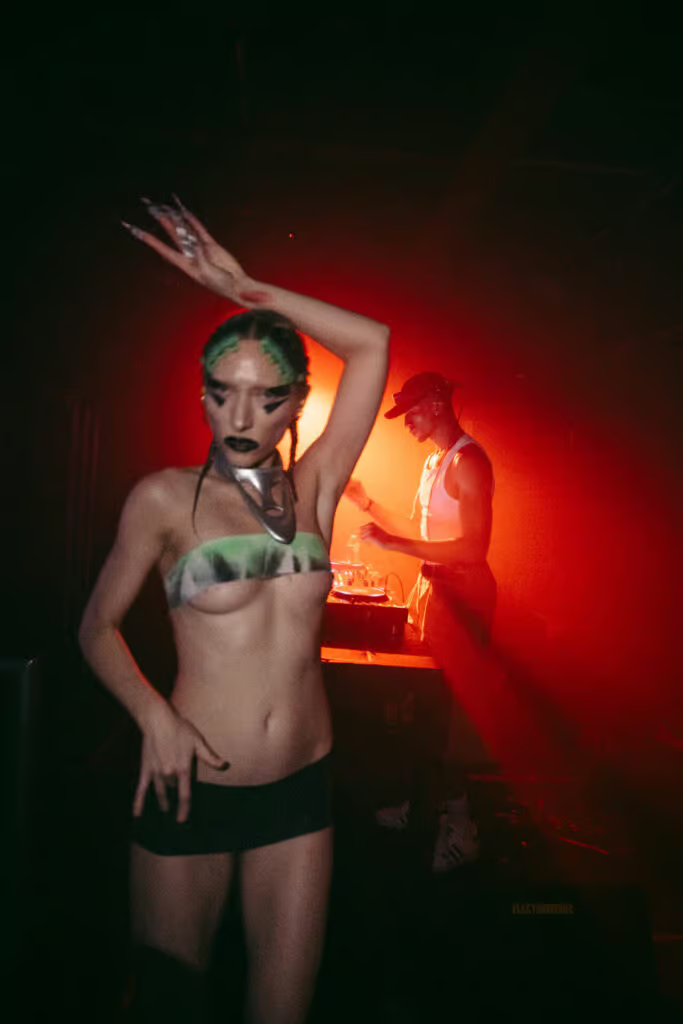
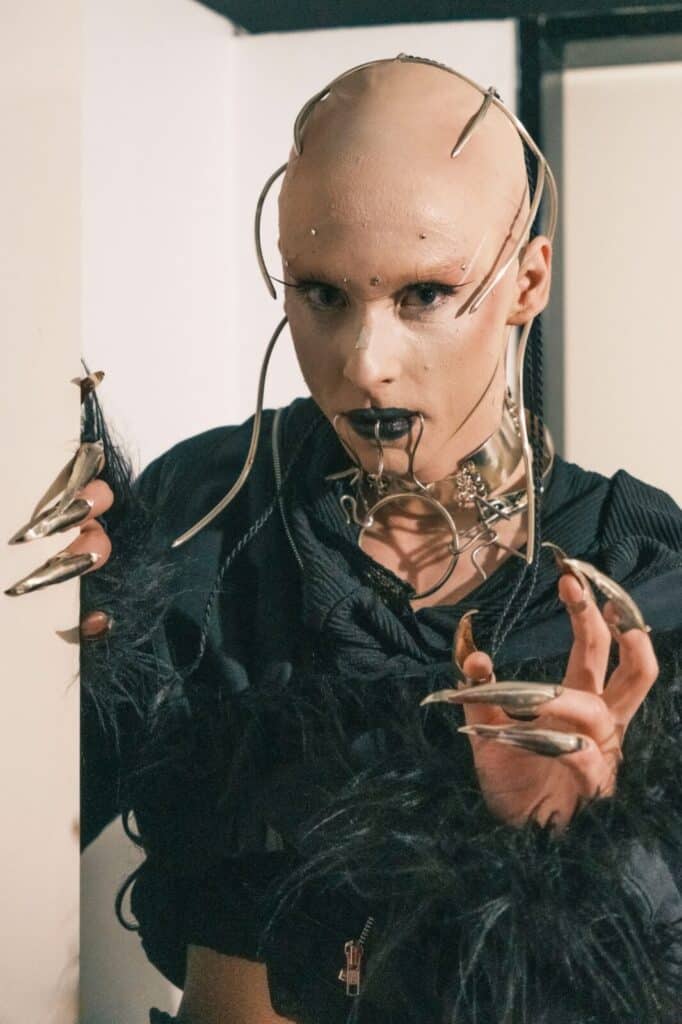
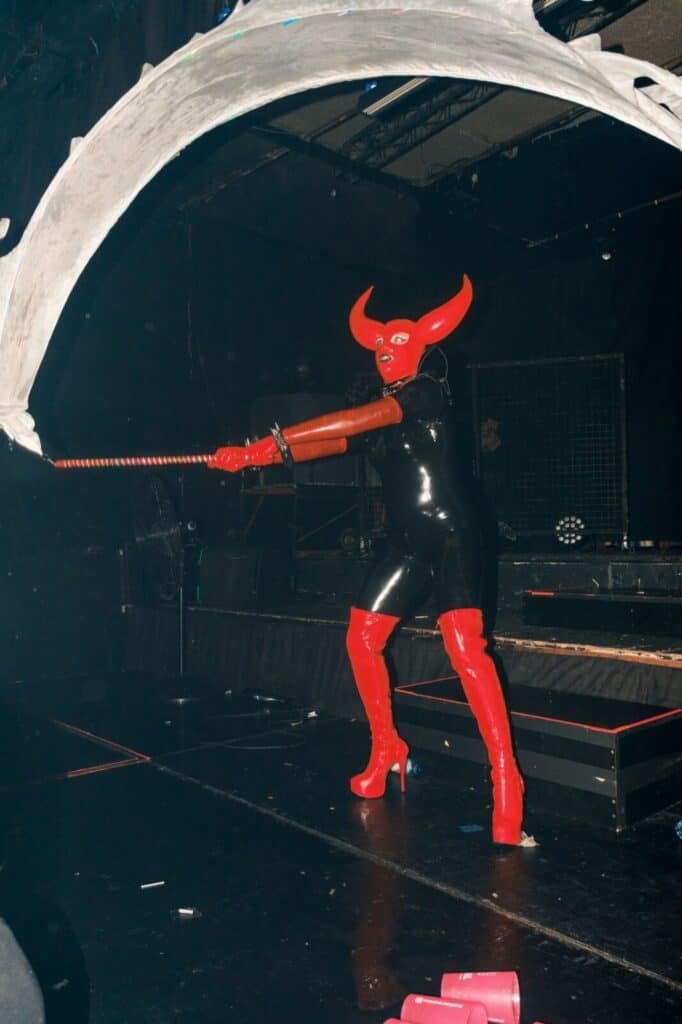
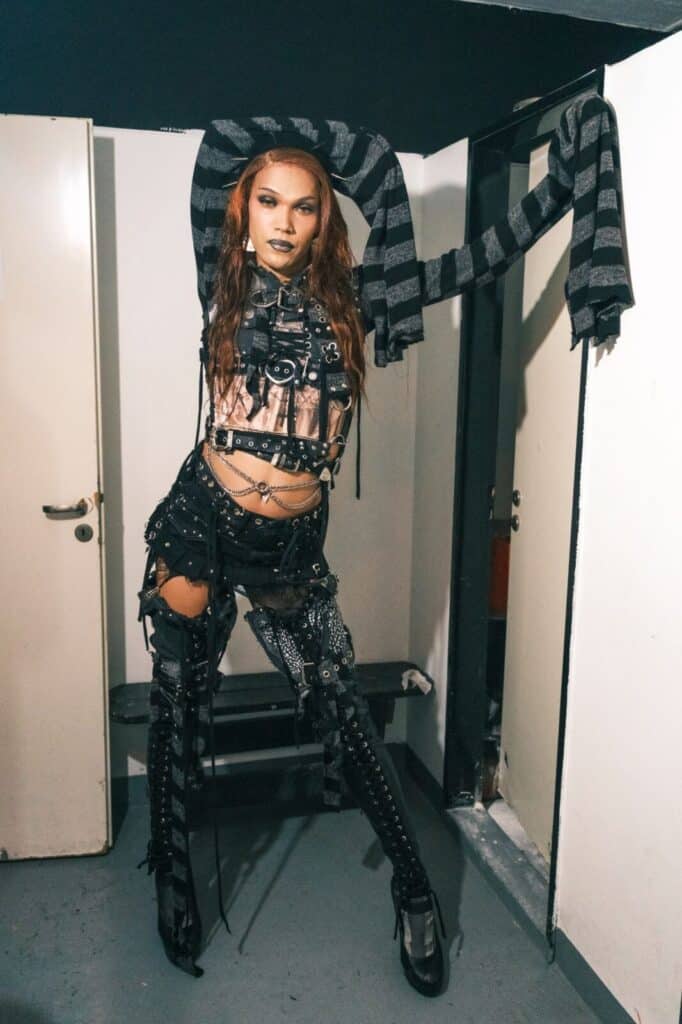
For over a decade, record label and queer rave HiedraH has been a cornerstone of Buenos Aires’ LGBTQ+ nightlife. On June 13, it united with the clothes shop ANTI, which represents over 50 emerging and queer Latin American designers “defying the boundaries of the binary, hegemonic fashion industry”. Together, they hosted a fashion show named La Forma del Colapso (The Shape of Collapse).
“It reflects the experience of living in Buenos Aires today: a city where instability is constant and transformation is a necessity,” the organisers explain. “Within the queer underground, collapse is not an ending but a catalyst for change.” Through distorted silhouettes and radical forms, the show celebrated underground club culture and LGBTQ+ communities as spaces where new ways of existing, relating and imagining the future can emerge.
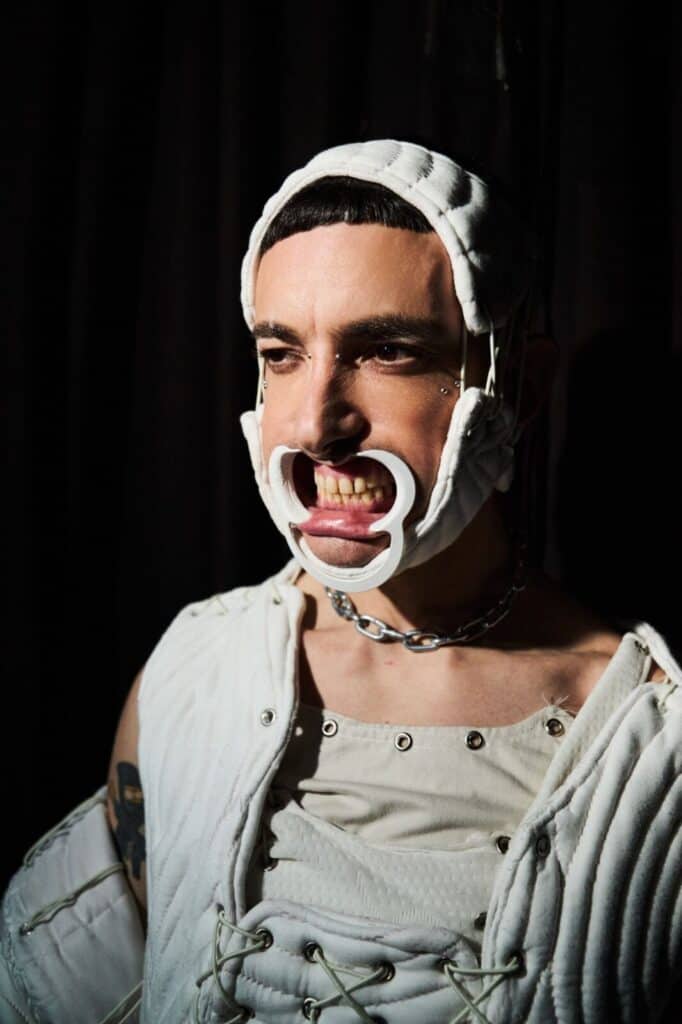
ANTI stays true to its name. Founded two years ago, it provides an income for designers who would “rather disrupt and transform than fit in”. They explain: “Here, reality is inverted: the bad becomes good, the ugly becomes beautiful, and the weird becomes special.” ANTI is a world away from Buenos Aires Fashion Week, which is perceived as where truly innovative design goes to die – and where TikTokers line the elitist front row.
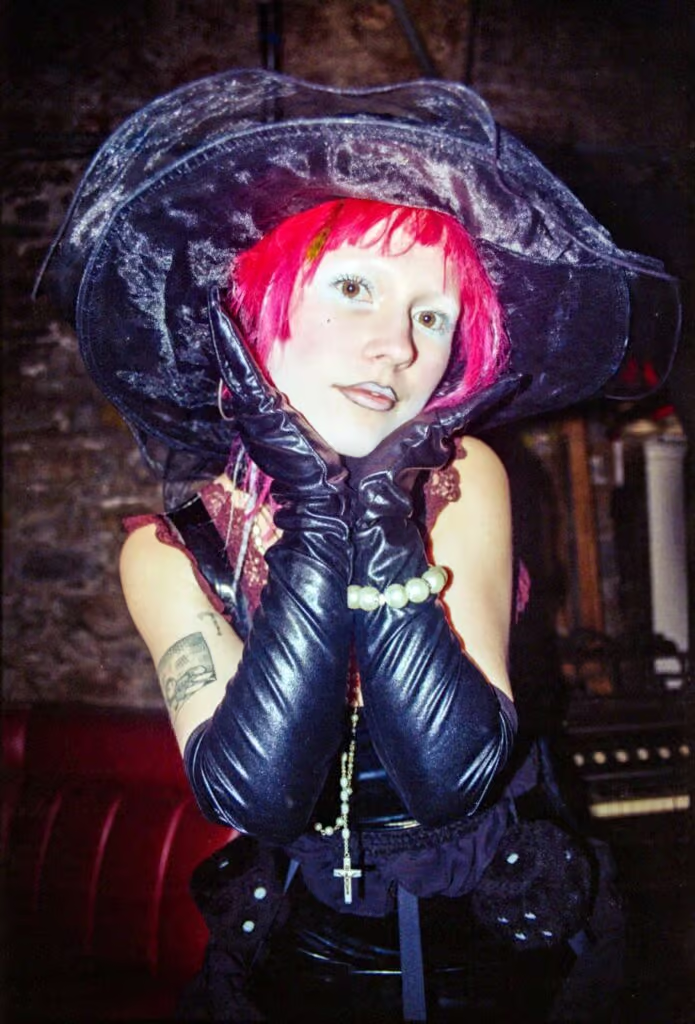
On a trip to Buenos Aires, I check out ANTI’s shop one afternoon. The fits blend kitsch with camp, edgy with trashy, and I buy a pair of tights with Paris Hilton’s face on it. It’s on the top floor of a shopping arcade called Bond Street. The graffiti-splattered arcade – Buenos Aires’ longtime scene kid hangout – is the go-to for all things goth, techno and kawaii: corsets, harnesses, combat boots, fake Vivienne Westwood and tooth gems. Going to Bond Street is a ritual, my local friends tell me. It’s a place to be seen, so “gothing up” beforehand is mandatory.
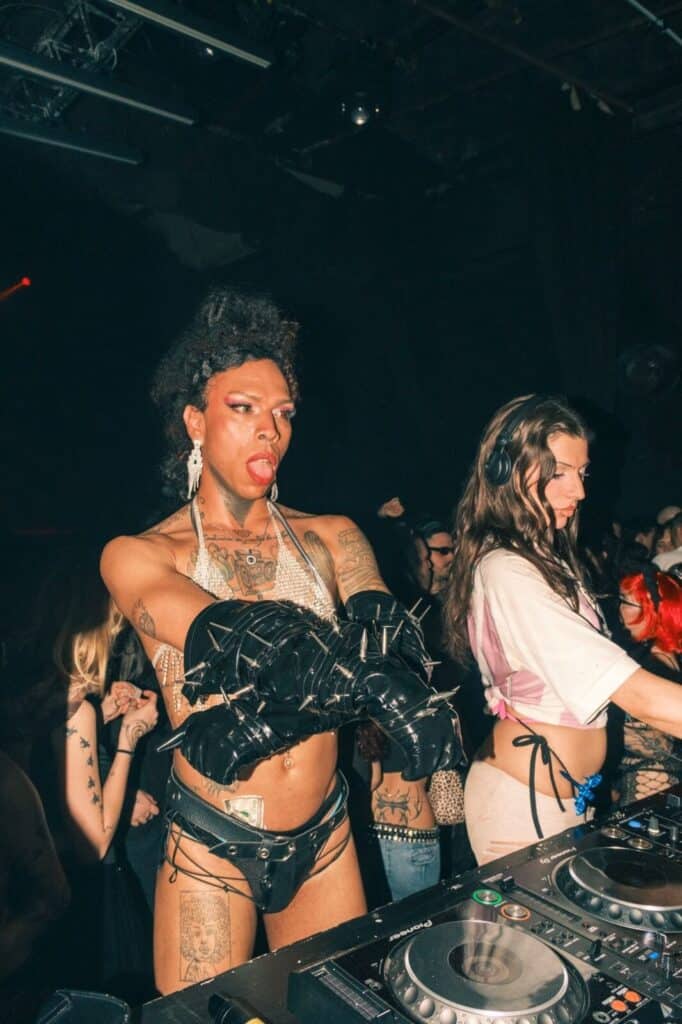
After dark, I find myself whizzing along on an Uber Moto, hanging on for dear life and wearing a wonky motorcycle helmet. My driver asks me a question in Spanish: “You know the place we’re going is a gay club, right?”. I’m on my way to HiedraH. “Sí.” In the queer capital of South America, queer spaces were more or less the norm the last time I visited. But attitudes towards the LGBTQ+ community are changing, according to the National Observatory of LGBT+ Hate Crimes, with hate crimes against queer individuals rising by roughly 70 per cent last year, mostly against transwomen.
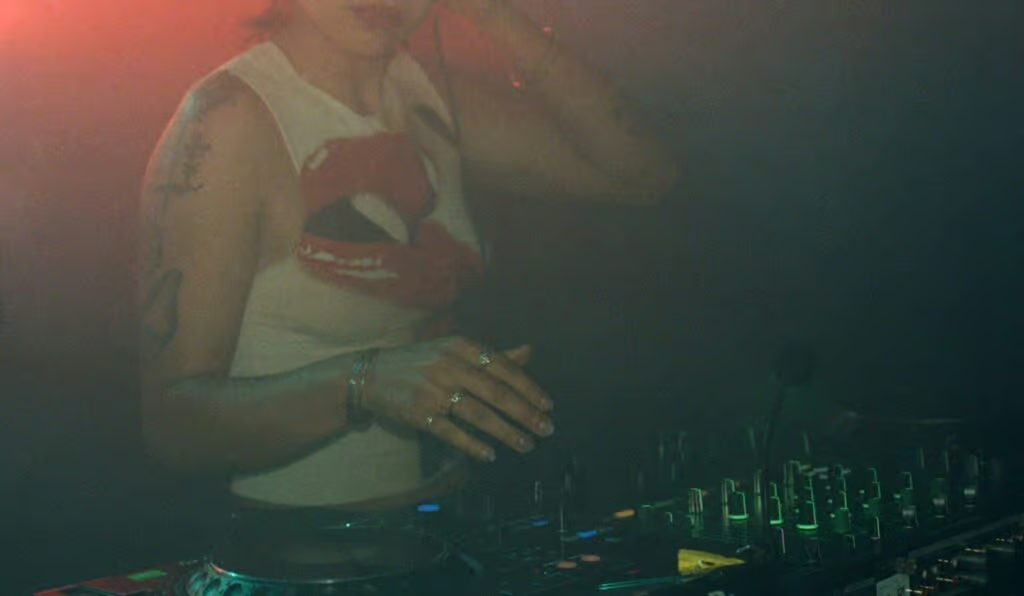
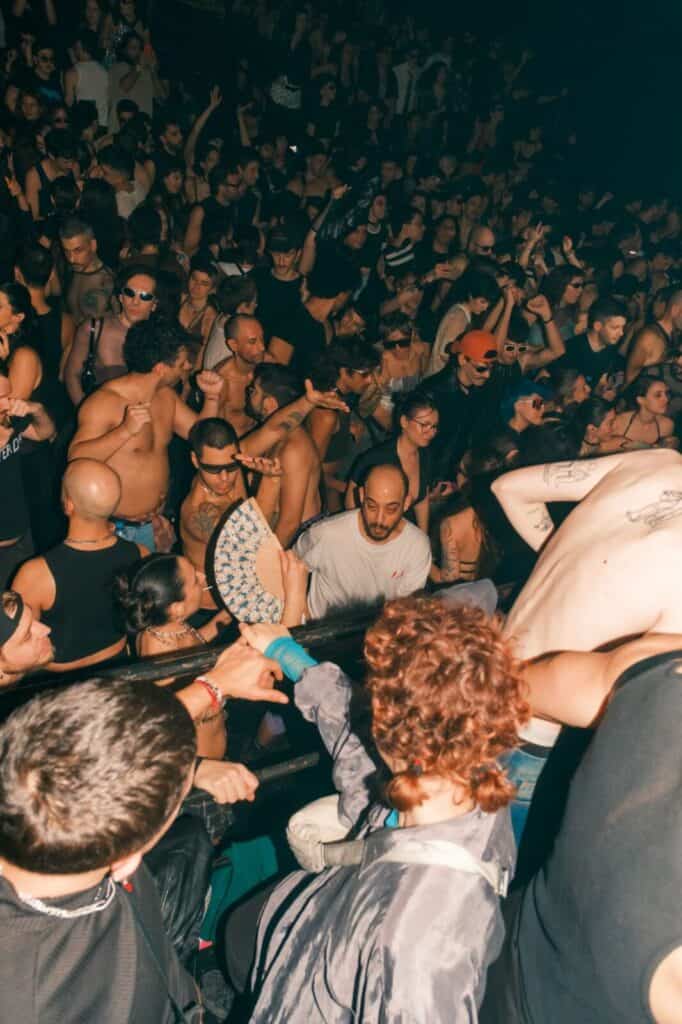
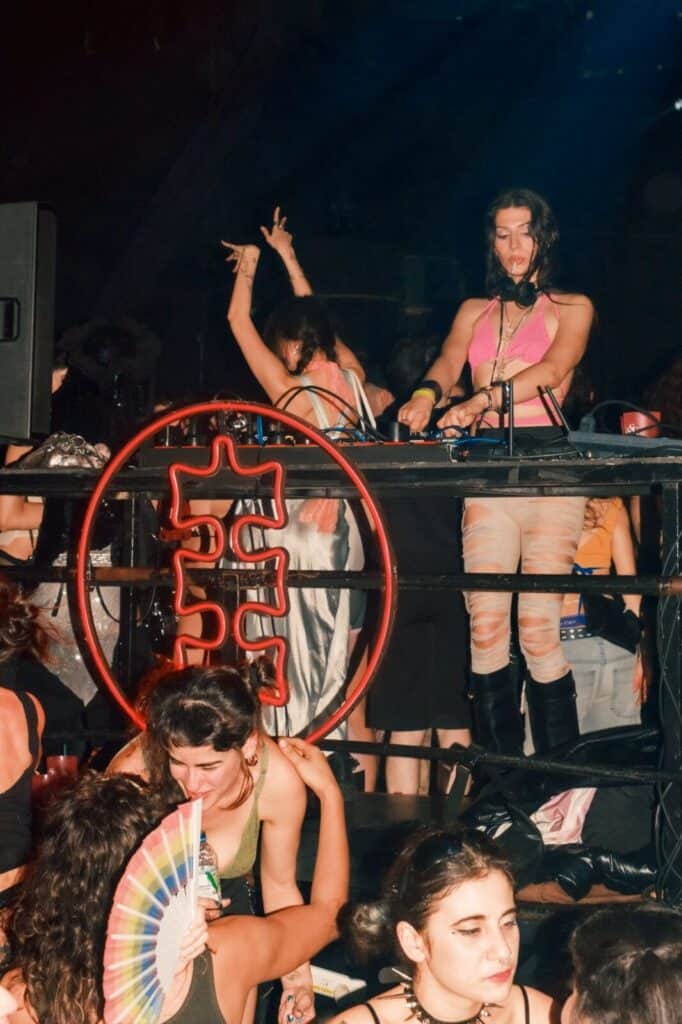
The club night I discover is a magically sweaty, pulsating space that electronic, neoperreo and electroclash artists including Six Sex and Valentina Spirito from 999 have called home. A girl I know from the underground punk scene from years before clutches my hand, and a couple lets me third wheel. The HiedraH team explain to me how queer identities, in nightlife, find greater freedom to explore their aesthetics, desires and ways of being. “More than entertainment, queer nightlife is a space where new forms of expression emerge. It’s where fantasies that challenge the binary and hegemonic structures of the fashion and music industries can take shape.”
Since 2013, HiedraH’s central objective has been to “make the periphery visible through rhythm and utilise the experimental possibilities of electronic music as a principal tool of discourse.” The record label and rave is “at the forefront of the renewal of electronic music hybridized with Latin American sounds: a contested term that we embrace, and that has been an important part of our history.”
Both these collectives are united by a common ground. As ANTI put it: “We are perceived as dangerous people because of how we dress, which led us to develop a tougher exterior to endure it. We have a tender and uninhibited side when we feel safe and out of danger. And another tough and rebellious side when we are fighting against society’s prejudice.”
Designers
@whatisreal__ + @desarmadero.joyas
@naranjastoned + @lacryma.ar
@sike.plotdeath + @neon.witches
@trashykween + @nerviossa
@ripdealer + @bendecidoyrico
@fvck.doll_ + @asifstore__