
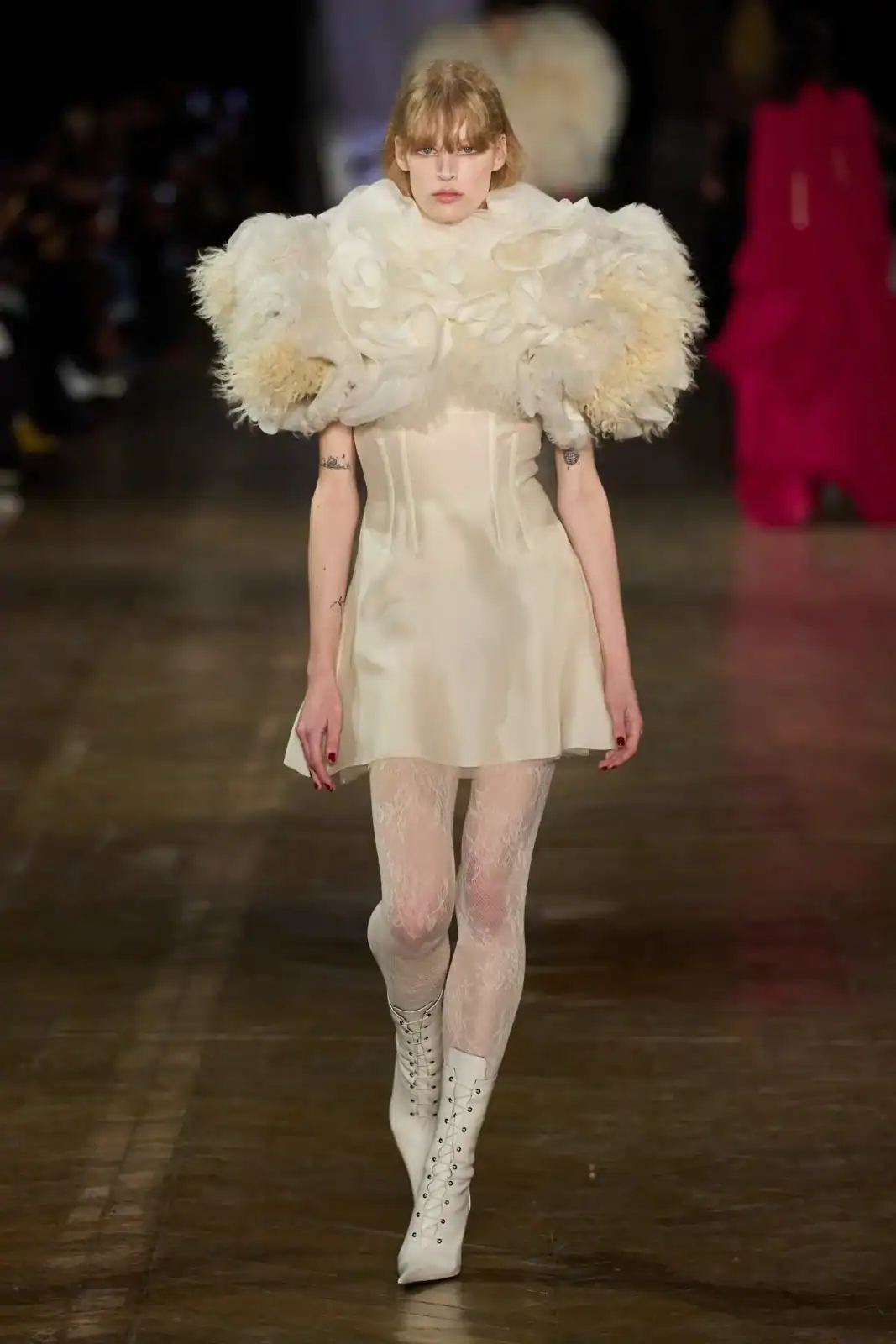
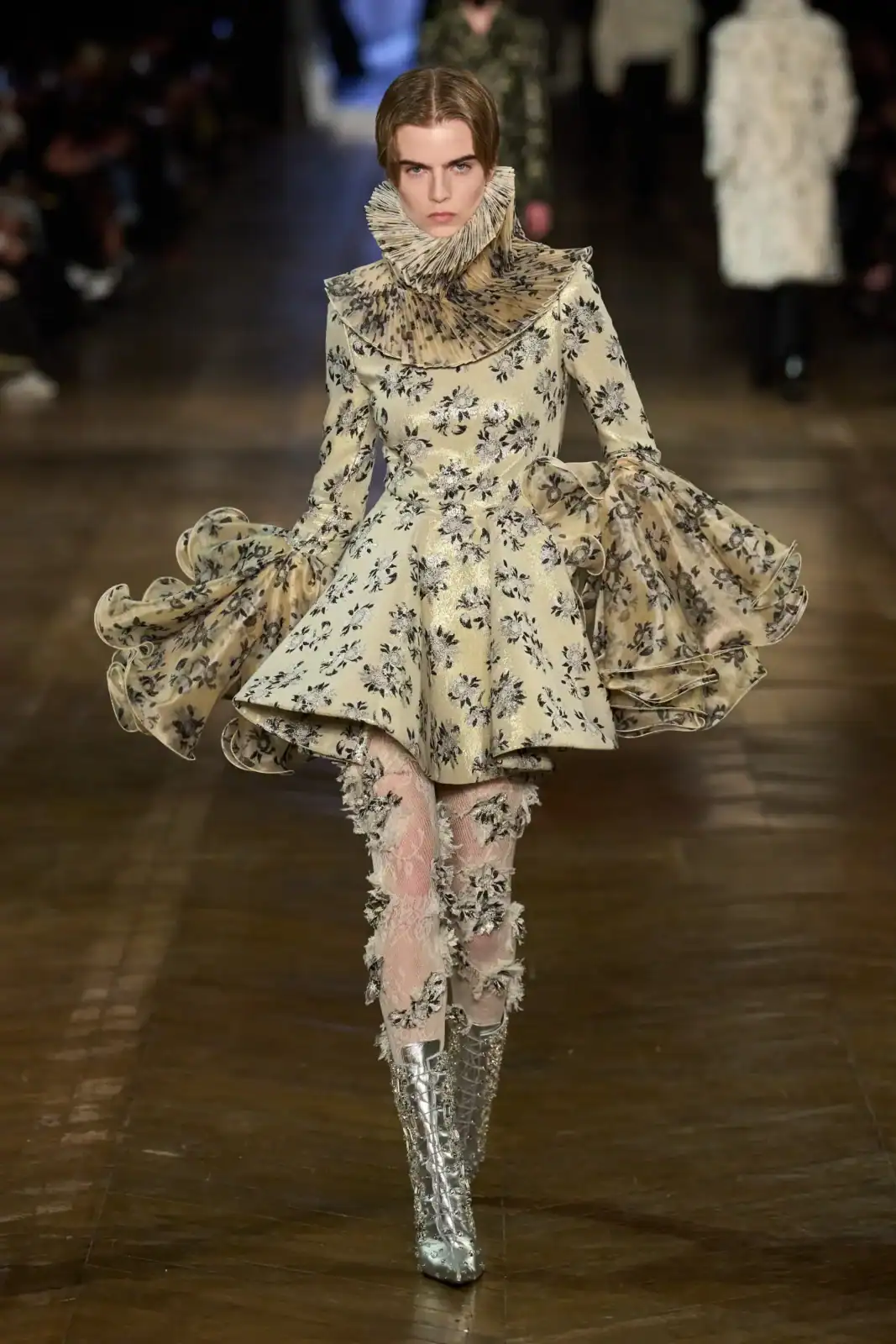
McQueen AW25 Vogue Runway
This season, London is celebrating a very special homecoming. For the first time in 25 years, McQueen will be showing its Ready-To-Wear collection in its home city for the Spring/Summer 2027 season. For creative director Seán McGirr, who works out of the house’s Clerkenwell headquarters and still treats the city’s galleries and streets as research material, the return is personal. “London has always been at the heart of McQueen,” he said, “there’s a uniquely visceral energy to the city that runs throughout the house’s history.” But strip away the sentiment and something bigger is happening; this is the most anticipated show of the entire London Fashion Week calendar, and its outcome may say more about the future of London Fashion Week than about McQueen itself.
The last time McQueen showed in its home city was under Sarah Burton for the Spring/Summer ‘22 collection, which was staged under a transparent dome in East London. For the first time since Burton’s departure, McQueen returns to London. This time not as a one-off homecoming, but as an official return to the London Fashion Week schedule.
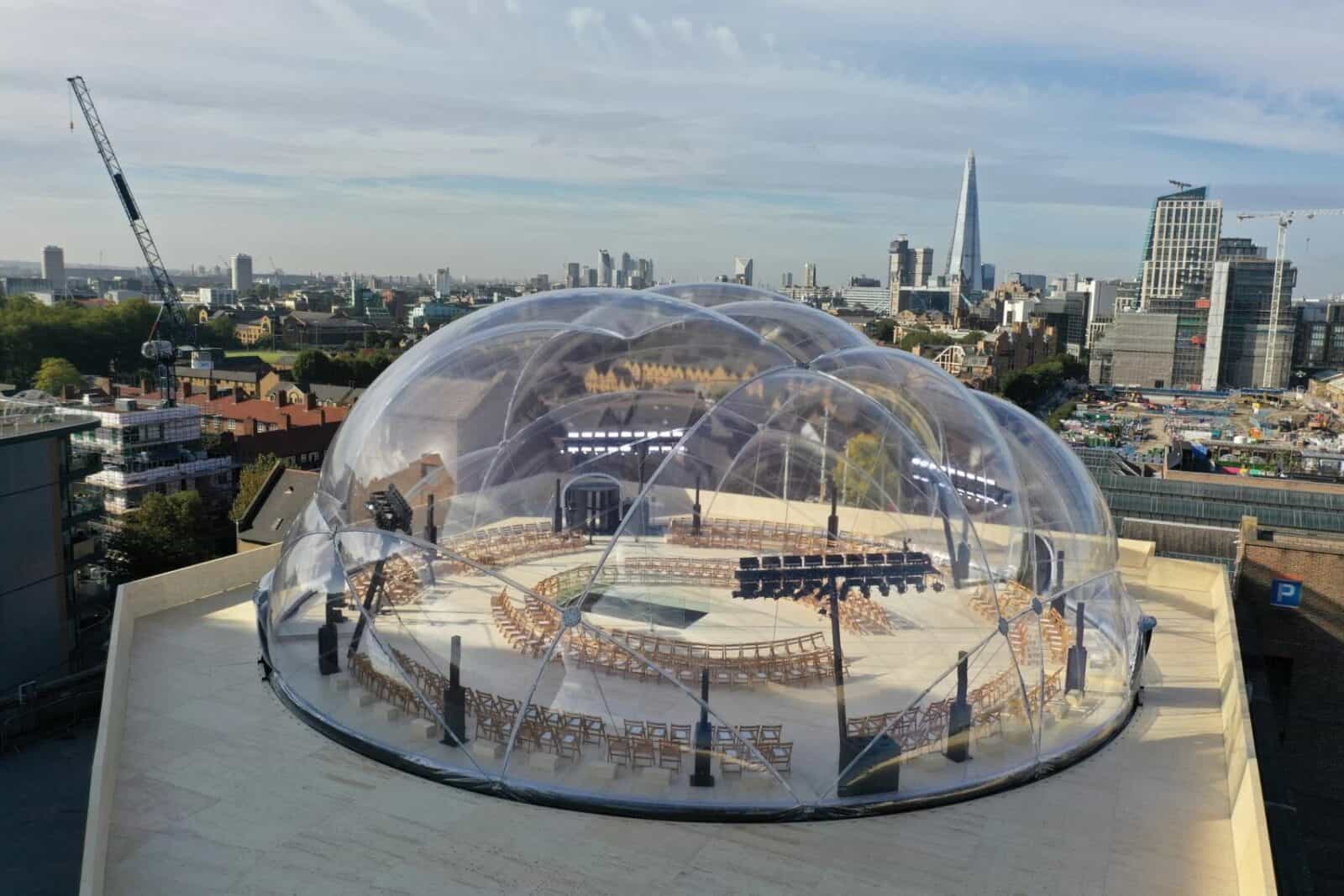
SS22 London
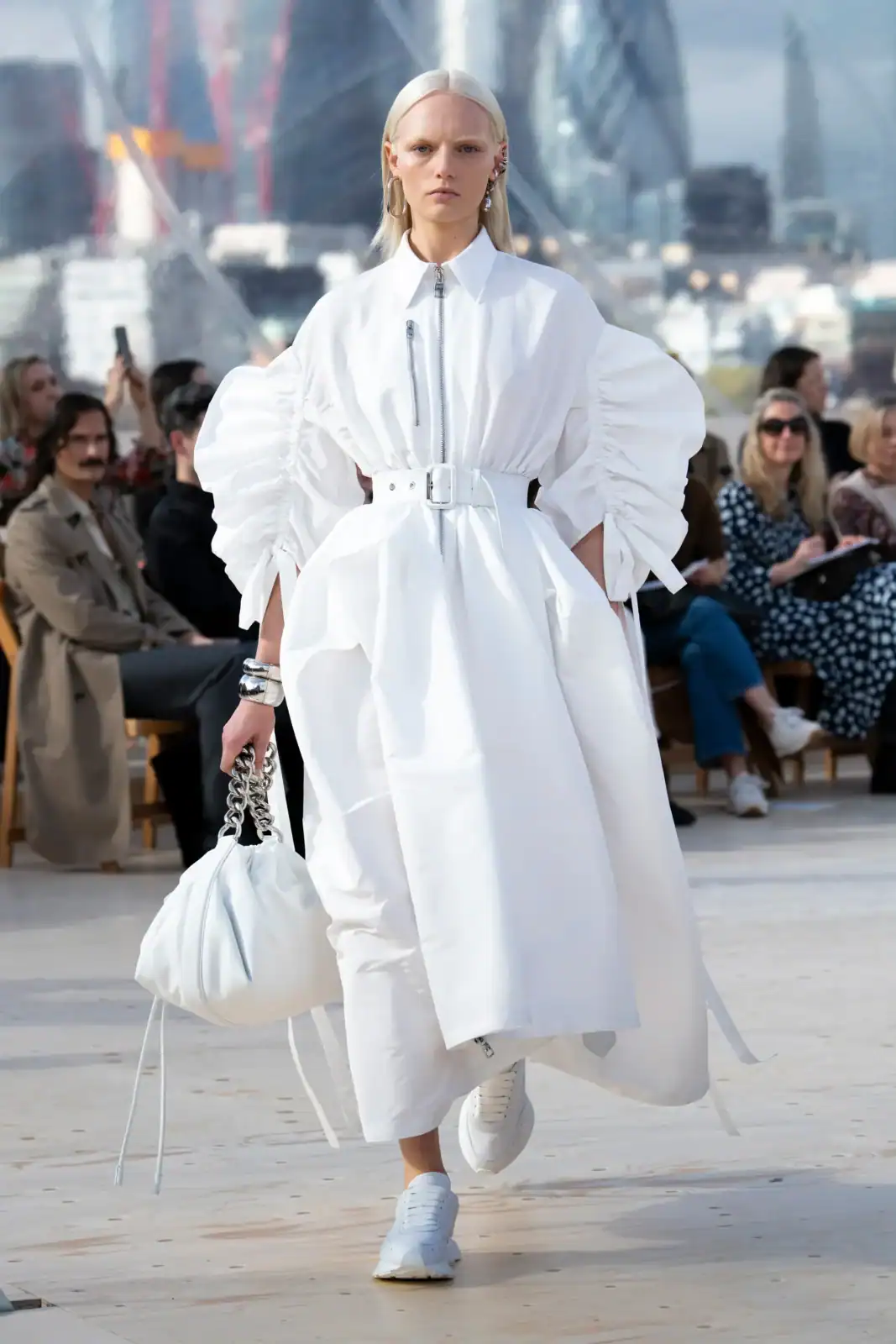
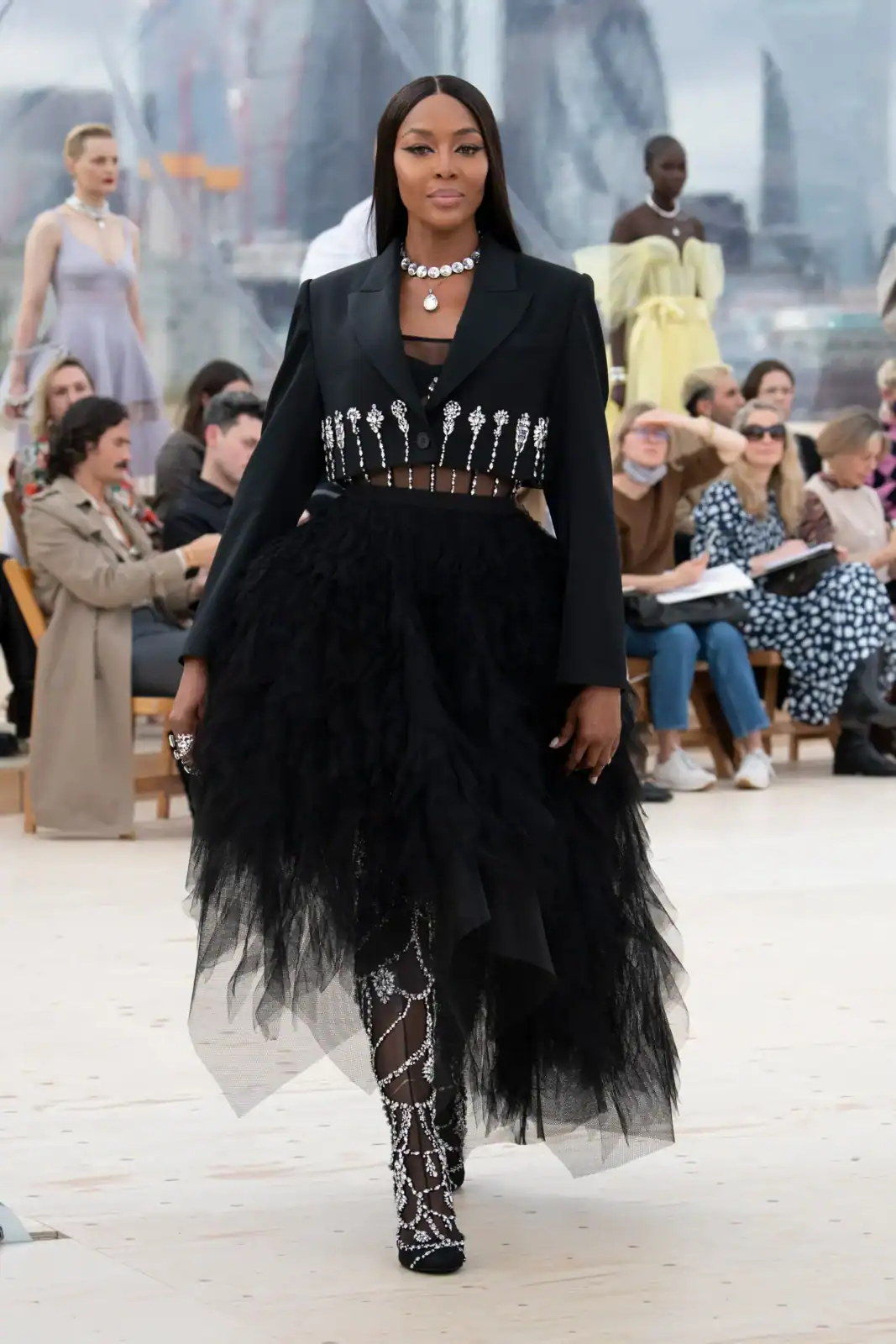
SS22 Vogue Runway
London is where designers take the risk that a more polished market might not forgive, while Paris is where you go to be immersed in a fantasy. Couture week, savoir-faire, generations of technique refined into something close to art. But it isn’t daring in the way London is. Twenty-five years after McQueen left, that’s still the divide. This homecoming is London’s chance to prove that it can still produce icons.
McQueens significance comes down to the way he fundamentally shifted what fashion was allowed to be. He treated a runway show as performance, sometimes even as something closer to theater or installation art than a commercial presentation. His shows had arcs, characters and endings. He drew from art history, from film, from his own psychology, in a way that made the industry start taking fashion seriously as a medium for ideas, not just as clothing to be sold. That shift is a large part of why, three years after his death, the Met’s “Savage Beauty” retrospective became one of the most attended exhibitions in the museum’s history, proof that his work held up as art, not just as fashion.
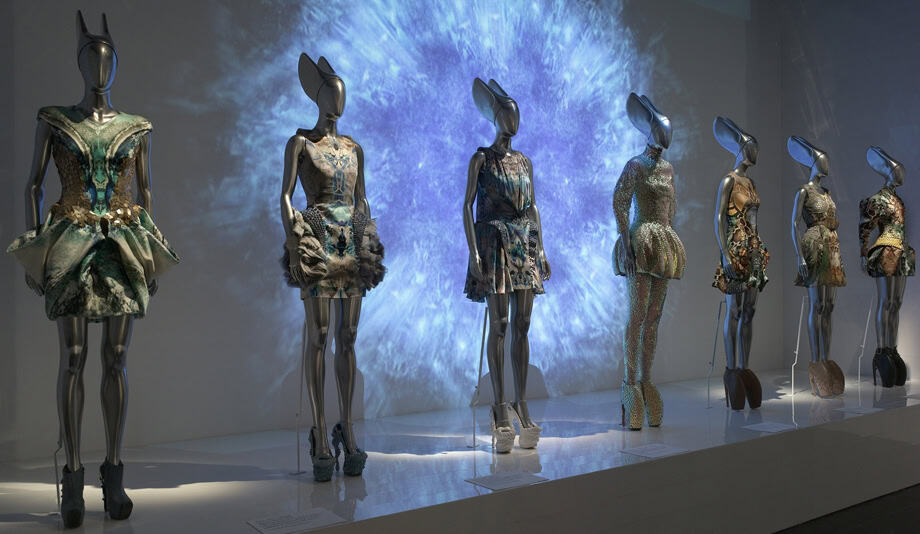
Gallery photography by The Photograph Studio, The Metropolitan Museum of Art, Savage Beauty Exhibition
He’s also a singular figure in a way most heritage house founders aren’t. Most brands eventually flatten their founder into a logo or a set of house codes. McQueen never got the chance to fade into that kind of comfortable legacy. His death in 2010 froze him at the height of his creative power, which means every successor is being measured against a person whose work never had the chance to age or dilute.
There’s also a less obvious thread connecting McQueen to this moment. Sarabande, the foundation Lee McQueen founded in 2007, has spent nearly two decades funding and mentoring emerging designers based in London, offering studio space, grants, and scholarships to the kind of early-career talent that might otherwise leave the city before they ever get the chance to build something here. London’s problem isn’t a lack of creativity, Laura Weir, CEO of the British Fashion Council, said, it’s a lack of infrastructure to help designers make, show, and scale once they’re ready to grow. Paris and Milan offer something London has struggled to match, the production capacity, the manufacturing relationships, the sheer machinery of a mature luxury system built to support a house at full scale. A young designer can launch in London. Growth has meant going elsewhere.
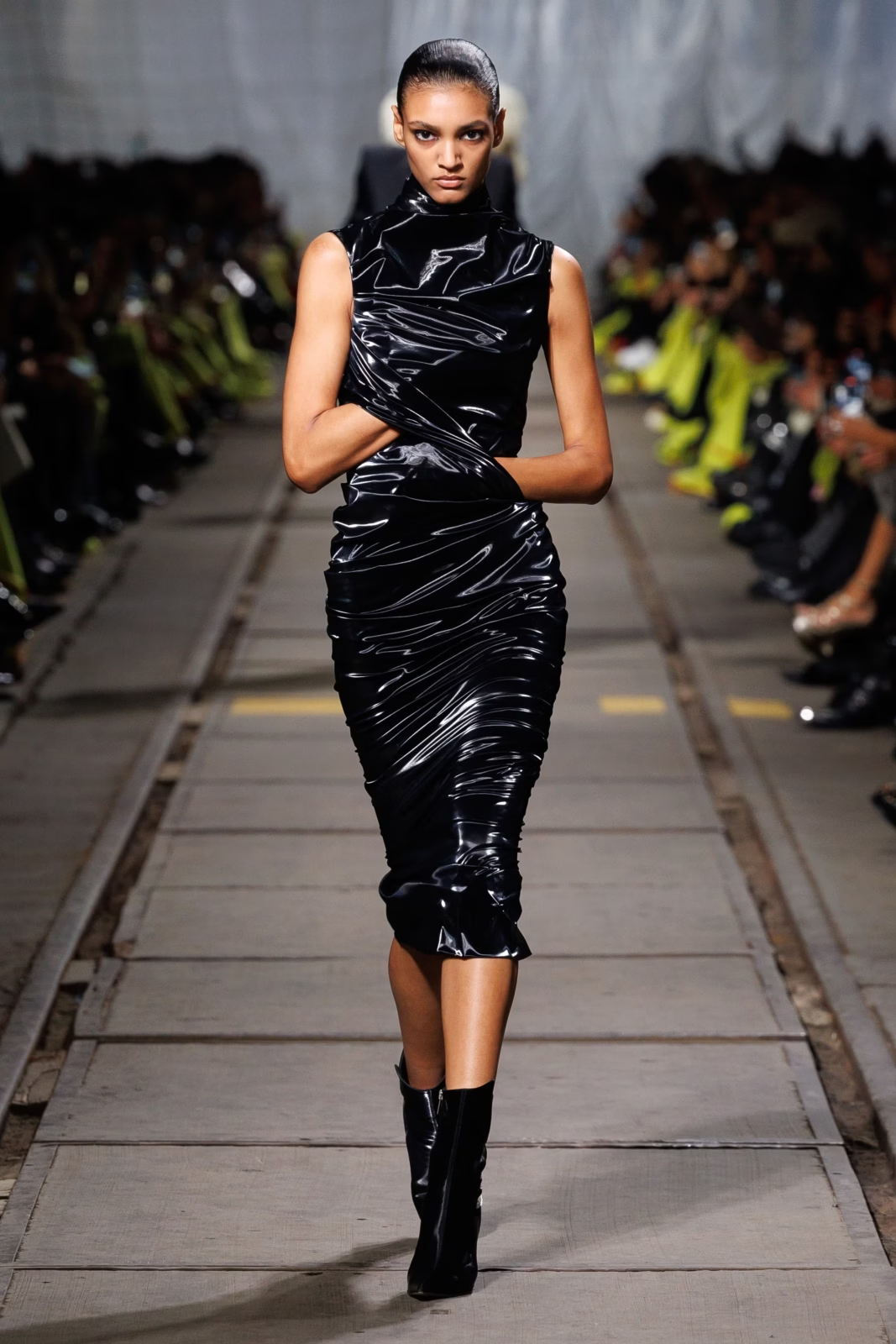
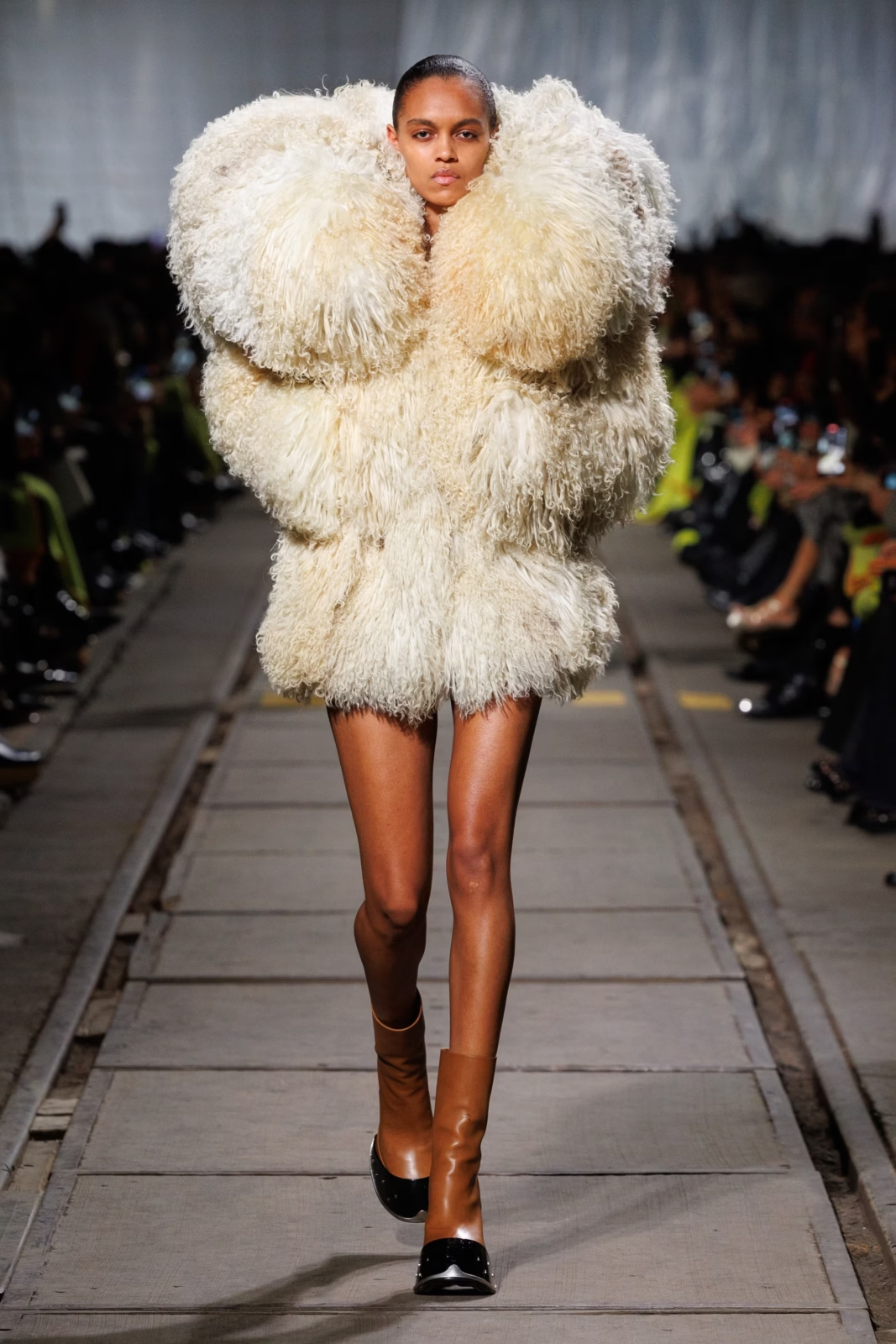
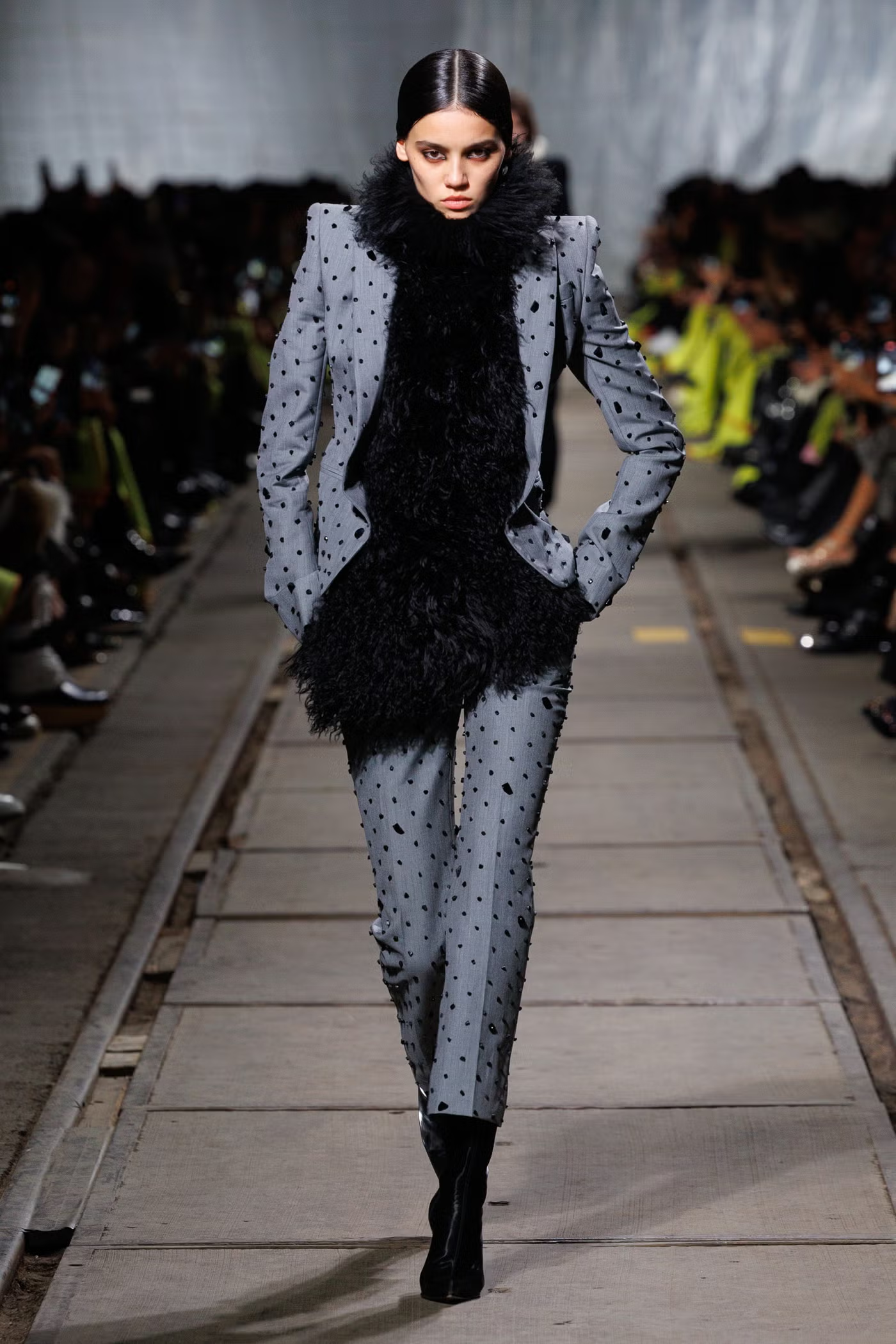
McGirr’s 2024 debut drew specific criticism, most of it aimed at tailoring that didn’t quite carry McQueen’s signature precision, even as the staging and mood were praised. But the shows since have leaned harder into psychology and atmosphere, the kind of theatrical instinct that reads closer to the house’s founding identity than to Paris’s polish, and critics have taken notice. His most recent collection was described as the moment he finally found his voice.
Either way, London Fashion Week has spent the last few seasons fielding versions of the same question: whether the city can still compete with Paris, Milan, and New York, or whether it’s destined to keep developing talent it can’t hold onto. McQueen’s return won’t answer that on its own but it’s the biggest test case London has had in years. Whether McGirr can deliver on that will be worth watching.


