
News that Charli XCX will star in and produce Japanese director Takashi Miike’s next film has surprised fans of both artists. (There are dozens of us!). With a release slated for some time next year, the untitled project will be a slasher flick set in Kyoto, with a screenplay by Ross Matthews and Yumiko Aoyagi that involves a requisite J-horror vengeful ghost.
If you follow Charli on Letterboxd, you’ll have known about her weird-girl cinephile credentials long before the release of ‘Music, Fashion, Film’. But it still seems like an unlikely combination, a pop princess at the top of her game joining forces with Takashi Miike, the notorious pioneer of Japanese extreme cinema.
Since I heard about this collaboration, I’ve experienced my own unhinged curse: I cannot listen to a Charli song without assigning it to a Miike, Takashi film. Because they don’t work together, but they also kind of do. Whether it’s ultraviolent gross-out cinema or messy hyperpop bangers, there’s a kind of fuck-you hyperbole in both Miike and Charli’s work as the two artists play with genre conventions to make something at once eerily familiar and audaciously new.
So, if you’re new to cinema from Takashi Miike, here’s a list of his films that are kind of, sort of like Charli XCX songs, but with many more scenes of gore and torture. And if you’re new to Charli, here’s a list of her songs that are kind of, sort of like Takashi Miike movies but with many more scenes of women having a normal time.
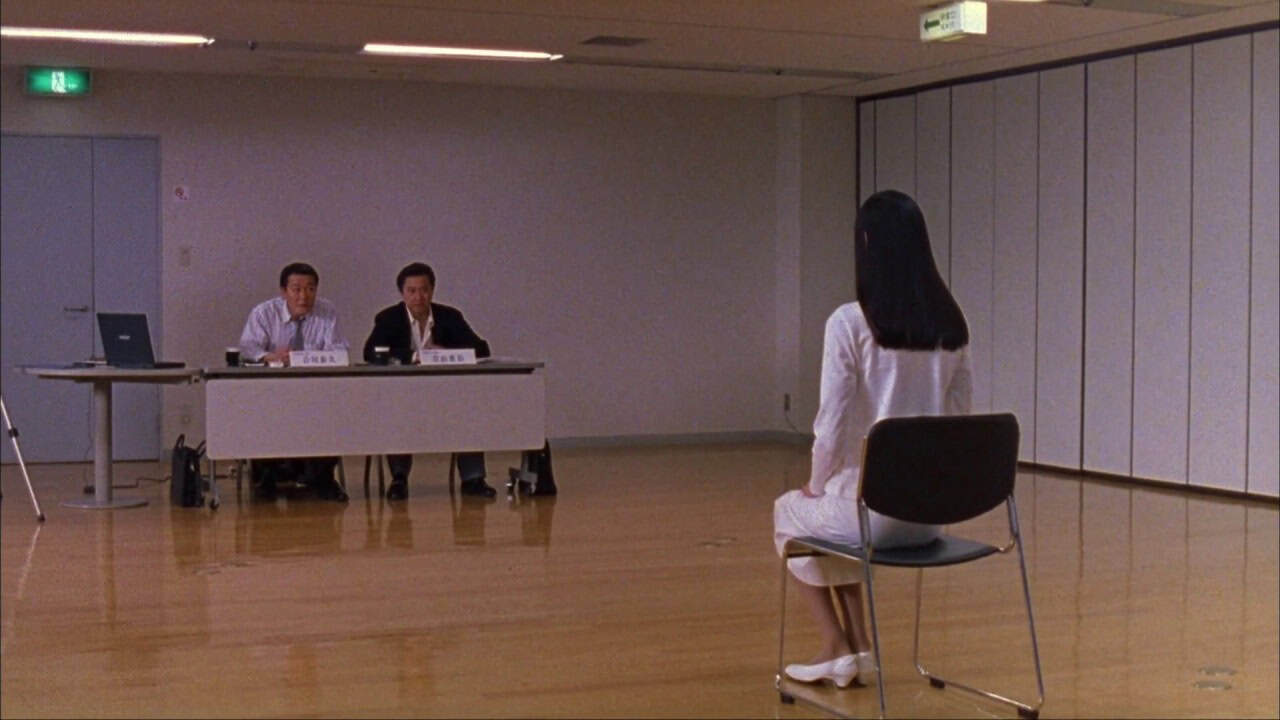
Audition (1999) – Track 10
I blame it on your love every time I fuck it up
I blame it on your love, I do
I blame it on your love, I can’t help it, I can’t stop
A chopped and reworked version of the more straightforward pop offering ‘Blame it on Your Love’ featuring Lizzo, ‘Track 10’ is, like Audition, a twisted take on a genre piece. The drama, the steadily growing intensity, the circular refrain of I can’t help it, I can’t stop, even those twinkling metallic sound effects are irresistibly reminiscent of anti-hero Asami and her quest for the perfect, all-consuming love – at all costs, much like the signature style you find in a Takashi Miike picture.
The Happiness of the Katakuris (2001) – House feat. John Cale
I think I’m gonna die in this house
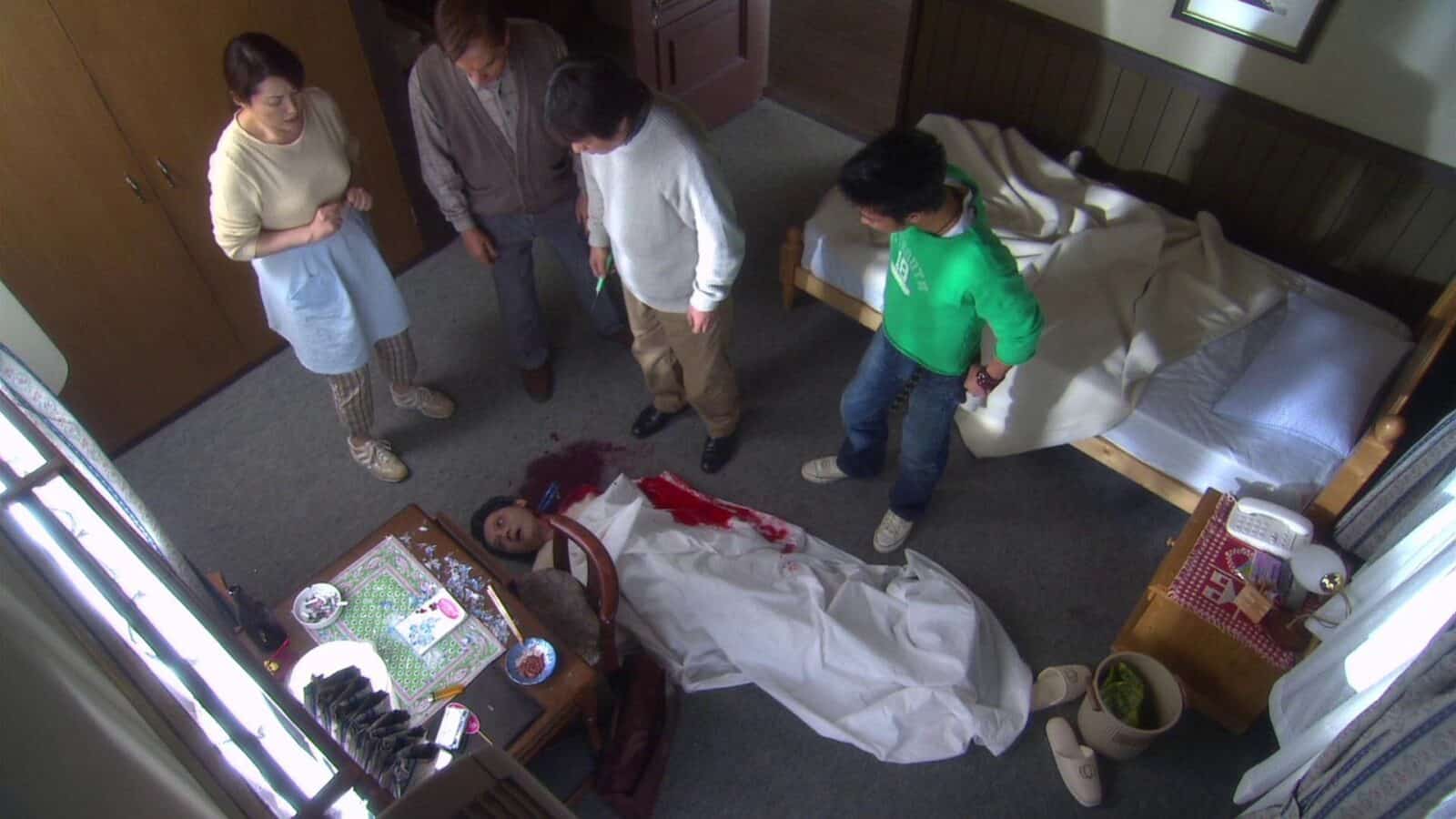
Part claymation, part musical (yes, seriously), The Happiness of the Katakuris focuses on a family who can’t quite catch a break. Things go from bad to worse when guests in their family home-turned-bed and breakfast keep dying under increasingly bizarre circumstances. That being said, the tone of The Happiness of the Katakuris is much lighter than ‘House,’ first single from the Wuthering Heights (2026) soundtrack featuring The Velvet Underground’s John Cale. So perhaps this is for you if you enjoyed the TikTok meme videos it inspired rather than the gothic music video, but it is still distinctly in the bizarre world Takashi Miike is known for.
13 Assassins (2010) – Spring Breakers
Hi, it’s me, you’re all in danger
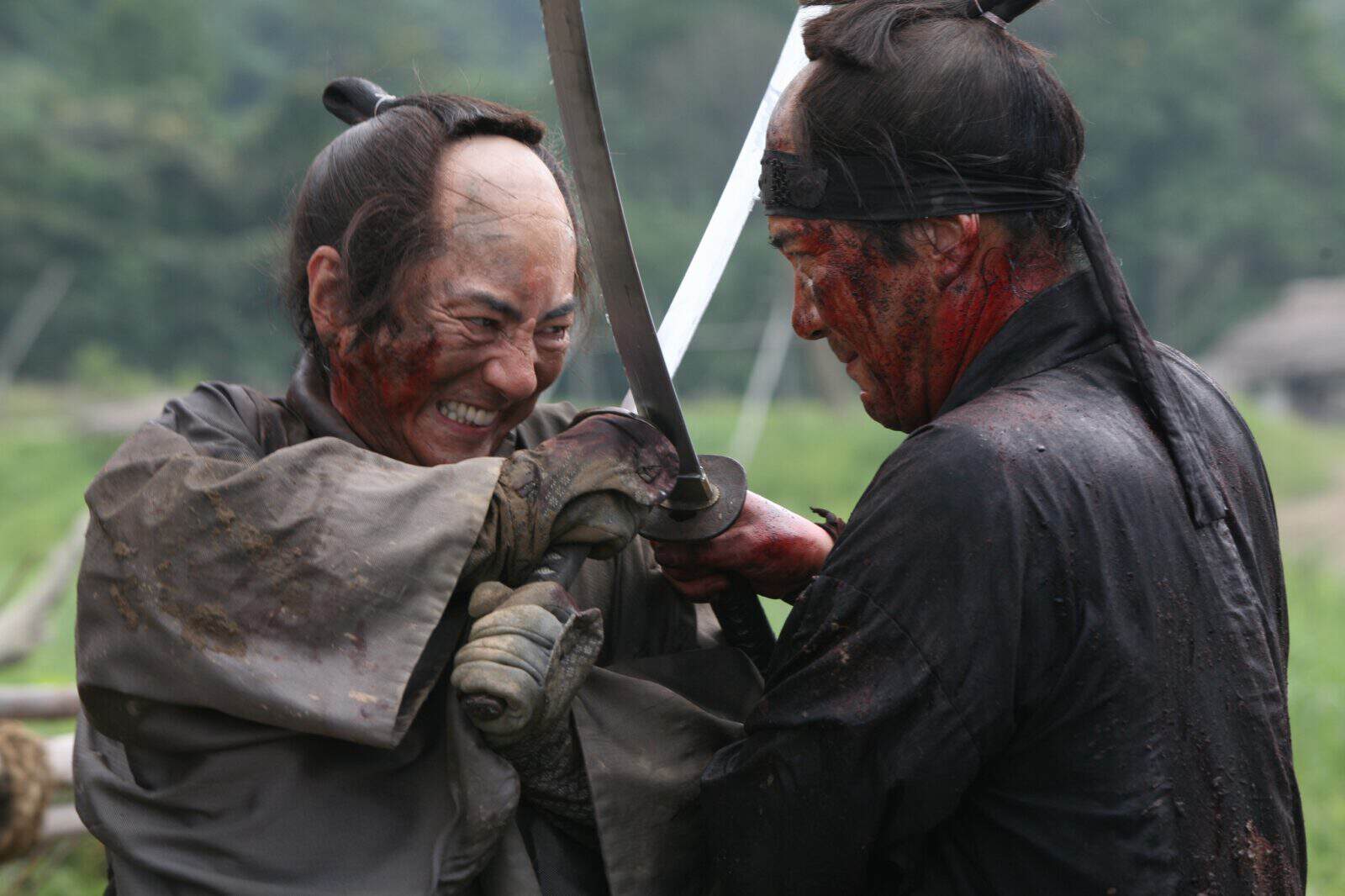
Like ‘Spring Breakers’, 13 Assassins is a tale of kamikaze revenge against the institution, though instead of the Grammys the titular assassins are at war with a corrupt feudal lord. And whilst it’s true that the concept of a ‘detonator’ would be alien to Edo period Japan, ‘Spring Breakers’ is in some ways Charli’s most Miike song – laughing at splattering bodies as she dances her way in and out of the mainstream. You can sense the influence of a director like Takashi Miike in every frenetic moment.
Imprint (2006) – Girl, so confusing feat. Lorde
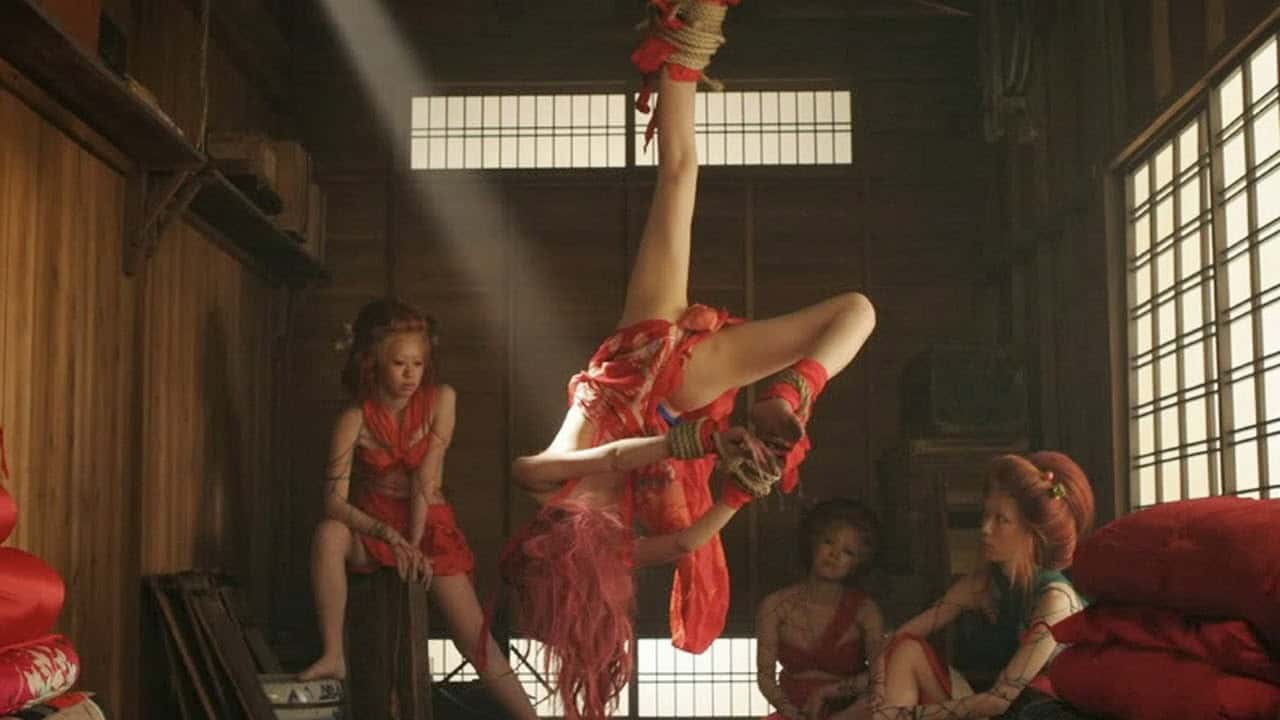
People say we’re alike, they say we’ve got the same hair
Technically a standalone TV episode but included here because Charli dressed as Komono for Halloween in 2024, Imprint is a split-narrative in the tradition of Rashomon – just as ‘Girl, so confusing’ and its remix form one story of differing perspectives. Imprint follows a man searching for his lost girlfriend (Komono) on an island of sex workers. When he requests the services of one such worker she tells him two different stories of Komono’s fate and reveals her ambiguous, parasitic relationship with her. The key takeaway of both, to me at least, is that female friendships do sometimes feel like needles under your fingernails and gums—something that would fascinate Takashi Miike as a storyteller.
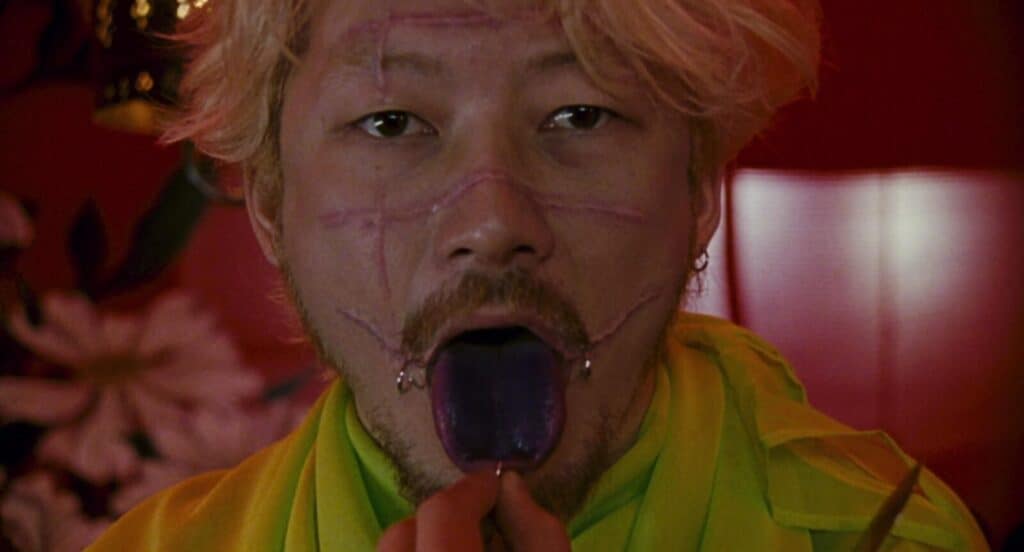
Ichi the Killer (2001) – Rock Music
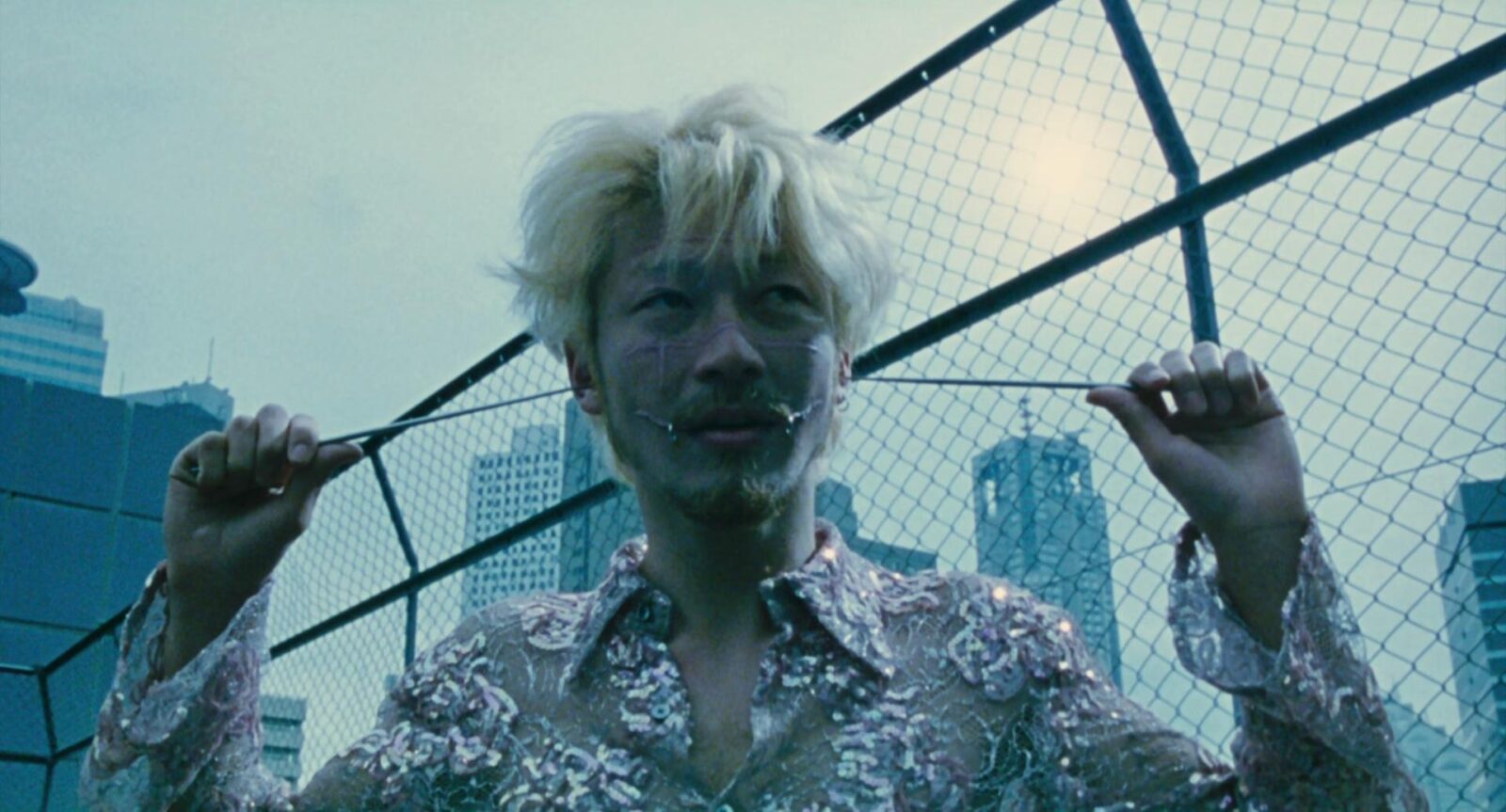
Hurt yourself
Yeah, maybe jump off the stage
I hope they catch you today
But if they don’t, it’s okay
At first I thought Ichi the Killer (2001) would pair with a song from ‘brat’. After all, the sadomasochistic yakuza enforcer Kakihara is pretty ‘brat summer’, with his penchant for excellent styling and – shall we say – extreme sensations. But Ichi the Killer is graphic, misogynistic and nowhere near as palatable as brat. Certainly not likely to go as viral as the ‘Apple’ dance. That’s why I’ll recommend it to you if you love ‘Rock Music’, Charli’s reactionary first post-brat release. After ‘brat’’s mass pop appeal, ‘Rock Music,’ was a bold zag; similarly, by Ichi’s release in 2001 the wave of ultraviolent cinema coming out of Japan was peaking, something the film at once relishes and critiques. Both works layer irony on top of irony on top of irony in the hope that maybe, just maybe, we’ll feel something again, as Takashi Miike often intends.


