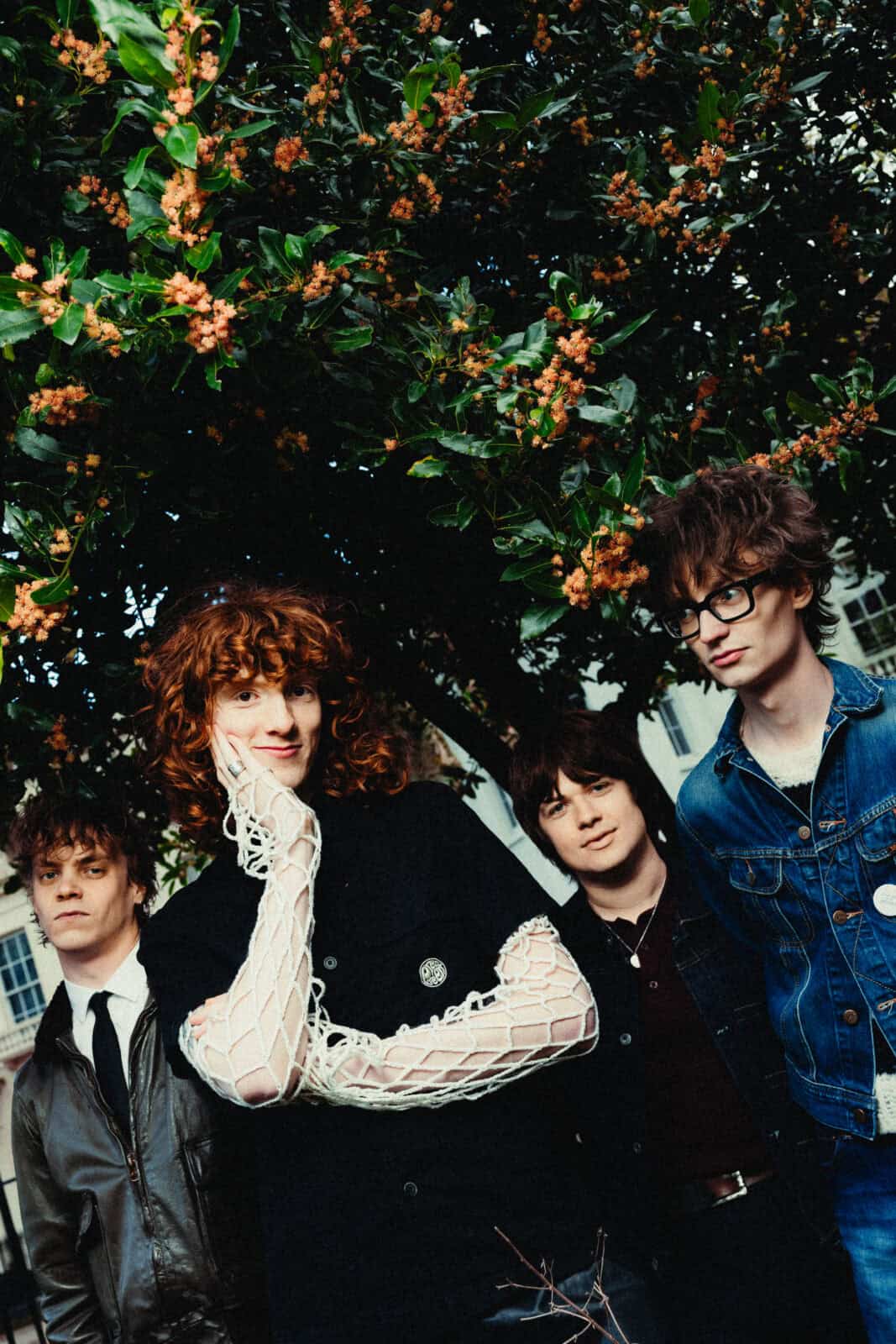
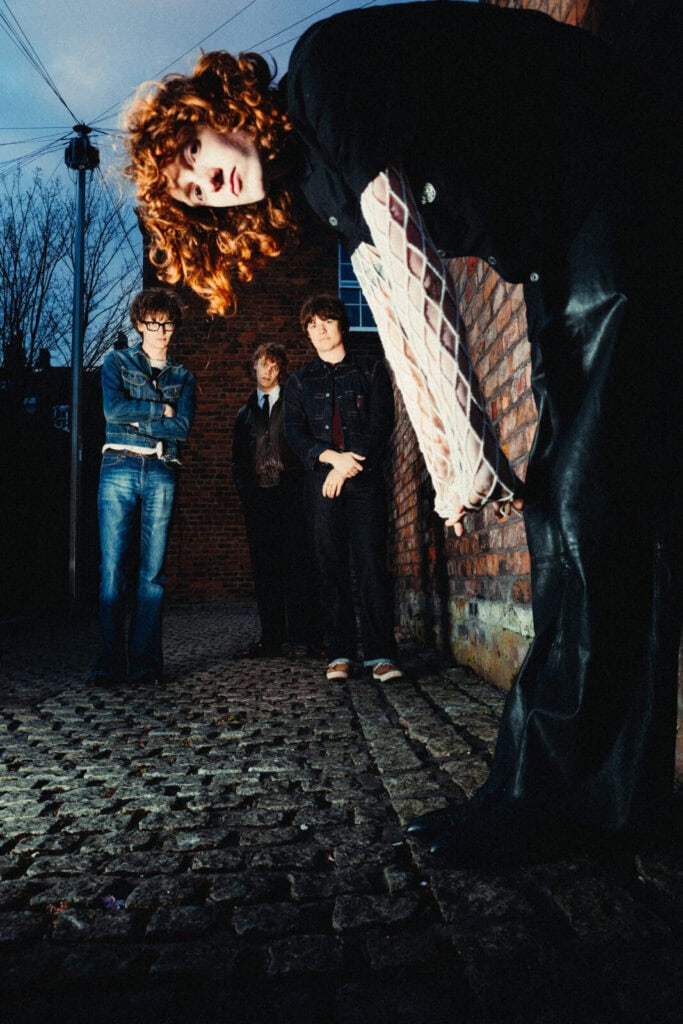
It’s a Friday evening when I speak to vocalist Tige and bassist James (both 23) from The Sukis. It’s the kind of conversation that usually spells a big night out – instead, we start on Google Meet.
Later that night, we’re meant to be at the same house party – overlapping circles that fleetingly make London feel smaller than it is. Neither of us make it. It feels oddly fitting anyway, a slightly parallel evening that never quite lines up.
The Sukis are based in Liverpool, a city synonymous with The Beatles and where guitar bands have long circulated through a tightly connected live circuit. Liverpool’s rock music has by no means lost its legacy. The thriving live music scene is the reason so many musicians move there. The Sukis are one such example.
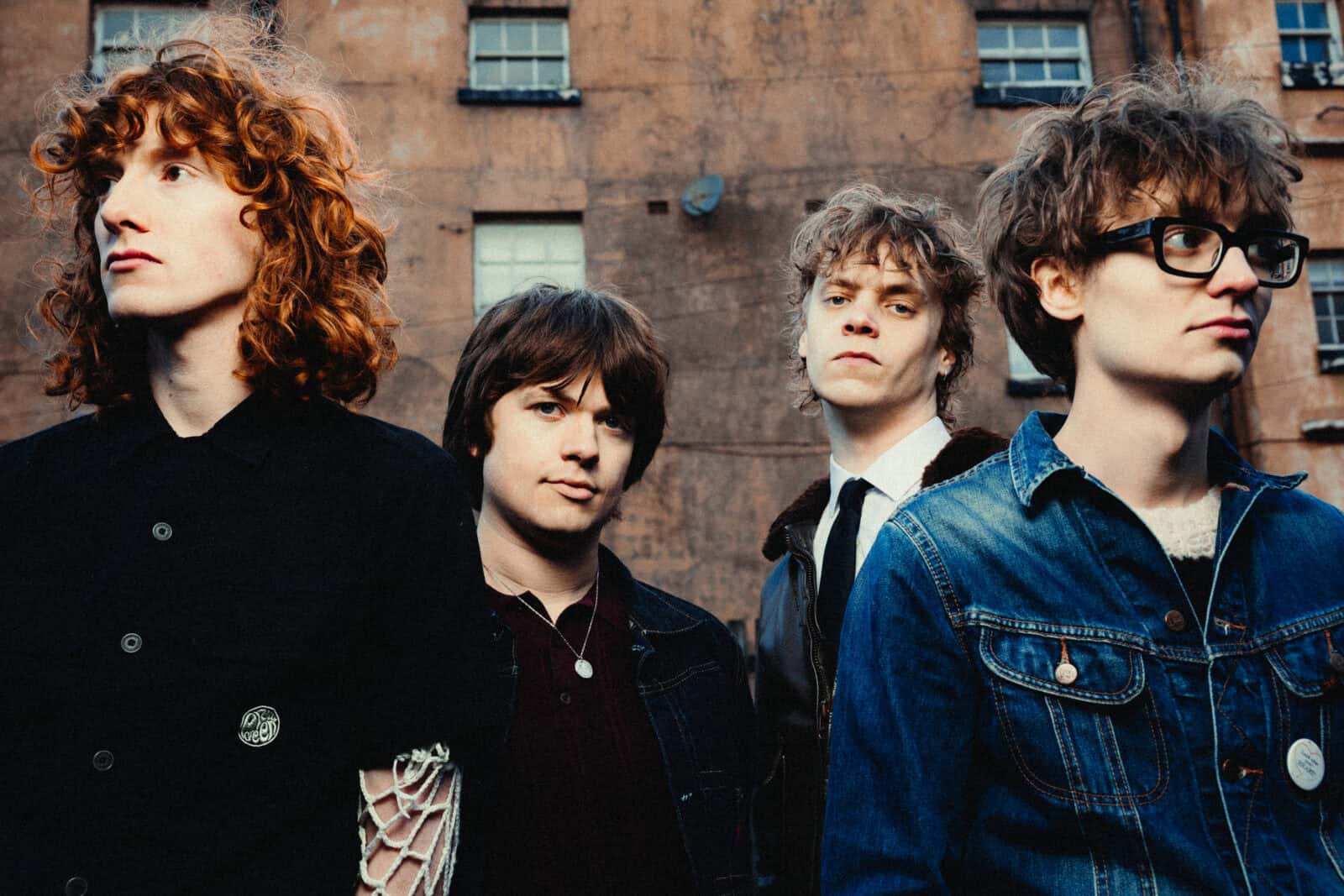
More recently, acts like Crawlers and Cold cover star Luvcat have moved through many of the same venues and lineups at different speeds. It’s something that drew The Sukis to relocate there as a band despite all growing up in far apart areas of England, spanning Bedfordshire, Hertfordshire, Preston and Cheltenham.
From there, they’ve steadily built their own position within that ecosystem. Over the past year they’ve released a run of singles, including their most recent offering, “Olivier”, and completed their first headline tour. An appearance at the Isle of Wight Festival this summer marks their first major festival booking.
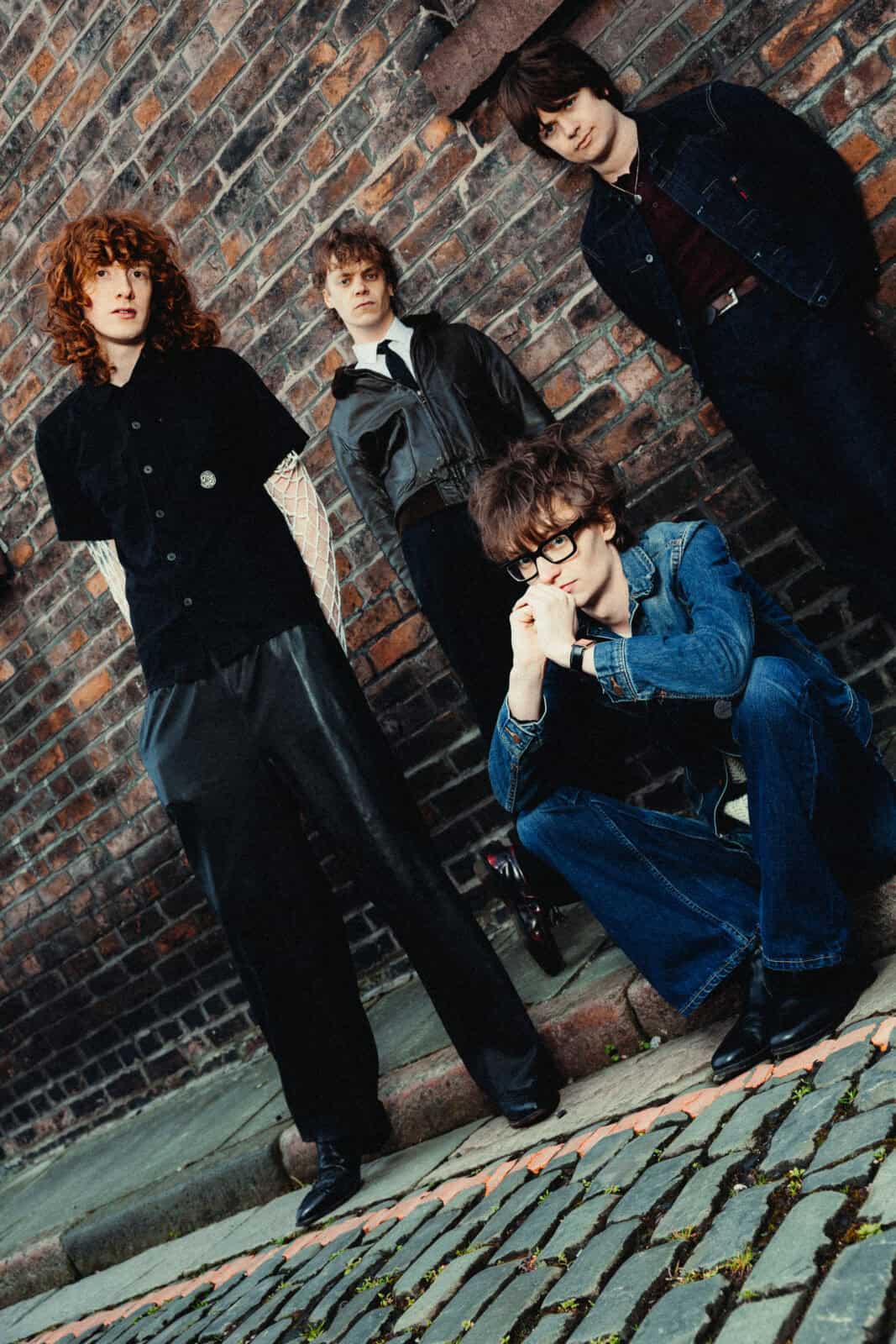
That sense of movement extends beyond Liverpool too. Bands like The Molotovs – another Cold cover star – have been growing in a similar way, with The Sukis joining them as support across progressively larger rooms. They recall watching The Molotovs play from the balcony at Scala after their own set, seeing the way the crowd shifted as the night built beneath them, in part owed to frontwoman Issey’s electrifying stage presence.
A lot of their recent movement has been shaped by a DIY approach that still defines how they operate. Their first tour was entirely self-run in every sense of the word, as they handled everything from booking van drivers to sorting venues. “When you don’t have a promoter or infrastructure around you, it takes ages to set things up,” Tige says. “Sometimes it’s almost impossible to get things moving.”
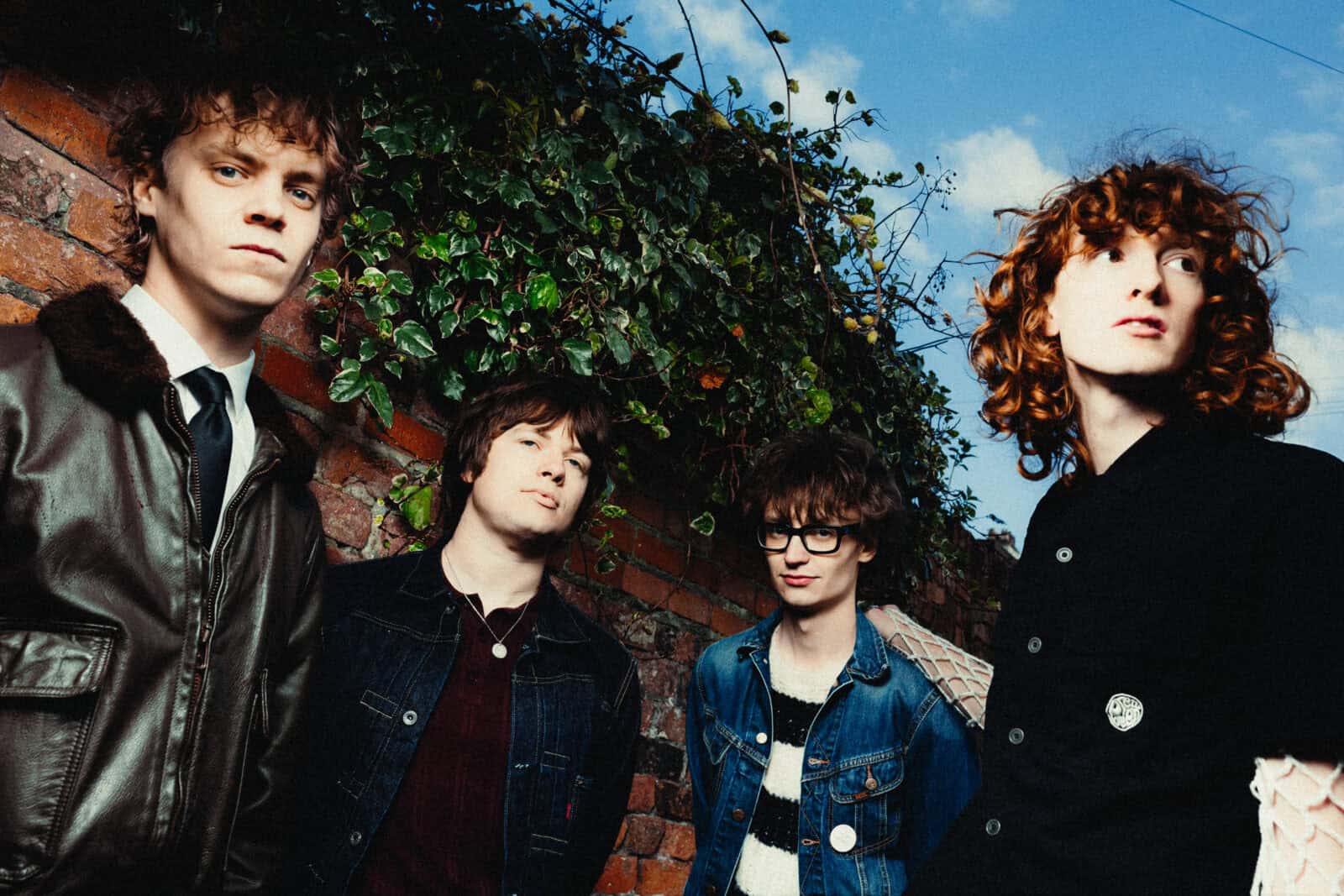
But now, the scale is starting to shift. The band have signed with a new live agency, and it’s evident that the scale of what they’re doing is changing. “It definitely feels like the next step,” James says of Isle of Wight. For Tige, the last year can be summed up in a single word: “Climactic.” There’s a laugh and an “ooh” from James in the background before he agrees. It feels like a band moving out of the phase of building everything themselves and into something slightly larger that is still taking shape.
That shift is also visible in how they work internally. Tige usually brings in the foundation of a song, snippets of lyrics or chords, often already hearing how it will unfold in full arrangement. From there, the rest of the band shape it. James focuses on guitar lines and melodic detail, leaning into a “jangly alternative sound”, while Freddie, the bassist, brings a wider set of influences from previous projects. Ed, the drummer, is described as the stabiliser and “human drum machine” as Tige rather poetically puts it, grounding everything in performance.
“It all opens up in rehearsal,” he adds. “Sometimes all you need is someone saying, ‘let’s try this,’ and suddenly the song changes completely.”
That balance between instinct and control carries into how they think about everything surrounding the music. Their recordings aim to preserve a sense of live looseness without losing clarity, feeling authentic and somewhat improvised, yet always structured enough to hold. There are also subtler influences embedded in the writing process; Tige mentions listening to Marvin Gaye while working on some material, which fed into phrasing and melody in a way that sits slightly outside the typical indie guitar framing.
Outside the music itself, presentation is treated by the band with equal attention. “We’re really into fashion, editorial-style visuals,” Tige says. “We want everything to feel cohesive.” Their image isn’t just corporate branding for the band, but more so about bringing a sense of cohesion to everything they put out.
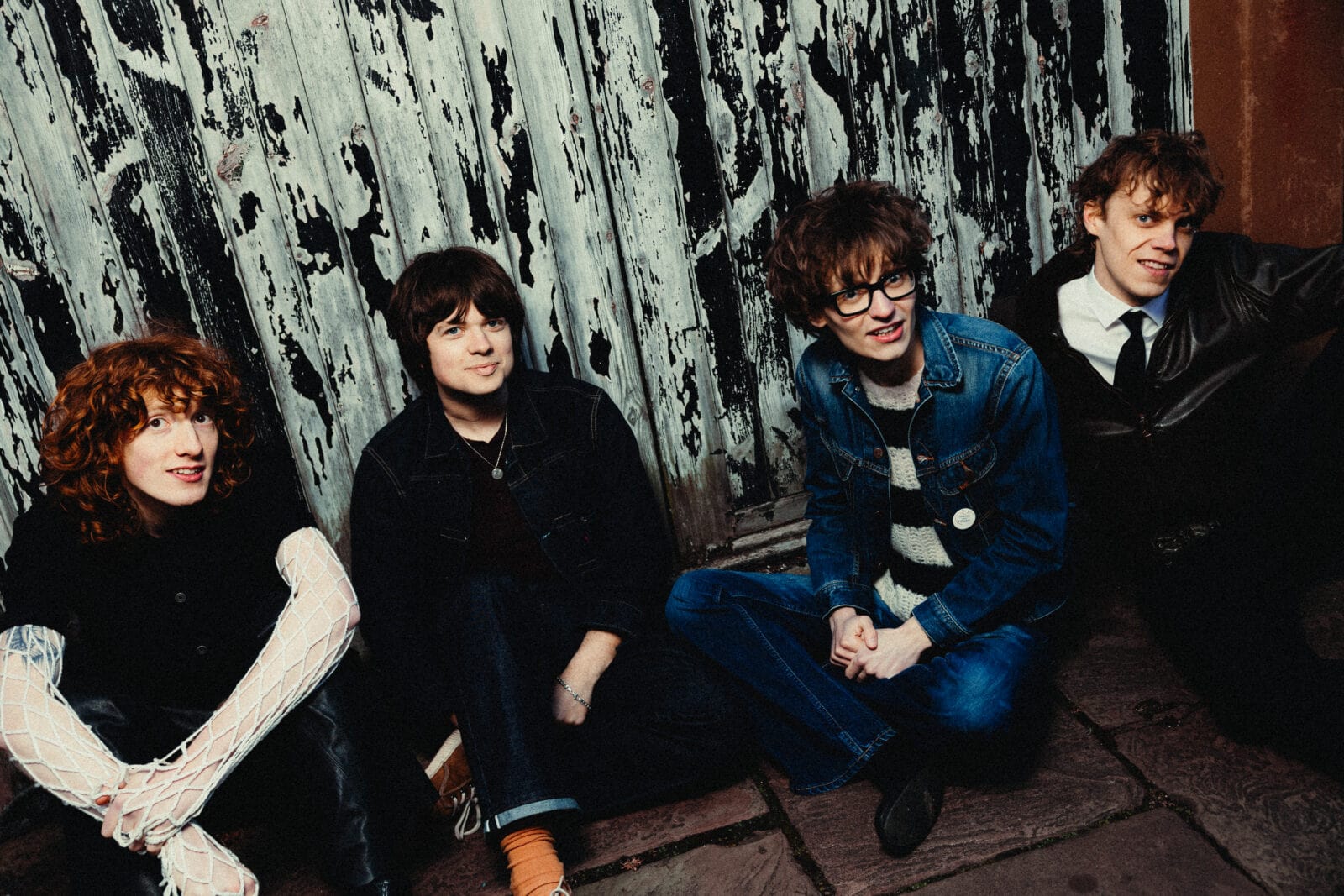
Even beyond that, there’s a constant awareness of perception. After one show, the band were compared to Suede by an audience member, and James was jokingly asked if he was “their son.” He laughs at the memory. “I can’t believe I’ve got nepo baby allegations.” It’s a small moment, but it reflects a broader sense that the band don’t fully control how they’re read from the outside, and don’t seem all that concerned about correcting it.
Similarly, their songs are deliberately open-ended, designed to hold more than one reading at a time. “We want it to work on two levels,” Tige says. “Anyone can enjoy it, but if you’re a bit of a music nerd… there are little things for you to enjoy too.” Tracks like their debut single “Becca” resist a fixed narrative interpretation, as its lyrics explore feelings of addiction, either towards a person or a substance, depending on how they are read.
When asked where their music might fit in film, their answers come as spontaneous suggestions rather than a pre-rehearsed list. James’ mind jumps to Submarine, particularly the flare scene on the beach. “It has to be something bold, yet nuanced” he muses. As he goes quiet, Tige sheepishly offers his latest watch, Diary Of A Wimpy Kid, clearly aware of the jump in cinematic ambition. James eventually settles on the scene in The Royal Tenenbaums where Margot steps off the bus. Inspired by the Wes Anderson pick, Tige adds Fantastic Mr Fox’s ending, “when they’re all having a boogie in the supermarket.” Their choices reveal their creative influences, but more than that, their differing instincts as a band.
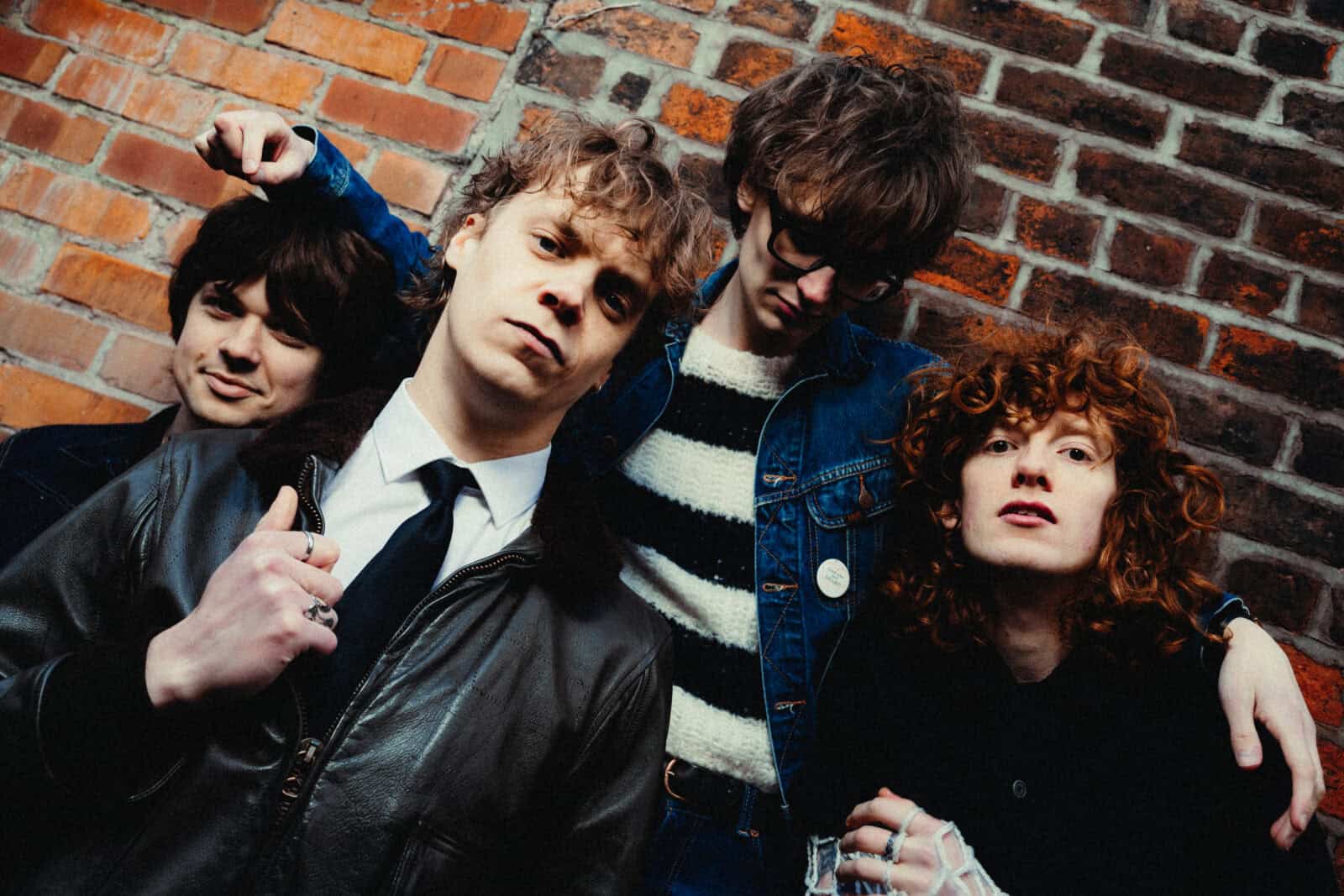
Looking ahead, The Sukis are preparing for a run of shows across the UK and Ireland, alongside new material later in the year. Dream gigs include iconic venues such as The Windmill and The George, as well as more ambitious picks like KOKO and the O2 Academy Brixton, and further afield in Paris and New York. There’s a growing awareness of their unexpectedly large US audience.
“We’d love to play in the States. Obviously somewhere like The Troubadour would be a dream,” James says, referencing the legendary West Hollywood venue. “But even if it started with something chaotic like Geese playing on the street, that would be ideal.”
The Sukis have built themselves so far. Now, as the rooms get bigger to match their ambition, so does the attention around them.