
Intending at first, to report fresh from the preview of the 61st Venice Biennale, the mission quickly revealed itself to be near impossible. Even after spending a week catching up on sleep and, attempting to process the Biennale’s underlying code. Grasping its essence remained an elusive feat.
From initial first impressions, the preview, and associated events began unfolding at a dizzying pace. For one, the International Art Exhibition revolved around the unfortunate passing of curator Koyo Kouoh, the resignation of judges, and complex geopolitical tensions that inevitably surfaced within a country-based event structure. This occurred alongside numerous other issues raised by participants in Giardini, Arsenale and collateral exhibitions. Not in such Minor Keys, after all.
Nevertheless, the central curatorial theme In Minor Keys still managed to pulse through the veins of the exhibition. Beyond the spinning chaos, there seemed to be a void at its centre. That void was filled with slow rhythmic soundscapes, immersive installations, salt and sand beneath one’s feet, dimly lit spaces that required time for the eyes to adjust, and lengthy video works. Combined with the rain that greeted visitors on the first preview day in Venice, there was a persistent sensation that the exhibitions sought to cocoon their audiences. Where reality began unravelling, tempting them towards escape.
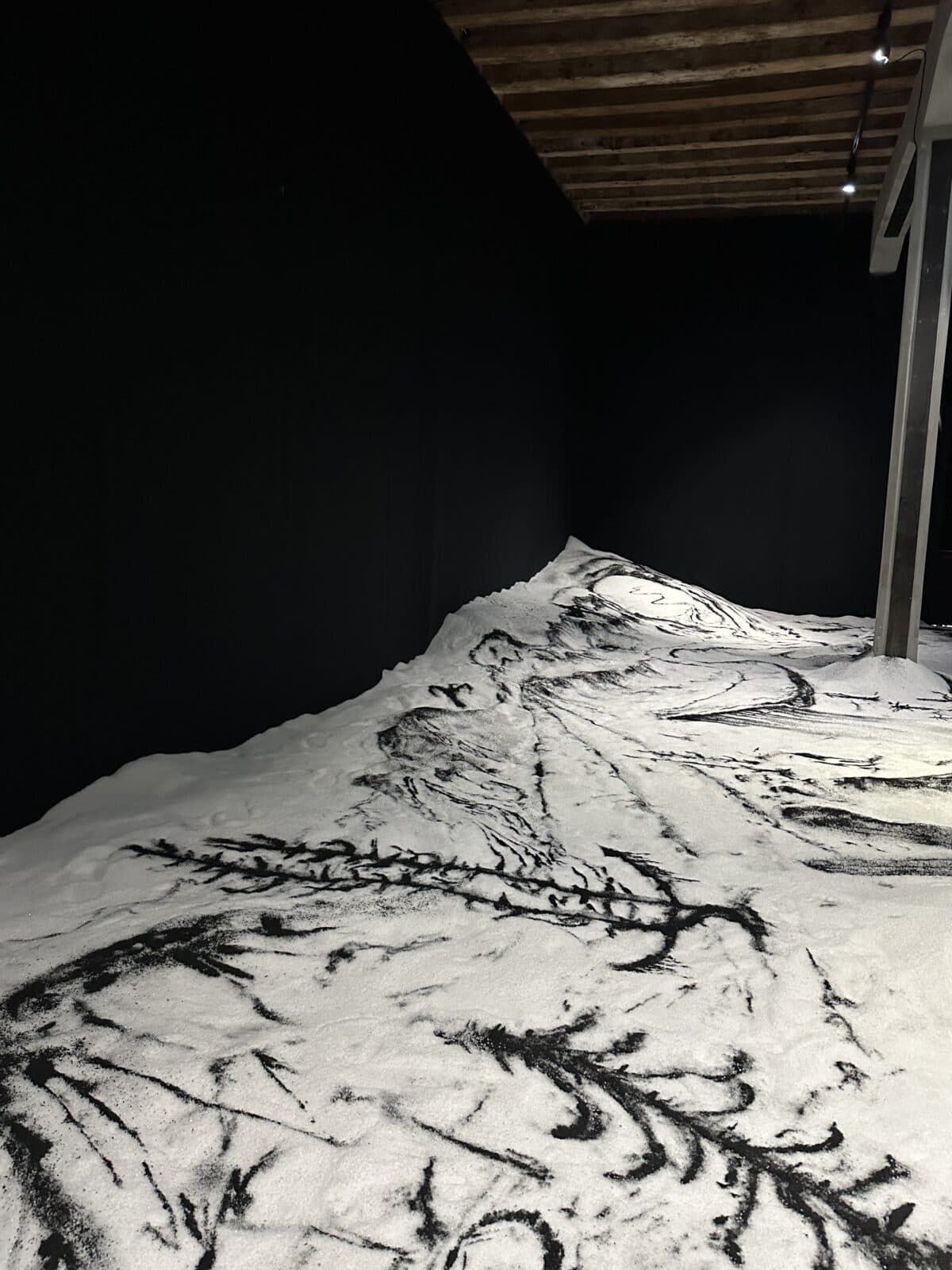
One of the key elements contributing to this sense of detachment,nodding toward the intangible, was the ritualistic use of natural materials. In the Argentinian Pavilion, Monitor Ying Yang by Matías Duville guides visitors through a darkened room where the floor is covered in salt. The space feels like a simulation of vastness: a dried ocean marked by primitive black-on-white drawings depicting landscapes and traces of civilisation. This display created an intuitive environment where the ground seemingly shifted beneath each step. Immersed in darkness and sound, the installation encourages a complete withdrawal from reality, inviting introspection through ambiguous narrative.
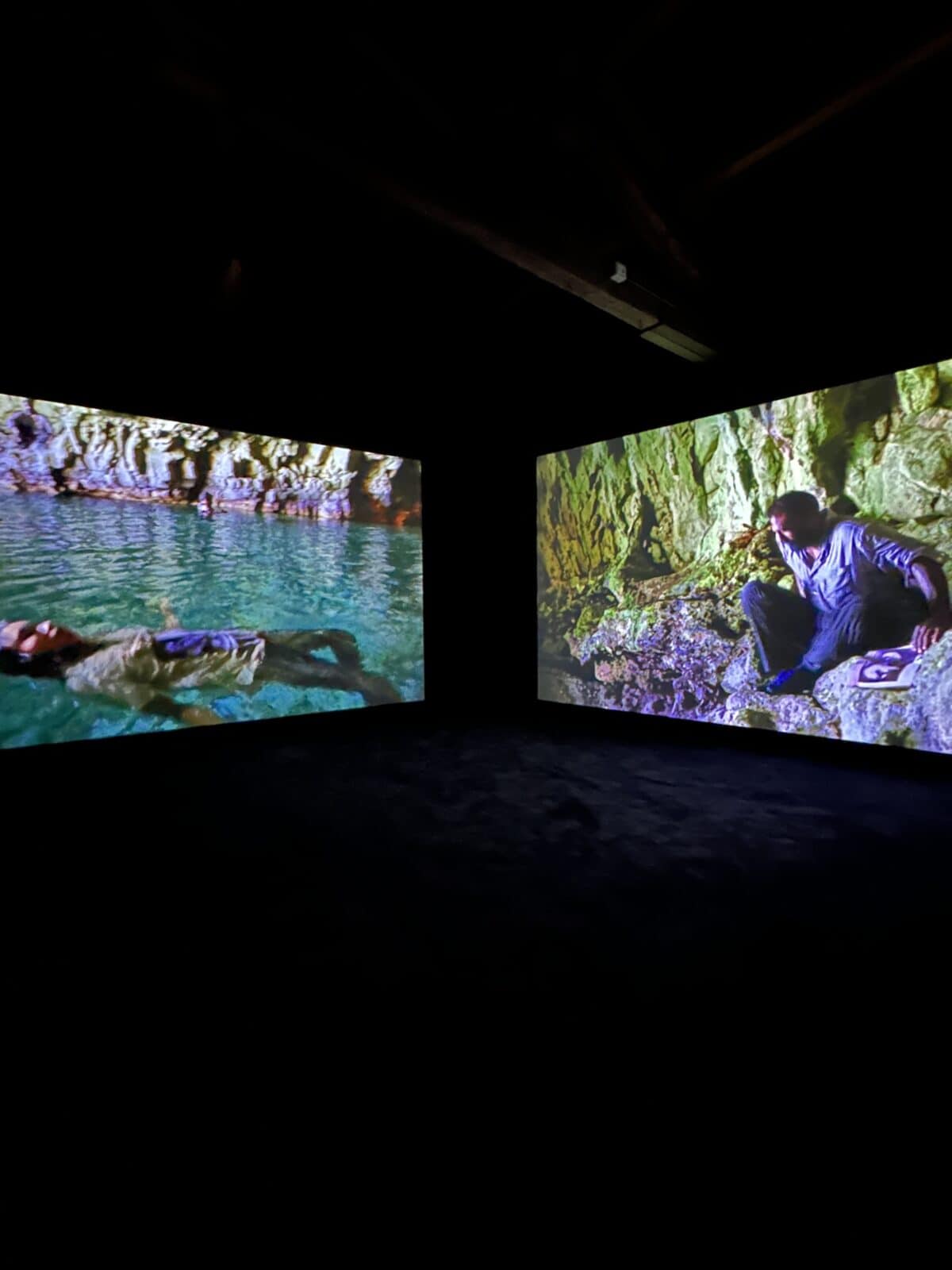
The motif of water resurfaced throughout many pavilions, including Uzbekistan’s Aural Sea and Lithuania’s Animism Sings Anarchy. Thus reflecting not only ecological anxieties, but also the subconscious emotional associations tied to water itself. In these works, focus shifts away from the rational mind and towards something instinctive and affective; from processing the narrative through understanding towards feeling it, tapping into collective subconscious patterns of association.
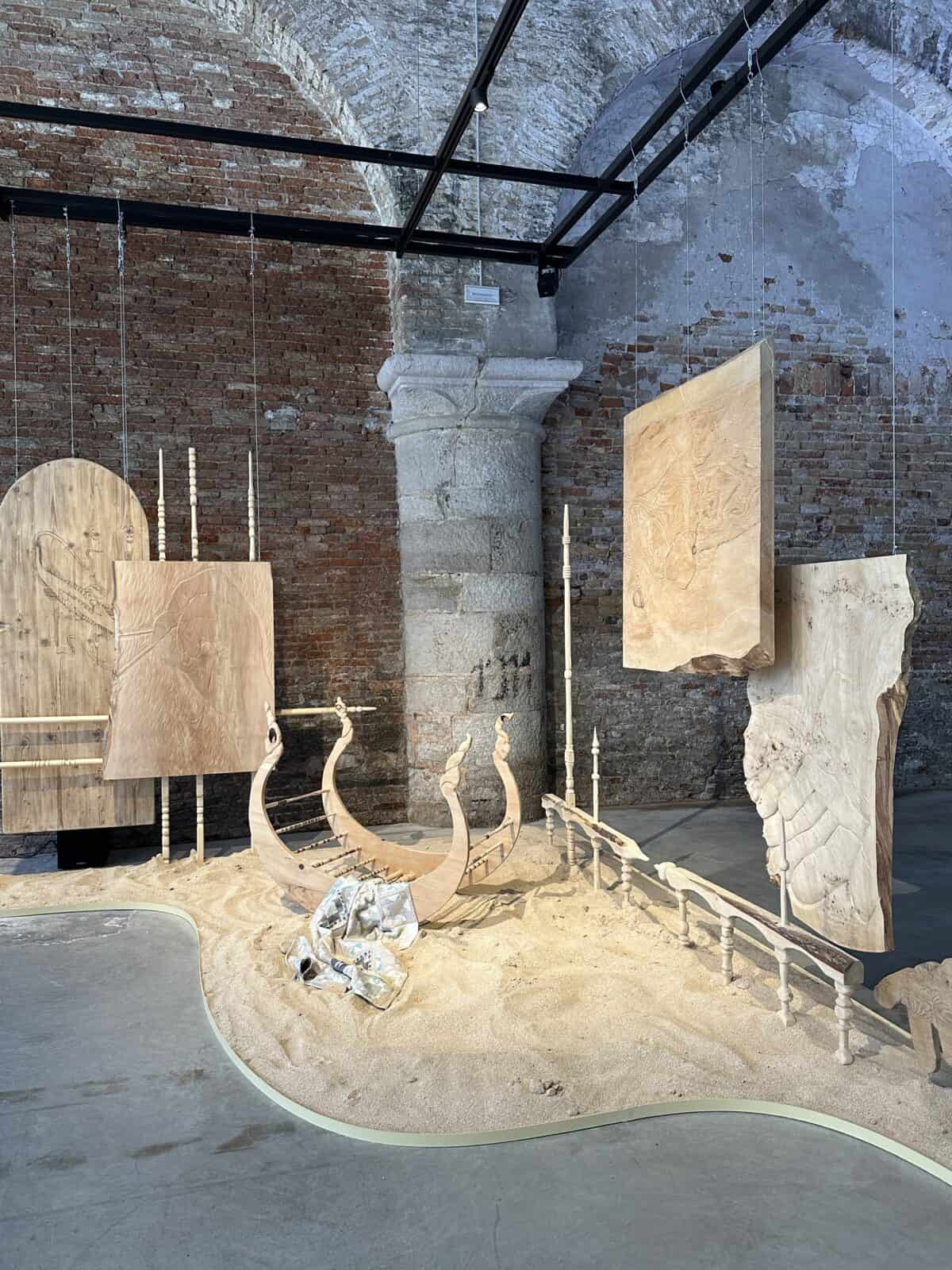
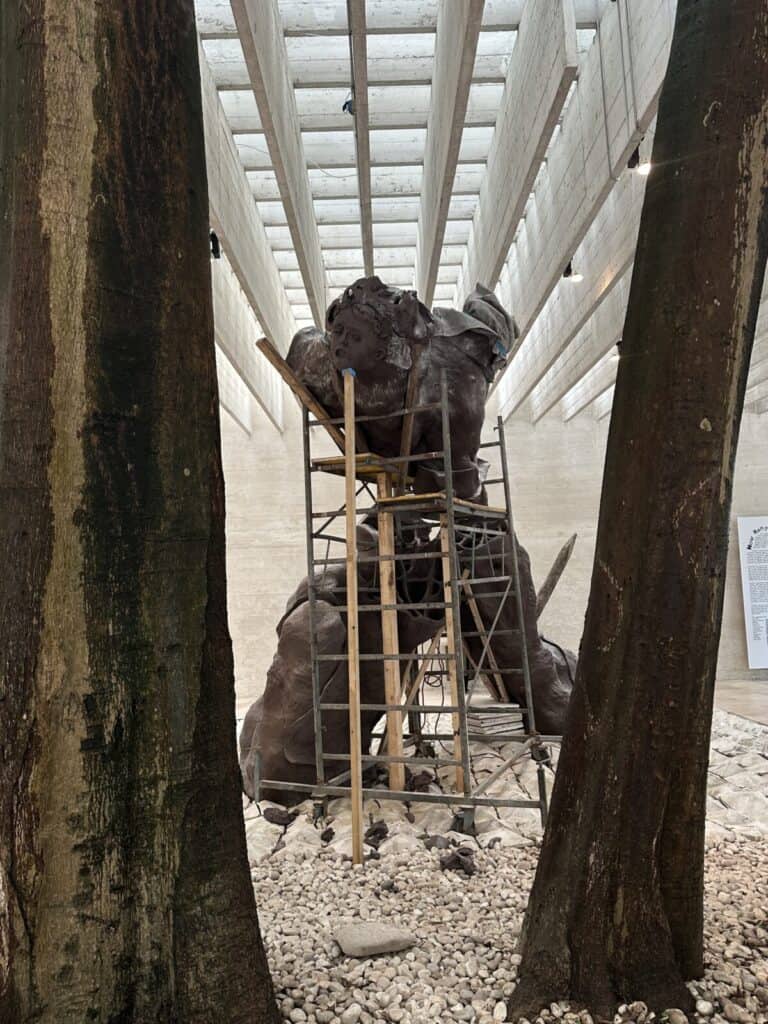
A retreat into the surreal and the folkloric unfolded within the Nordic Pavilion. How Many Angels Can Dance on the Head of a Pin brought together works by Klara Kristalova, Benjamin Orlow, and Tori Wrånes. Drawing upon northern mythology and folklore, the exhibition revisited the myth of the Sampo, a symbol of prosperity and abundance. Combined with sculptures formed from natural materials such as wood and clay, the pavilion acquired a distinctly immersive quality. Despite each work remaining an individual entity, together they created the sensation of walking through mythological scenes, playing with perceptions of scale and blurring the boundary between life and myth.
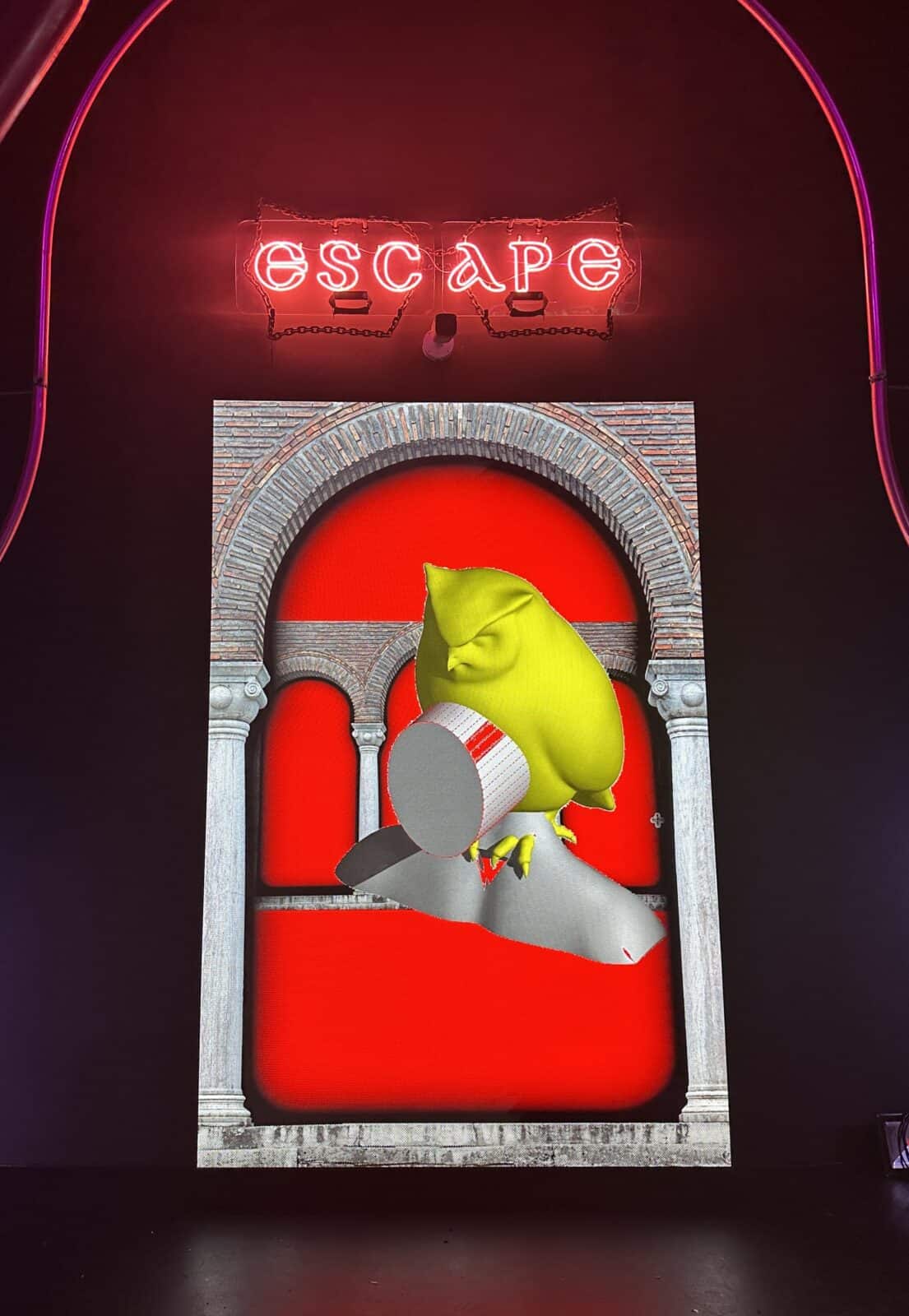
The tendency to withdraw from reality was simultaneously recognised and critiqued in Andreas Angelidakis’s Escape Room in the Greek Pavilion. In sharp contrast to the original architecture of the building, the installation transported visitors into a game-like environment filled with neon lighting and large-scale soft sculptures edged with industrial, harness-inspired details. A screen functioning as a distorted mirror stood at the centre, leading viewers to interrogate their own reflection as part of the installation itself. Inspired by Plato’s Cave, the work reimagines the allegory through a digital lens. This work confronted society’s reluctance to face reality directly, choosing instead to engage with reflections projected onto metaphorical walls. The installation also provokes contemplation on networked individualism and the paradox of physically gathering people within environments that replicate digital isolation.
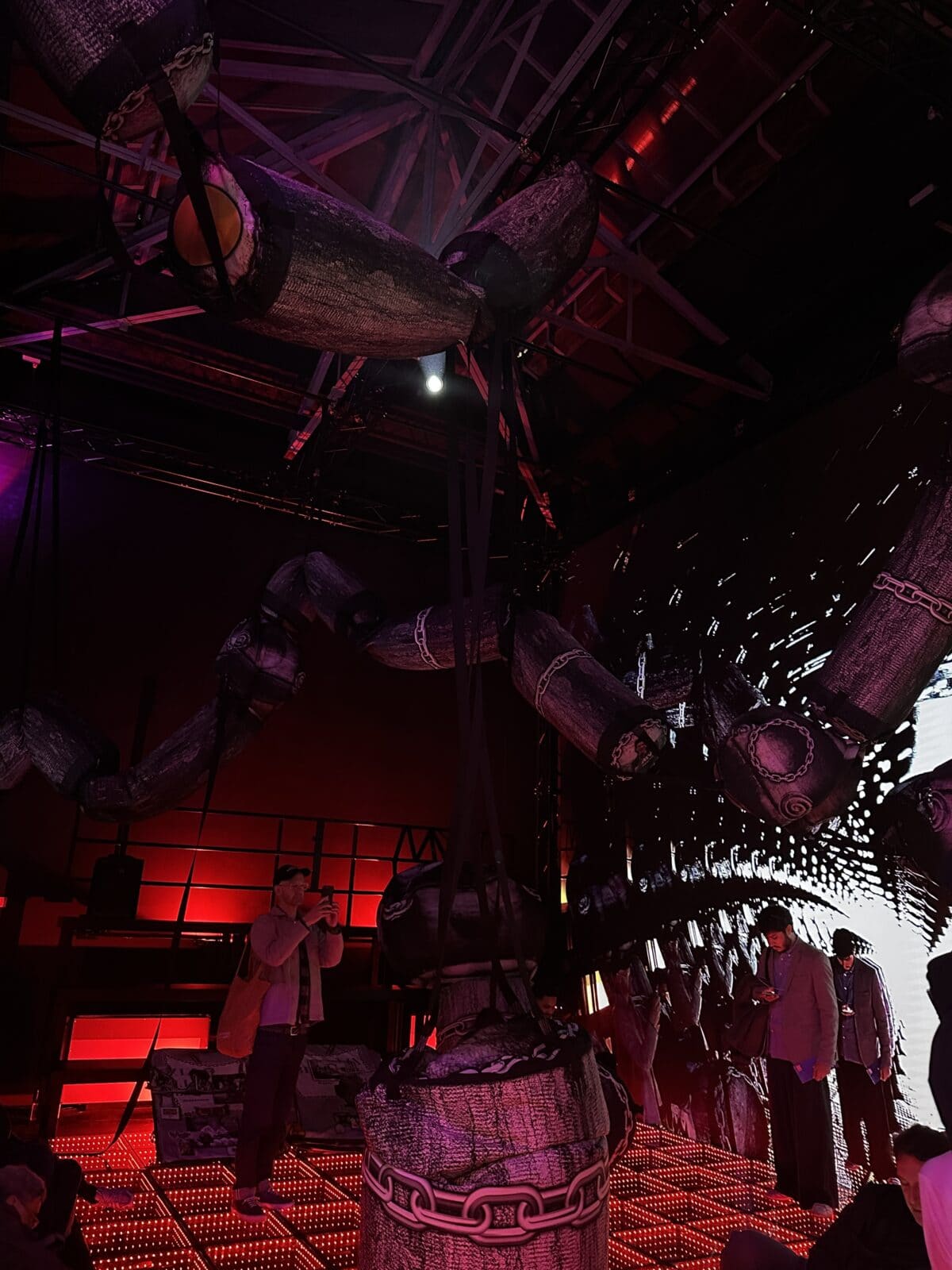
These and many other installations express that in many cases, retreat is not weakness, but instinct. Through the lens of the Theory of Reflexive Modernisation developed by Anthony Giddens, Ulrich Beck, and Scott Lash, second modernity confronts us. We are tasked with the responsibility of recognising and dissecting inherited societal structures. All the while, it is also necessary to seek new ways to reconstruct them. Faced with shifting institutions and transforming social structures, contemporary culture represented at the 61st Venice Biennale appears increasingly drawn towards escapism. The question remains whether reconnecting with natural forces, mythological archetypes, and primitive modes of visual self-expression might ultimately strengthen our capacity to step beyond Plato’s cave, adapting to new modes of perception and ideas, or instead lead us further inwards, becoming accustomed to the darkness for good.


