In 1950, Venice had 175,000 inhabitants; today, barely 48,000 residents remain in the historic center year-round, trying to survive the daily onslaught of tourists that floods this iconic city, totaling over 30 million visitors annually. When looking at its demographic traits, the future prospects for La Serenissima grow even bleaker: over the last four decades, the population under 30 has plummeted by more than 60%. Venice is not just running out of inhabitants; it is losing its vitality and the creative drive that still lingers on the island.
Nevertheless, Venice does not seem willing to surrender without a fight. In the face of its collapsing infrastructure, a new generation of creators has emerged, including siblings Francesca and Paolo Marco de Paoli. Both young visionaries recognised that the city faces not only a numerical loss of inhabitants but also the erasure of its identity – the complex web of visual references built over centuries of history that continues to nourish its artists. Creators engage with this web, an extremely sensitive fabric, like irritated skin or like a spiderweb trembling at the slightest breath. It is from this concept, from this vibration within the web, that the name of their project was born: VBRA, a fashion collective founded in 2024.
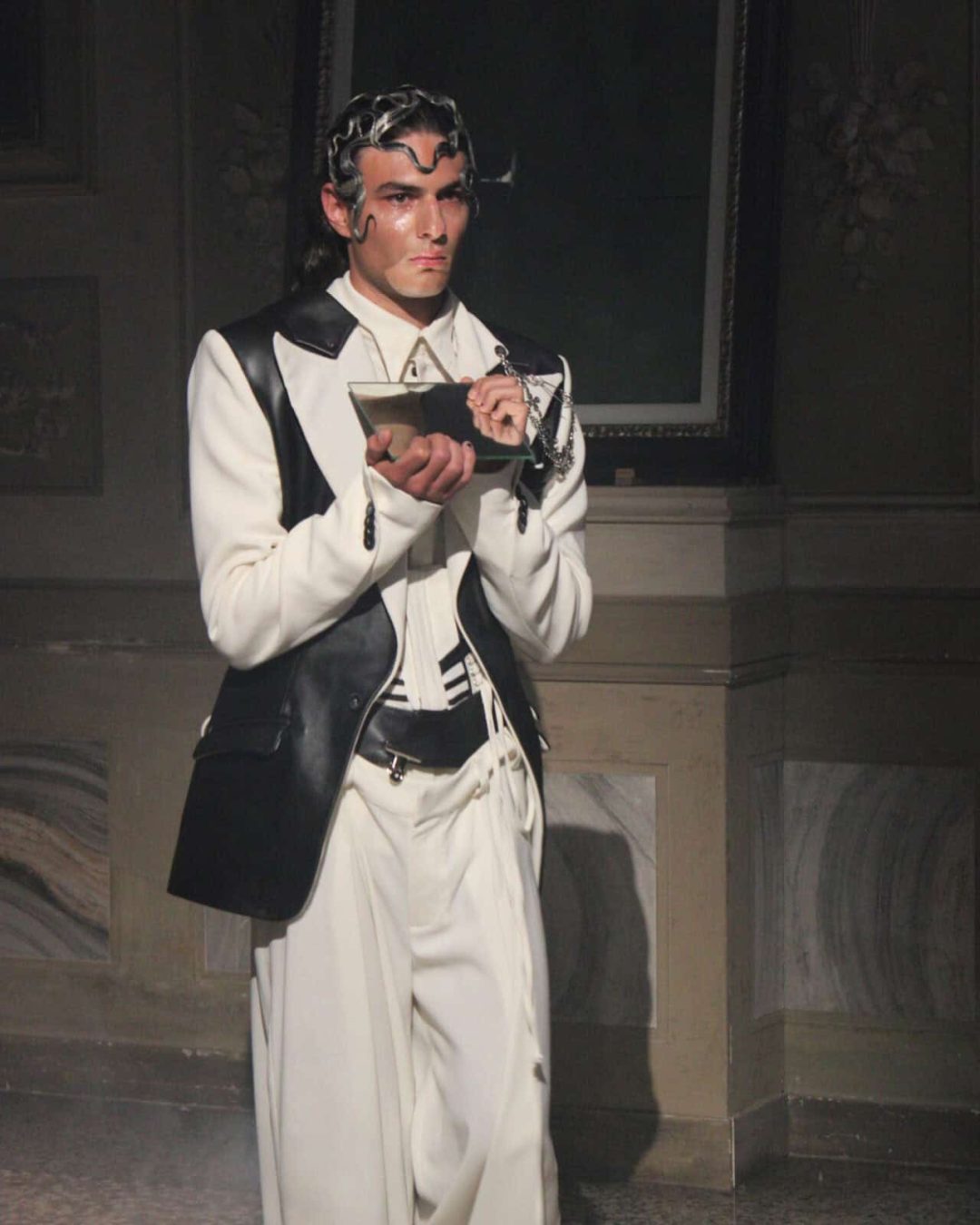
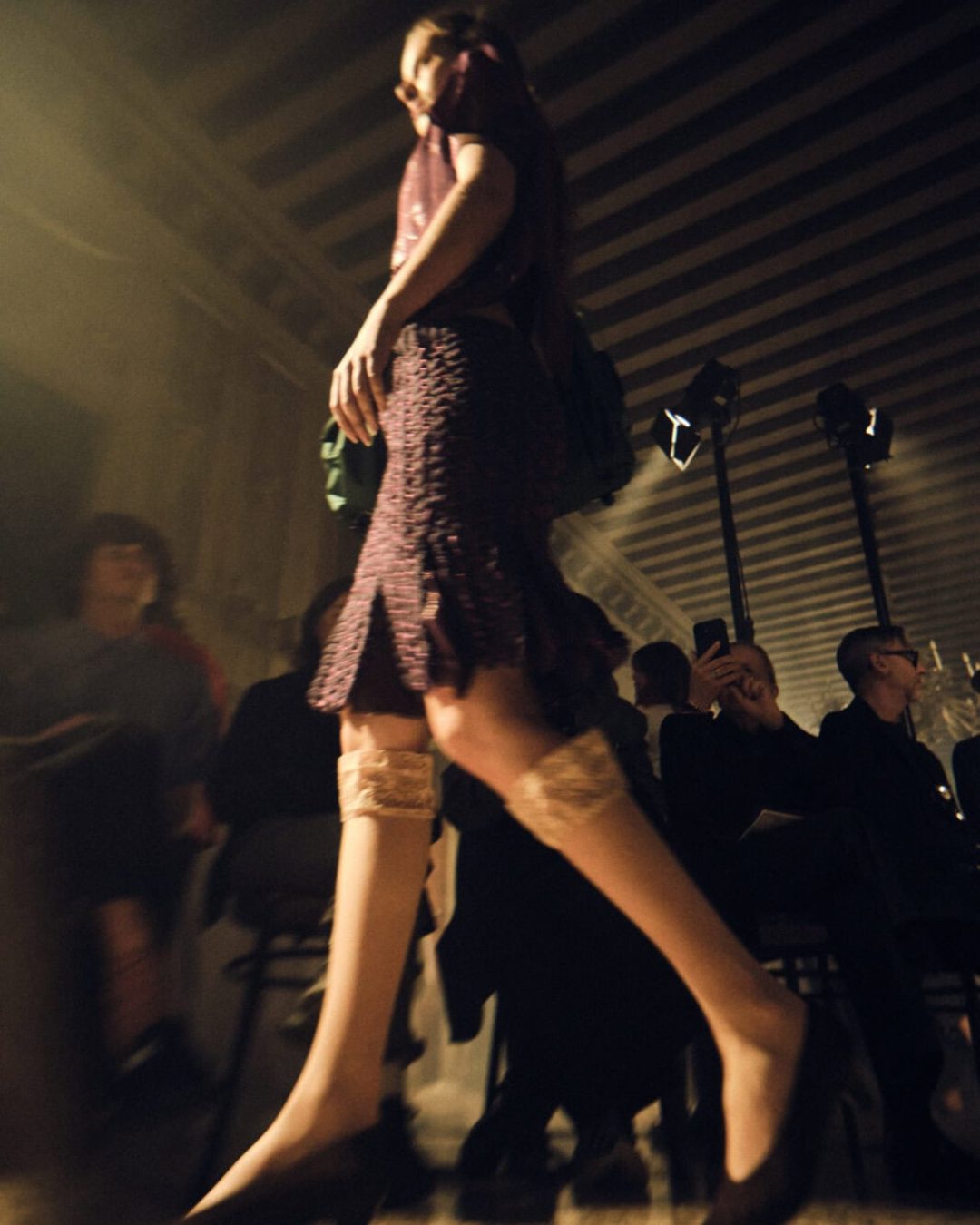
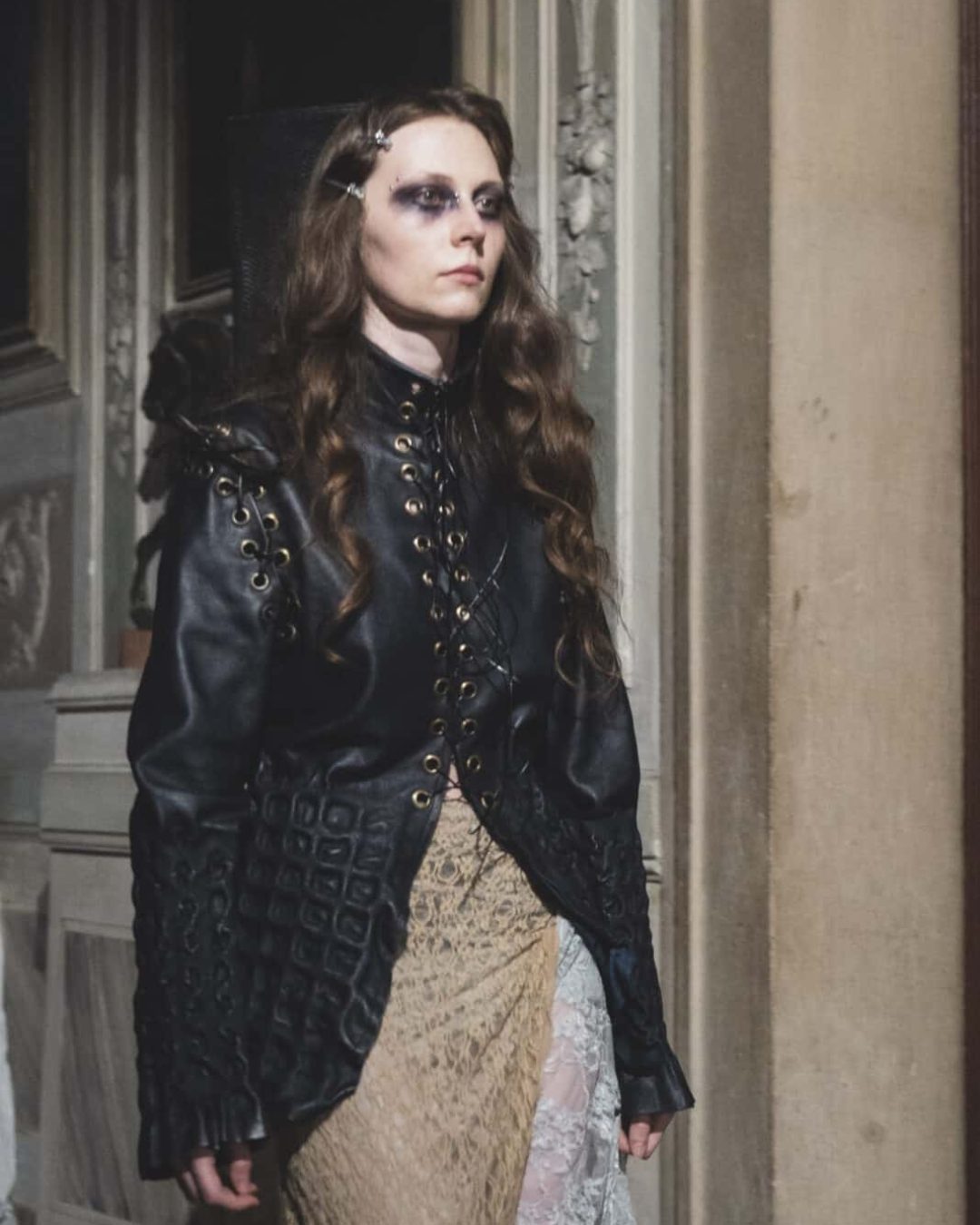
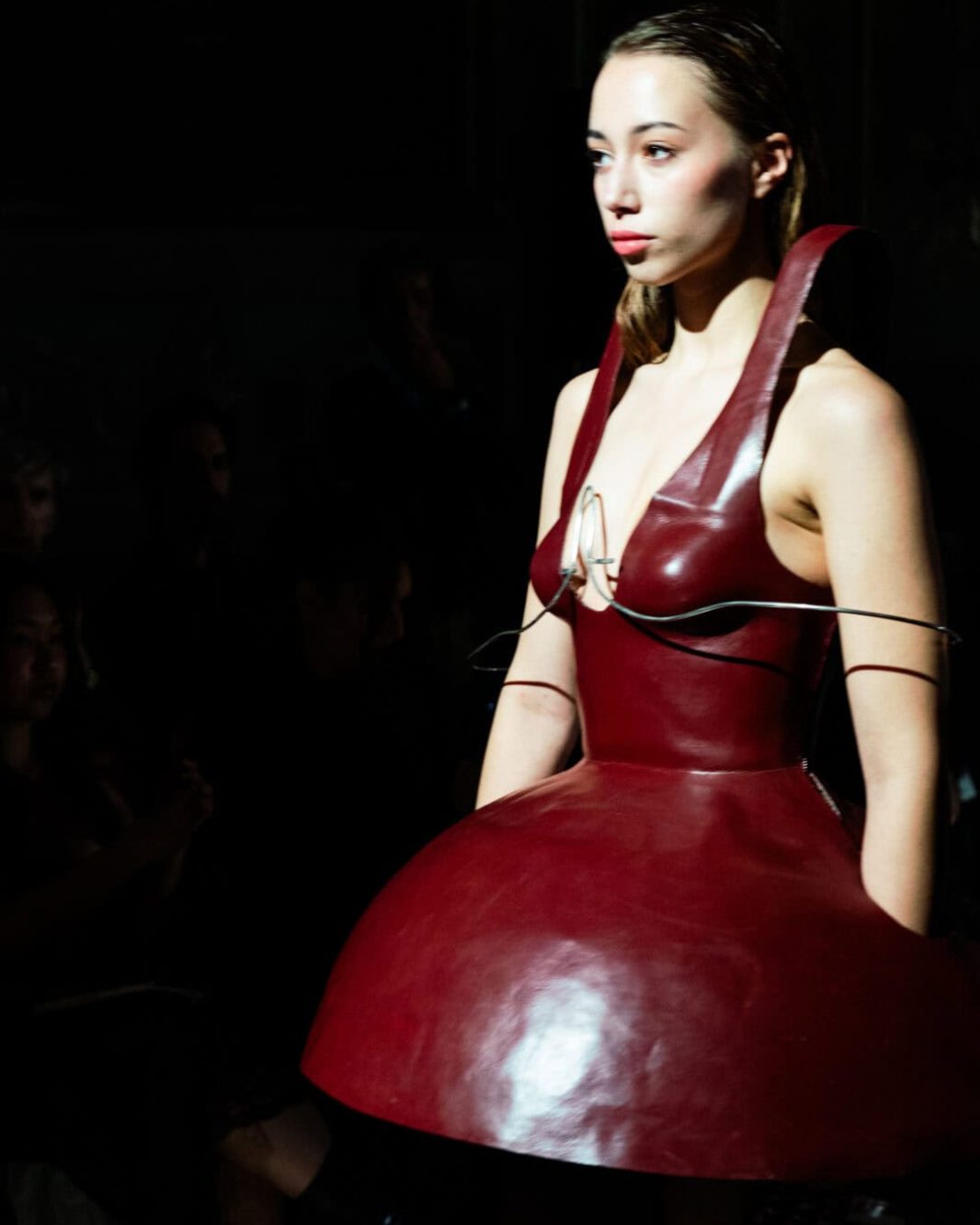
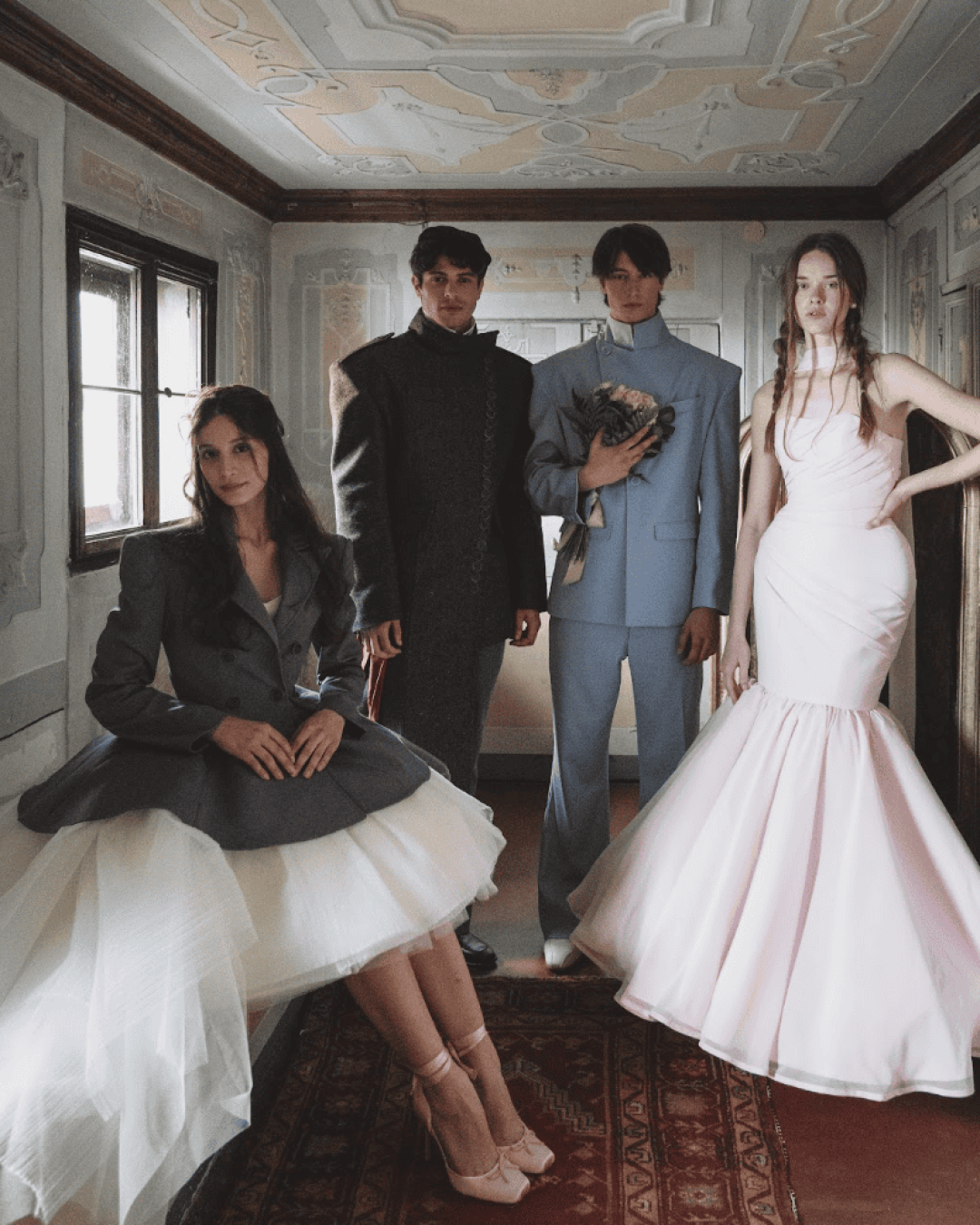
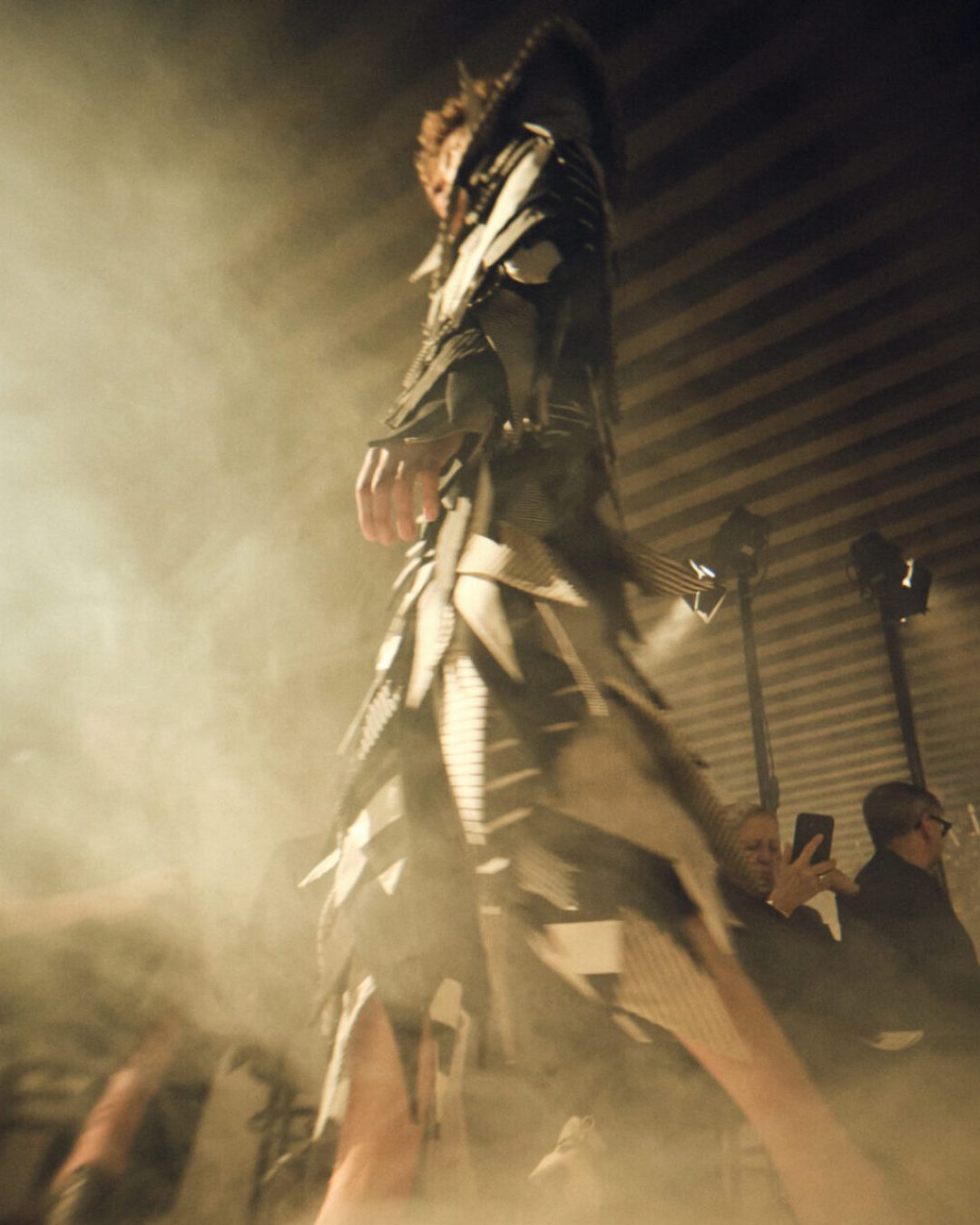
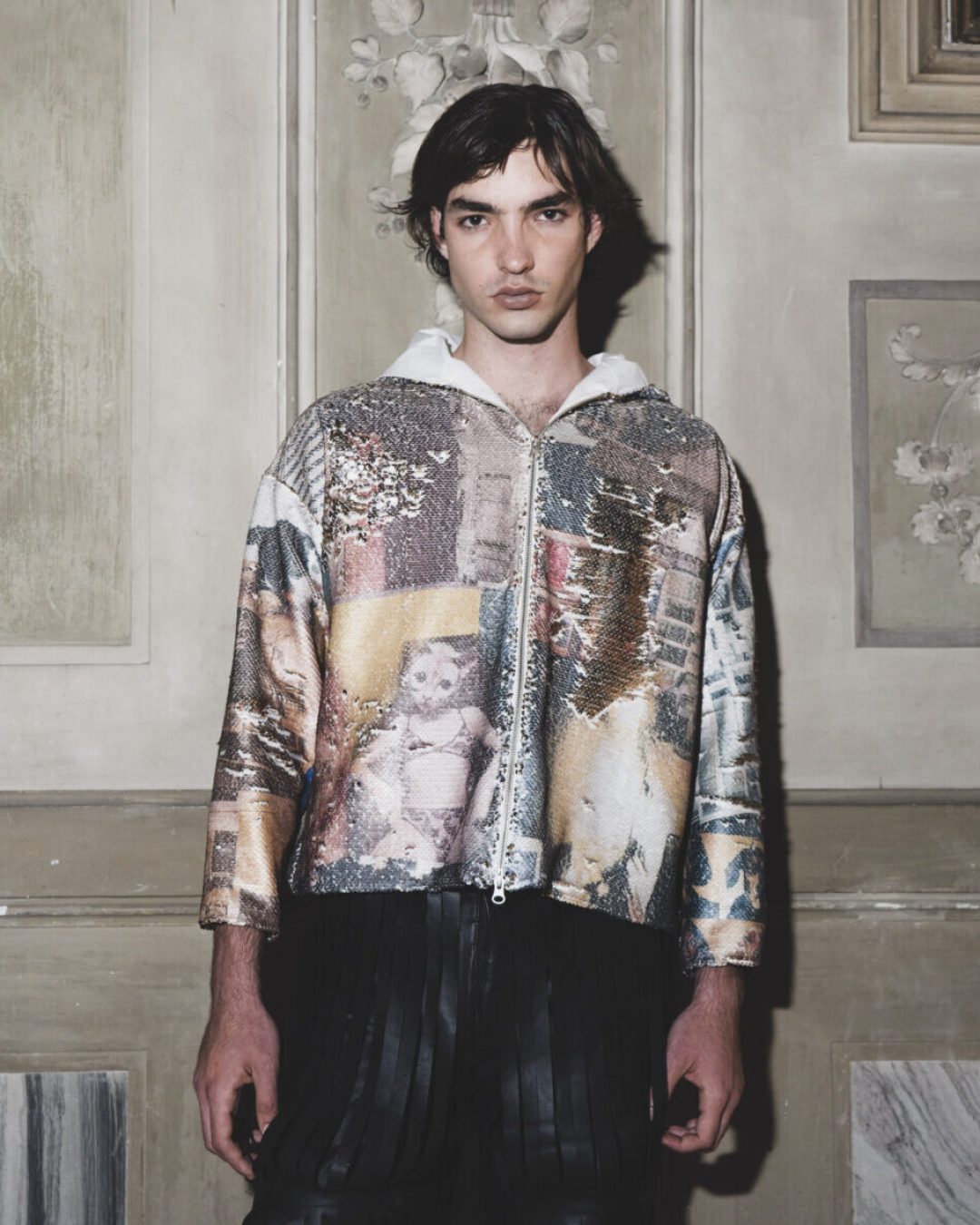
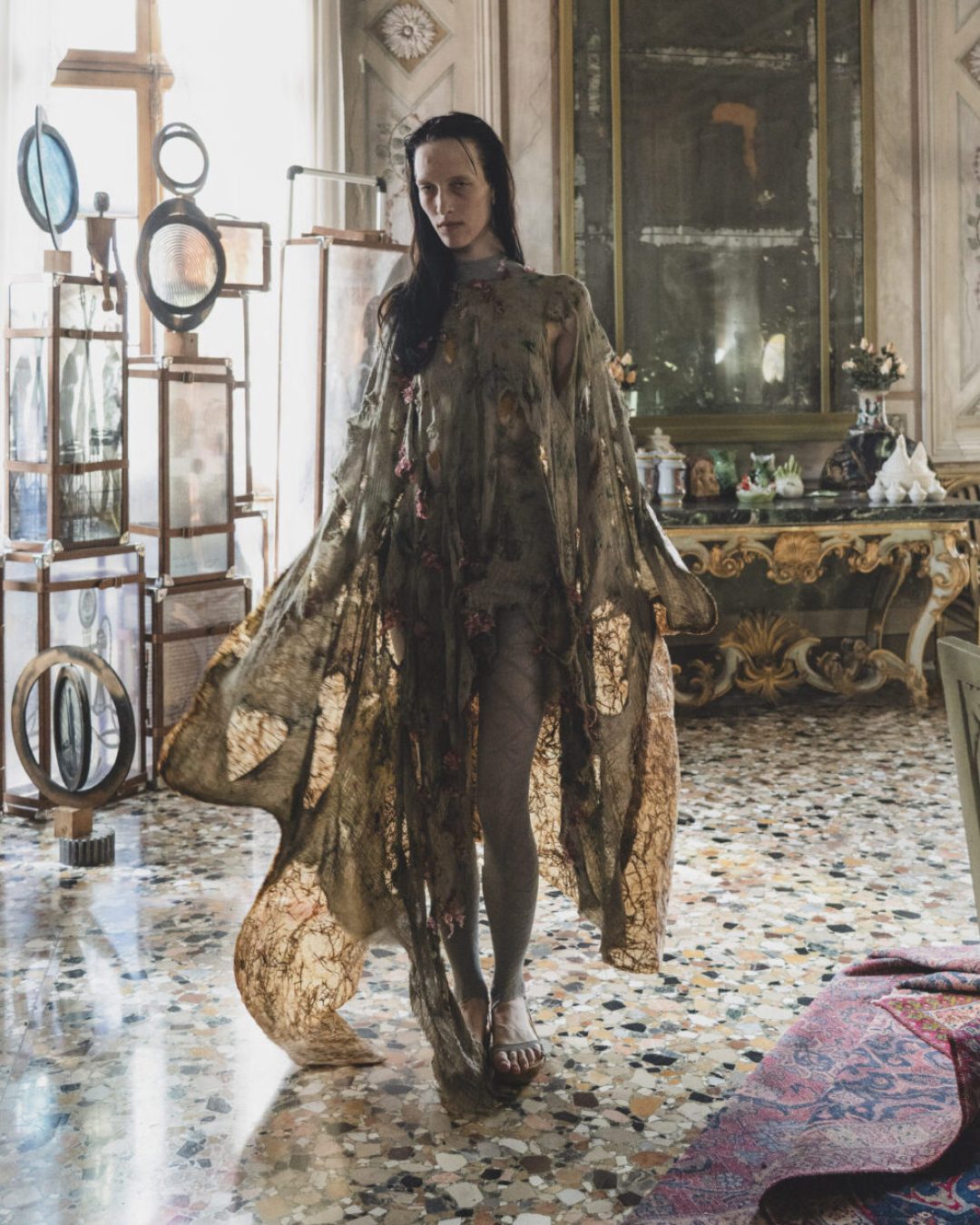
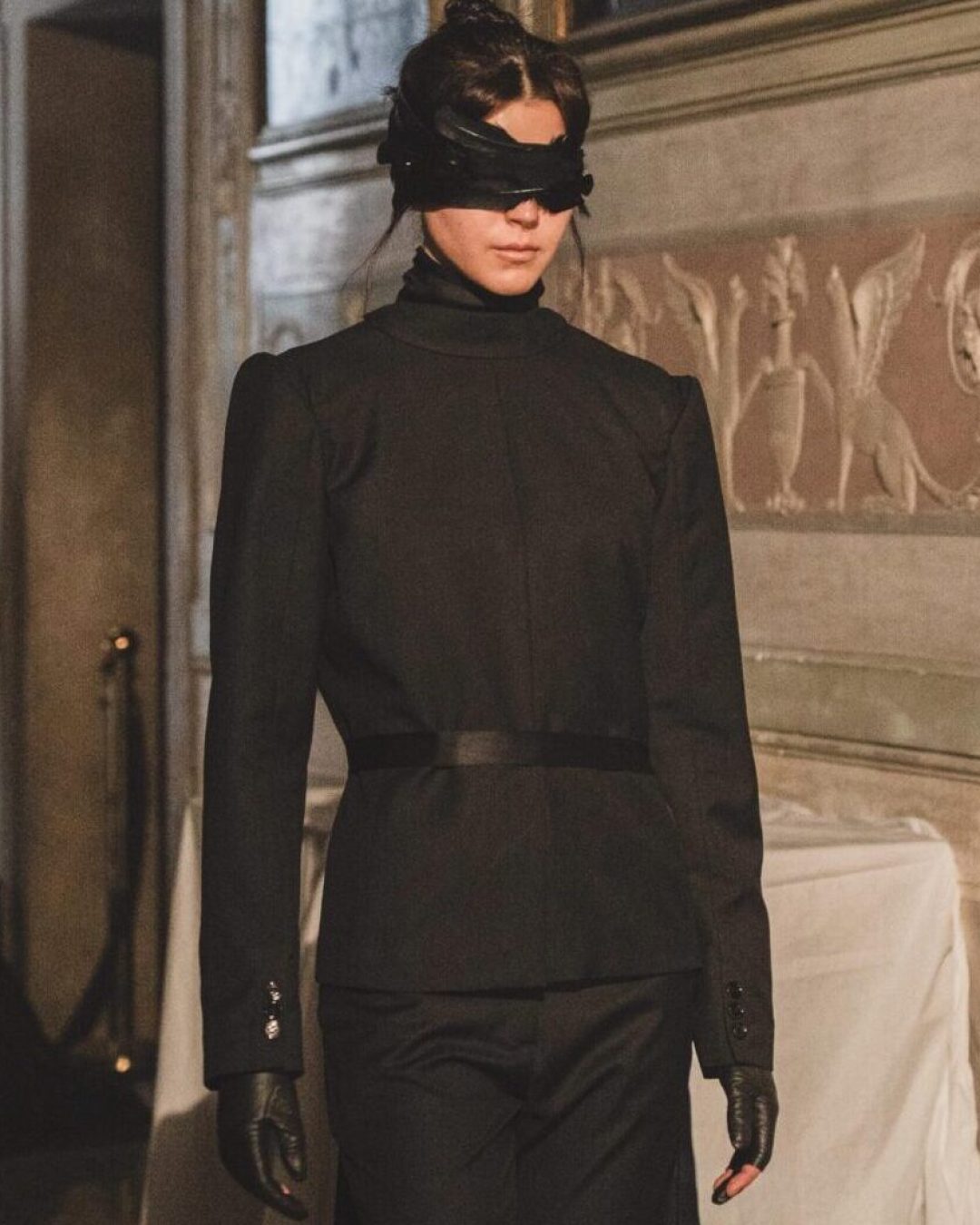
Part of this effort has materialised in The New Creative Voice, which in its latest edition, held in May 2026, marked a significant step forward in the maturation of the project, involving institutions such as Fondazione Sozzani, the Camera Buyer Italia and Fondazione Dona dalle Rose, whose Venetian headquarters, an ancient palace and former ducal residence, hosted a magnificent runway.
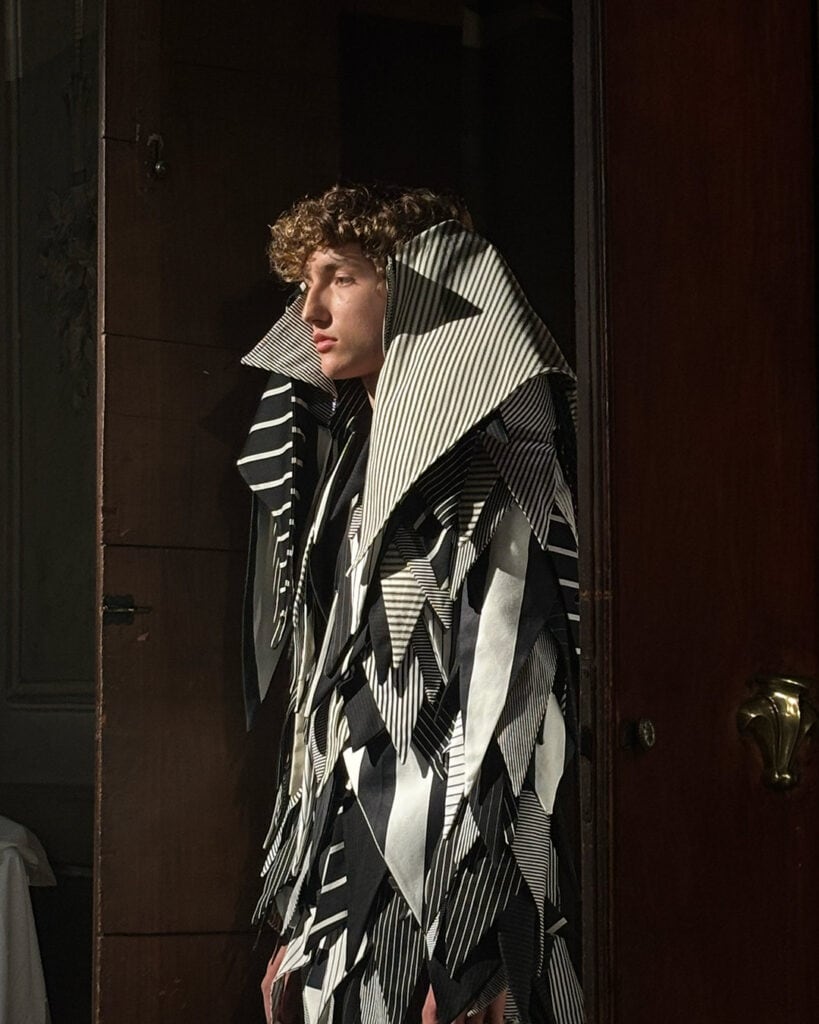
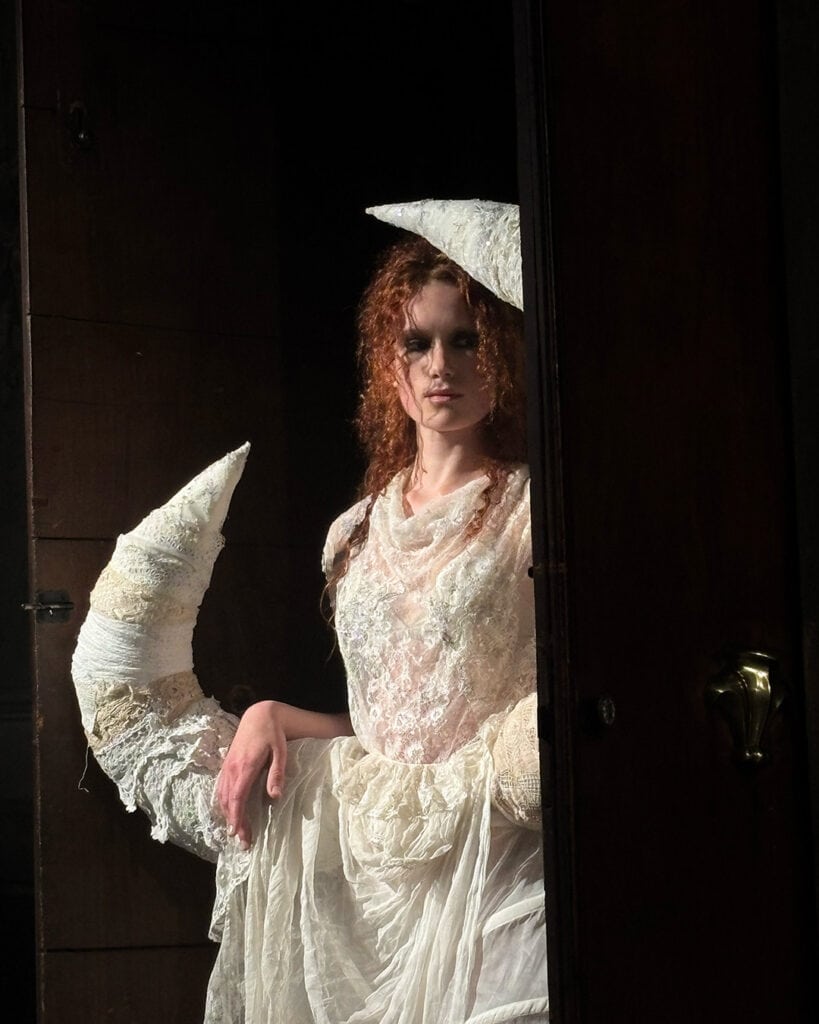
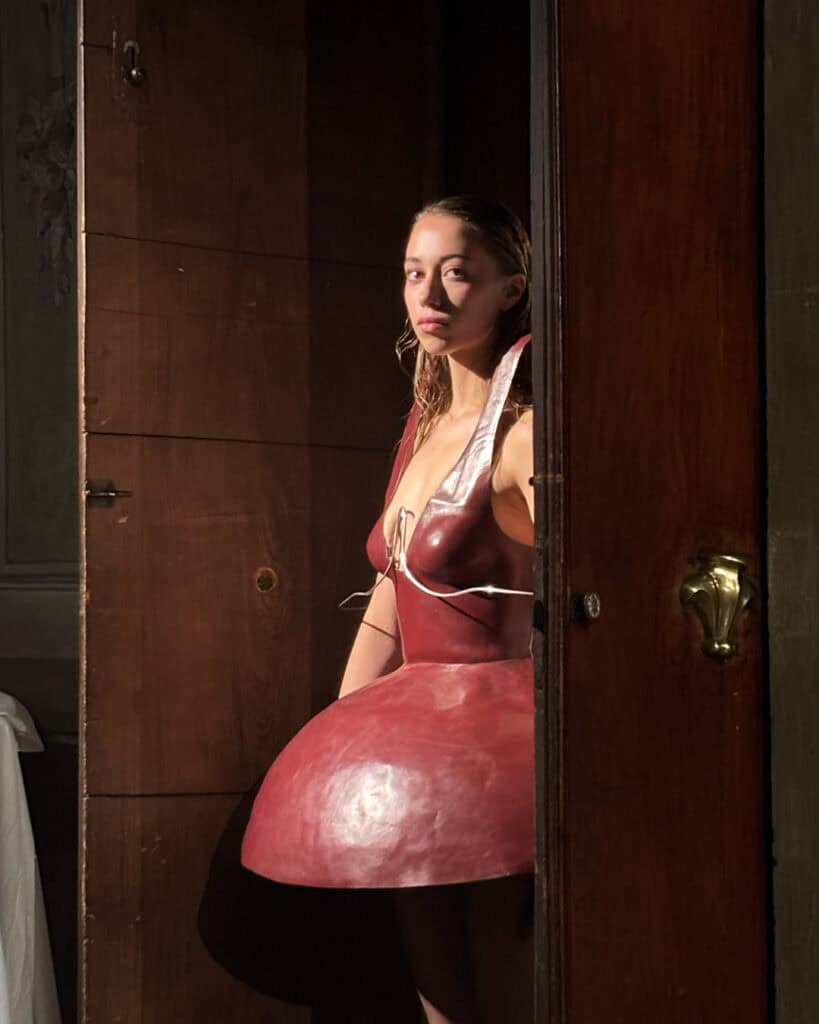
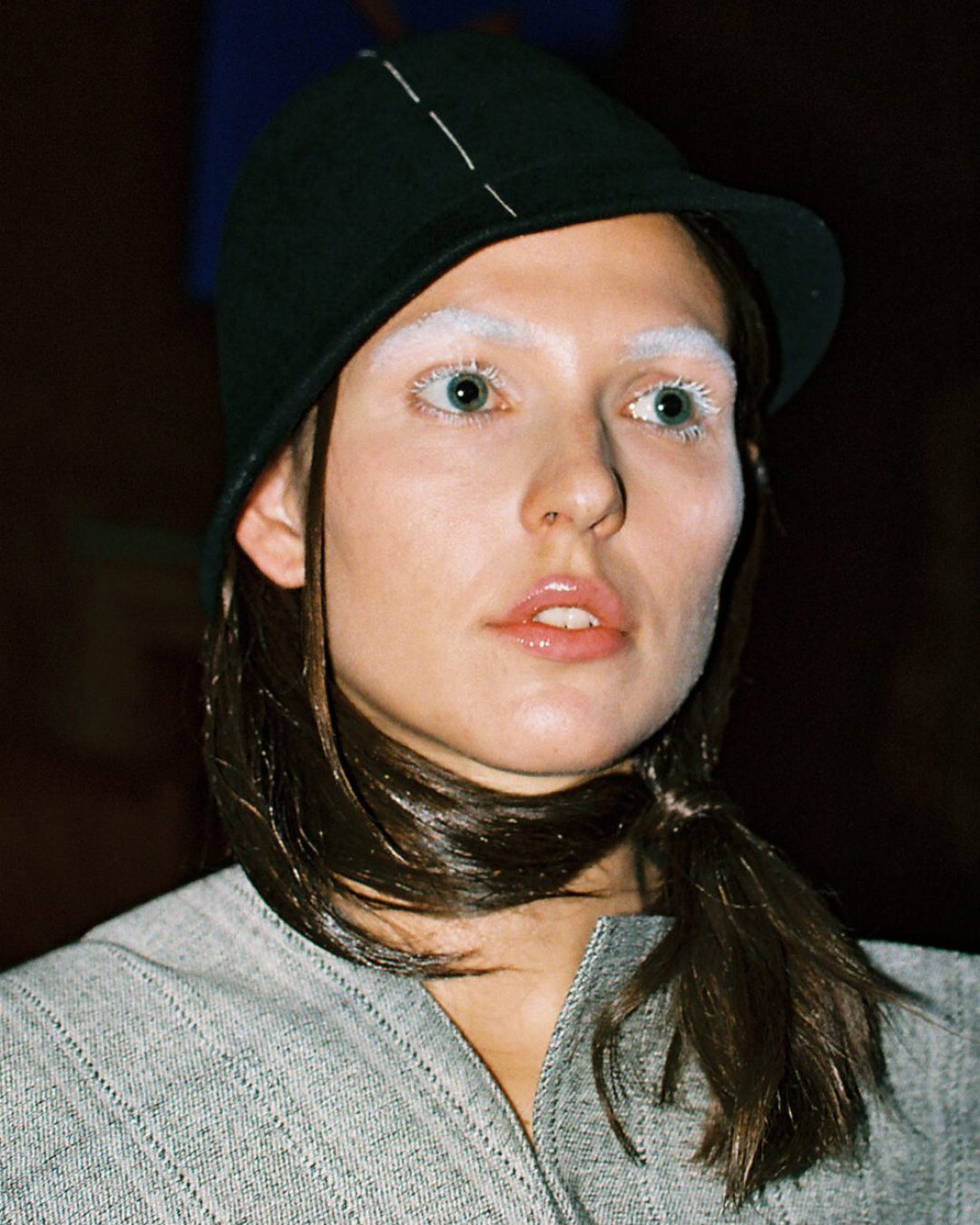
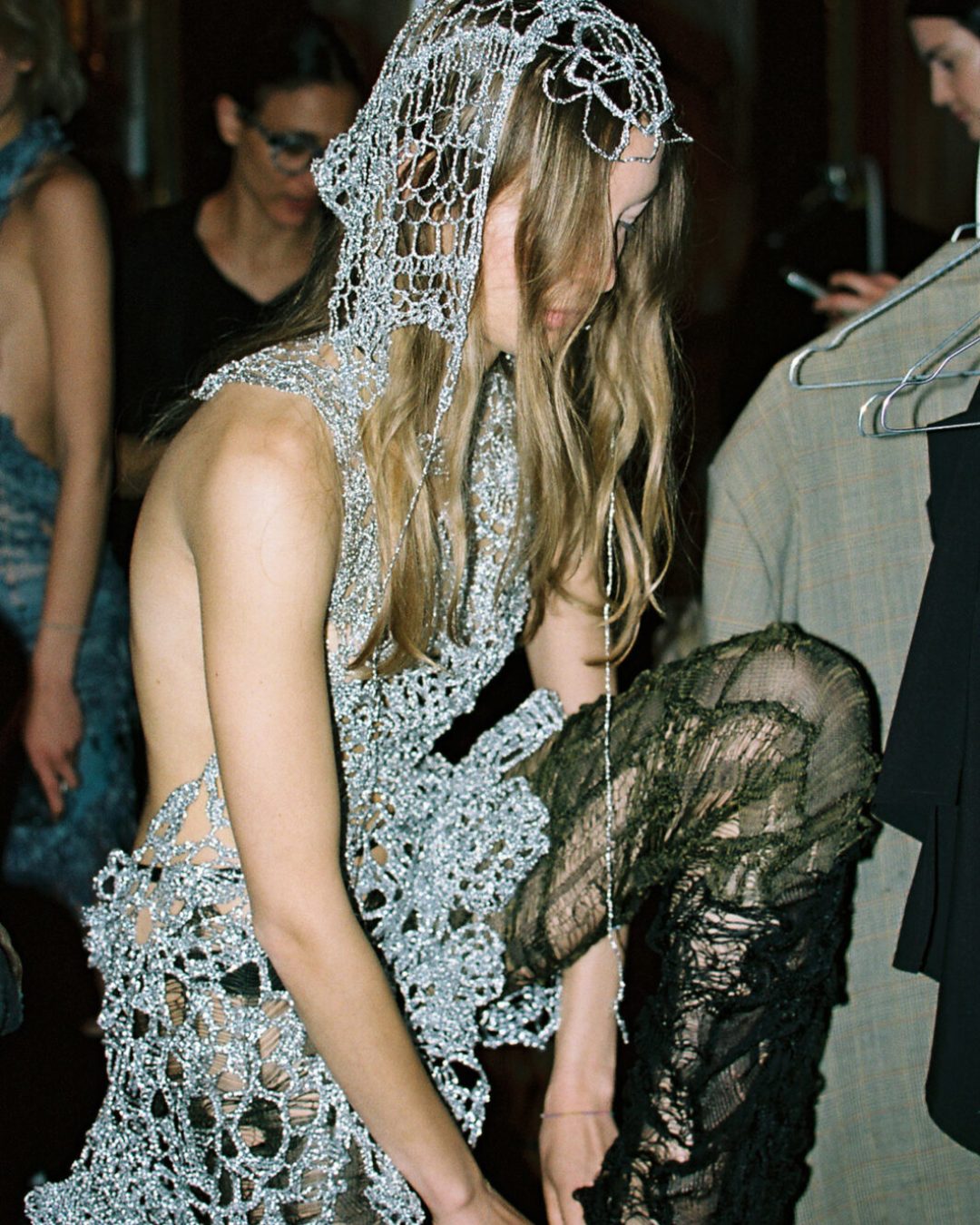
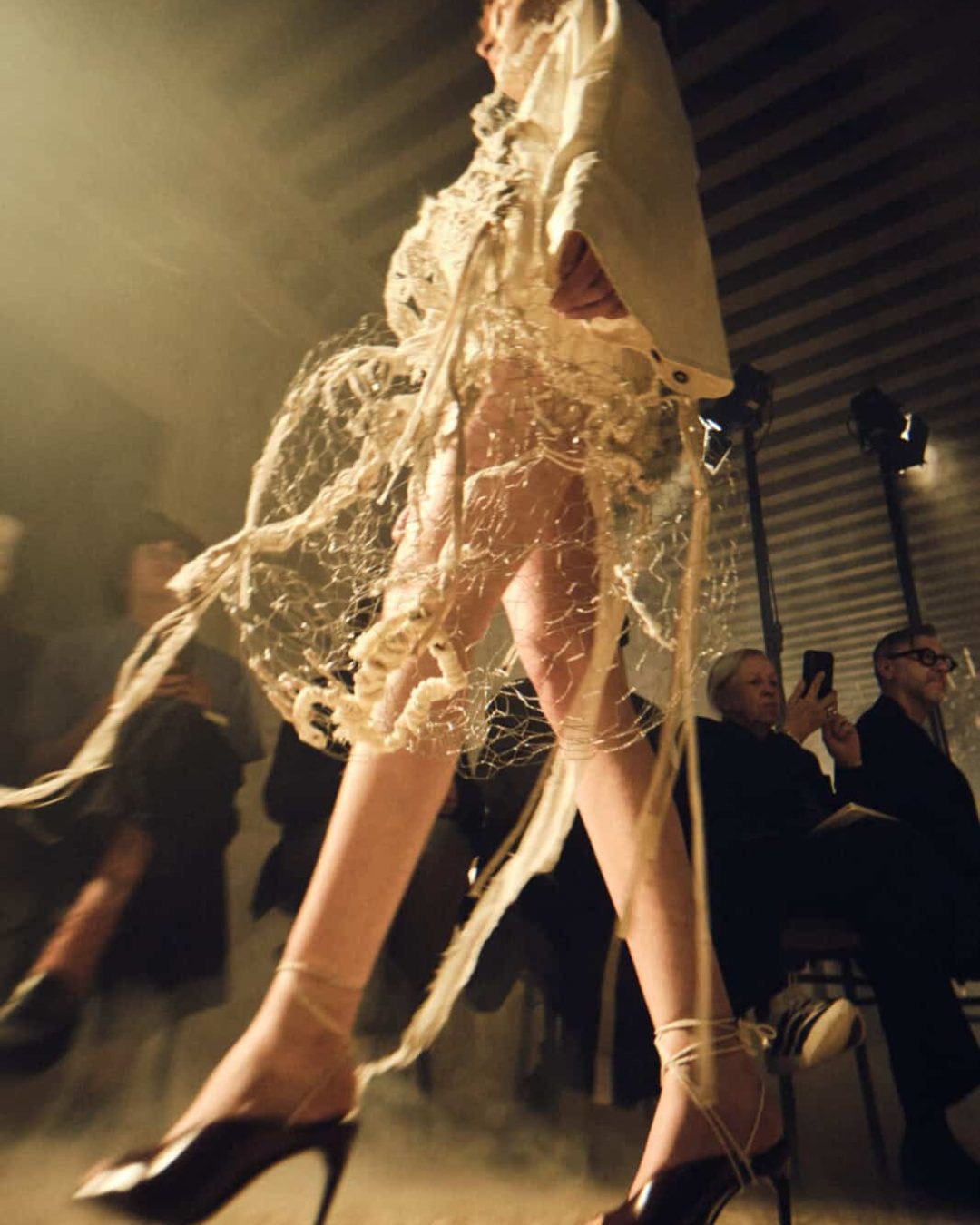
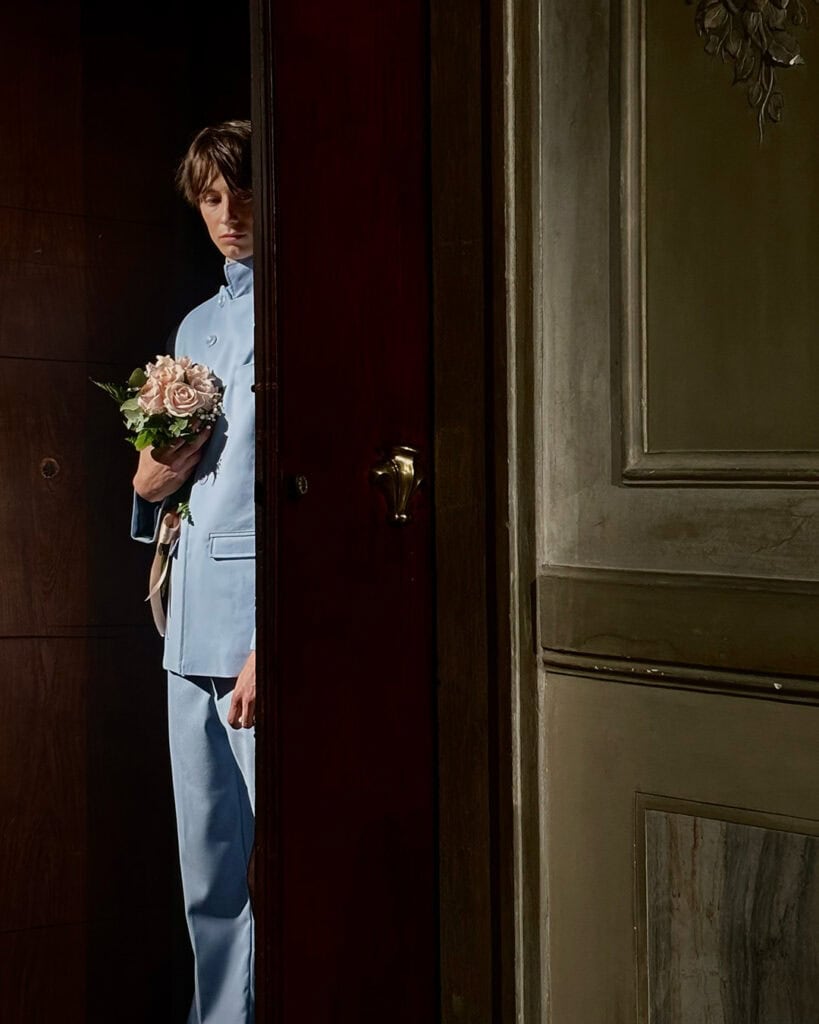
This runway show exemplifies how VBRA’s work allows the young artists it collaborates with to engage in dialogue with the vibration of a living Venice and its visual imaginary, creating connections that, while likely accidental, became infused with meaning through mere proximity and the contagion of the setting. That way the heterogeneous nature of the dozen young designers seemed to activate an accumulation of references from the visual history of Venice. Thus, some proposals, as might be expected, seemed to evoke the carnival and its mysterious masks; others seemed to draw inspiration from the colours of summer on the beaches of the Lido, from the sargassum and mosses of the lagoon’s marsh flora, the lunar melancholy of Pierrot, or the visual references of shōjo, the Japanese manga genre inspired by the androgynous beauty of Tadzio in Death in Venice.
Giving these emerging artists the opportunity to experience the city as creators is by no means a trivial gesture. At first glance, it might seem that Venice is hardly lacking in contemporaneity, given the vast number of biennials, film festivals, fashion shows, and exhibitions of all kinds that constantly use the old palaces of the city of the channels as showcases for international art. Yet this continuous cultural cycle conceals a reality that many people overlook: it is almost exclusively reserved for the great names of the contemporary art scene.
Although more and more cracks are appearing in this wall, most of the designers who participated in this show would have taken years to access this stage; to be able to enter into dialogue with this network that extends deep into centuries upon centuries of history, preserved in the Venetian silt. It is always a good decision to invest in young talent, in the future so as not to forget the past. And it will always be good news when an initiative born from that very youth is capable of opening new paths, creating its own spaces when the world does not offer them.
In this regard, it is tempting to recall what one of the most prominent Venetian Renaissance painters, Paolo Veronese, replied when questioned by the Inquisition regarding his habit of filling every corner of his paintings with characters, sometimes even heretical ones: “We painters take the same liberties as poets and fools… if in a painting I have empty space left, I adorn it with figures according to the inventions that come to my mind.” This statement could easily serve as a manifesto for the generation of VBRA and many other young creators, artists, poets, and fools who, even today, four centuries later, still seek out the remaining spaces in the city of canals to fill them with the inventions that spring from their minds.
In this case, that effort translated into four days filled with showrooms, runway shows, talks, and performances that brought together more than 50 designers, brands and artists to claim a small piece of Venice for themselves: the Scuola dei Laneri, the Gradenigo Gardens, the Querini Stampalia Library… turning this iconic city into the stage for some of their first steps.
COLD Magazine had the opportunity to speak with some of these artists after the show, inviting them to share insights into their creative process and how this project fits within their careers.