
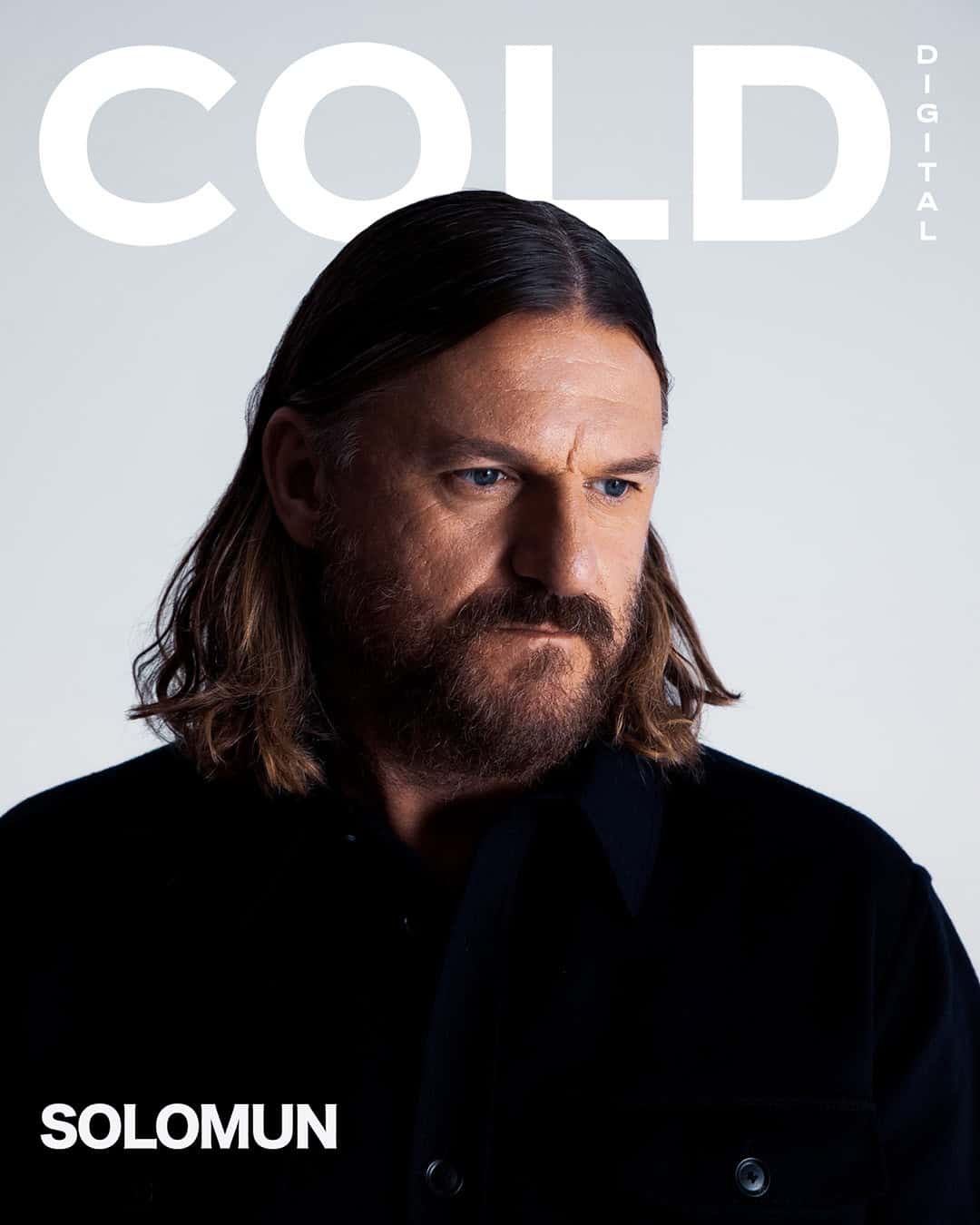
Before music became his profession, Solomun was playing football as a midfielder for the local club HEBC as a child and teen. His parents had moved from what was then Yugoslavia, and Hamburg was where he grew up. Football came first, then film. In his late teens, he was immersed in the city’s squat-centric experimental scene and started working on film projects, inspired by the avant-garde approaches of David Lynch.
You can imagine it suiting him: he speaks with a quiet authority and clearly enjoys orchestrating things, executing a creative idea – which goes some way to explaining the almost 15 years he’s spent putting on one of Ibiza’s most talked-about club nights, Solomun +1. The concept is simple: himself, plus one guest of his choosing. This year’s list has included Dixon, DJ Gigola, Kettama, Peggy Gou, Jamie XX, Idris Elba and Skrillex.
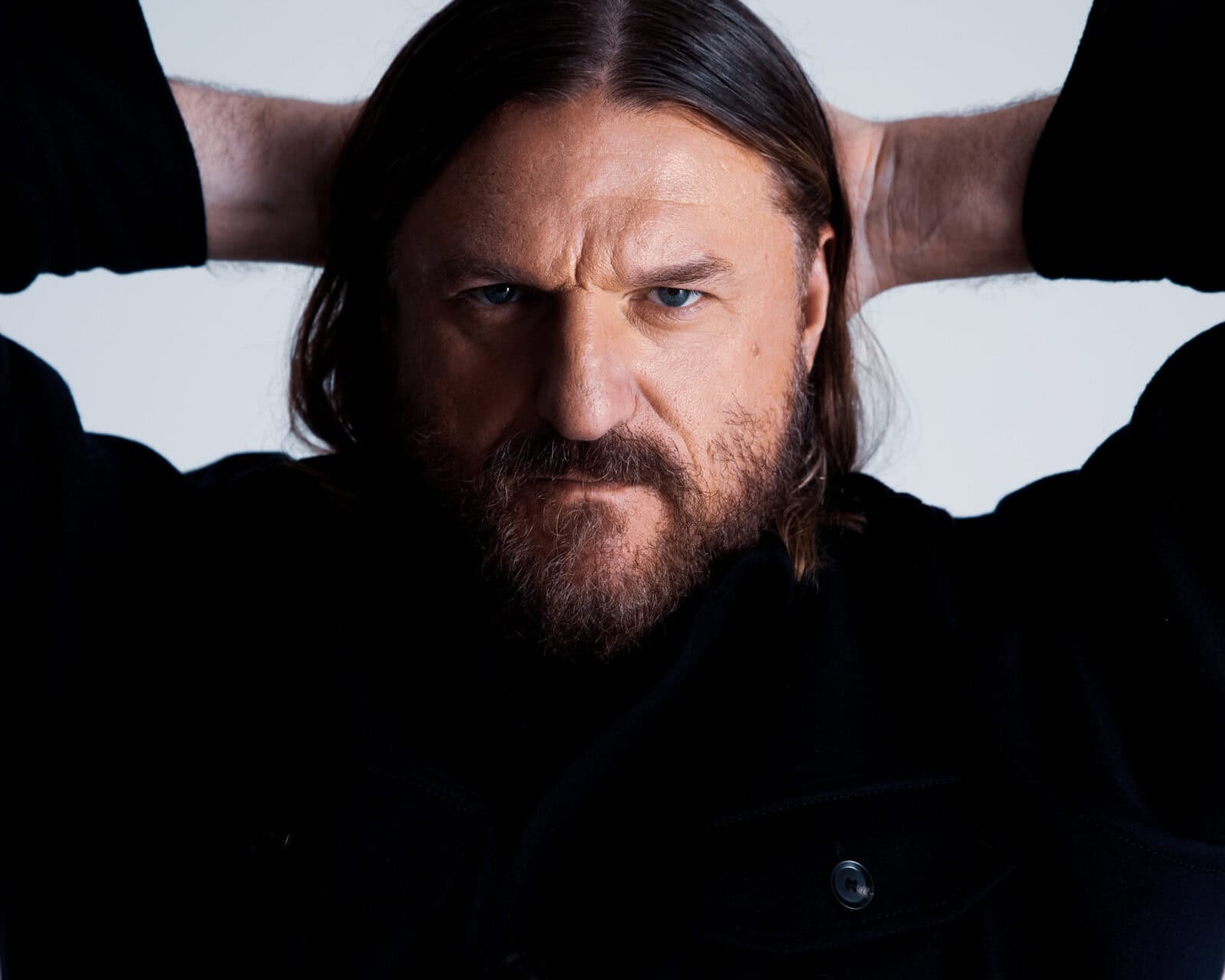
But music came later, at least as a career. His childhood was spent digging through record shops, listening to music his cousin passed on to him, going to hip-hop clubs, and occasionally getting caught up in the protest-heavy energy of Hamburg’s streets. Rave culture hit him differently. “I loved it. The way of partying, listening and dancing to music where everyone’s treated with respect.” He’s held onto that. For ten years now, everyone walking into Solomun +1 at Pacha is handed a note at the door: film less. If you want to take a memory home, take it, but never with flash. On an island that lives off tourism, nobody was thinking that way a decade ago. “We’re all here to let go, to dance, to enjoy the music, to live in the moment.” Not a ban, not a lecture – just a note from someone who still believes in the room.
From spinning funk, soul and hip-hop at a youth centre to teaching himself to produce in his living room, music eventually took over. This led him to found his label DIYnamic. What started as a platform for Hamburg’s underground developed into a mainstay electronic label, still here 20 years later, a testament to his commitment to the scene. Thousands of demos arrive every month, from all over the world. To keep that manageable he works with an assistant he has trained himself over the years: someone who clears out what is completely off and sorts what is left roughly into two folders. The selection doesn’t happen there. What matters to him just as much is the other side of it: anyone who sends a demo is writing to a human being, and gets an answer. No AI in between. He still listens to new tracks every single week, the same way he did in those early days in Hamburg.
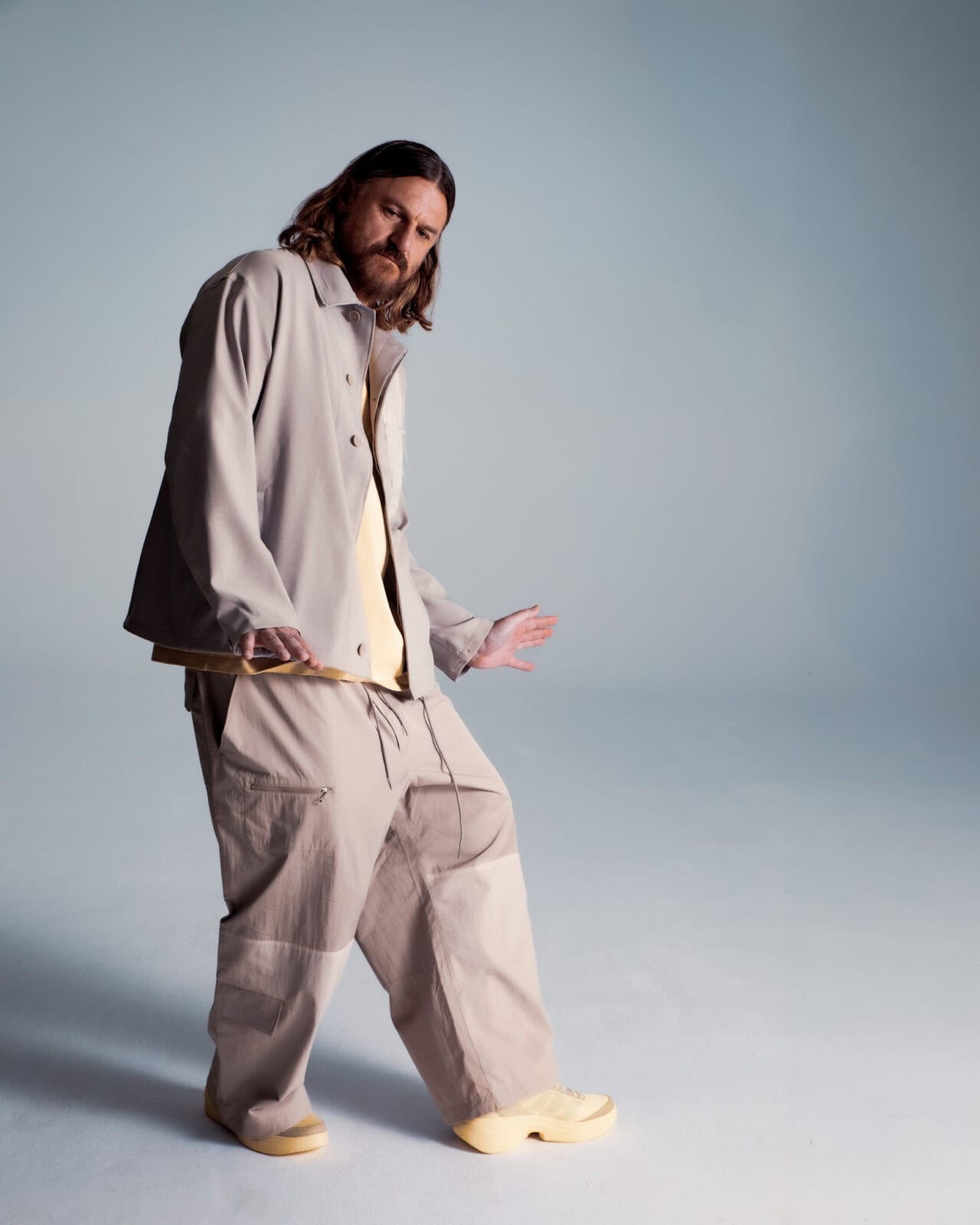
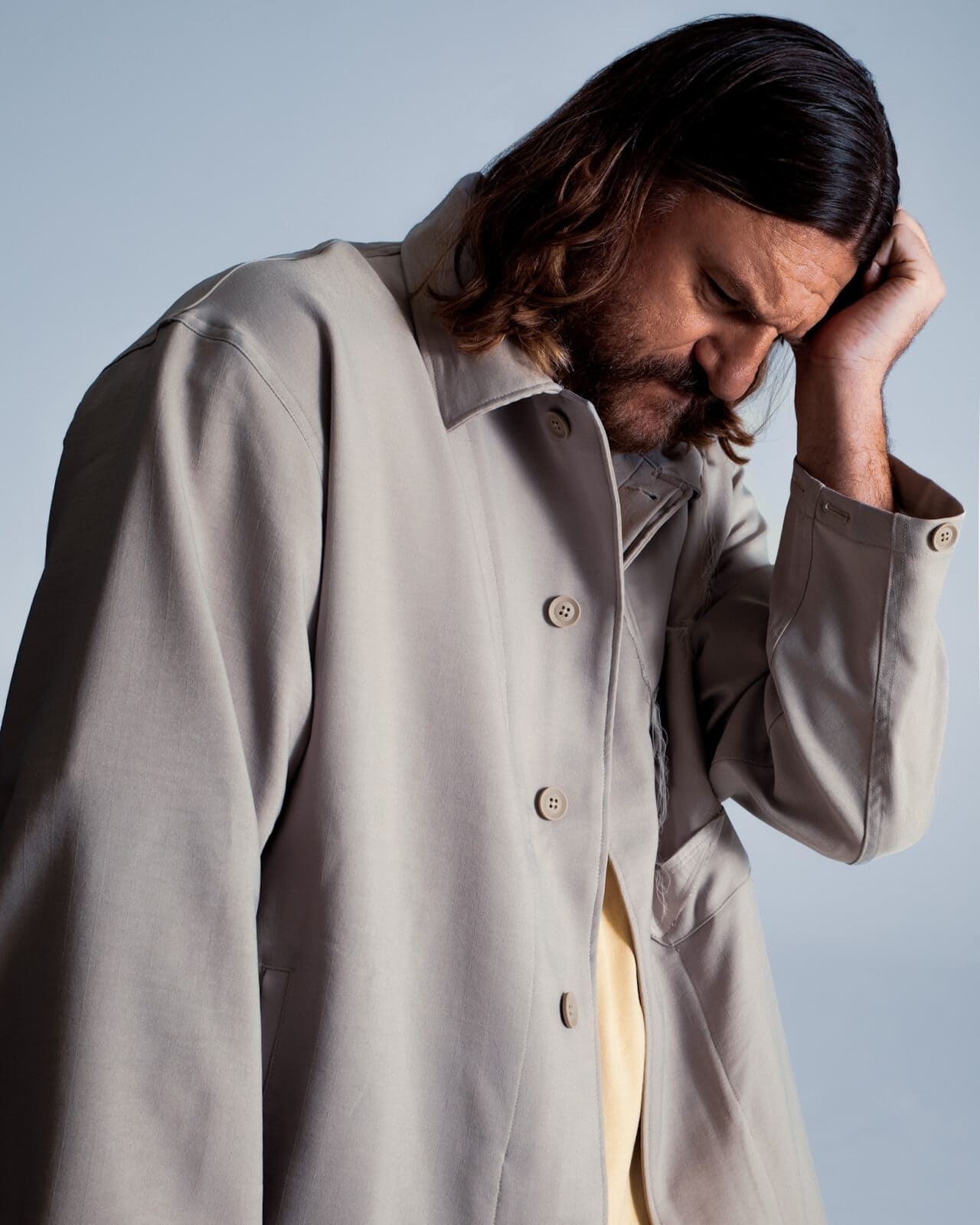
What he looks for, in demos or in anything, comes back to the same idea: the music has to speak to you. He’s thoughtful about this. When I mention a record I’ve been obsessing over – Ninajirachi’s I Love My Computer – he doesn’t pretend to connect with it, but he understands immediately why I do. “It touched you because it’s authentic and from a person.” He means it.
His two-night run at London’s Alexandra Palace sold out in February. Six months later, he turned the footage into a three-hour film and put it on YouTube. A quick scroll through the comments shows how much the night stayed with people.
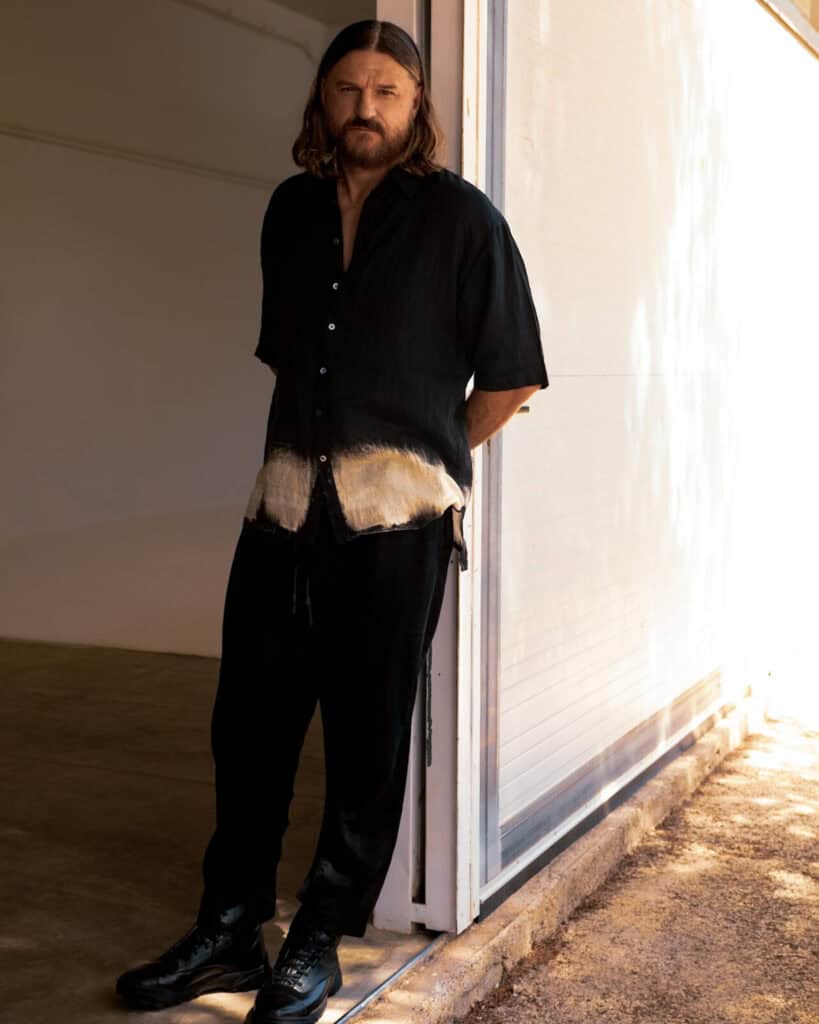
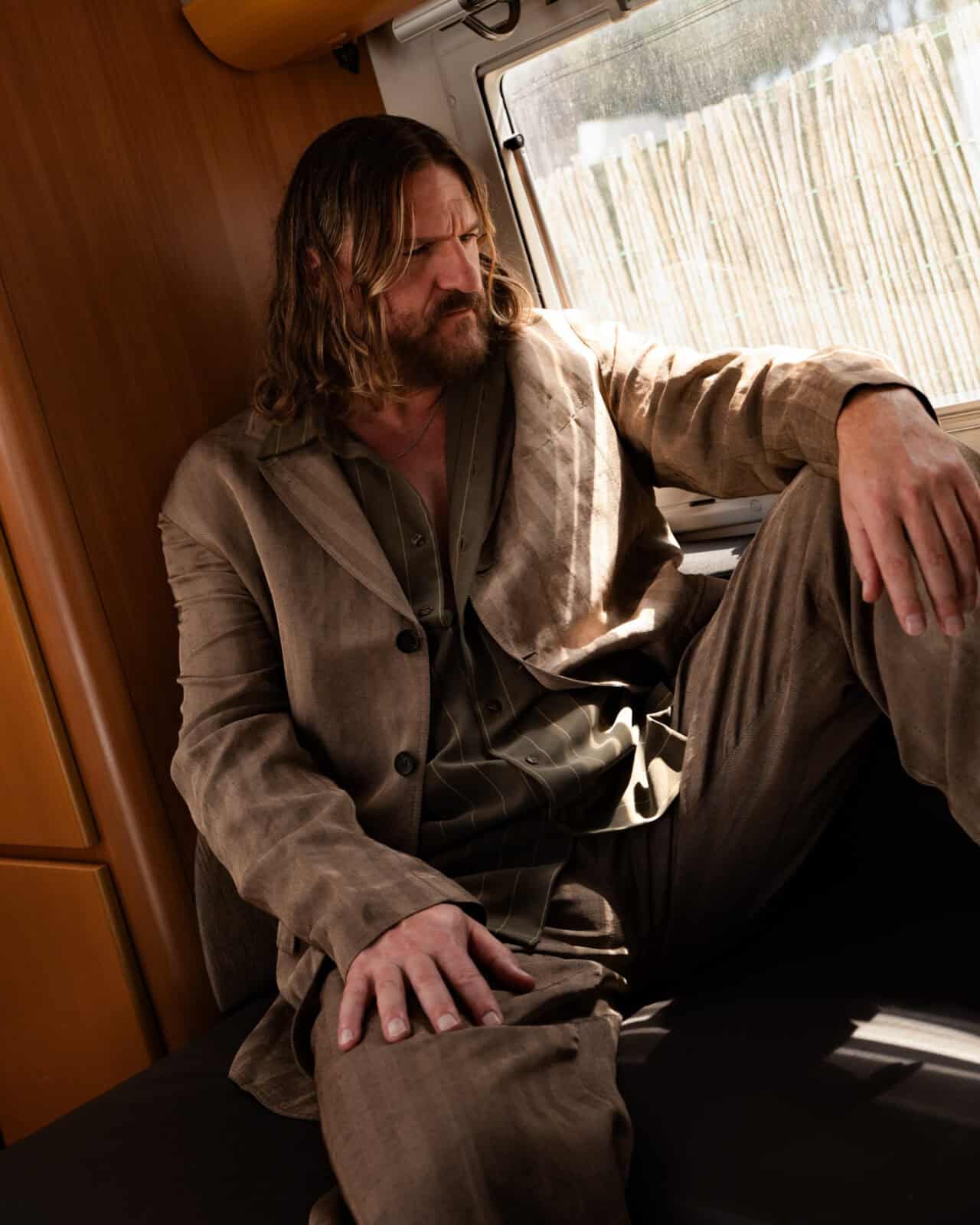
Maybe that’s part of what keeps drawing him back to Ibiza. The island has been inhabited since at least 654BC, colonised in the sixties and seventies by hippies drawn to its natural extremes, the dancing ocean, the roaring rocks, and some of that original attitude to pleasure has stuck. Solomun takes both the raving and the recovery very seriously. The day after Solomun +1 he always takes some time to recharge – swimming, playing tennis, or just moving through the island at his own pace; which is something, given he often plays until 7am.
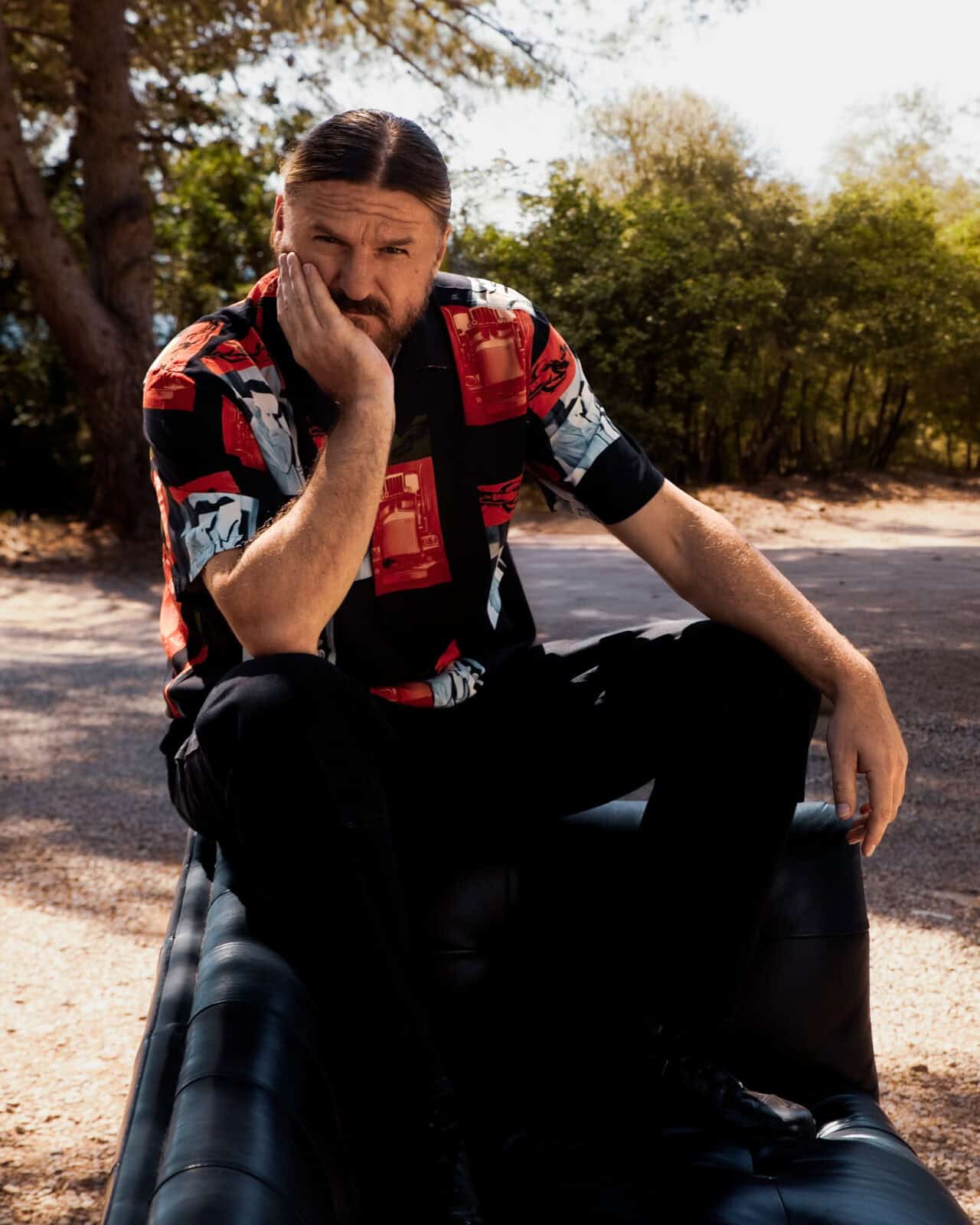
His first time DJing on the island, in 2011, was at the opening of a club inside a hotel that closed not long after. Not a great start. What worked better were his two seasons at Sankeys with DIYnamic, in 2012 and 2013, which gave him a foothold and a following. Pacha also came 2013, and with it, something clicked.
Solomun; anyone who sees him work at Pacha immediately understands the appeal. He approaches a set the way a good director approaches a film, as a story with its own arc, its own logic and its own moments of release. Sound moves in waves. Most of it isn’t immediately identifiable; it comes from somewhere internal, pulled from years of listening. As long as the music plays …


