“Nostalgia is the childhood I missed out on because I wasn’t straight”, Mars, the founder of the internet aesthetic rave Internet Culture, tells me. “But nostalgia can breed optimism”.
Internet-forum-meets-rave events take nerdiness as their guiding principle, drawing on video games, anime, cartoons, and the alternative scene of the 2000s and early 2010s – a time the actual ravers, mostly aged 18-23, were too young to experience but nonetheless remember.
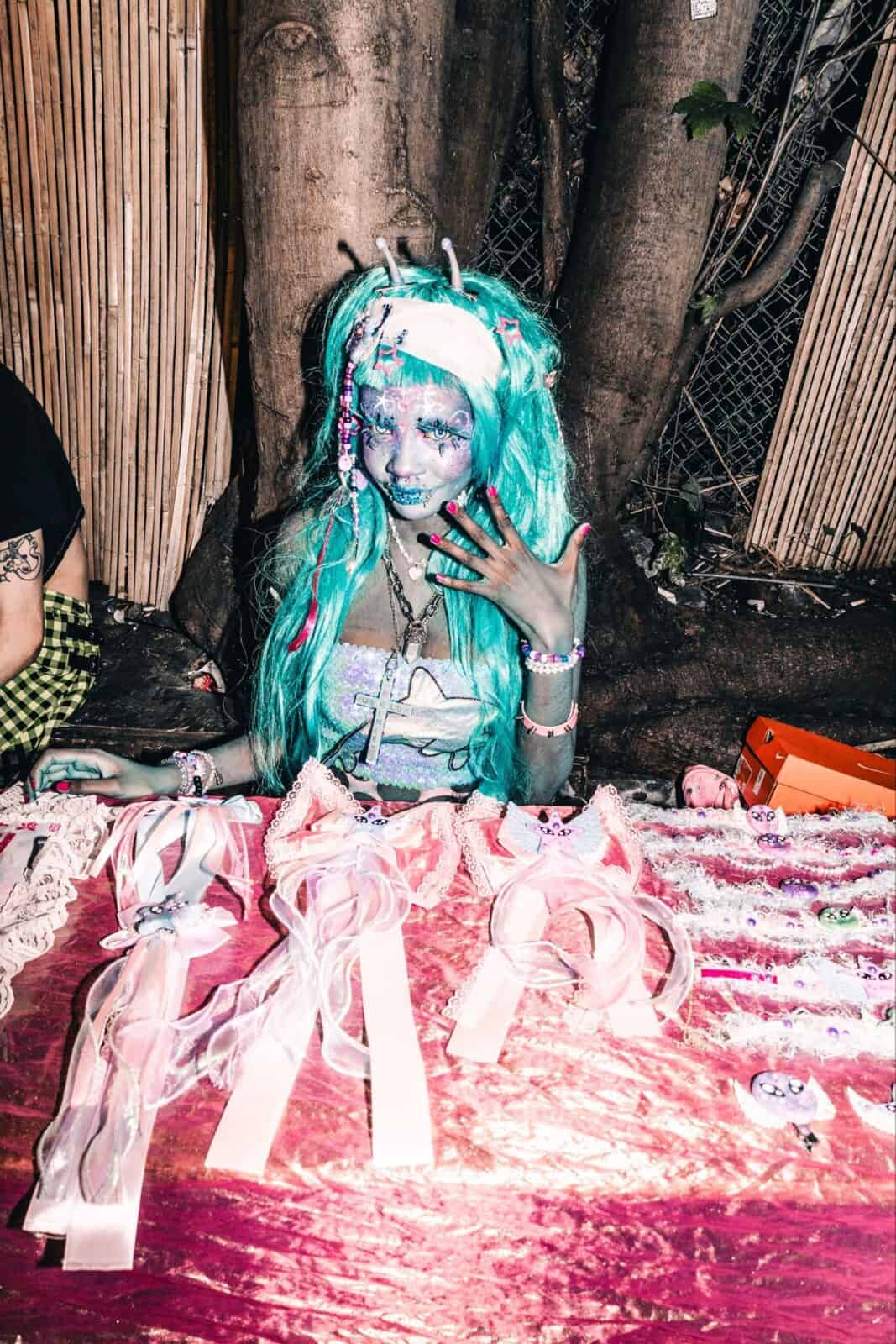
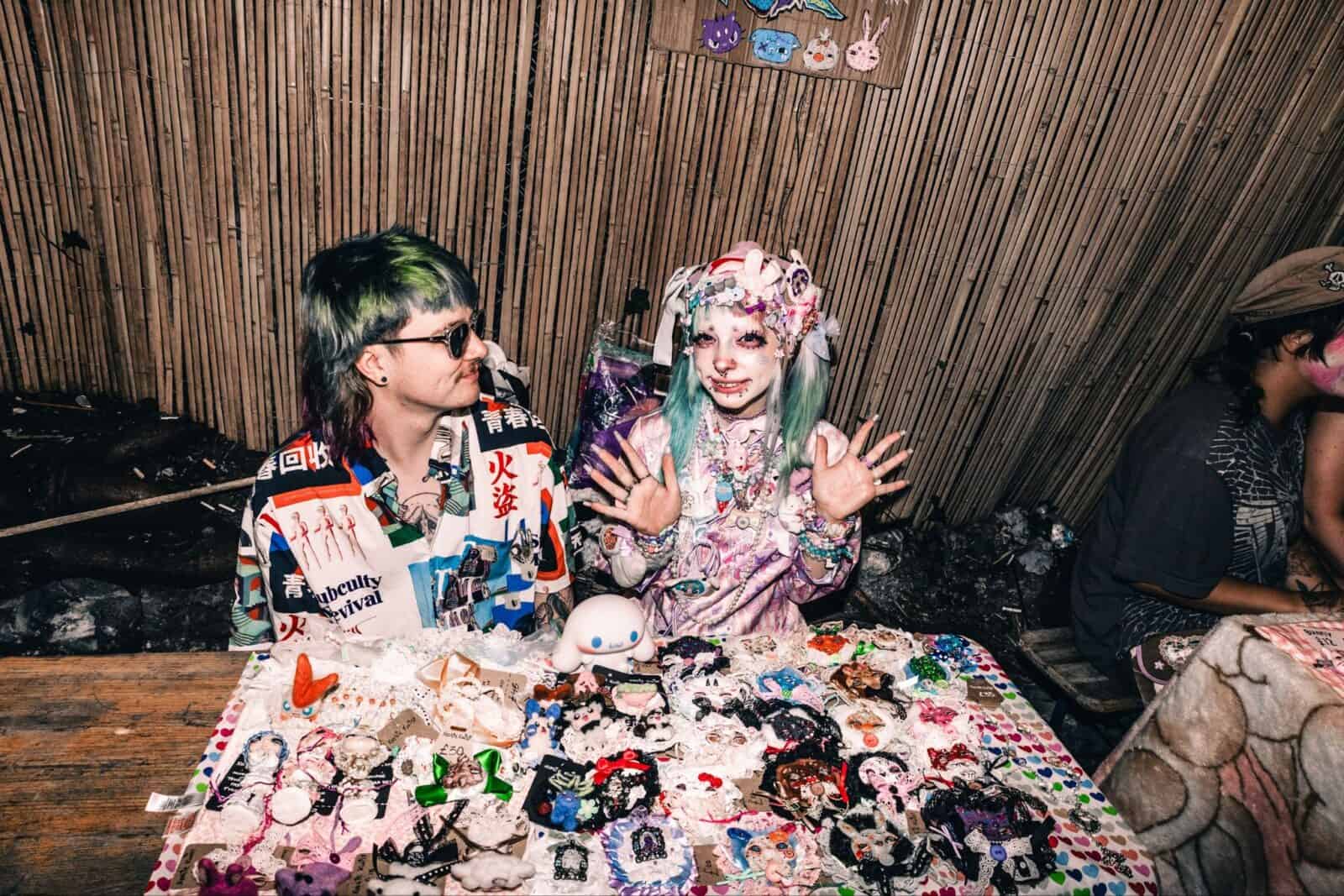
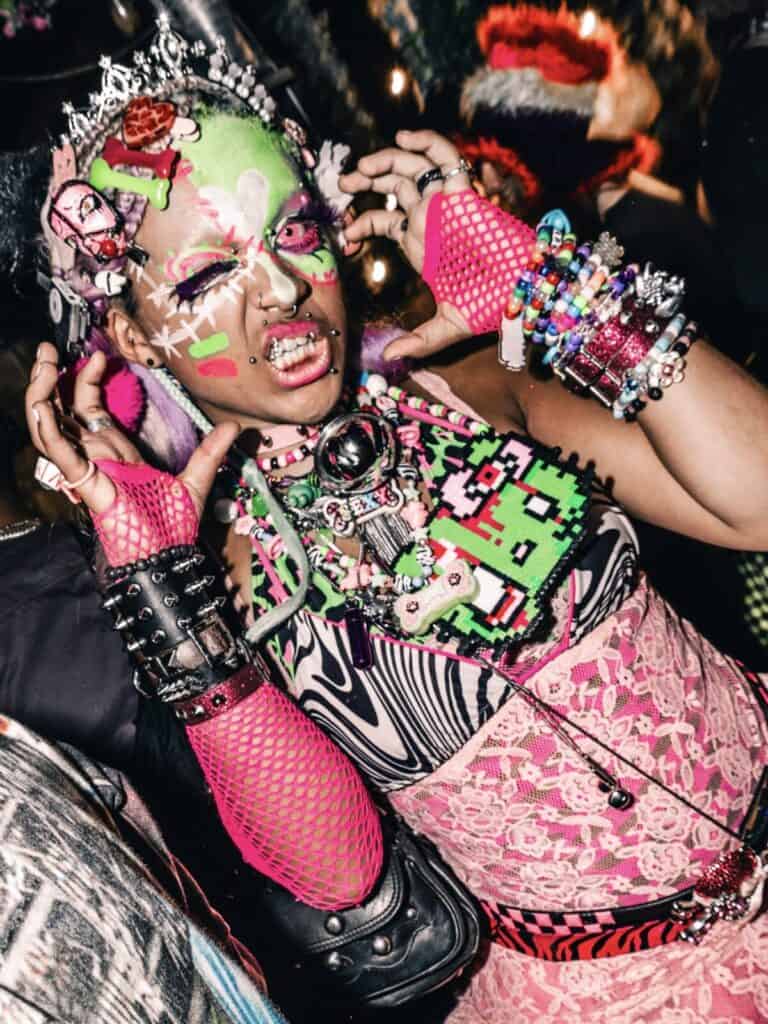
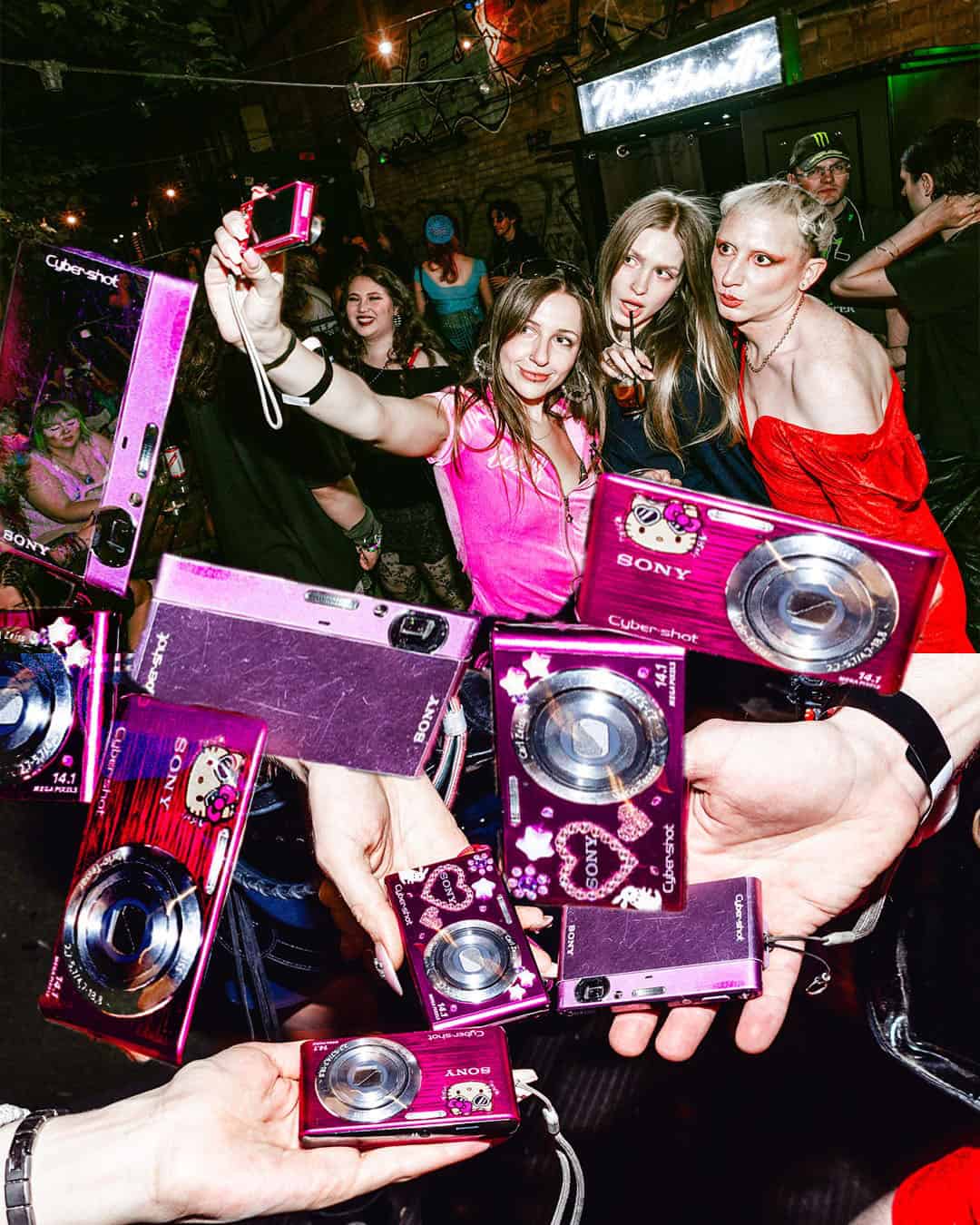
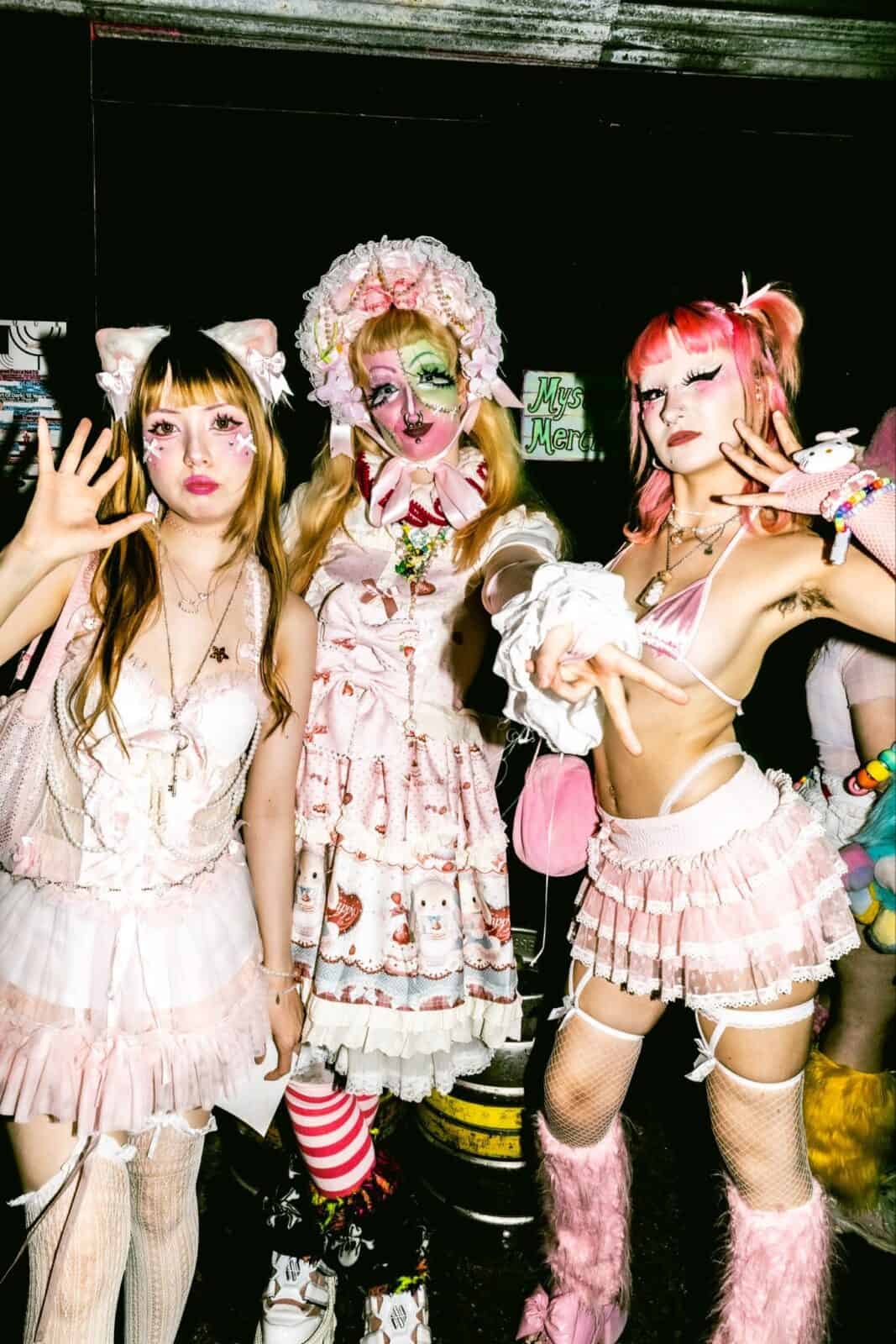
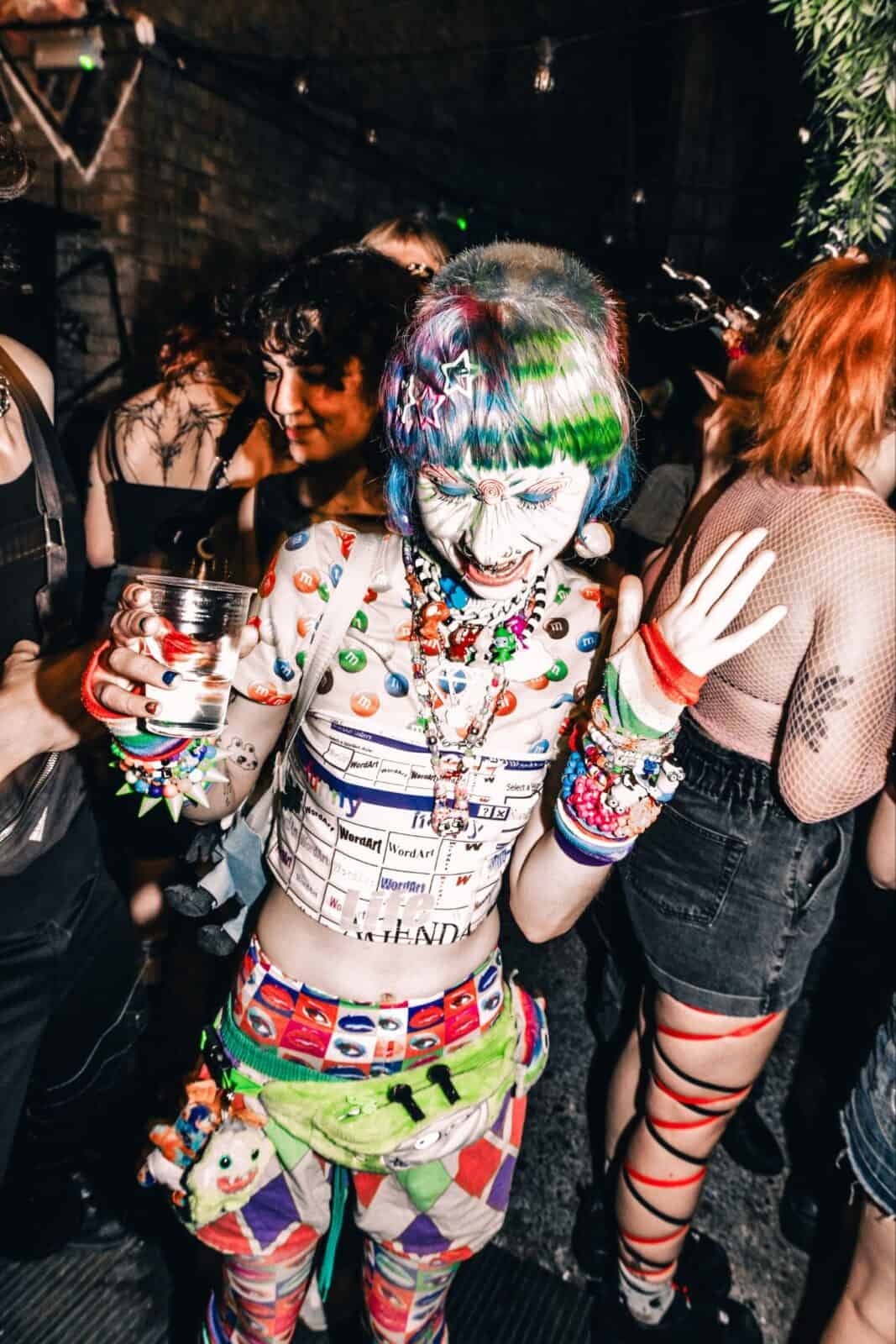
Outfits are maximalist and brightly coloured and full of meme references. Much of the fashion has Japanese influence and is taken from the 2000s “scene kid” style, such as the crazy-coloured hair and side-bangs, or the stripy tights and studded belts. Rainbow accessories and plastic jewellery are everywhere. Musically, “nightcore” (noughties internet music from gaming, anime and YouTube culture sped up to sound like a chipmunk) dominates the decks and the edits range widely from the Foo Fighters to Ninajirachi. Few songs escape unedited and the bpm rarely drops below 160. In these events, London’s alternative queers relive their childhoods.
Since 2022, Internet Culture has been at the core of London’s internet rave scene. Mars takes me through the vision behind their most recent event, #sports. Before the rave at Vespers Club in Peckham, Internet Culture hosted a daytime meet in a local park which featured a water fight, dodgeball and an egg and spoon race. Mars says that they came up with the theme as a resistance to the idea that sport wasn’t for queers. “It felt like we were all kids again,” they tell me, “I’ve literally never had this much dopamine in my life.”
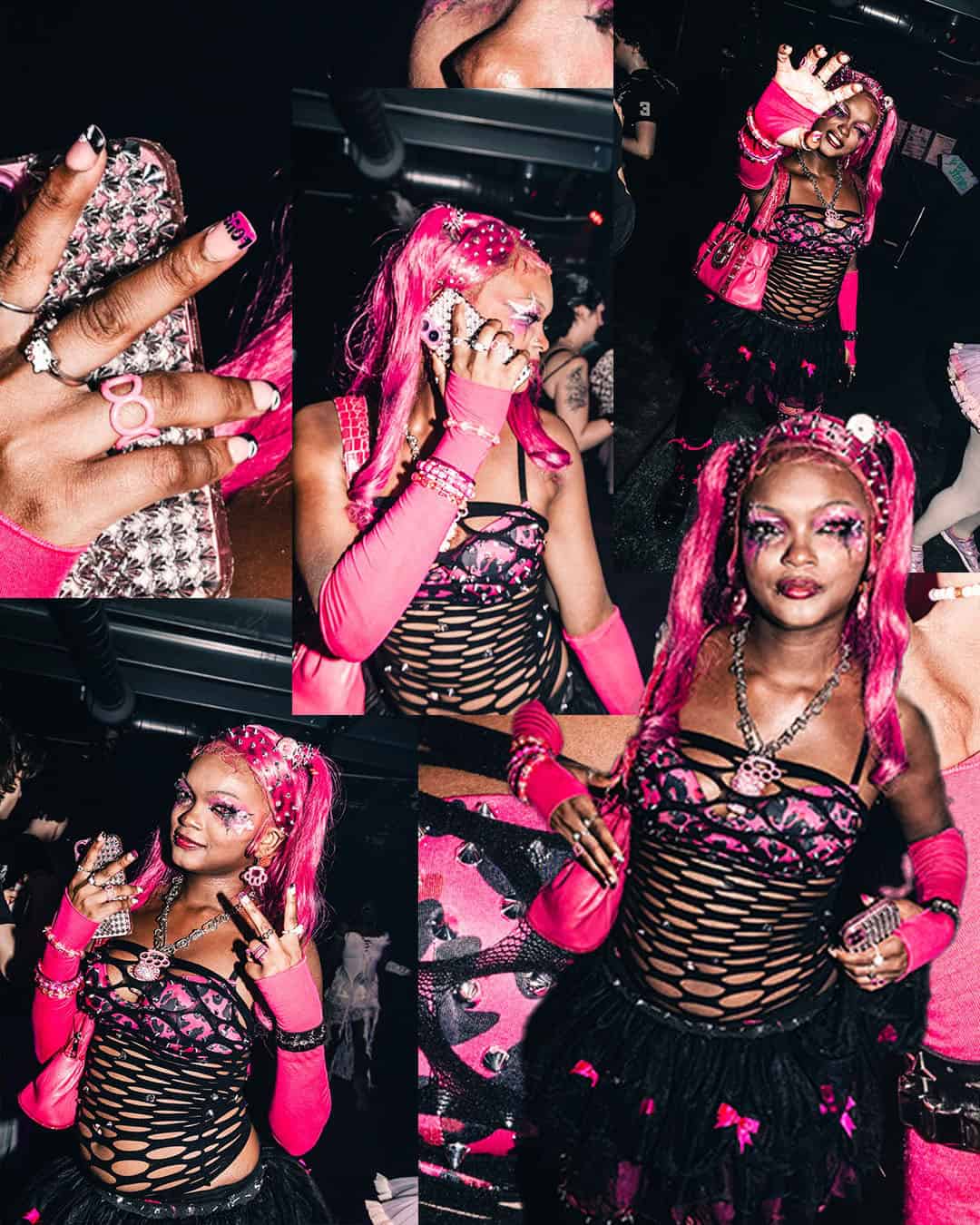
Nostalgia makes up the lifeblood of queer internet raves. It means different things to different people, but it comes back to politics for most. Mars talks about nostalgia as an imagined alternative childhood in which queerness didn’t mean marginalisation and lack of opportunity. This ethos is central to Internet Culture and was the driving idea behind both #sports and Queer Prom, which took place in February. Events like these let queer people live out the childhood they never got to experience alongside other queer people.
Mars explains that though you wouldn’t find queer kids in Duke of Edinburgh or prom: “the beautiful thing about growing up in the 2010s was that you could very much find those people on the internet…and now, finally, when we’re at a place where we’re comfortable with ourselves and surrounded by our community, we’re like, let’s recreate those moments and put a bit of a positive spin on those things, you know what I mean? It feels kind of healing.” Internet Culture recreates in-person the experience of finding other queer people online. It’s reliving the best parts of growing up and rewriting the worst.
Compulsive Leia, who runs the rapidly-growing internet rave Pixelate, draws an even closer link between nostalgia and the internet. She describes the internet in the 2010s as her “old happy space” and explains that it is now very different, run by huge corporations spending millions of dollars to get people addicted to algorithmic content. Leia says that she is often surprised by how much the younger generation remembers the internet that she grew up with, even though they might have missed out on that era themselves. It comes to represent something similar for them too: a simpler time, aesthetically rich and with a strong sense of online community. The freshness of finding community online, which drove much of the development of early internet subcultures, is just as powerful among the youth of 2026 as 2006, and people don’t need to have been there themselves to identify with that era.
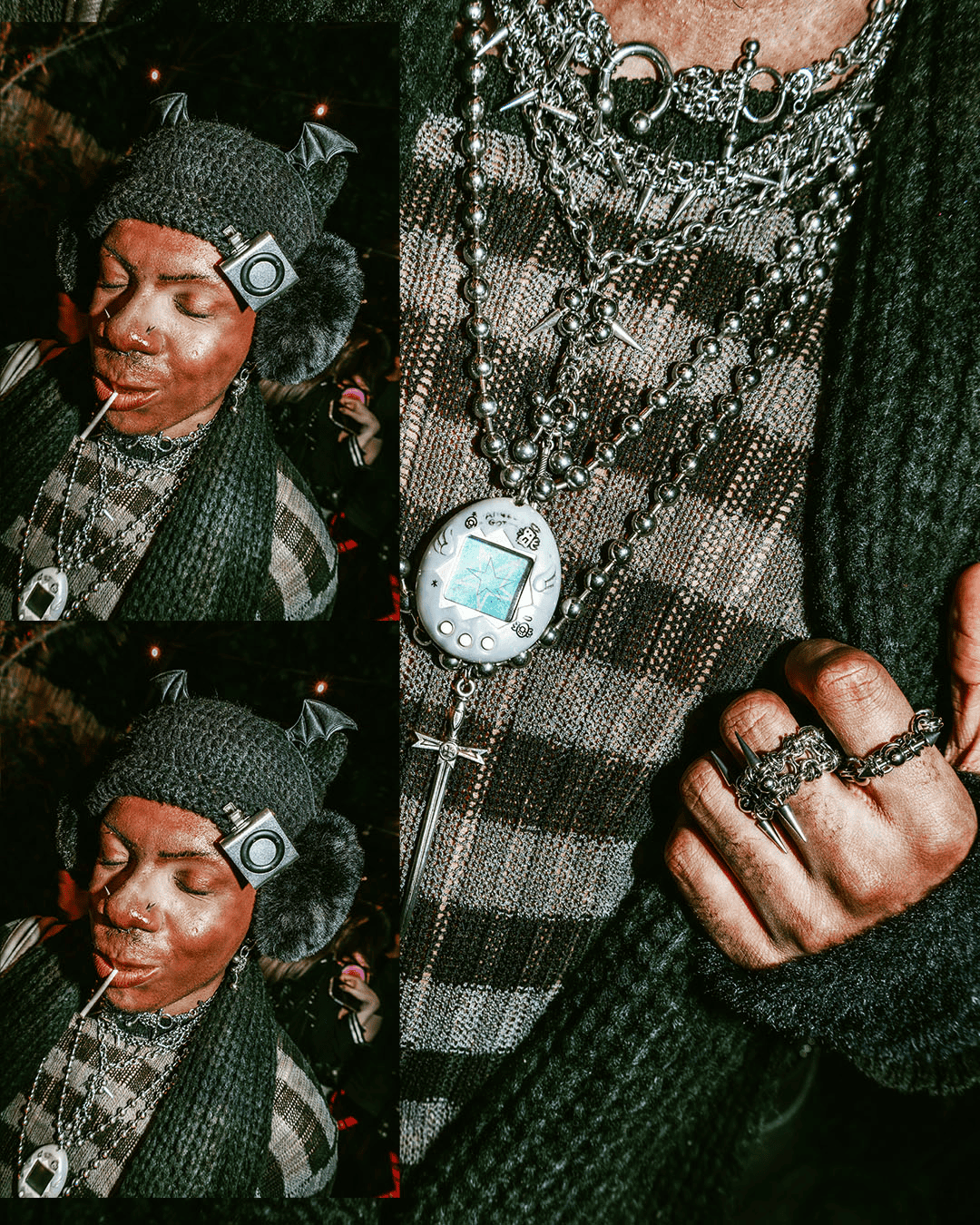
Leia tells us that her events try to keep that old happy space alive. It’s not a lost paradise, she explains, it’s just that online communities have changed. Where online friendships used to stay online, “nowadays people find their own space in person through the internet”. Like Mars, she sees opportunity in using the internet to bring London’s queer community closer together.
Leia touches on the political landscape that makes this especially important at the moment. “Everything’s getting a bit serious: there’s economic uncertainty, bills to pay.” The queer community is facing growing discrimination under the government’s new anti-trans legislation and transphobic hate crime is on the rise. Several major queer venues have closed down in recent years, with more closure on the horizon. Nostalgia is both an escape from these realities and a source of inspiration for the community. Bonds grow out of shared reference points and the nerdier they are the more safety they create. Bring on Madoka Magica cosplay. Bring on handmade furry suits.
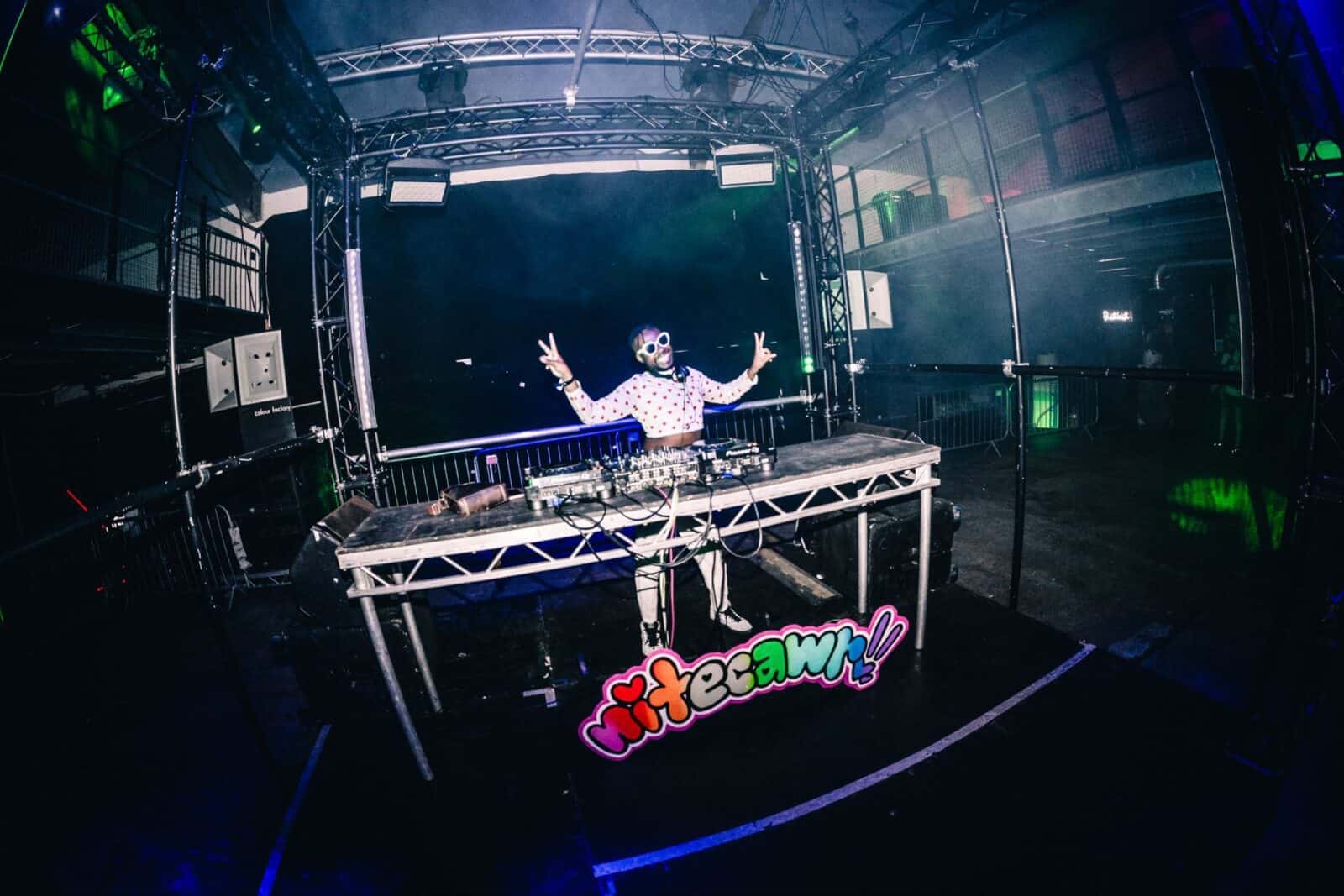
I spoke to regulars at Internet Culture and Nitecawr, an internet nostalgia rave that has been running since 2024, to find out what the internet rave community is like and why these events are important. There were a wide range of routes to the scene, but everyone discovered it through online alternative spaces.
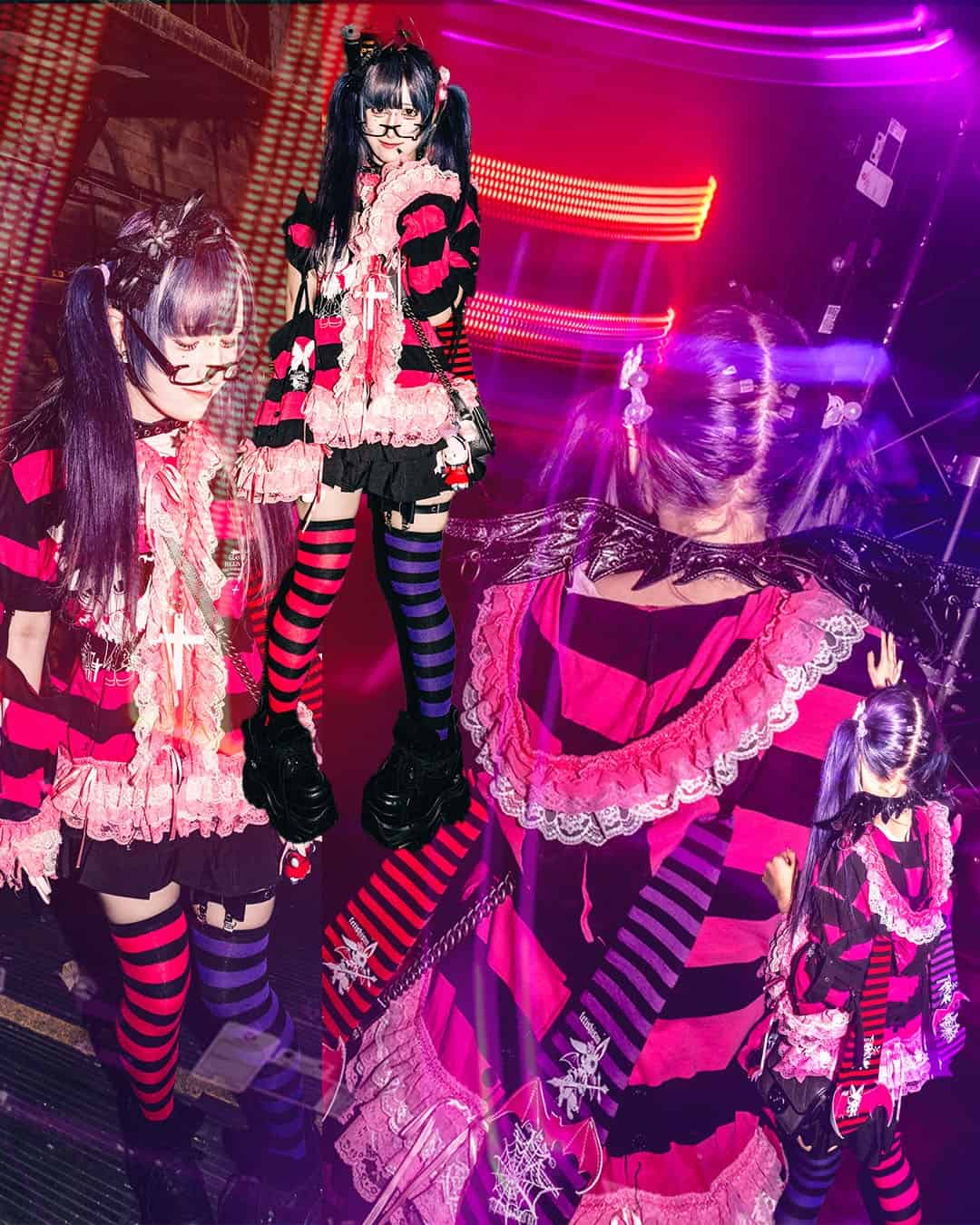

At Internet Culture, @lemonlenz_, who photographs many internet nostalgia raves, explains that they got involved through the emo night Not A Phase, and there met the founder of Pony Party, another internet nostalgia rave. @lowkeyawolf, also at Internet Culture, describes themselves as alternative and emo and says that they grew up listening to nightcore and hyperpop. They went to Nitecawr as soon as they turned 18 and have been going to internet nostalgia raves ever since.
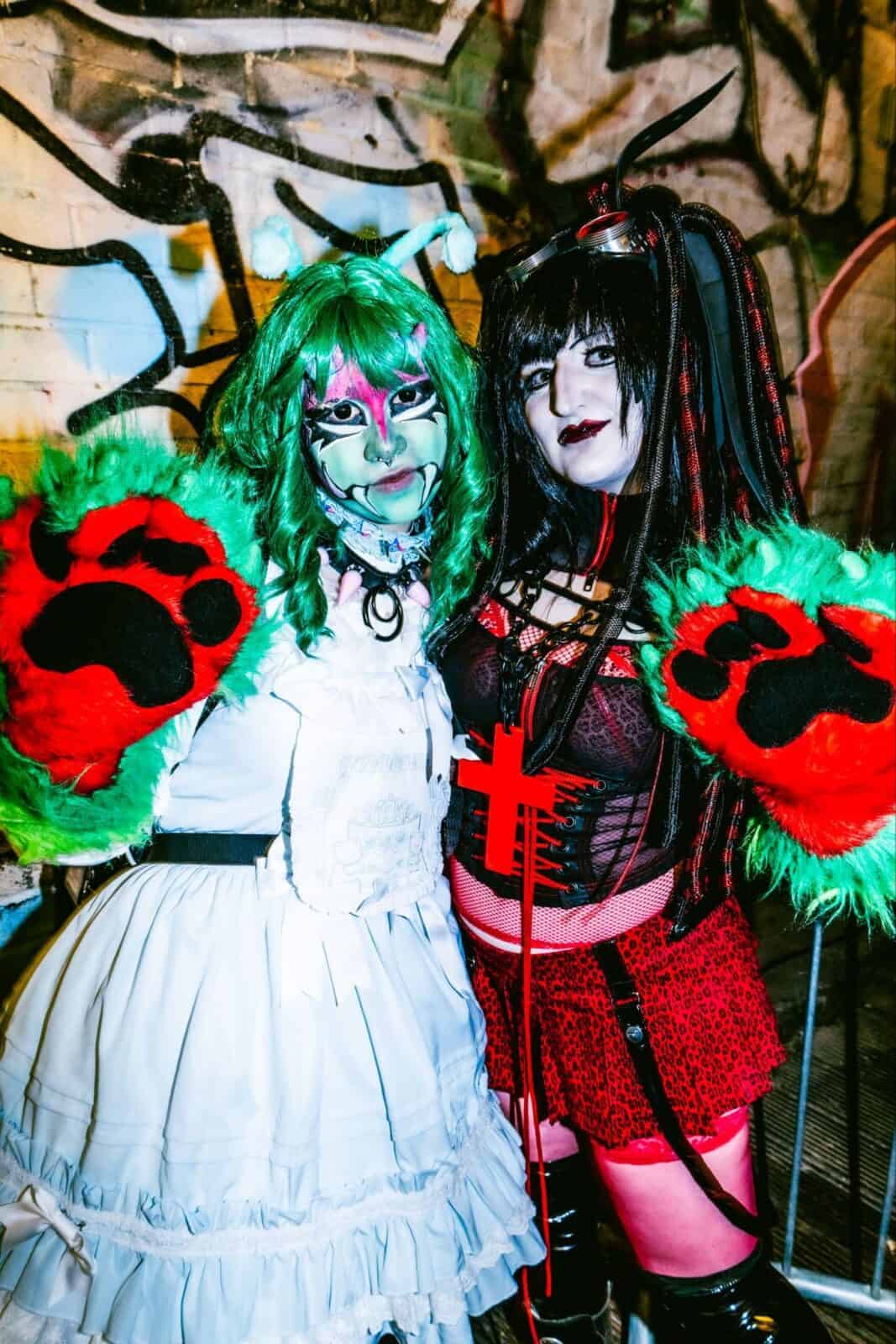
The ravers I spoke to at Nitecawr mostly came to the scene through cosplay and cartoons. Luke and Will, dressed in furry suits with huge cartoon heads and gloves, explain that they got into internet raves because it’s a furry friendly space with similar music. Both nightcore and furry culture are rooted in internet nostalgia and the aesthetics of the 2000s, so there’s a lot of overlap between the two fandoms. Dante, sporting an entirely pink lace dress, explains that they are influenced by Visual Kei and Decora, maximalist Japanese styles that have worked their way west largely through anime. Decora, which stylises Japanese childhood aesthetics, has nostalgia inbuilt. Lily and Sophia, dressed in a red and black steampunk outfit and cartoon bug makeup respectively, tell me that they met by the ball pit at a Nitecawr last year. ‘I was a massive weeb growing up and I’ve been going to Comicon for years,’ Lily explains, ‘Now we go to Comicon together’. I ask her about Comicon afterparties, but she tells me decisively that ‘MCM afters are just not it…the music’s better here, everyone’s more chatty’. I’d heard a similar sentiment from Compulsive Leia, who said that the disappointment of Comicon afters was one of the things that inspired her to create Pixelate.
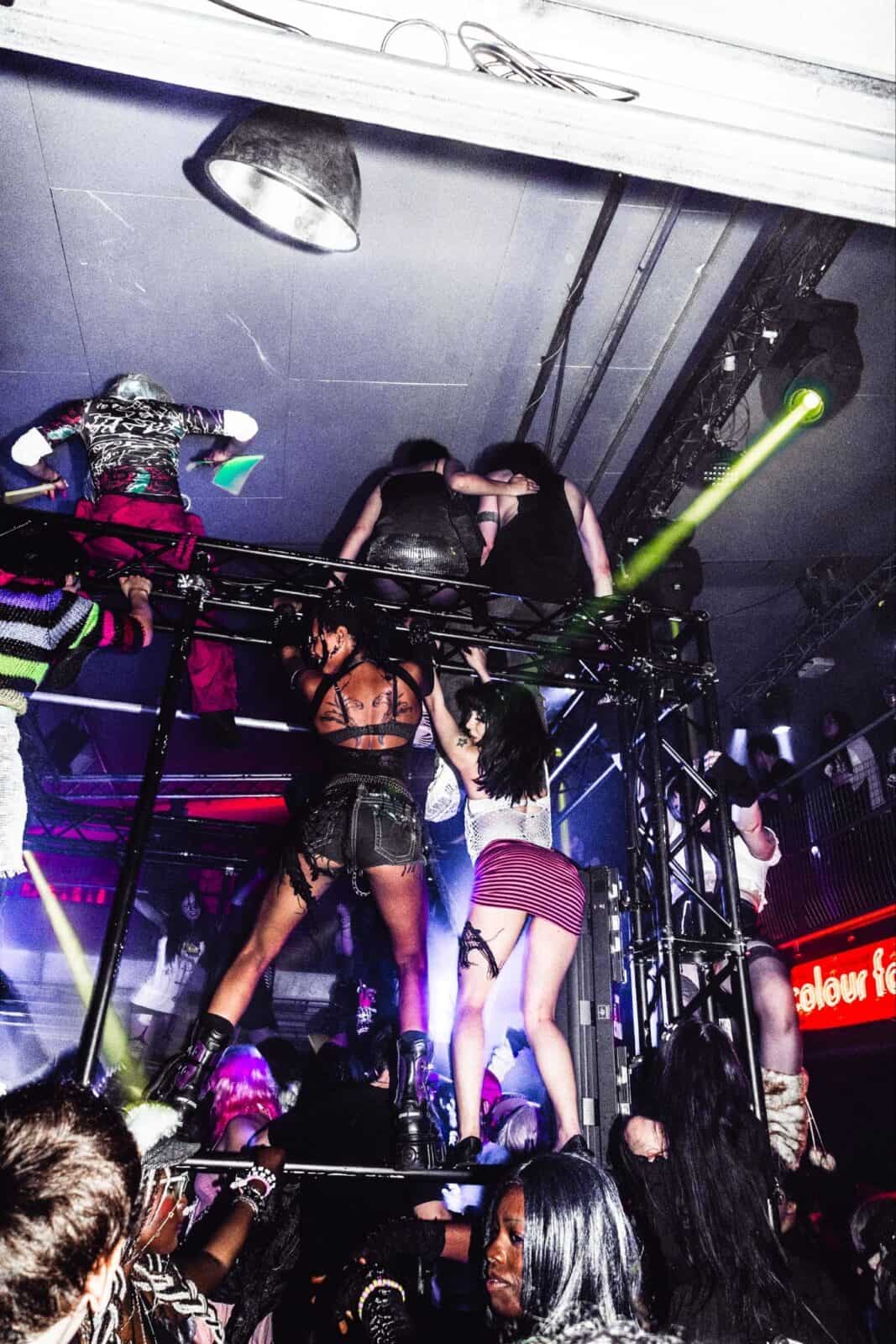
We quickly get onto the topic of gatekeeping and from there onto the protection of the community and the people in it. Both Lily and Sofia have faced harassment in the street, Sofia on the way to this event. A trans friend of mine recently posted on her story that she had experienced transphobia in public three times in the past 24 hours.
Both the organisers and the attendees of these events recognise that it falls to them to create a welcoming space that protects queer people from harassment. Mars explains: “The queer community has helped me so much and I want to give back in any way I can…I’m trying to make sure we have a space that’s affordable, so if you feel like actually you’ve not got the money right now, you can always RSVP and we’ll find a way for you to come.”. I meet someone at Internet Culture who tells me that that was how they were able to come to the event. Someone else tells me that Internet Culture is important because it is “very POC centred”, and that the reason it has stayed small is because of its commitment to preserving that.
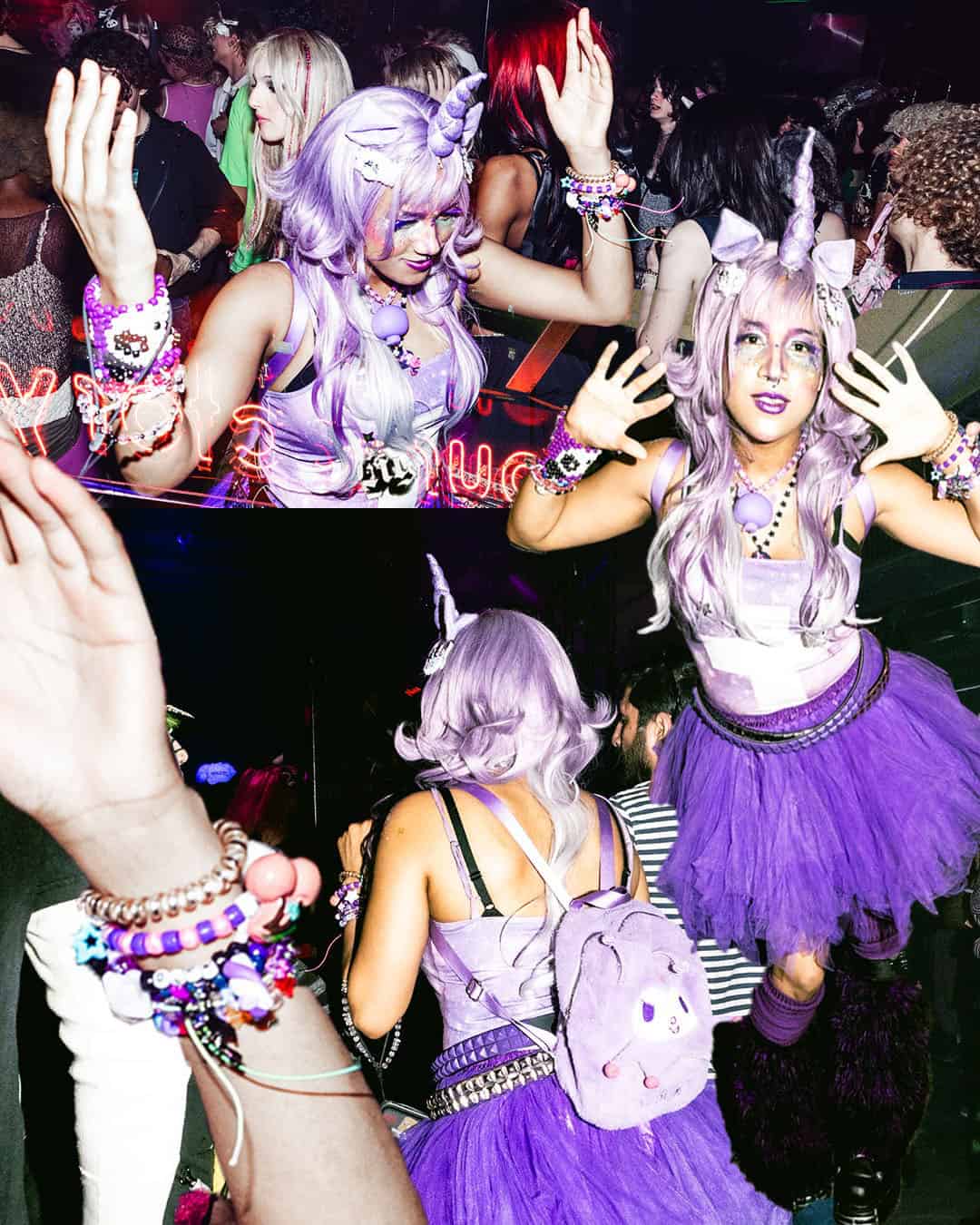
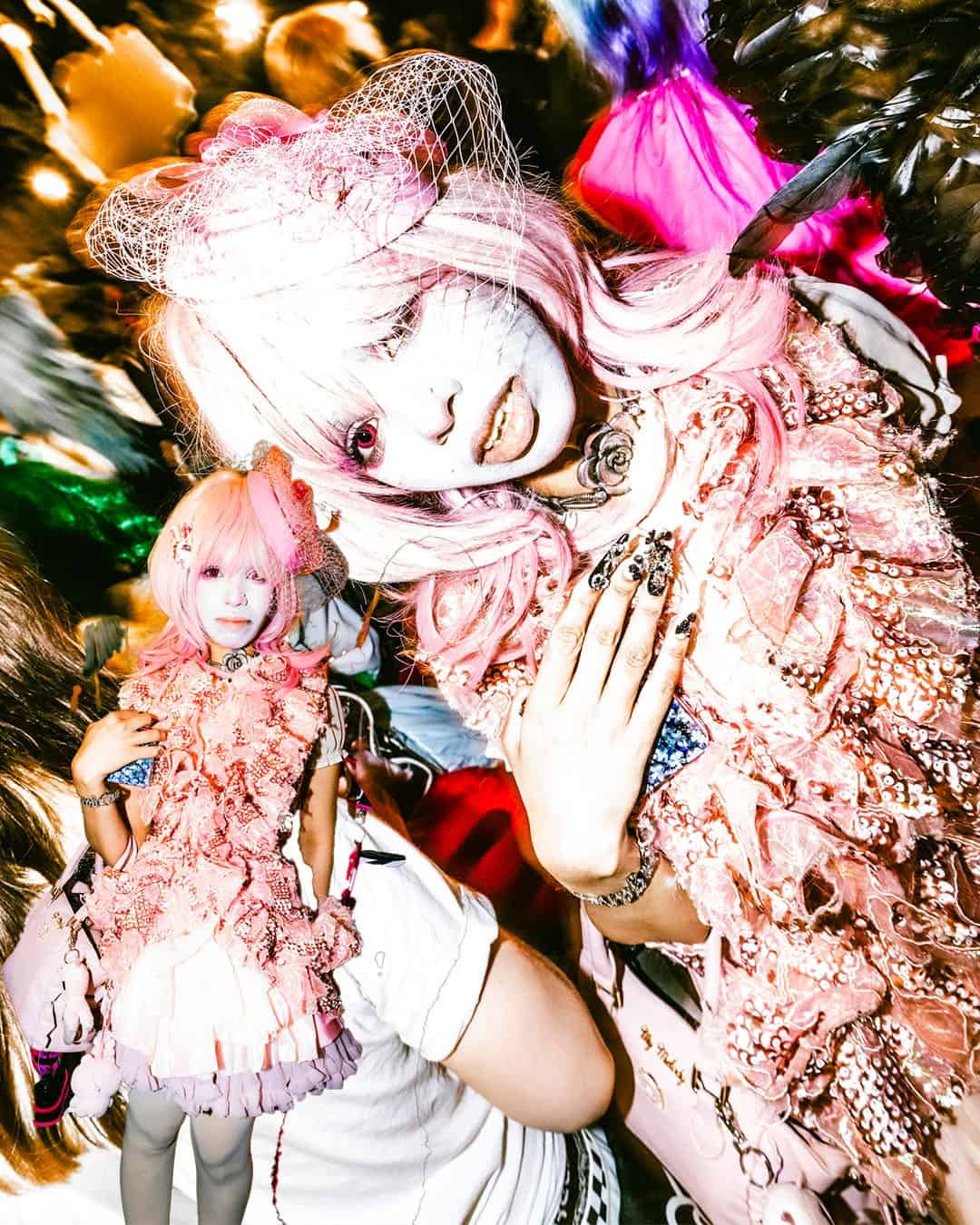
The refusal to compromise on community is opening up new avenues for queer nightlife. As established venues close, more and more DIY events are popping up. Events are designed collaboratively rather than through big names and are inspiring art within the community, whether that be vendors selling handmade trinkets in the smoking area or the latest rave-themed cartoon. Increasingly nightlife communities are finding daytime spaces: last month Inferno launched the Inferno Community, which aims to bring people together outside the club, and Internet Culture is moving in a similar direction, with more daytime and sober events planned. In defiance of the threats to queer people in the UK, excitement pulses through the scene.