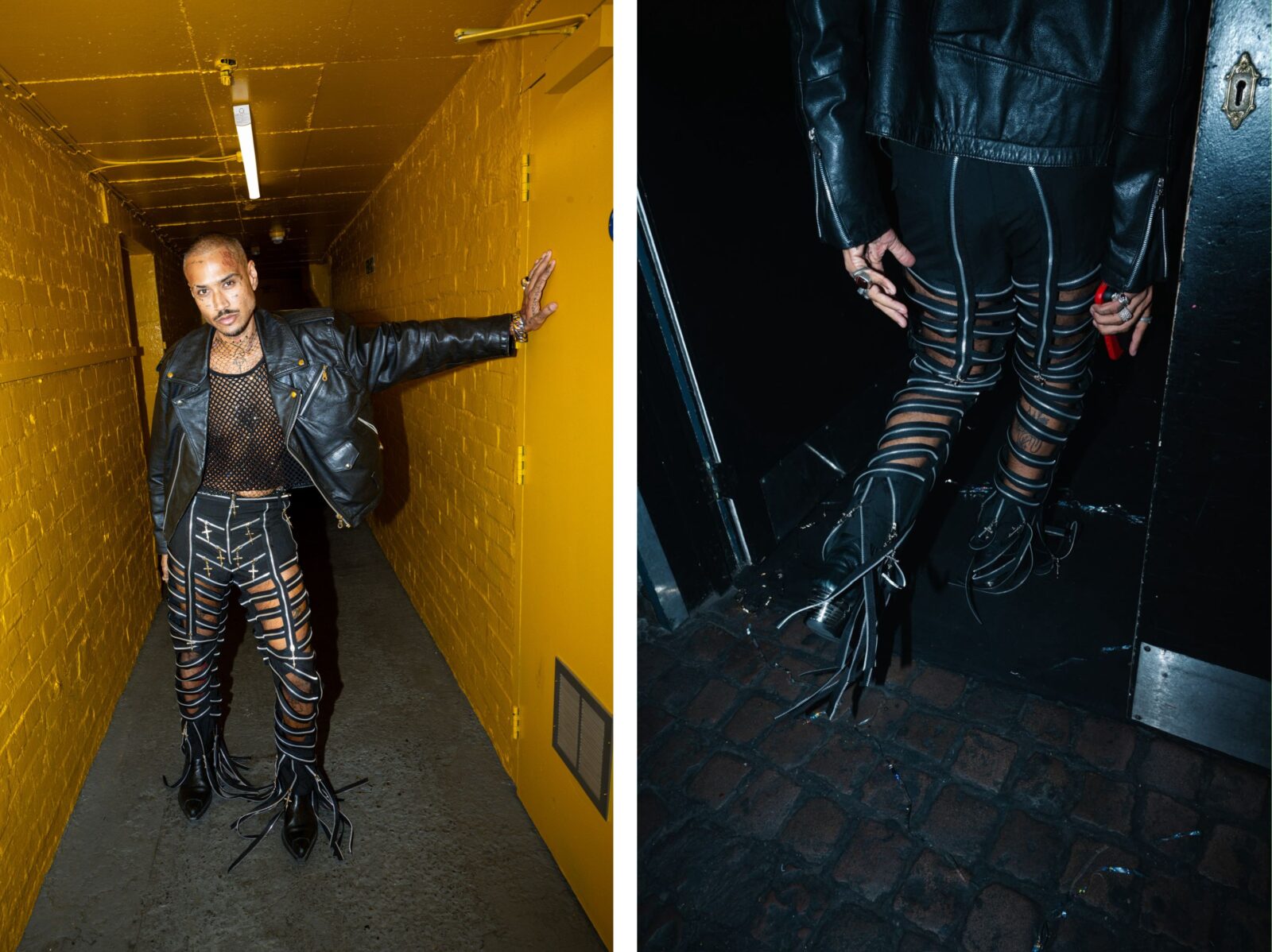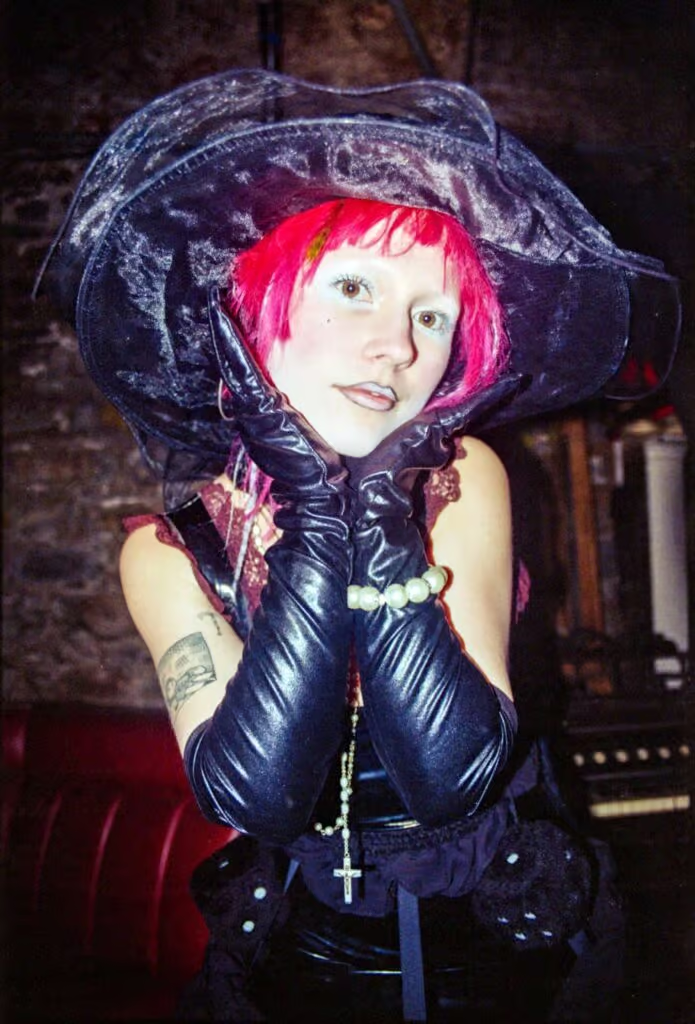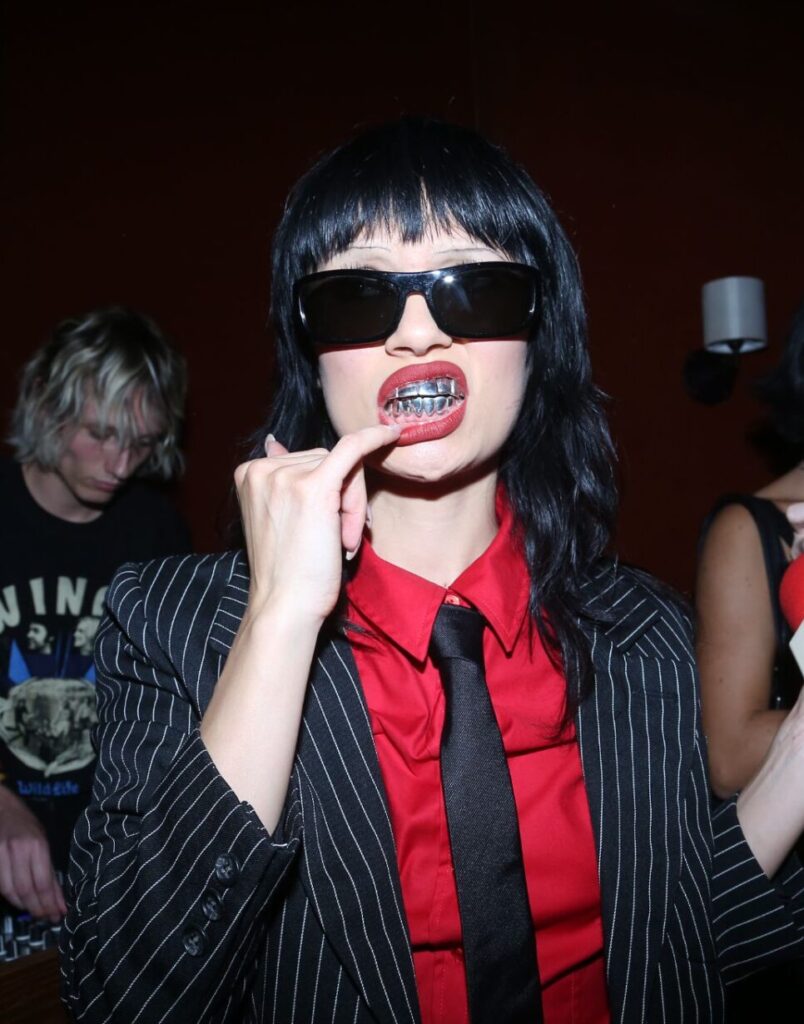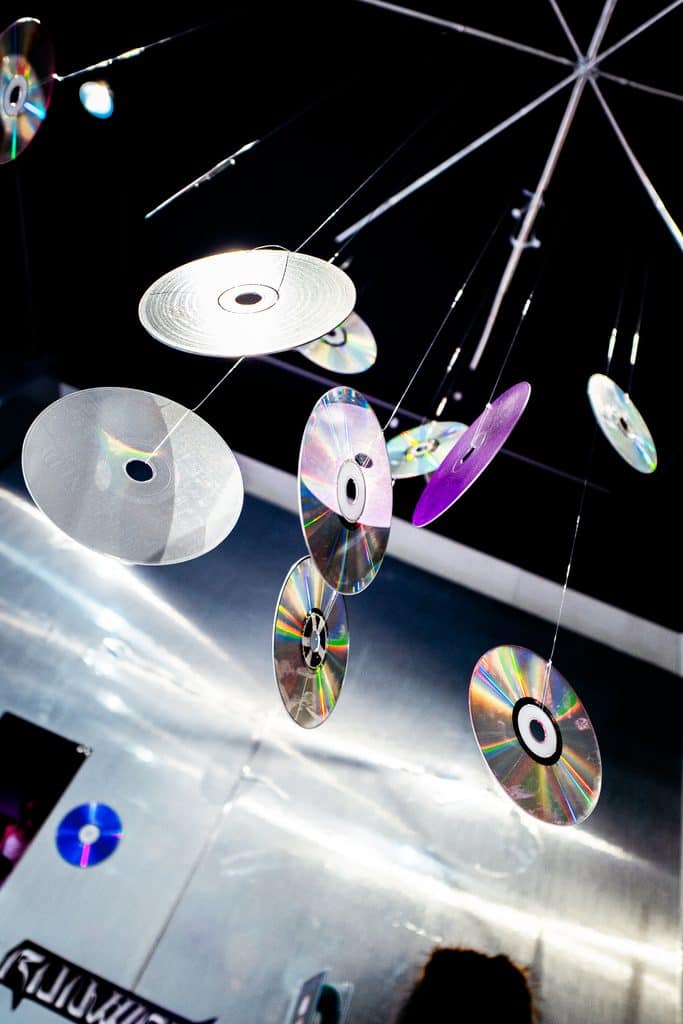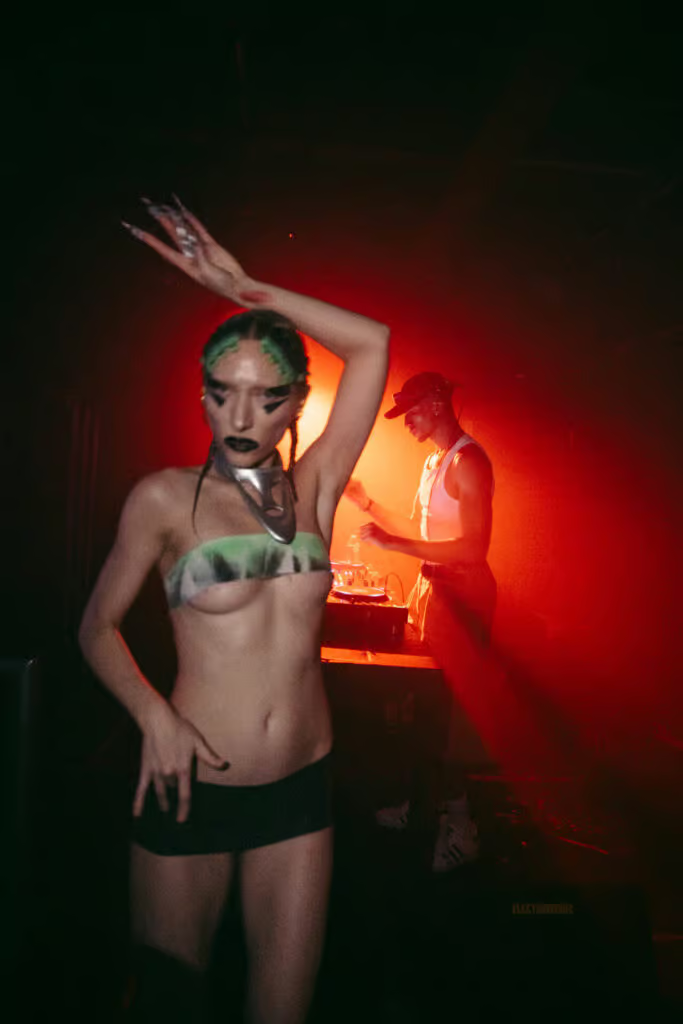
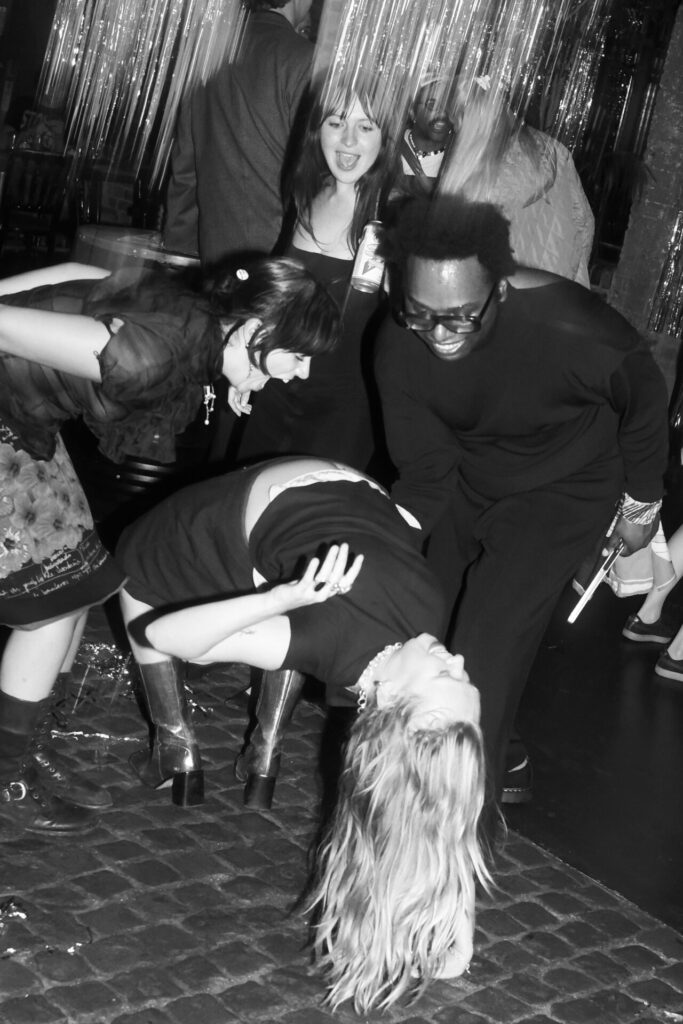
THE HANG was the official opening party of Minor Attractions 2026. On Tuesday 13 October it took over Electrowerkz in Islington with a new art-world club night curated by Ryan Lanji, the curator and DJ behind HUNGAMA. Lucia Blayke, Jack Mudd and Joel Mignott played, and the idea was simple: the exhibition carried on onto the dancefloor, “where the white cube comes undone”.
Cold caught up with Lanji after the night to talk art, sweat and why the best moments can’t be hung on a wall.
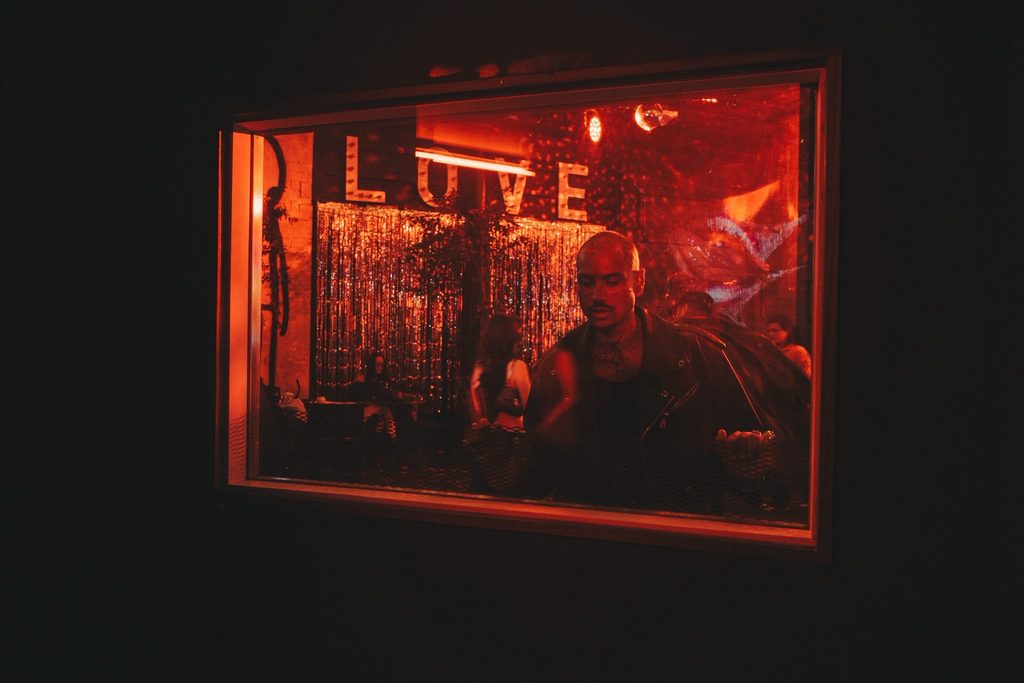
Cold: Minor Attractions puts art in hotel bedrooms, and THE HANG put it on a dancefloor. Why does the fair need a night like this?
RL: I’ve always said I’m an artist, but my medium is people. Art has become terribly good at being looked at and rather bad at being lived. We spend so much time photographing culture that we’ve almost forgotten how to participate in it.
Minor Attractions already challenges where art belongs. I just wanted to take that idea somewhere it could sweat. Sometimes the most interesting thing in the room isn’t hanging on the wall. It’s standing next to you, wearing absolutely nothing.
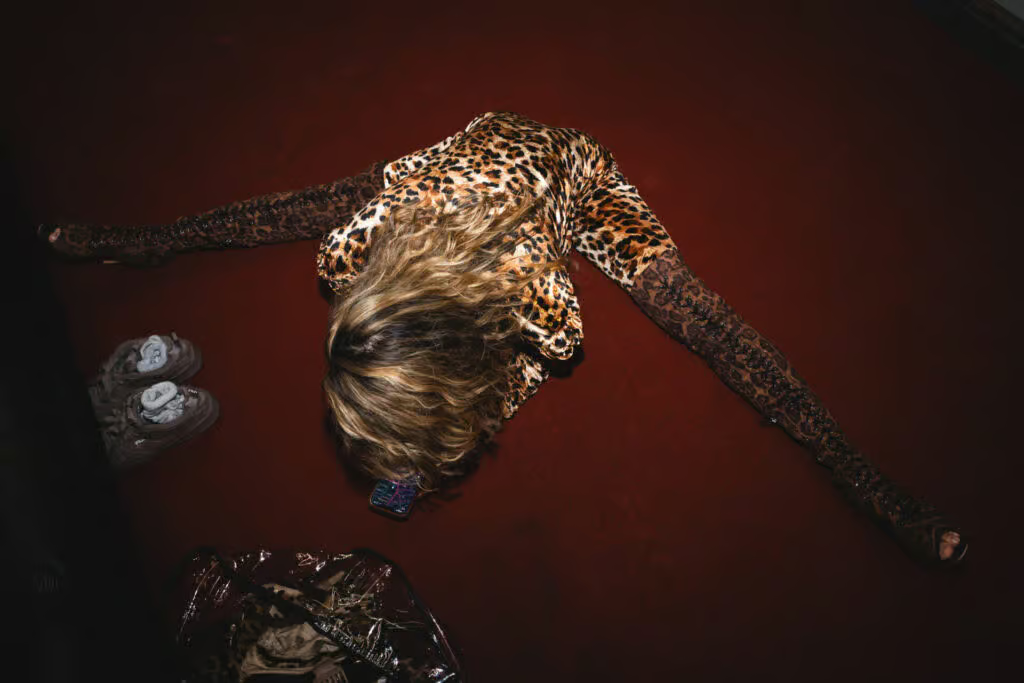
Cold: You’ve said the white cube “comes undone” at THE HANG. What actually happens to art people when you put them in a club?
RL: They become people again. Take away the champagne, the collector’s badge, the carefully rehearsed opinions, and suddenly nobody cares which gallery represents you.
The art world is obsessed with being seen. Nightlife is about being felt. At some point, the curator stops curating, the collector stops collecting, and somebody loses a very expensive jacket. That’s when things get interesting.
Cold: You move between galleries and clubs, from Tate Modern to Fabric. What can a rave do for art that a gallery can’t?
RL: A gallery can tell you something is important. A rave can make you believe it.
Both are trying to do exactly the same thing: make people feel something. But galleries often ask you to stand back. Nightclubs ask you to come closer. Nobody needs to understand the conceptual framework to participate.

The audience becomes the artwork, the DJ becomes the artist, and the whole thing disappears by morning. You can’t buy it, you can’t hang it, and you certainly can’t put it in storage. Which probably makes it the most valuable art of all.
Cold: What was the moment at Electrowerkz when you knew the night worked?
RL: When I realised nobody was looking at their phones. For one extraordinary moment, there were artists, collectors, drag queens, fashion people, beautiful strangers and people who probably had absolutely no business being there, all existing together.
Nobody was networking. Nobody was performing their cultural relevance. The art world spends millions trying to create moments that matter. We made one with a sound system, a disco ball and a room full of people. And by morning, it was gone. You have to be there to own it.