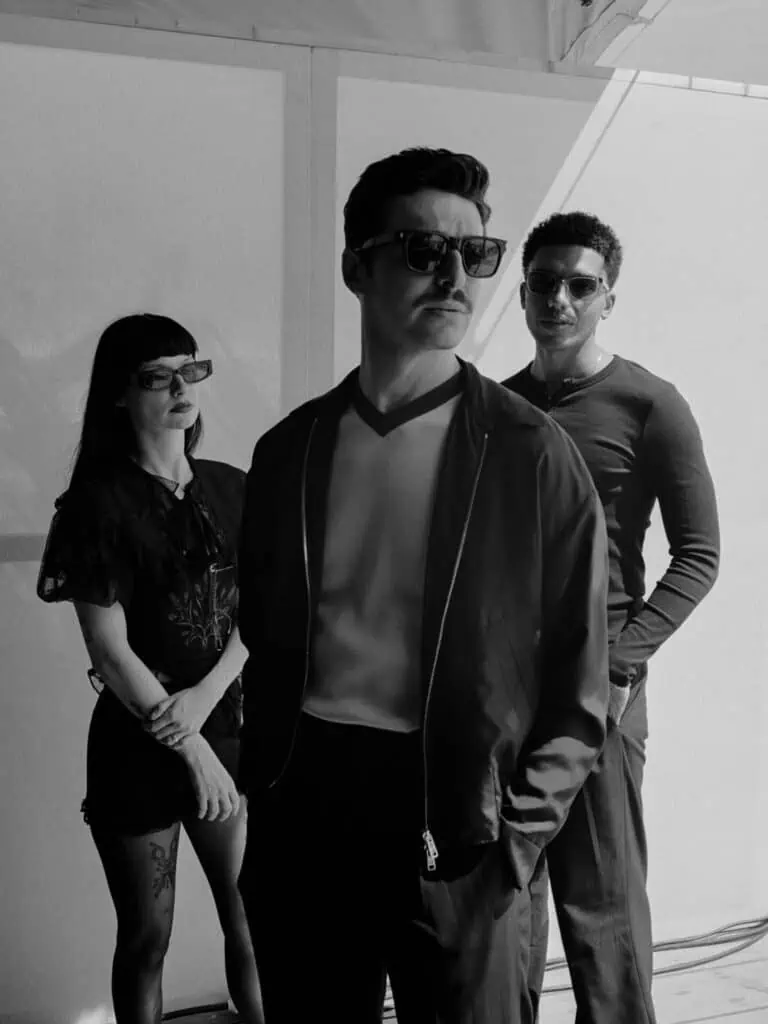
Every winter, Almaty disappears into itself. A thick haze settles over the mountains that enveil the city, so dense that IQAir regularly lists Almaty among the most polluted places on Earth. Locals joke about it, complain, post the air-quality numbers… and then just carry on. It’s that contradiction that Azhar Bimamir set out to capture.
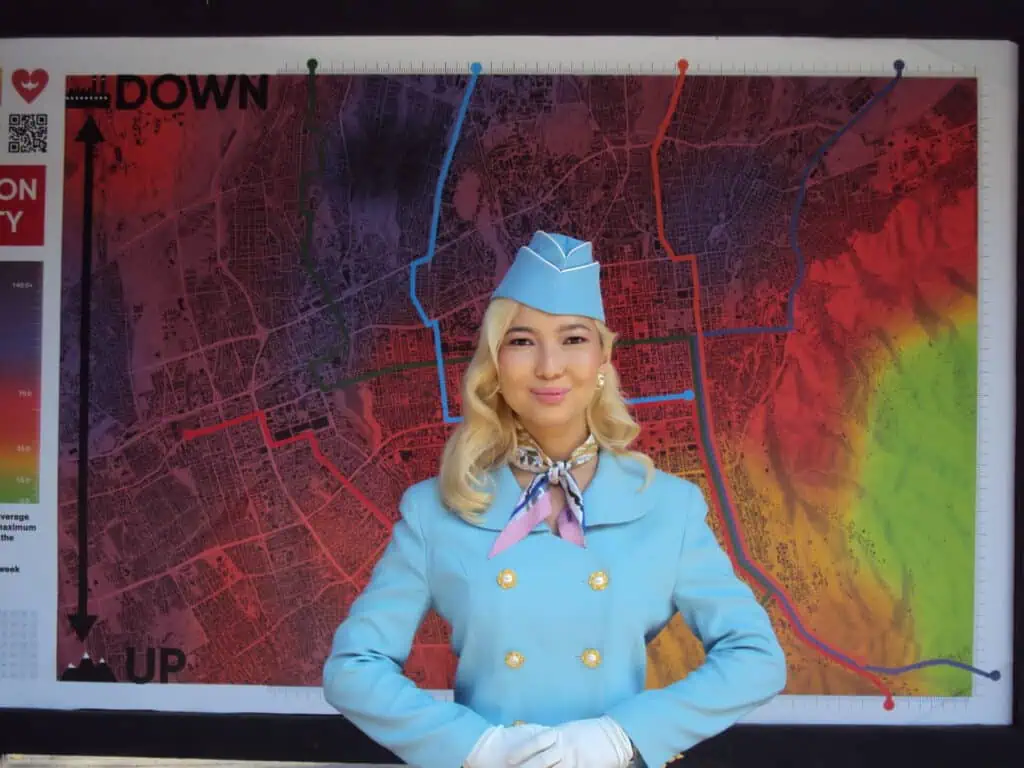
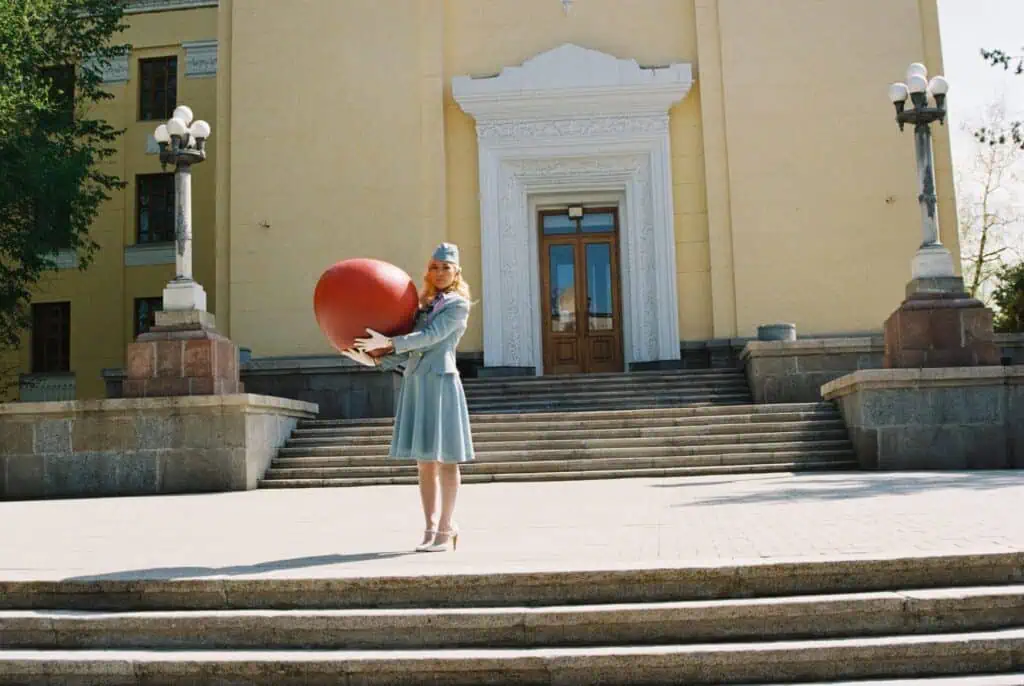
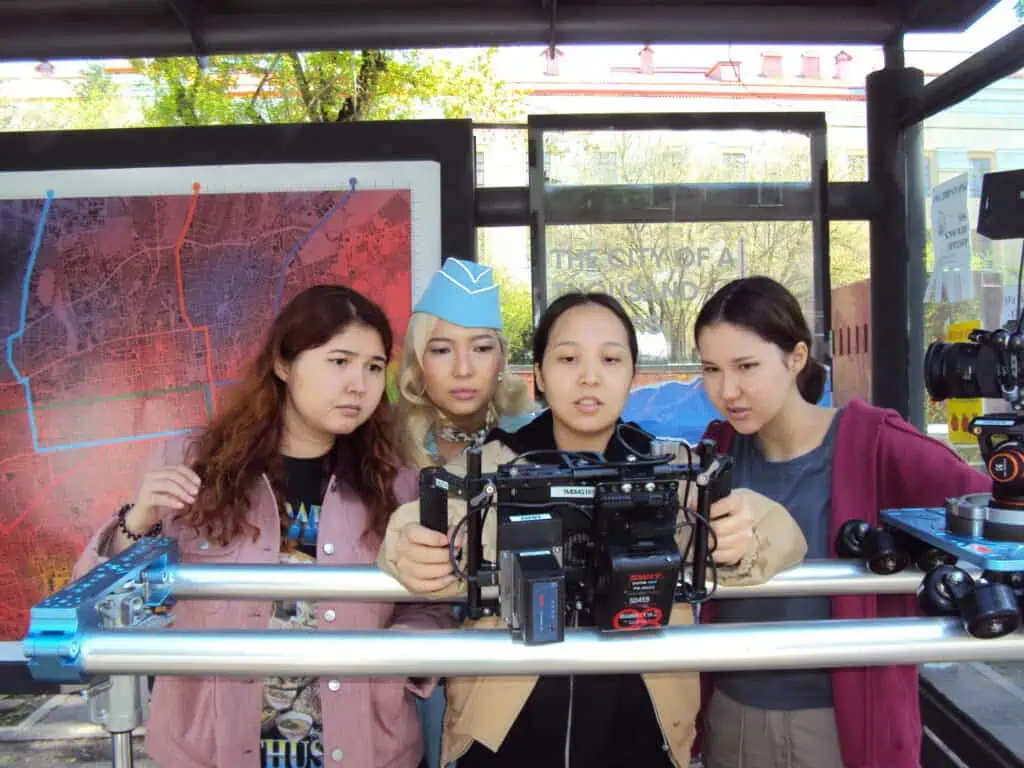
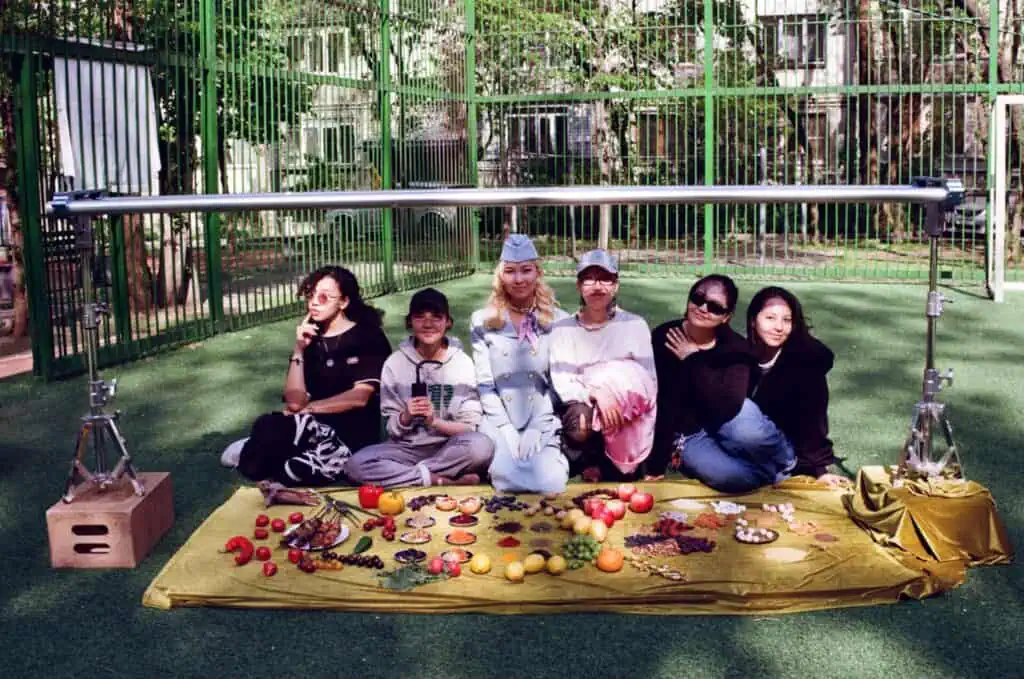
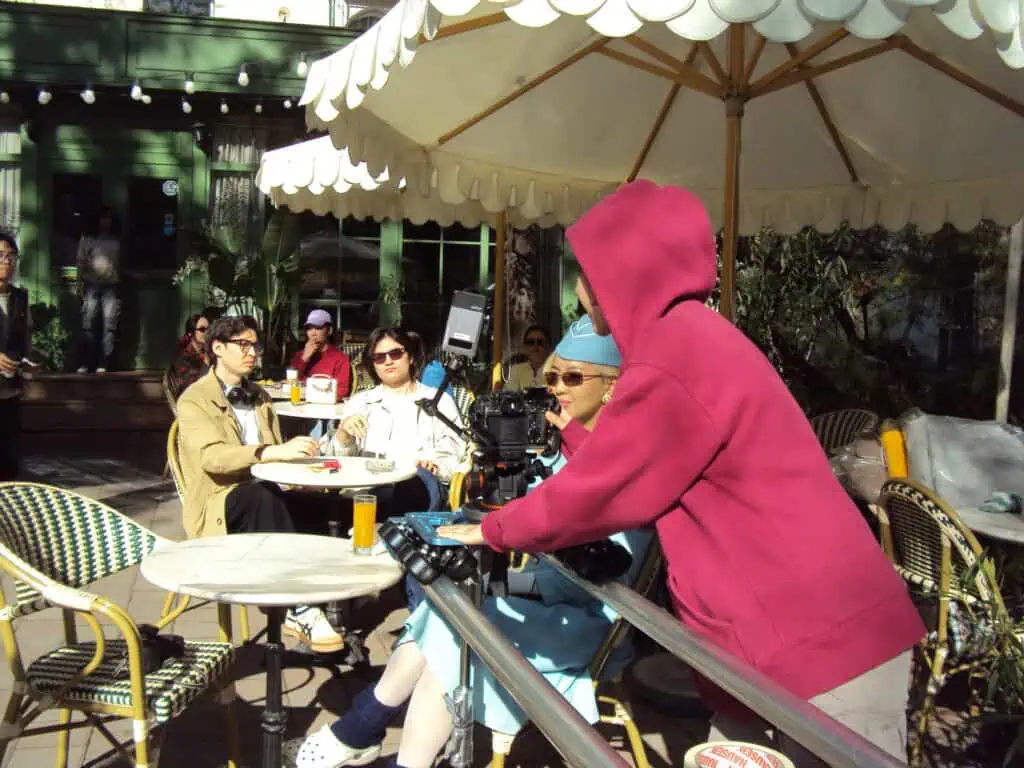
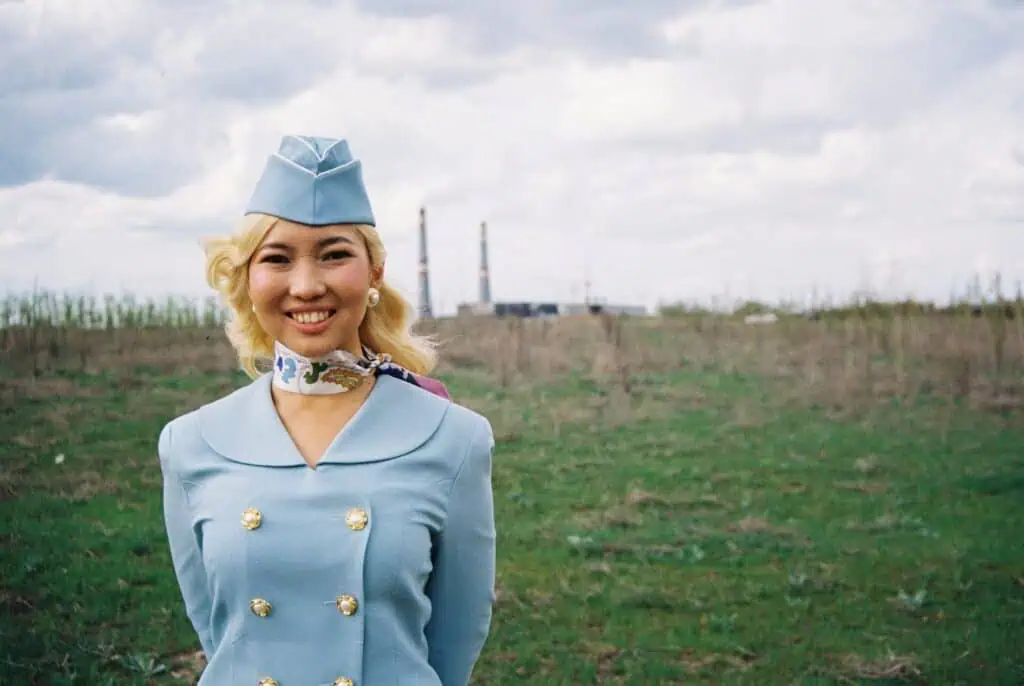
Azhar is a Kazakhstani creator and director, now completing an MA at Central Saint Martins in London. Her latest project, “Air Almaty,” started as a class assignment and grew into a full-scale production: a 26-person crew, around 40 people on screen, fifteen locations, and three 14-hour shoot days. At its heart is Samal, a tour guide who leads visitors through Almaty’s parks, terraces, and bazaars with unshakable cheer as smoke curls behind her.
Below, Azhar talks about the instinct behind the satire, how CSM changed the way she works, and what she still hasn’t figured out about home.
CM (The Cold Magazine): Air Almaty started as a class assignment. Was smog the obvious choice from the very beginning, or were there other themes you considered?
AB (Azhar Bimamir): The brief was to create a project about an environmental issue that matters to you and your community. Since my hometown, Almaty, frequently ranks among the world’s most polluted cities in winter, there was no need for an intense brainstorming session. The answer was right outside my window.
CM: Air pollution is an urgent issue for the city and the people living in it. Why did you decide to frame it through satire?
AB: Satire allowed me to highlight uncomfortable realities without suffocating the audience in doom and gloom. Most importantly, it gave me space to hold two things at once: the severe air pollution and the city’s genuine beauty. The idea came from my background working as a tour guide (with the best company, Walking Almaty) and my desire to address serious issues without being overly dramatic. After the screening, classmates told me, “I feel terrible about the air quality, but your film made me want to go visit Almaty.”
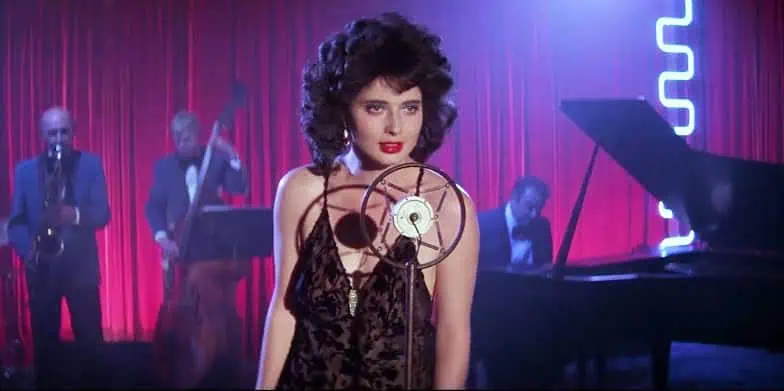
CM: The Ba Sing Se scene from Avatar: The Last Airbender is a great reference point – what was it about that scene that made you think, this is Almaty?
AB: After the idea was born, I started thinking about how to pitch it to other people. Then I thought of my favourite animated series and was like: yep, there’s my perfect reference. It’s that eerie commitment to maintaining a perfect image, despite very obvious evidence of the opposite, that made me choose it.
CM: Samal, the character you are playing, is a tour guide who performs cheerfulness while ignoring what’s in front of her. Was there a version of that person in your own life, or people you know, that the character is drawing from?
AB: We have this habit of wanting to make things look a little nicer than they actually are. I learned this early on at school, where everything suddenly had to look pristine whenever an important visitor arrived. I do it myself too, like when I suddenly tidy up my apartment right before guests come over. I am actively unlearning that habit. I want to live in a clean environment for my own sake, not just for the guests.
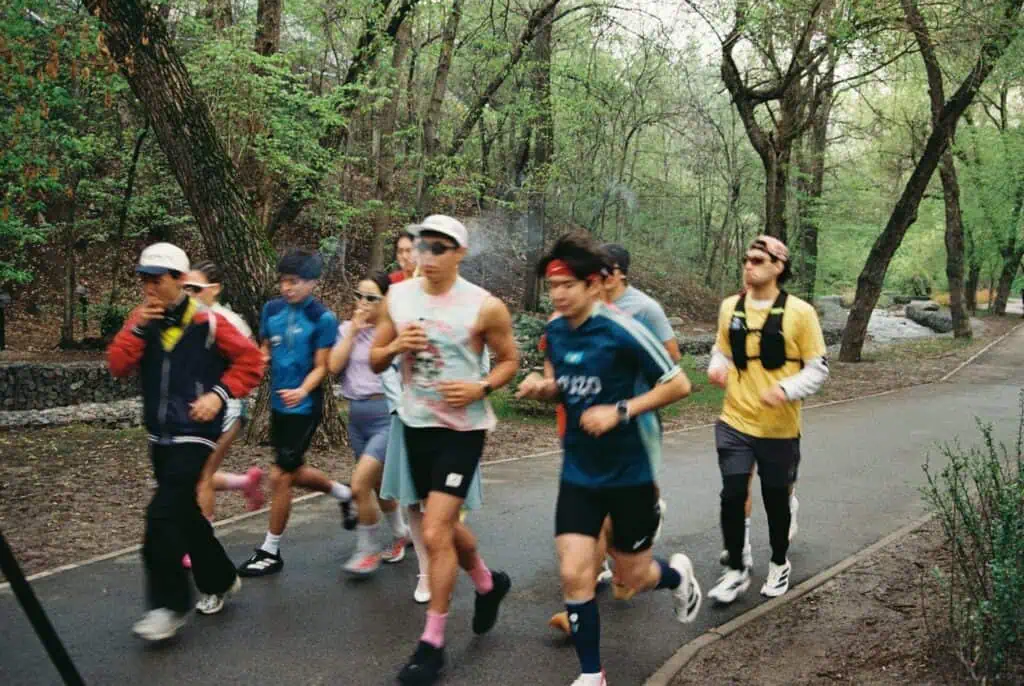
That mindset is at the core of Samal and the world of Air Almaty. In this universe, air pollution is so normalised that no one even notices the absurdity around them: everyone, from young kids to morning runners, is constantly smoking. Samal will never break character to explain the reasoning behind it. She simply smiles through the smog, making sure her guests stay entertained while keeping up the illusion that everything is fine.
CM: Fifteen locations, 3D animation, a 26-person crew, three 14-hour shoot days. At what point did this stop feeling like a student project and start feeling like a full production?
AB: When I started my master’s, I decided to treat every project with care and excitement because this is my short window to experiment and push boundaries before re-entering the industry. I came up with an ambitious concept that was far too big to pull off by myself.
What transformed it into quite a production was the community around it. Despite the intense workload, people joined us and worked pro bono because they care about the air pollution issue and genuinely believed in the vision. Huge kudos and heartfelt thanks to everyone who made it happen.
CM: What’s the biggest difference between how you were taught to think about a project at CSM versus how you’d have approached it back home?
AB: I have realised that I was doing a lot of my previous work in the way that CSM teaches us: questioning ethics, making research, analysing. But coming to this college, which was my teenage dream, helped me to win one more battle with my imposter syndrome. I finally accepted that I don’t need anyone’s permission or blessing to direct something. If I have an idea, I can make it happen.
I’ve also learned to trust my personal experience as a starting point for developing ideas. Moving away from Almaty helped me see home differently. The distance made things I had taken for granted suddenly feel so precious and worth exploring.
CM: Having now worked inside both systems – what does Kazakhstan’s creative and film industry still lack that you take for granted in London?
AB: I haven’t worked in London yet, but I’m super excited to! Please hire me to make fashion films and music videos!
One thing I’ve learned at CSM is the value of critique during the creative process. In my experience back home, we often ask for feedback when the work is already finished. Here, I’ve learned to share unfinished ideas, ask for advice, and let people challenge them while the project can still evolve.
I also think we need more visible role models in Kazakhstan: more examples of different ways to build a creative career and be an artist. And crucially, we need to take creative work seriously as real work. Every little detail matters, every step of the process counts, and the work deserves that level of care and respect.
CM: Conversely, is there something about making work in Almaty, with the people and constraints you have there, that you don’t think you could replicate anywhere else?
AB: I took for granted how supportive and passionate the creative community in Almaty is. The industry is still young and very much in the making, so there’s a real feeling that everyone is building something together. You might hit the ceiling quicker, but you can also build a whole new floor for the industry.
There is a sense of agency and possibility there that I don’t think I could replicate elsewhere. Because the cultural landscape is still defining itself, you have a genuine chance to contribute to shaping it.
CM: What’s the strangest or most unexpected reaction you got to the film?
AB: I did not expect the film to reach as many people as it did. That has been the most unexpected part for me, especially after being warned that it was too long and niche for social media, or that making it in English would keep it from landing with the audience.
It is also funny to see how some people interpret it: a few viewers genuinely thought it was a film against smoking rather than a satire on air pollution! But to me, even those misunderstandings, along with the occasional negative comments, are proof that the work actually got people talking.
CM: If it hadn’t been smog, what other detail of everyday life in Almaty could have made just as good a subject for satire?
AB: Air Almaty already touches on these issues: as Samal walks through the city center, you hear constant construction noise in the background, and when she talks about Almaty being the birthplace of apples, she cannot actually recommend an orchard because they have been replaced by parking lots and new developments.
Those are topics I would love to explore much deeper. I am deeply passionate about the preservation of Soviet modernist architecture and monumental art. Our mosaics, bas-reliefs, and stained glass are treasures that should be protected, not destroyed or covered up.
The Cold Magazine may earn a commission from some links on this page. Learn more