The gothic never disappeared, it simply moved house. While the gothic classics are populated by ruined abbeys, ancestral curses, and remote castles, contemporary writers are using the gothic as more of a sensibility than a genre – as something that surfaces wherever unease accumulates. The gothic is no longer confined to the haunted house; it can be found in histories of racial violence, ecological catastrophe, precarious housing, digital life, and the nefarious institutions that shape our existence. This Halloween, spook yourself with some recent novels that have helped reinvent the gothic for our modern age.
In Your Heart a Devil by Vanessa Santos

October 2026 saw the release of Vanessa Santos’s debut novel which follows Isabel, a Portuguese woman who arrives in Scotland searching for her father and instead finds herself trapped in a loveless marriage to a local laird. Years later, her husband is dead and Isabel is finally ready to tell the story behind her husband’s ghoulish reputation, which still has superstitious villagers lighting bonfires to ward off his ghost. Drawing on Scottish folklore and Daphne du Maurier’s gothic classic Rebecca, Santos crafts a novel of unseemly desire, loneliness, and obsession. The atmosphere is thick with whispering servants, remote landscapes, and lingering superstition, but its greatest strength lies in Isabel’s voice which is profoundly melancholic yet determined to reclaim her story from her husband’s shadow.
Orpheus Builds a Girl by Heather Parry
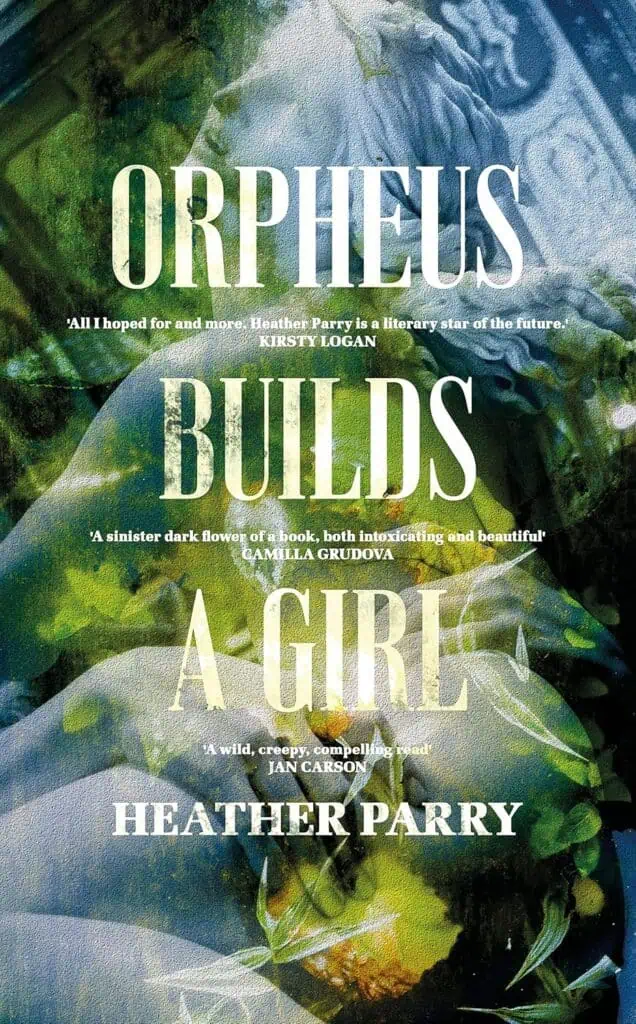
Heather Parry’s masterful debut novel marked her out as a formidable force in contemporary gothic when it was published in 2022. Taking inspiration from the real-life case of Carl Tanzler, Parry creates a feverish gothic meditation on love, obsession, and possession. As the elderly Wilhelm von Tore reflects on his life, he recounts his great romance with Luciana, a young woman he believed destined for him, but his version of events is interrupted by Gabriela, Luciana’s sister, who exposes the violence and delusion hidden beneath his grand love story. Orpheus Builds a Girl is a gruesome yet hypnotic interrogation of who gets to control a narrative and what happens when women are transformed into objects of fantasy.
I Want To Go Home But I’m Already There by Róisín Lanigan
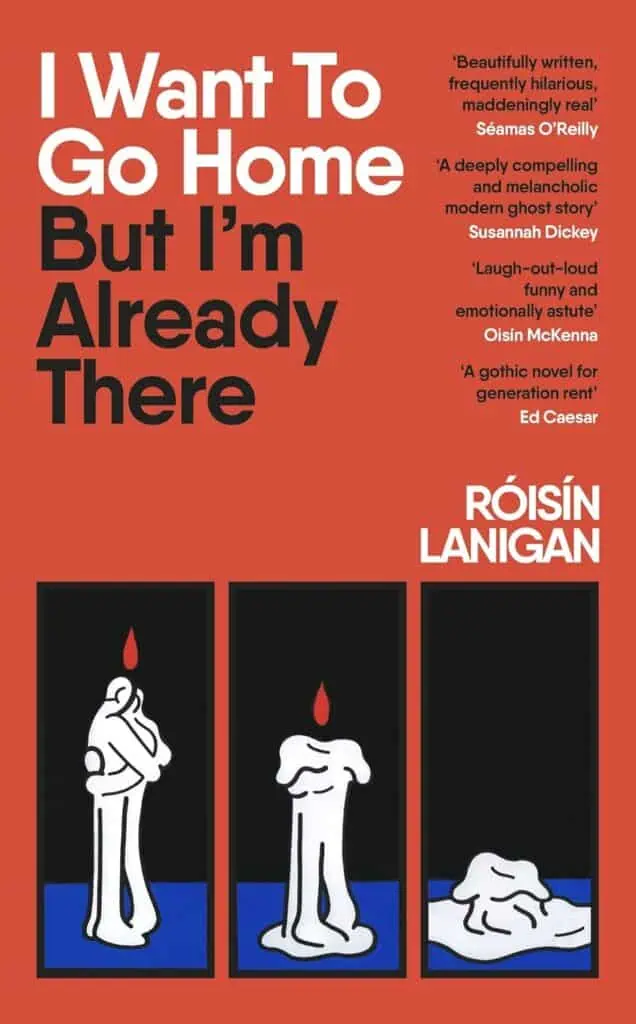
What happens when a haunted house is a shitty rental flat? Róisín Lanigan’s sharp and darkly funny 2025 debut follows Áine and her partner Elliot as they move into a flat where mould spreads, strange neighbours loom overhead, relationships begin to fracture, and the flat itself seems to resist being lived in. It’s a brilliantly observed portrait of precarity and the psychic toll of endlessly unstable housing as Lanigan blends petty arguments with classic gothic conventions, producing a novel that is both unsettling and painfully recognisable.
Our Wives Under the Sea by Julia Armfield

Few recent novels have done more to define contemporary gothic fiction than Julia Armfield’s haunting tale of love and transformation, first published in 2022. Leah returns from a catastrophic deep-sea expedition profoundly changed, withdrawing from her wife Miri and exhibiting increasingly disturbing behaviour. The novel is simultaneously a story of love, grief, and a work of almost cosmic horror which treats the sea as a vast, unknowable force that reshapes everything it touches. Armfield’s prose is lyrical and creates an atmosphere of mounting dread that lingers long after the final page.
Tell Me I’m Worthless by Alison Rumfitt
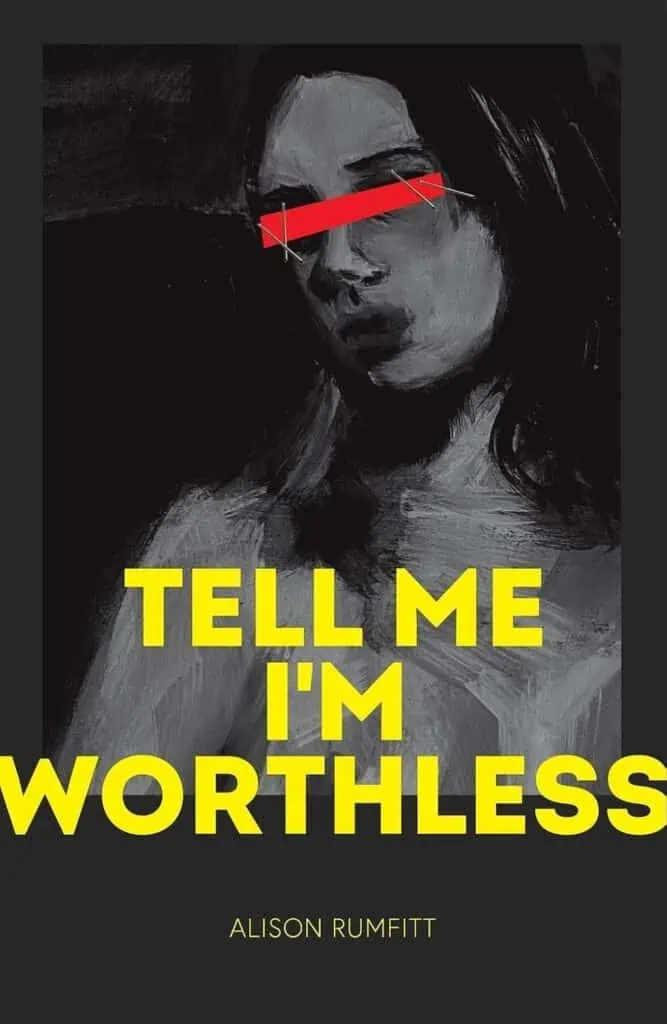
Alison Rumfitt’s furious, transgressive 2021 novel revitalises one of the oldest gothic tropes: The haunted house. Years after an unexplained event inside a notorious house, former friends Alice and Ila are drawn back to the building that continues to exert a disturbing power over them both. Rumfitt uses horror to confront transphobia and fascism in contemporary Britain, transforming the haunted house into a metaphor for systems of exclusion and hatred. It is graphic, confrontational, and extremely unsettling, yet beneath the shocking surface lies a carefully crafted gothic novel that understands horror’s ability to expose the disturbing structures shaping everyday life.
Restoration by Ave Barrera

Part ghost story, part Bluebeard retelling, Restoration follows Jasmina as she is hired to restore her lover’s crumbling family home. As she strips wallpaper, fills cracks, and uncovers forgotten rooms, she also begins uncovering the stories of the women who once lived there. The boundaries between past and present gradually dissolve, drawing Jasmina into a mystery centered on a locked room and a long-suppressed history. Barrera’s 2025 novel is steeped in literary allusion, nodding towards Angela Carter, Mariana Enriquez, and classic gothic traditions while feeling entirely its own.
Our Cut of Salt by Deena Helm
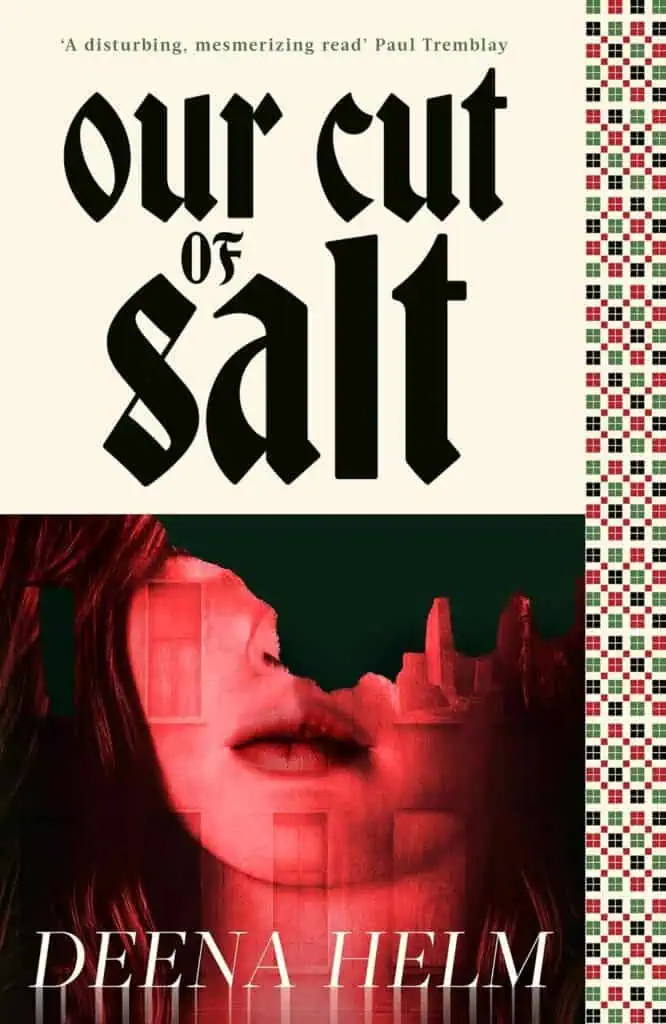
One of the most exciting gothic debuts of the year, Our Cut of Salt, reimagines the haunted house novel through the lens of Palestinian history. The story follows three generations of women connected to a family home in Haifa abandoned during the Nakba and forever marked by loss. As Marina attempts to reconnect with her family’s history, she discovers that the house is haunted by grief and unresolved violence. Helm transforms the traditional gothic preoccupation with the past into something urgent and political by asking what it means for a home to remember those who were forced to leave it behind.
The Reformatory by Tananarive Due
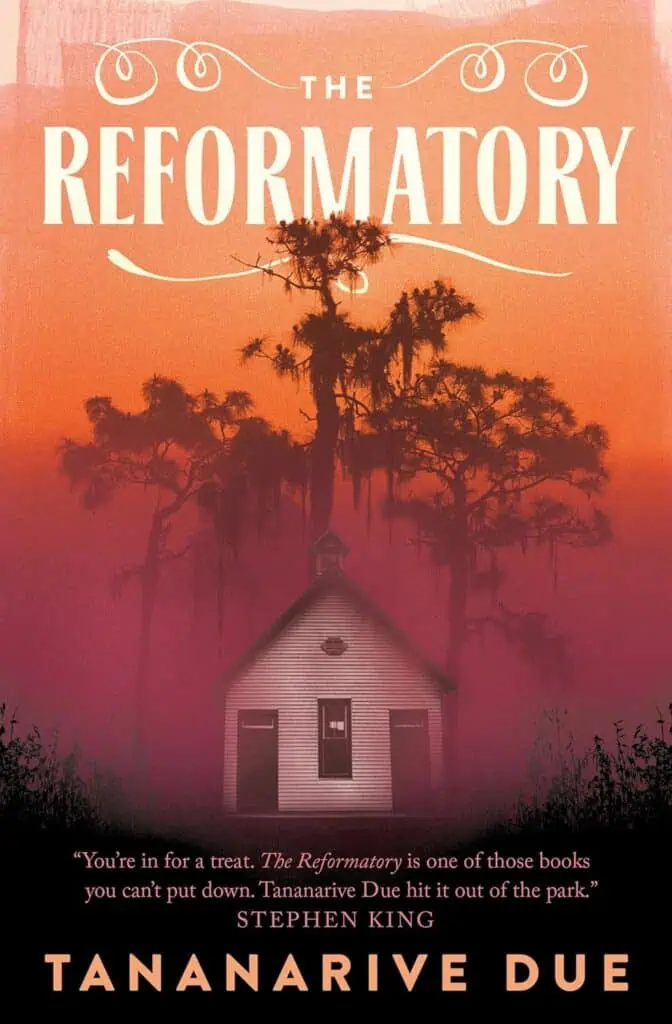
Tananarive Due’s award-winning novel demonstrates exactly how contemporary gothic fiction has expanded beyond its traditional settings. Set in Jim Crow-era Florida, it follows twelve-year-old Robbie Stephens after he is sent to a brutal reform school based on the real-life Dozier School for Boys. There, Robbie discovers he can see ghosts, many of whom are former students who never left. Blending supernatural horror with historical reality, Due builds a powerful indictment of institutional cruelty and racial violence as the novel’s ghosts are dwarfed by the horrors inflicted by the living.
Japanese Gothic by Kylie Lee Baker
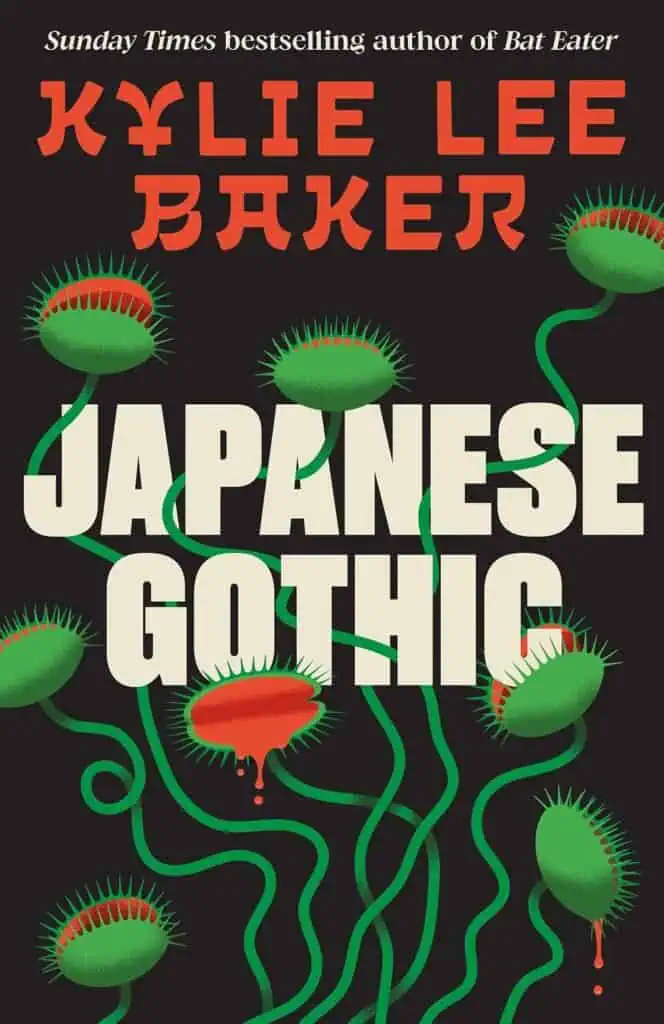
Kylie Lee Baker’s 2026 release Japanese Gothic draws together folklore and family secrets into a dual narrative exposing the lingering power of the past. Blending contemporary horror with traditional Japanese ghost stories, Baker explores inherited trauma through a narrative haunted by spirits and cultural loss. The novel’s greatest strength lies in the way it uses its rich atmosphere, steeped in historical place, to examine identity and belonging as well as demonstrating how contemporary gothic fiction continues to evolve through engagement with local folklore and history rather than relying on familiar Western imagery.
Natural Beauty by Ling Ling Huang
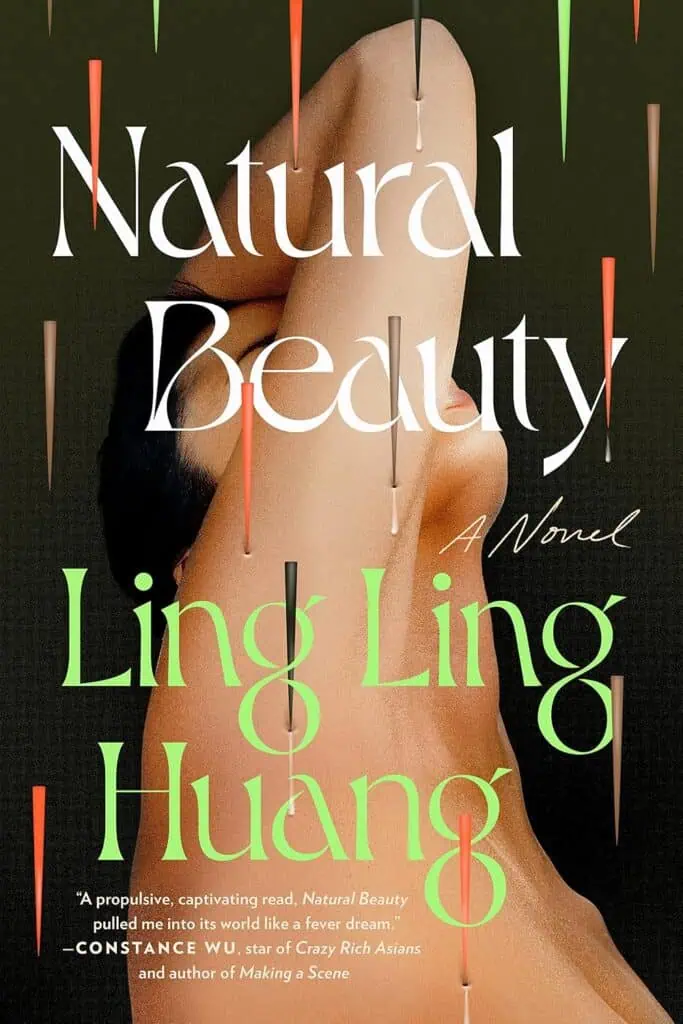
At first glance, Ling Ling Huang’s Natural Beauty appears far removed from gothic tradition, set in a luxury wellness company promising self-improvement and transformation. Yet as its unnamed protagonist becomes increasingly immersed in the brand’s world, the novel 2023 reveals itself to be one of the most incisive works of gothic body horror in recent years. The traditional imposing family history is replaced by a corporate vision of how a person should exist. Beauty treatments become acts of bodily violation, self-optimisation slips into obsession, and the line between self-care and self-destruction collapses, with the result a modern gothic tale about consumerism, identity, and the terrifying control institutions have over our selfhood.