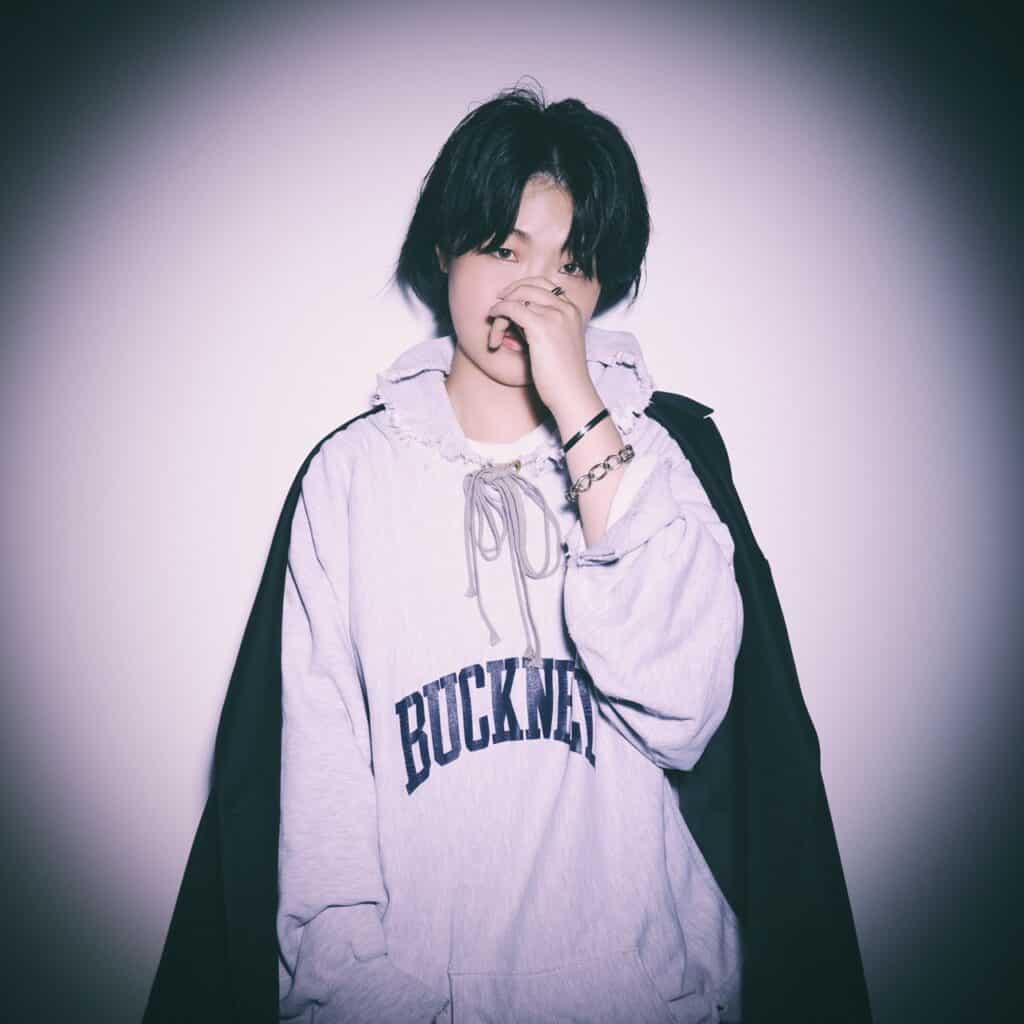
The manga and anime series Death Note has been turned into clothing many times. XLARGE ran a collaboration in 2022 with the characters across tees, sweatshirts and jackets. Palace followed in February 2025 with a capsule of around forty pieces, among them stonewashed denim carrying Ryuk in a watercolour print and the skate logo redrawn in the manga’s own typeface.
Sachiko Nakahara has gone the other way. As costume designer on the Barbican’s new staging of Death Note The Musical, her job was not to print the characters onto clothes but to dress them, and she was after something other than a straight recreation of the original. Almost all of the ready-to-wear onstage, Misa’s aside, comes from Japanese fashion brands, and the pieces made specially for the production incorporate current Japanese trends. What mattered, she says, was that the characters feel like people who genuinely live in that world rather than people in costume.
The story, for anyone who has only ever met it on a hoodie, follows Light Yagami, a brilliant student who comes into possession of a notebook that gives him power over life and death. He sets out to reshape the world and ends up in a long battle of wits with an elusive detective known only as L. Moving through all of it are the Shinigami, gods of death, three of whom appear in this production. Tsugumi Ohba and Takeshi Obata’s manga has sold more than 30 million copies and has been read for the best part of twenty years. The musical came later, premiering in Tokyo in 2015 with a score by Frank Wildhorn and going on to sell out seasons in Japan, Korea and Taiwan. The Barbican version is a new production of it, made with the original Japanese producers HoriPro, with a revised script and newly written songs, running until 12 September.
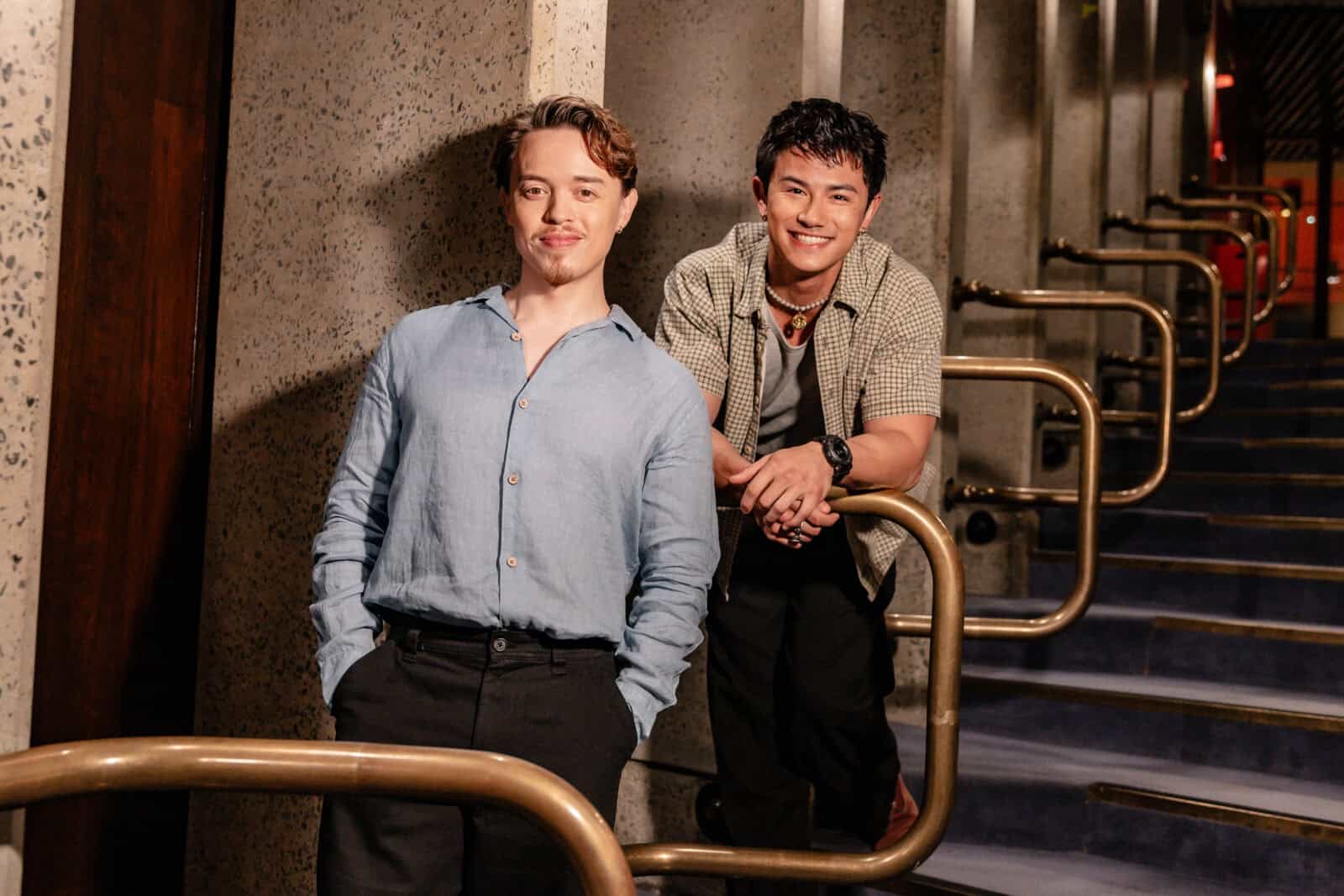
Nakahara was nominated for an Olivier for her costume design on Spirited Away, the Toho adaptation that played the London Coliseum in 2024. Jon Bausor designed that set and has designed this one too. Xander Pang plays Light and Colin Ryan is L, with Telly Leung as Ryuk, Grace Mouat as Rem and Stephanie Zaharis as Misa, across a run of fifty performances.
A story this widely read comes with its characters already fixed in the heads of most of the people buying tickets. So what should Light and Misa and the death gods actually look like, walking out onto a stage in London in 2026?
Roisin Teeling: What drew you to designing the costumes for Death Note The Musical?
Sachiko Nakahara: Death Note is one of Japan’s most iconic works and has a passionate fan base around the world. The opportunity to bring such a beloved story to London in a new theatrical form was incredibly exciting to me.
Rather than simply recreating the original work, I wanted the costumes to reflect a distinctly Japanese sensibility and aesthetic, precisely because Death Note was born in Japan. I hope that, through the production, audiences will not only experience the story itself, but also gain a sense of the richness of Japanese culture and craftsmanship.
RT: Where do you start when you are designing for a character like Light Yagami or Ryuk?
SN: I always begin by thinking about the character.
What are they thinking? What do they want? How do they relate to the world around them? And what kind of environment do they live in? Once I understand those things, the colours, fabrics, and silhouettes begin to emerge naturally.
To me, costume design isn’t simply about creating clothes, it’s about telling a story.
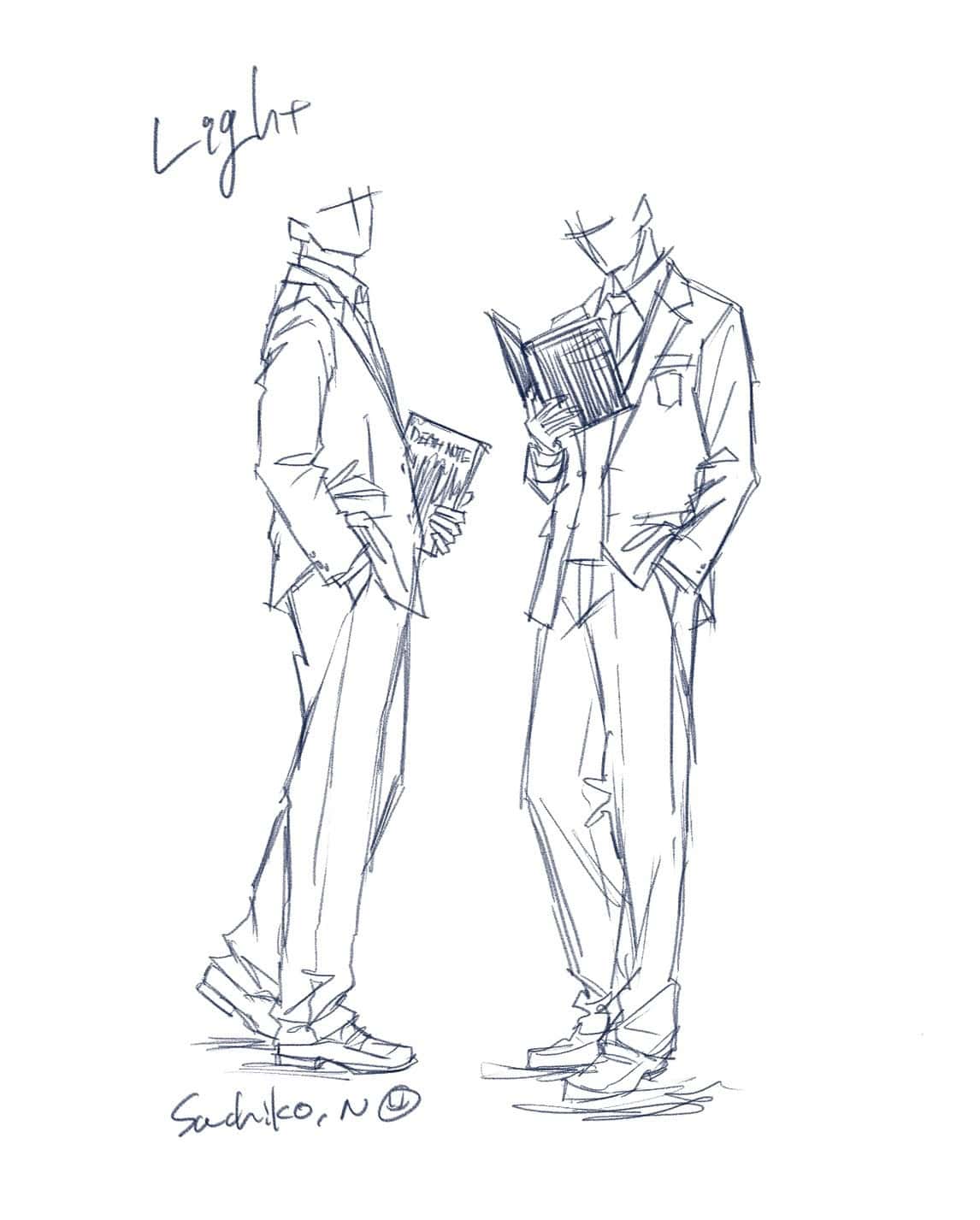
For this production, it was important to me that the characters feel like people who genuinely live in that world, rather than simply people in costume. So instead of designing something overtly theatrical, I focused on creating clothes that feel like natural, contemporary everyday wear.
RT: Death Note has already inspired a lot of streetwear. How is designing for the stage different from that kind of fashion design?
SN: Fashion is about expressing the person who wears it, whereas costume design is about telling a story.
Before a character even speaks, colour, fabric, and silhouette can already communicate a sense of who they are and the atmosphere they carry.
As the story unfolds, the costumes also reflect each character’s emotions, growth, and transformation.
For this production, I paid close attention to how texture, colour, and silhouette help define each character’s individuality, and how those visual changes gradually build over the course of the story.
RT: When you design for theatre, does a costume need to work as real fashion, as something that could exist outside the show? Or is it only ever built for the character and the stage?
SN: Making the costumes work as “real fashion” was something I was very conscious of, especially for this production.
Almost all of the ready-to-wear pieces we used for styling, apart from Misa’s, are from Japanese fashion brands.
The original costumes that were designed and made specifically for the production also incorporate current trends in Japanese fashion.
I paid close attention to the overall balance so that the ready-to-wear pieces and original costumes would blend together naturally, and the characters would genuinely look like people living in present-day Japan.
RT: Misa Amane already has a very strong gothic and punk identity in the manga. Was she easier or harder to design for the stage than the other characters?
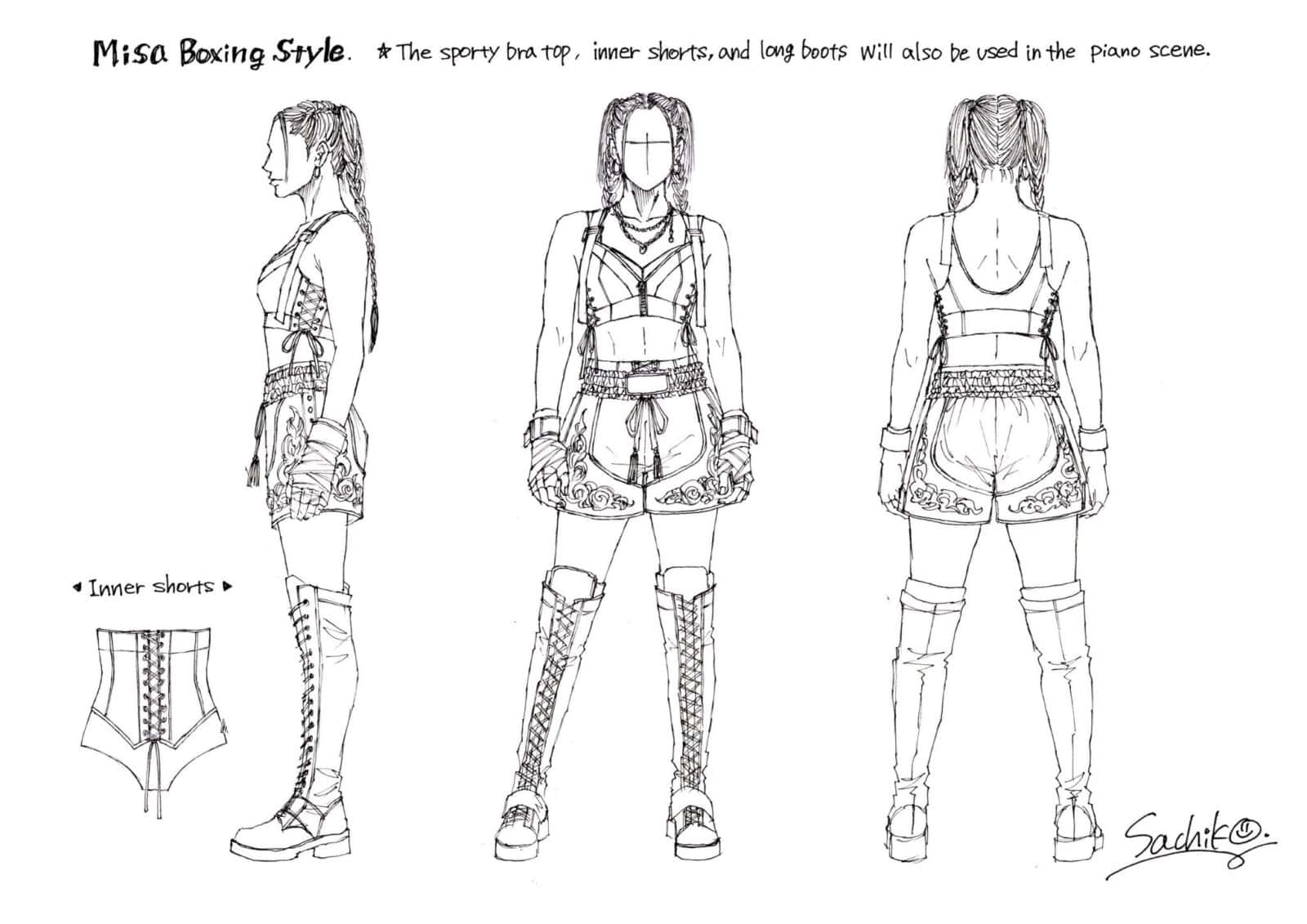
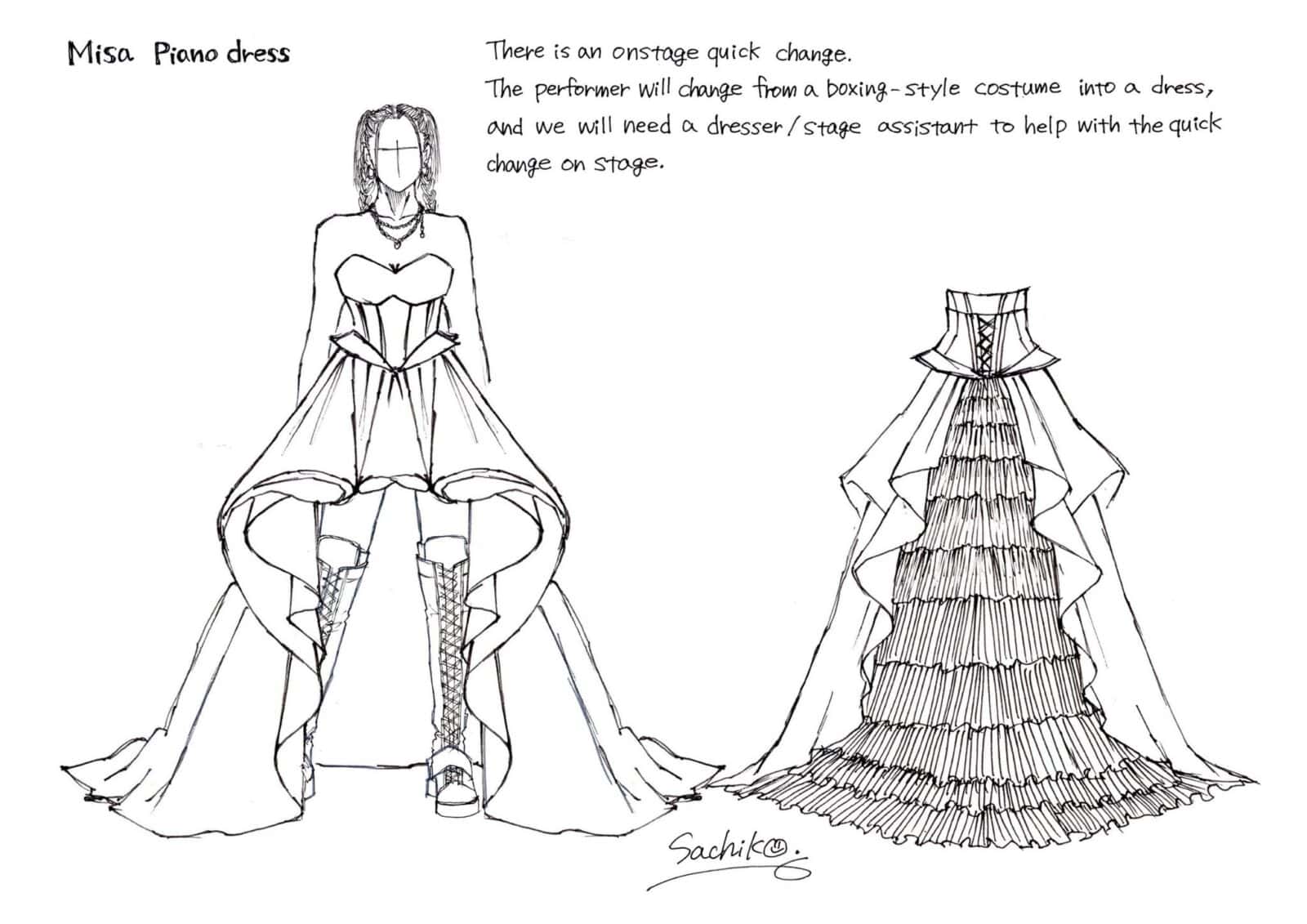
SN: Actually, she was one of the characters I approached most differently.
From the very beginning, we had decided not to incorporate the gothic and punk aesthetic of the original manga.
At the same time, I didn’t want to remove those influences entirely. Instead, I wanted to reinterpret them in a way that would feel natural within contemporary fashion.
In Japan, there’s a culture of enjoying fashion by taking inspiration from the artists you admire. With that idea in mind, I subtly incorporated certain items into the costumes of people on the street, as well as Light’s younger sister Sayu, that might make audiences think, “Maybe they’re fans of Misa.”
I hope audiences enjoy spotting those little playful details throughout the production.
RT: Were there any costumes that were especially difficult to design or bring to life?
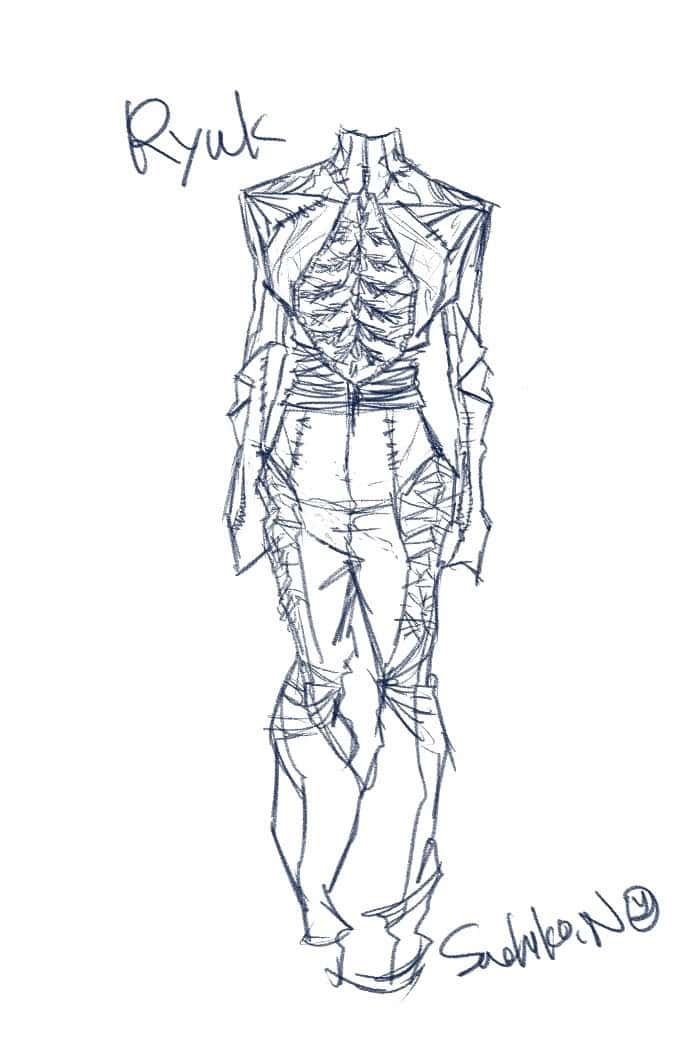
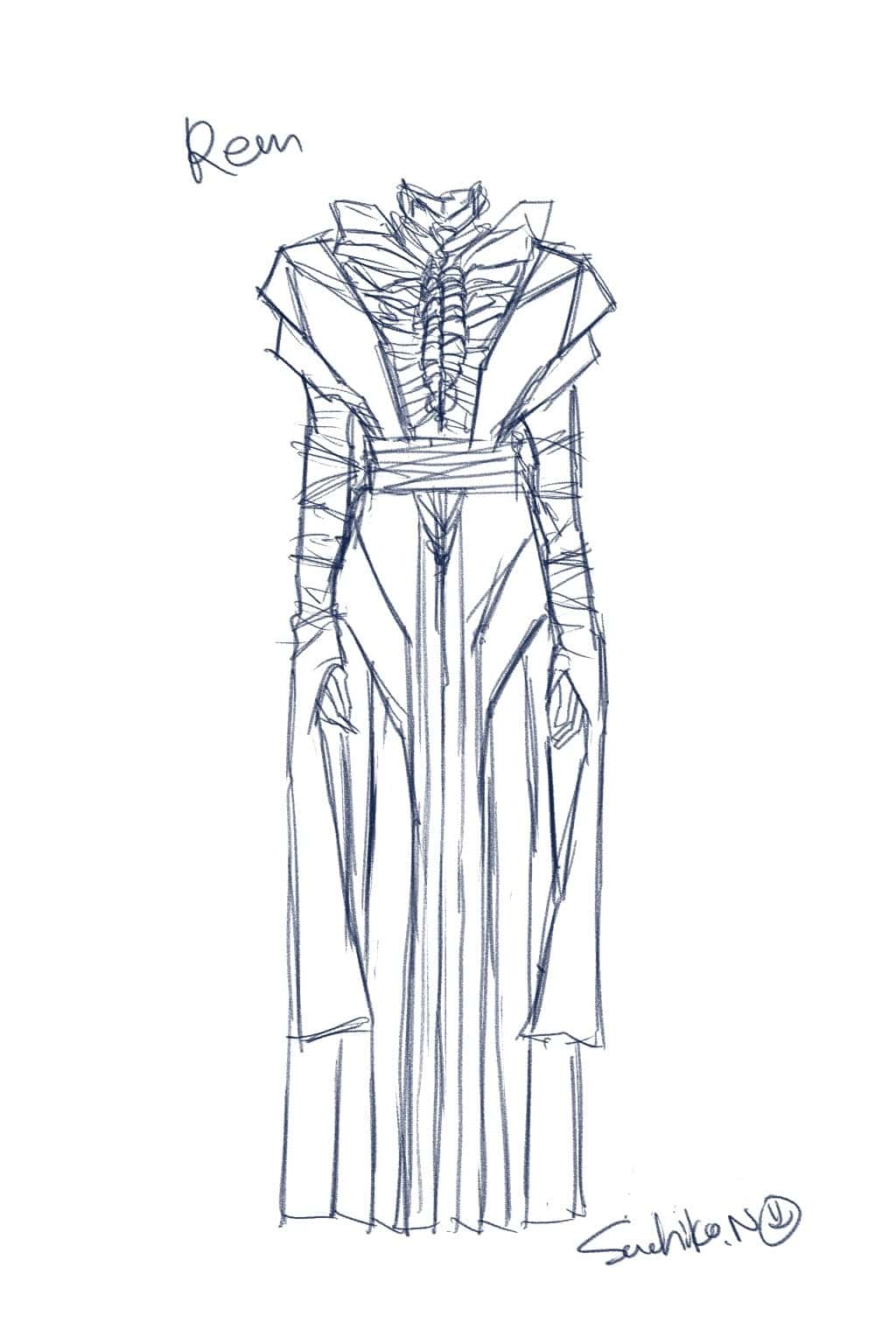
SN: Without question, the Shinigami.
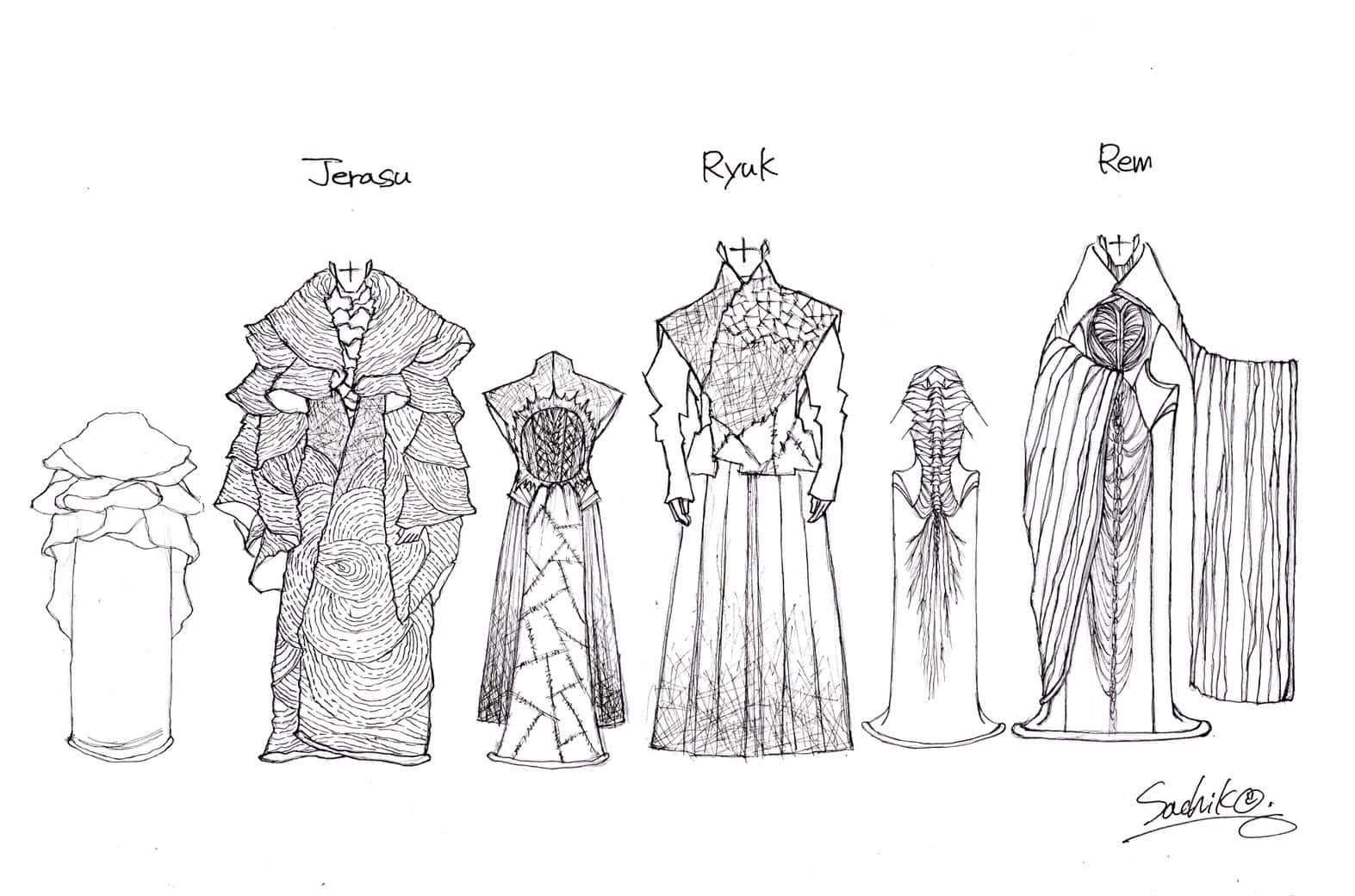
For this production, I chose an approach that blends each character with traditional forms of Japanese artistic expression.
Ryuk is inspired by sumi ink and gold leaf, Rem by washi paper, and Gelus by boro textiles and soil. Each design is built around a different traditional Japanese material or artistic technique, while incorporating details that express the individuality of each Shinigami.
Many of the smaller details also carry meaning. For example, the silhouette of an apple which also appears in the key artwork, is incorporated into Ryuk’s chest design.
The designs may surprise audiences who were expecting something closer to the original manga. However, precisely because this production is being staged in London, I felt there was great significance in presenting a vision of the Shinigami rooted in Japanese culture in a simple way, without over-designing them.
RT: You were nominated for an Olivier Award for your costume design on Spirited Away. Did that experience change how you approached Death Note?
SN: Working on Spirited Away really made me realiSe that visual storytelling can communicate emotion even when people don’t share the same language.
That experience had a significant influence on my approach to the costumes for Death Note. I wanted the costumes to help audiences become immersed in the story naturally, even if they were unfamiliar with the original work.
To me, it’s important to create something that resonates across cultures while still preserving a distinctly Japanese identity.
RT: Is there a costume in the show you’re most proud of, or most excited for people to see?
SN: I’d especially love audiences to pay attention to the ensemble costumes.
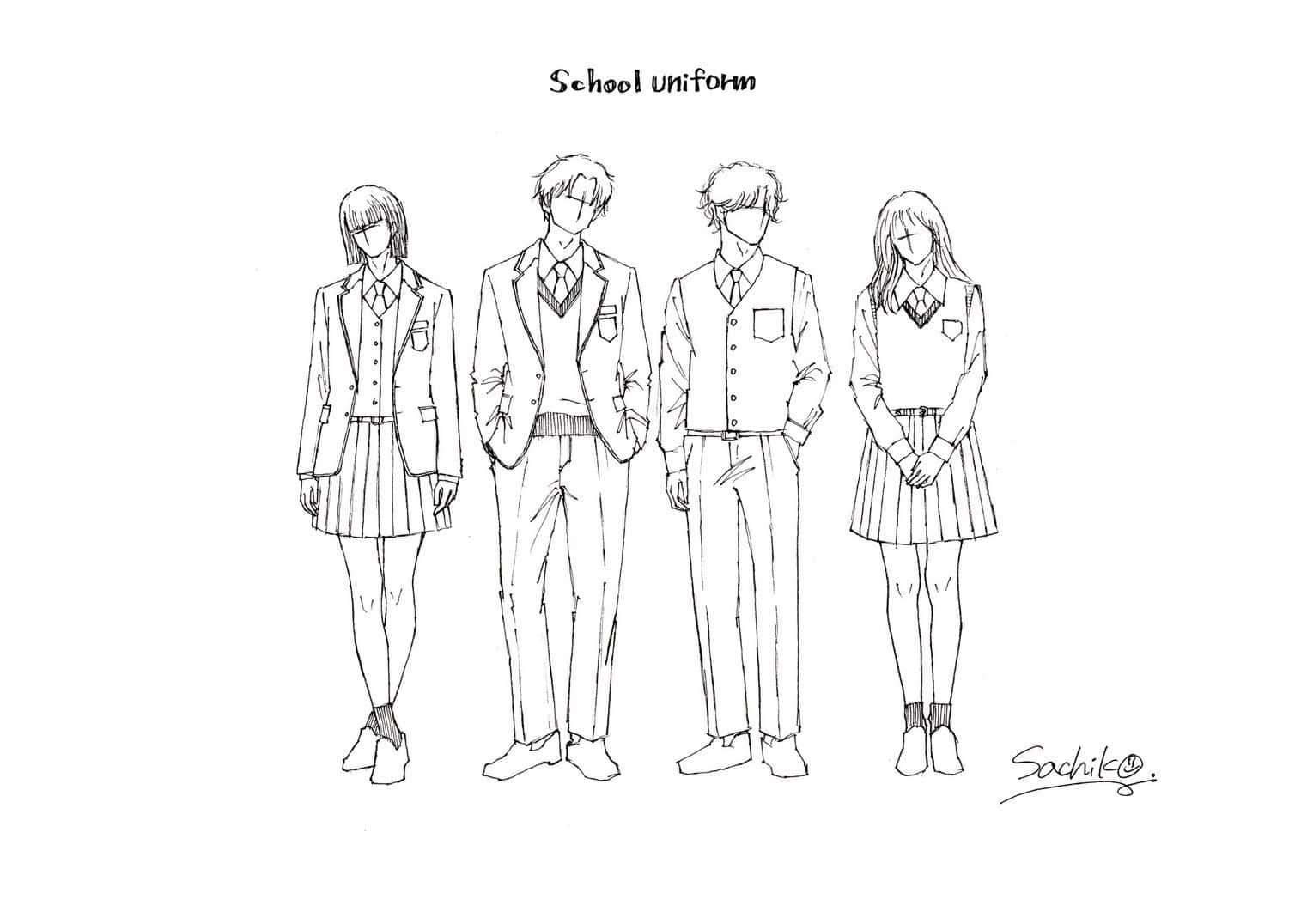
The ensemble appears in many different scenes wearing a wide variety of costumes. I paid close attention to the colour balance and silhouettes so that, depending on the scene, they can blend into the world, express individuality, or serve as visual accents.
One detail you might not notice at first is that every student’s school uniform is actually slightly different. When the ensemble later appears as people on the street, each cast member’s clothing has a silhouette that subtly echoes the uniform they wear as a student.
In another scene, for example, all of the outerwear is exactly the same length, so that when the cast performs the same choreography, their movements appear visually unified.
The ensemble costumes have actually been adjusted down to the smallest details, so I hope audiences will pay close attention and enjoy discovering them throughout the production.
RT: What do you hope a London audience, including people who don’t know the manga, feels when they see the costumes for the first time?
SN: Above all, I hope audiences are naturally drawn into the world of Death Note.
Even for those who are unfamiliar with the original manga, I want the costumes to naturally convey a sense of who each character is.
Through the story, I also hope audiences will discover the richness of Japanese fashion and craftsmanship, as well as the beauty of traditional Japanese materials and forms of artistic expression.
Rather than simply presenting Japanese culture as it is, I believe this production brings together contemporary Japan with new forms of expression to create something unlike anything that has come before.
And precisely because we’re presenting Death Note in London, I’m very excited to be able to share that vision with audiences from around the world.