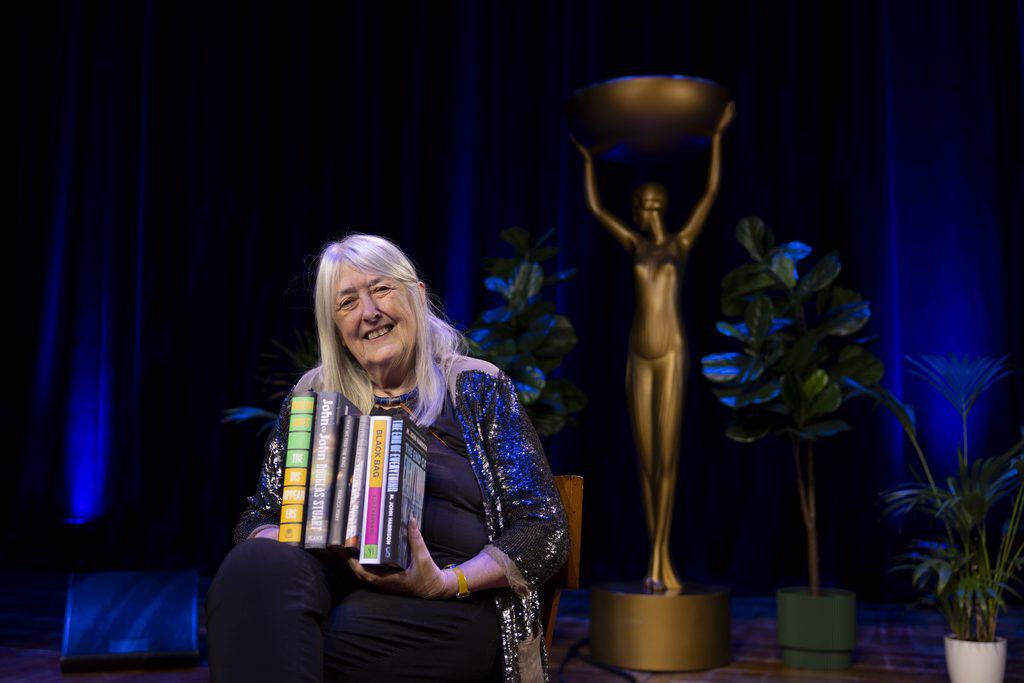
“Don’t be nostalgic for a great age of reading”, commands Dame Mary Beard, wearing a glittering sequin blazer. She has a smile on her face and a twinkle in her eye.
As this year’s panel chair, Beard looks ready to announce 2026’s shiny new novel stars at the Queen Elizabeth Hall in the Southbank Centre. Brushing the cobwebs off so-called “great periods” of reading, she claims that too much focus is being put on our “short attention spans” in this AI age.
Whilst Beard, the world’s most renowned classicist, described the judging process as an “exercise in persuasion”, her fellow judge, American author, Patricia Lockwood became “bossier than [she] believed [herself] to be” in the process. Meanwhile, new judge Raymond Antrobus, the Ted Hughes Award-winning poet, looked for novels with “heart” or those that took “risks”.
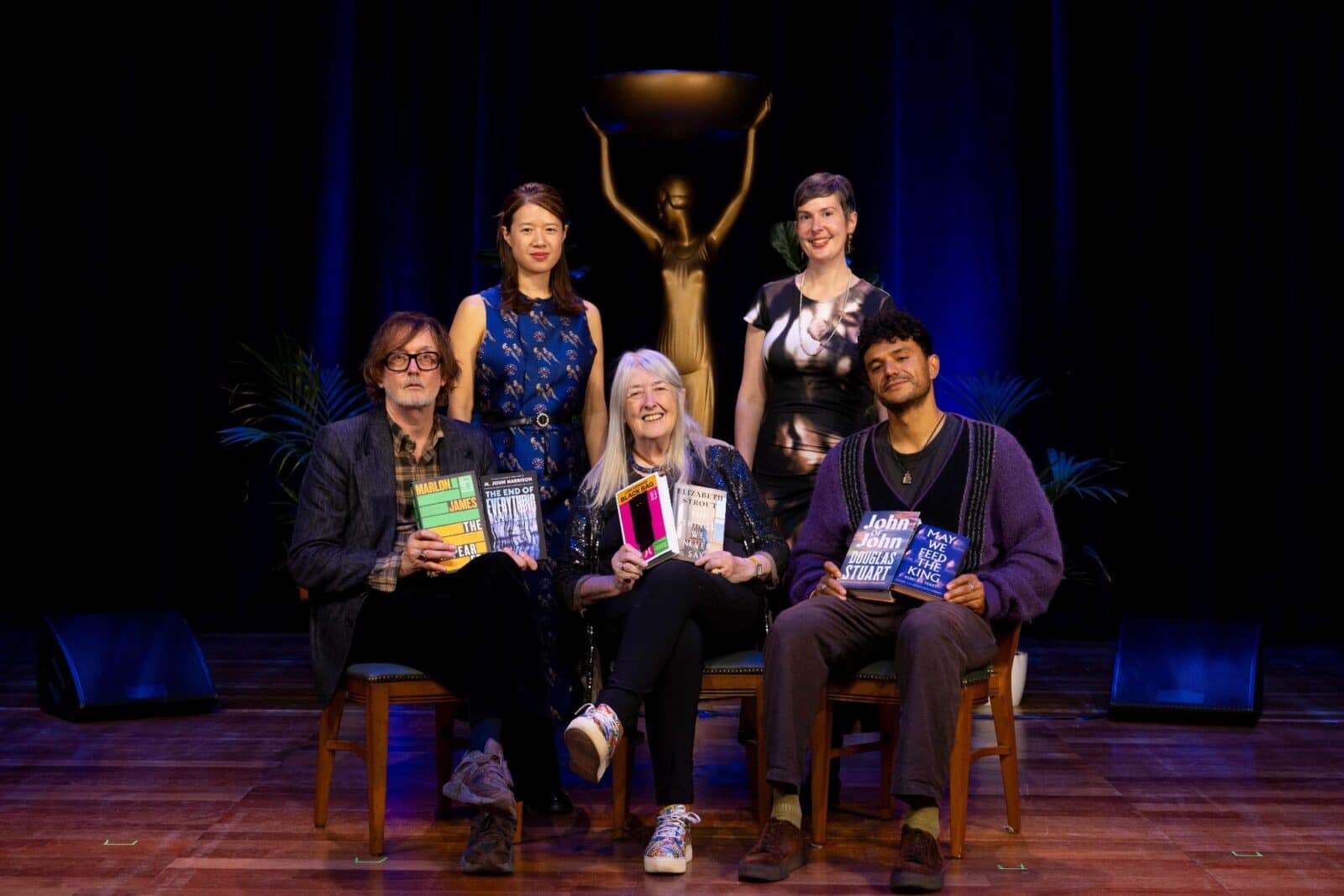
Musician and Pulp-frontman Jarvis Cocker just vibed with a bath robe over his clothes on numerous evenings during the selection process, calling in from locations in Japan, France, and Sydney. In thick-rimmed glasses, an edgy blazer, and with a winning grin, Cocker admitted that the whole process was “a bit like being in a band”.
This line-up was rounded off by editor, journalist, and critic Rebecca Liu who came up with an acrobatic method of judging the 163 nominated novels. Her process required watching which books “stayed on the [gymnastic] beam” when put under rigorous testing.
Lockwood, armed with her own custom-made judging table, made endless jokes early in the evening about the “thinking stones” she dished out to the panel to help get the 13 works down to six for the shortlist.
But enough of the referees, let’s hear in no particular order who is still in the game for one of the most prestigious literary awards of the year:
The End of Everything by M. John Harrison
The Disappearers by Marlon James
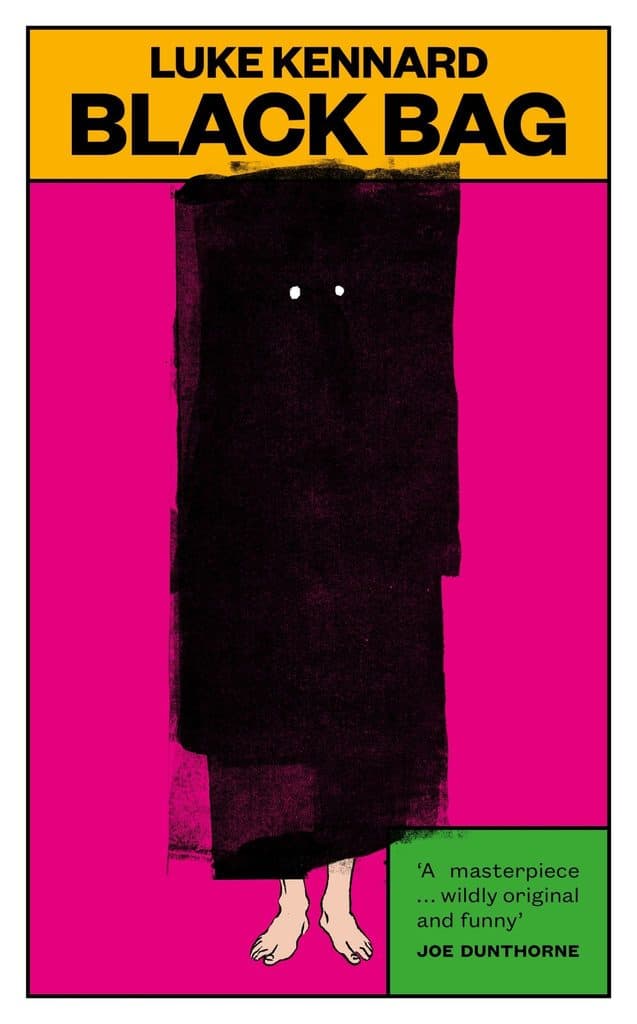
Black Bag by Luke Kennard
May We Feed the King by Rebecca Perry
The Things We Never Say by Elizabeth Strout
John of John by Douglas Stuart
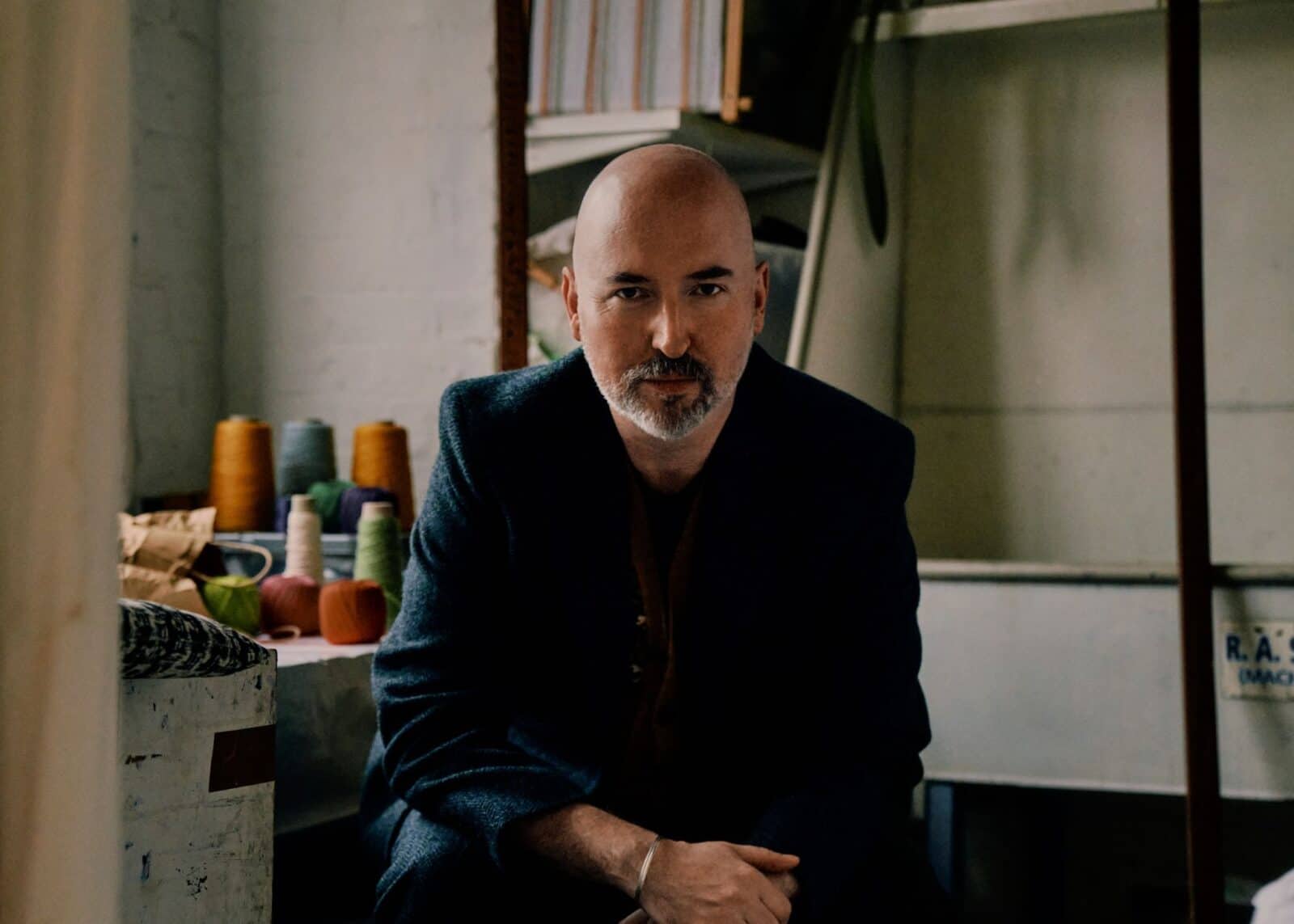
Douglas Stuart. Photo © Desiree Adams.
Former winners Douglas Stuart and Marlon James have both landed on this year’s shortlist. If either author takes home the Prize, it would mark a rare second win in the Booker’s history. Stuart’s John of John was described as inherently “anti-Chat GPT” and interrogates such issues as“the difficulties of sending a dick-pick”, among others. Stuart was awarded the 2020 Booker Prize for his debut novel, Shuggie Bain. With its windswept Scottish backdrop on the island of Harris, Stuart’s narrative about John – son of a sheep farmer also named John –“could not have been better written” says Lockwood.
Marlon James. Photo © Mark Seliger.
James’s second contender for The Booker, The Disappearers, follows eight gay men in Kingston, Jamaica whose lives are changed forever when, one night, they are attacked by a vicious mob. This novel especially gripped Antrobus who, incited to give queer Caribbean literature a shout-out, described that literary scene as “alive and well” for global audiences. All of the judges agreed James’s 640-page book was even better on the second read and was “intense and magnetic”.
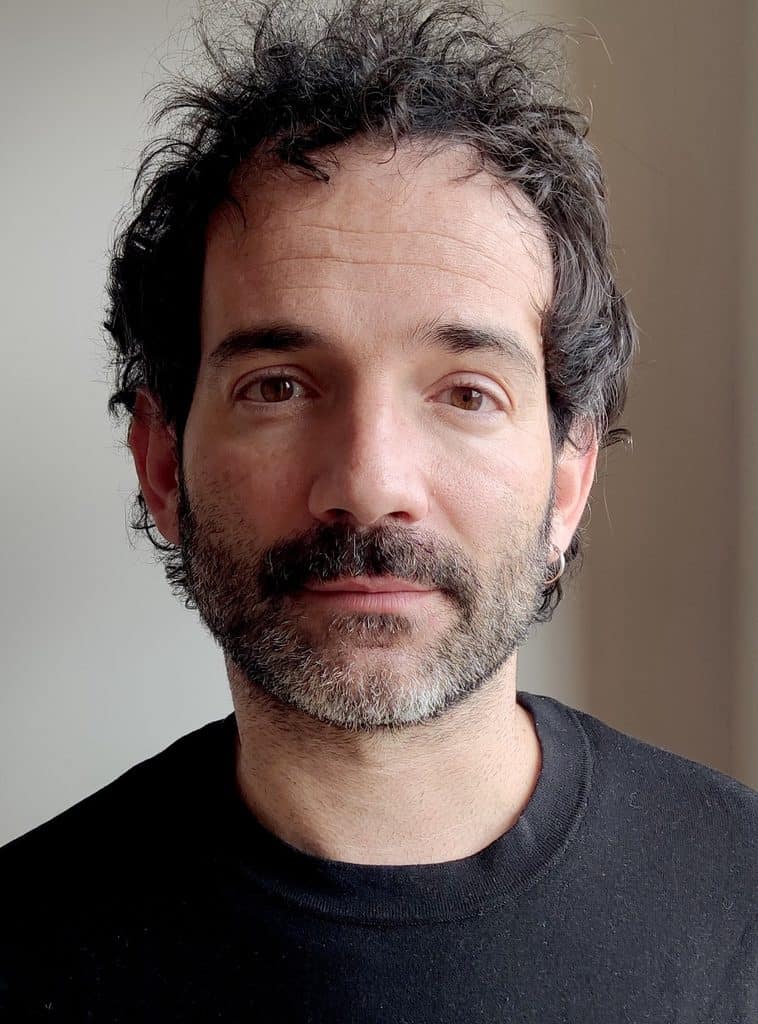
Luke Kennard. Photo © Billie Charity.
Luke Kennard’s Black Bag focuses on an unemployed actor who attends psychology lectures inside of a black bag for a university experiment. Beard commented on Kennard’s “brilliant sex scenes”, often where the actor is inside the black bag. Other judges commented on the book’s depiction of the “cultural and historical baggage of being English”.
Rebecca Perry. Photo © Robin Christian.
“The familiar but utterly, utterly weird” imagination of Rebecca Perry has won her a place on the shortlist with a novel about a museum curator who, in dressing the rooms for a historic palace, “opens history up as a question that matters to the reader” claims Beard. May We Feed the King is former trampolinist Perry’s debut novel and was described by the judges as a “lush jewel”.
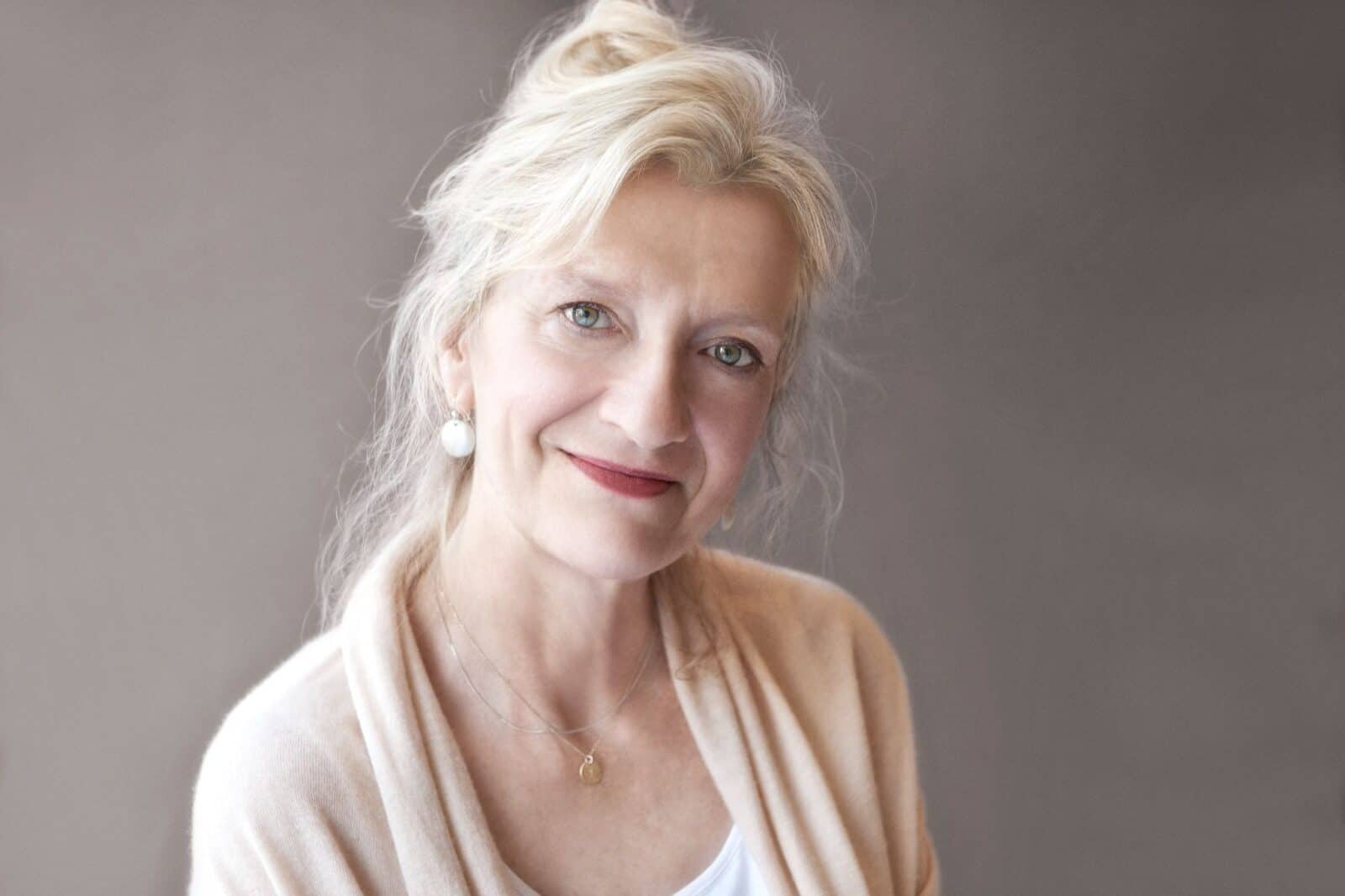
Elizabeth Stout. Photo © Leonard Cendamo.
Former Pulitzer Prize winner Elizabeth Strout’s novel, The Things We Never Say, takes place in the immediate run up to Donald Trump’s win in the 2024 election. Described by Javis Cocker as “a very accessible way to think about what we are living through”, the work uses Artie Dam, a 50-something high-school history teacher, to examine the state of America – but without the “ranting”, promises Beard.
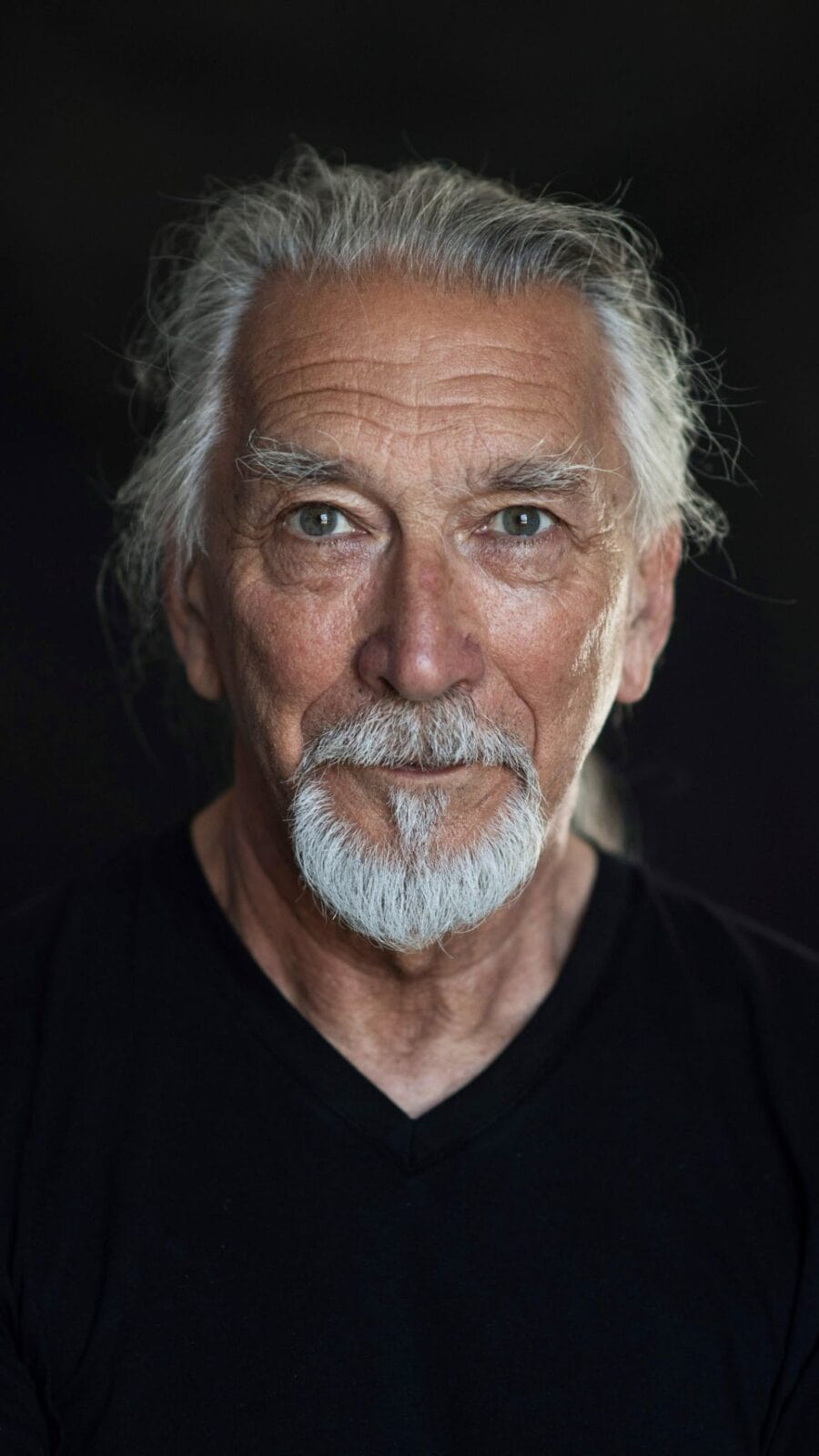
M. John Harrison. Photo © Hugo Glendinning.
81-year-old M. John Harrison could potentially become The Booker’s oldest ever winner. His novel, The End of Everything, looks at the state of post-Brexit England with a science fiction twist. Harrison was a judge for the 2022 Prize, but this is his first ever nomination. Described by the panel as a “scavenging, recycling, assemblage” novel, The End of Everything explores dementia, centering on one man living and working on the Kent Coast who fishes an otherworldly creature out of the English Channel.
Announced on 9 November in London, the winner will receive £50,000 and world-wide acclaim. Perhaps the biggest surprise of the night was Mary Beard’s announcement that she thinks “no one loves reading”, going on to describe the pleasure we might derive out of working through a painful book.
For Beard, it seems, we arrive at pleasure through the pain. She finished the event by confirming that “some of these books will be read in 100 years but who knows which ones”.