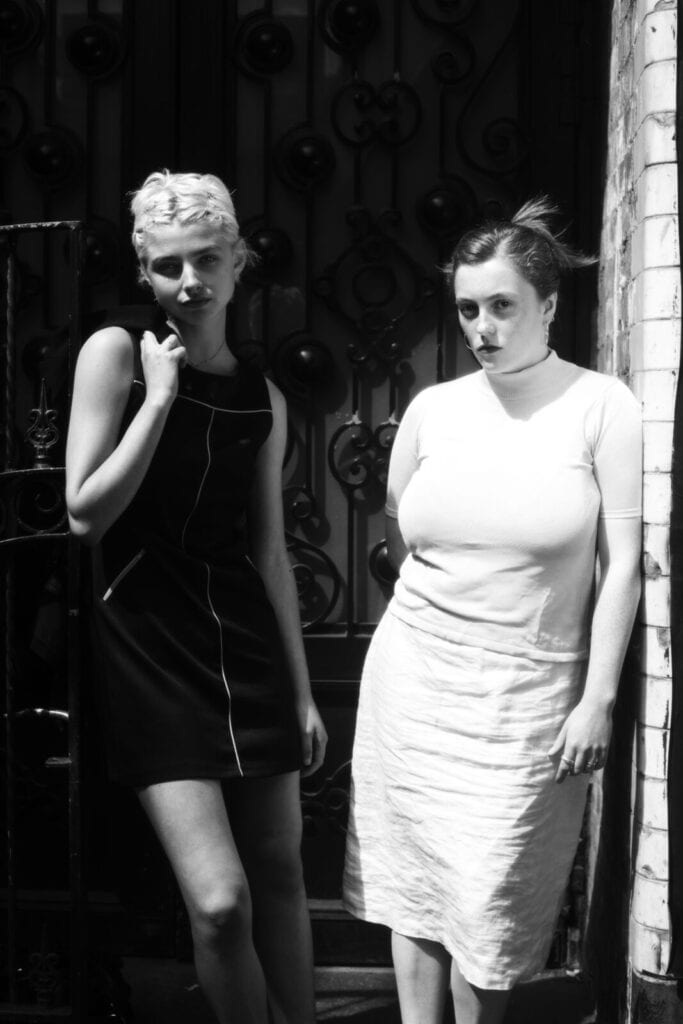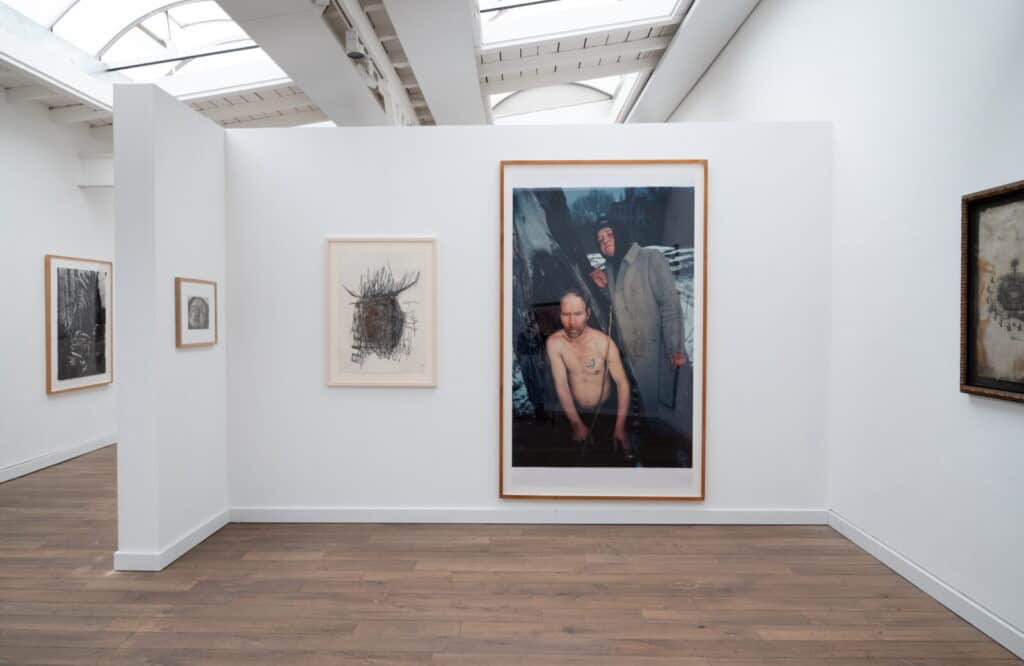
Last month, London’s lesbian community congregated at The Photographers’ Gallery for the launch of the London Dyke Deck. Created by photographer El Kydd, the deck was inspired by Catherine Opie’s original Dyke Deck (1995), following Opie’s solo exhibition at the National Portrait Gallery. Featuring 60 London dykes, the project captures the city’s dyke scene across 54 playing cards, bringing together a tangible representation of its people and places.
There is something inherently intimate about a deck of cards. Shuffled and dealt across many tables, shared amongst strangers, friends, and exes. A deck of cards offers a way into conversation, making space for stories shared over drinks at our favourite lesbian bars. Created as a celebration of our community’s history, the Dyke Deck acts as an extension of the longing for tangible spaces: something to be held, shared, and brought into the same bars and venues we desperately need.
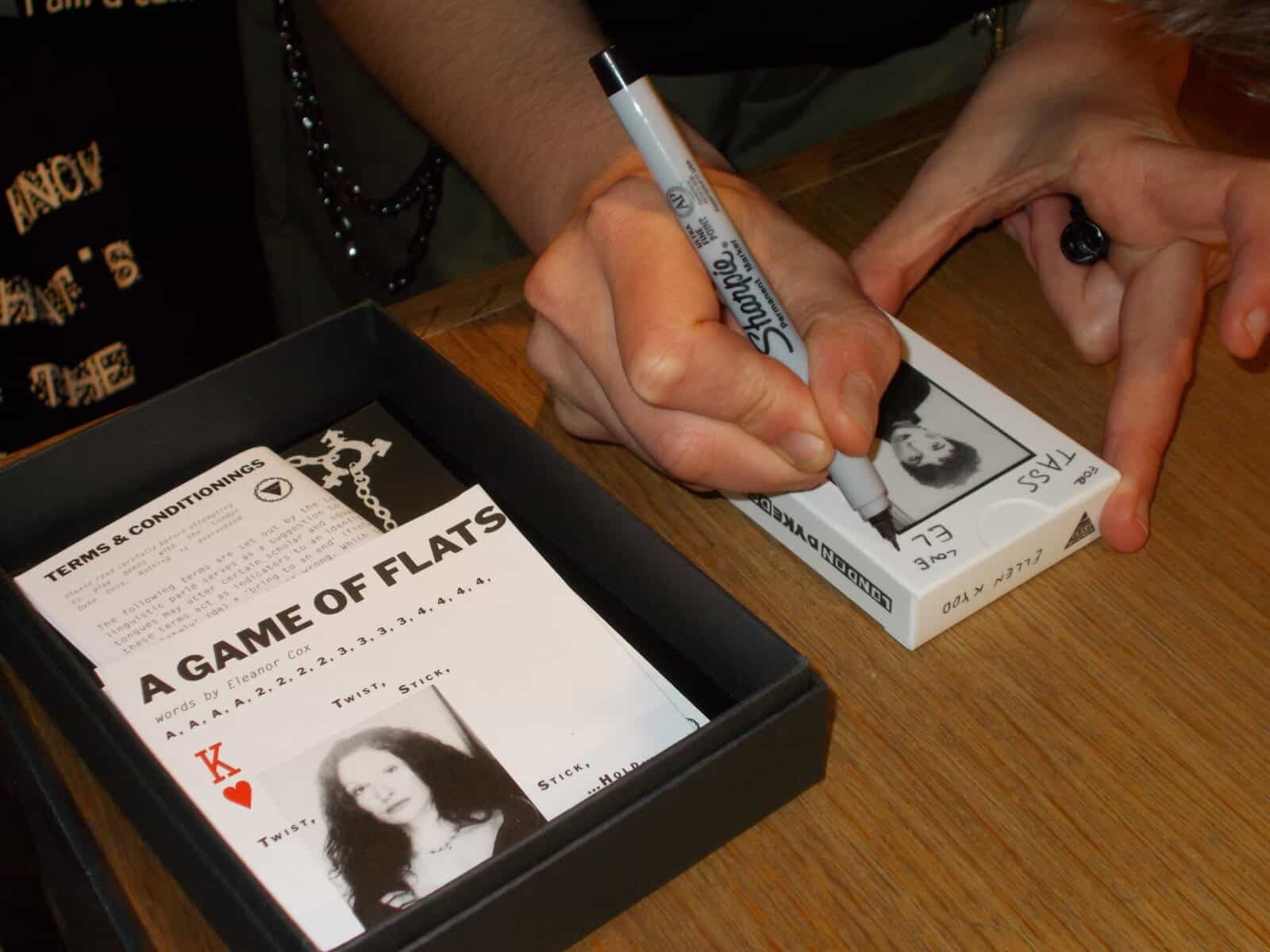
The night began with espresso martinis at Bar Italia in Soho, before heading to the launch for a Q&A with Gemma Rolls-Bentley and Kydd. Rain Reeta Loi followed the discussion, sharing some words with the audience. It was a sexy crowd, but more than that, it was a room full of various inter-groups within the dyke community, coming together. The launch offered an opportunity not only to celebrate the project, but to tune in with one another. Meeting older generations who have navigated the city and its uncertainty before us, our friends, and the future of the dyke scene. The evening served as a powerful juxtaposition to our social climate, a moment where many queer people are experiencing belittlement and ostracization.
At a time where so much of our personal connections are mediated through technology, the importance of physical spaces is increasingly apparent. Places like La Camionera and Rhizomatic! offer something beyond a venue to meet. They create the possibility for unassuming connection, for stories to pass through generations, allowing different cohorts of the dyke community to exist together seamlessly.
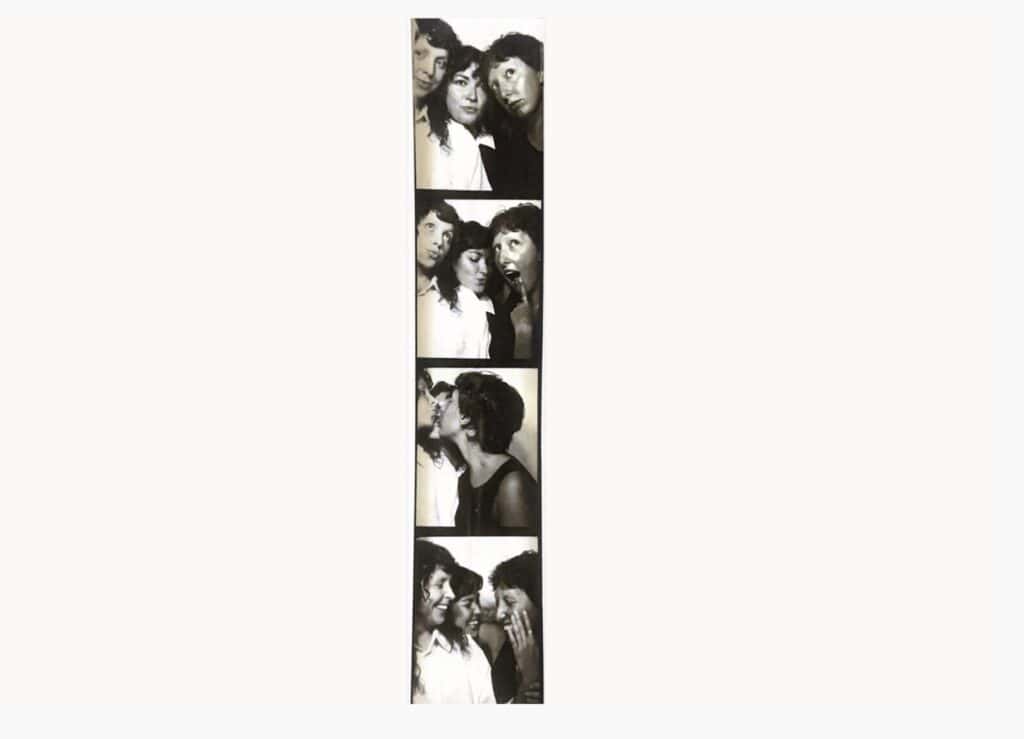
Within a political climate of rising hostility and censorship, the decision to shoot the project in photo booths with Autofoto London is significant. Historically, photobooths have offered queer communities a space to capture ourselves without a third party directing or developing the image, giving us control over how we are seen. The deck carries a similar sense of self-authorship, meanwhile the games offer a playful way into deeper connection and conversation.
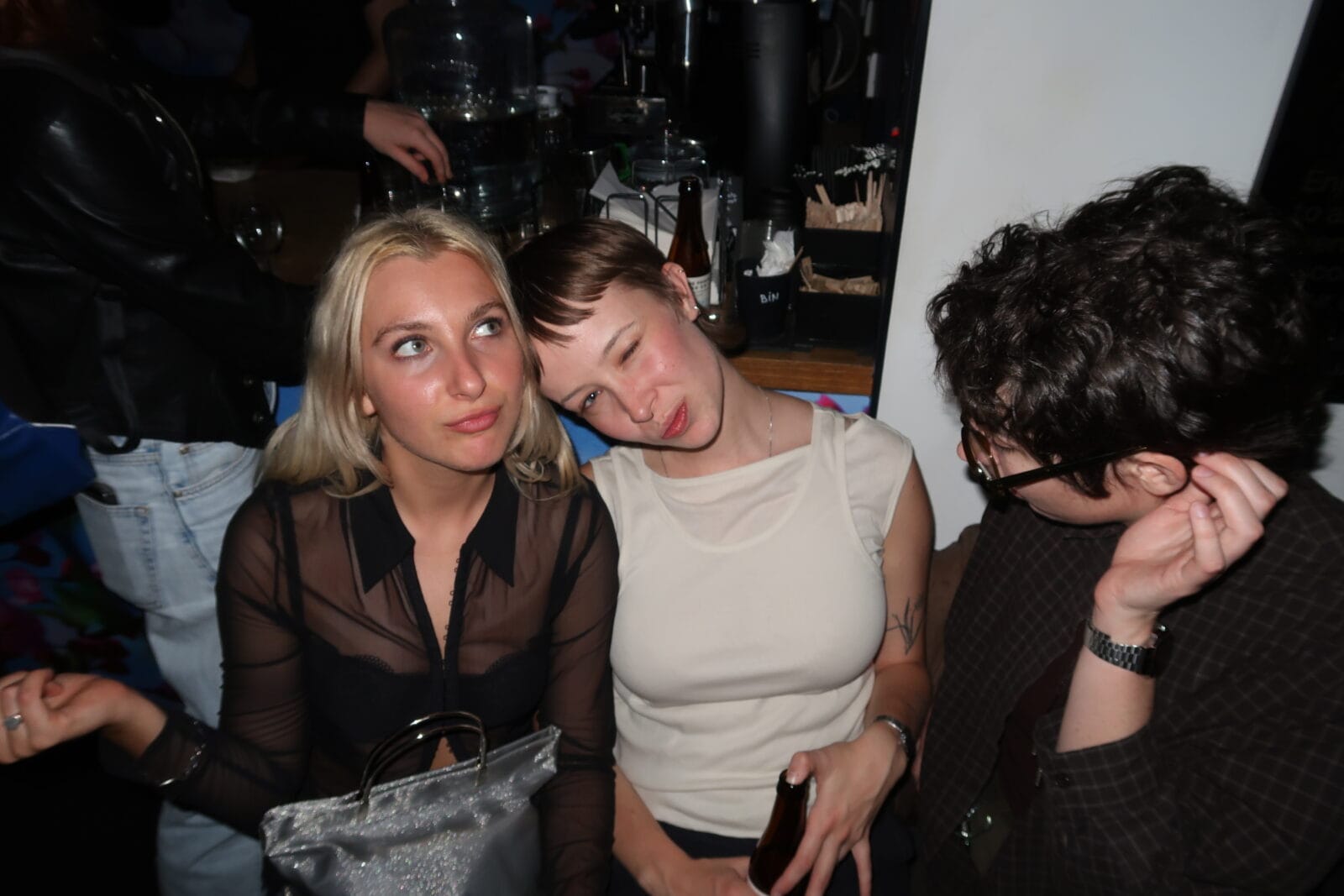
On the day following the launch, it felt appropriate to bring my copy of the decks to La Cami, where we played a round of Shitheads. Giggling, we looked at our mates on their cards, seeing what exes happened to be in the deck, clocking faces of those we may have made out with at Superstore. We realised the cards allow stories to move between generations, without external pressure of having to define what queer community should look like.
When so much of queer life is discussed through politics and the negotiation of our right to exist, simply being able to play, laugh, and share a table together is necessary. It’s a radical act to be able to ask someone what queer life looked like for them, only to realize that the community we are part of now, has been continually built by, and remade by those before us, exists tangibly on a handheld deck of cards.