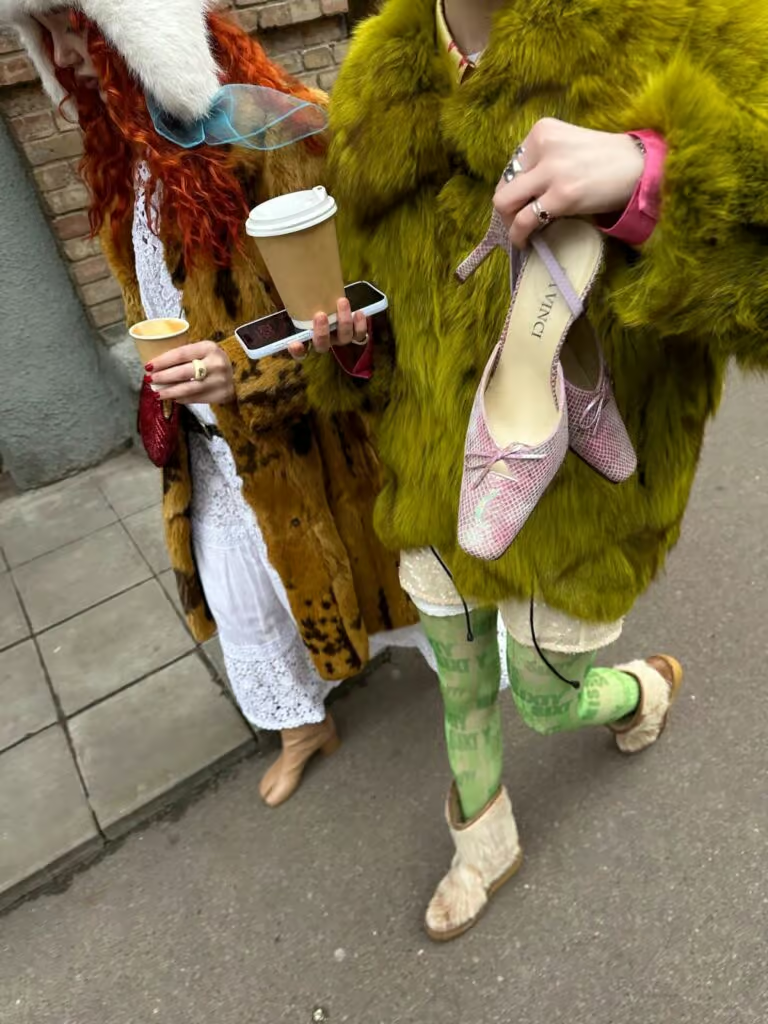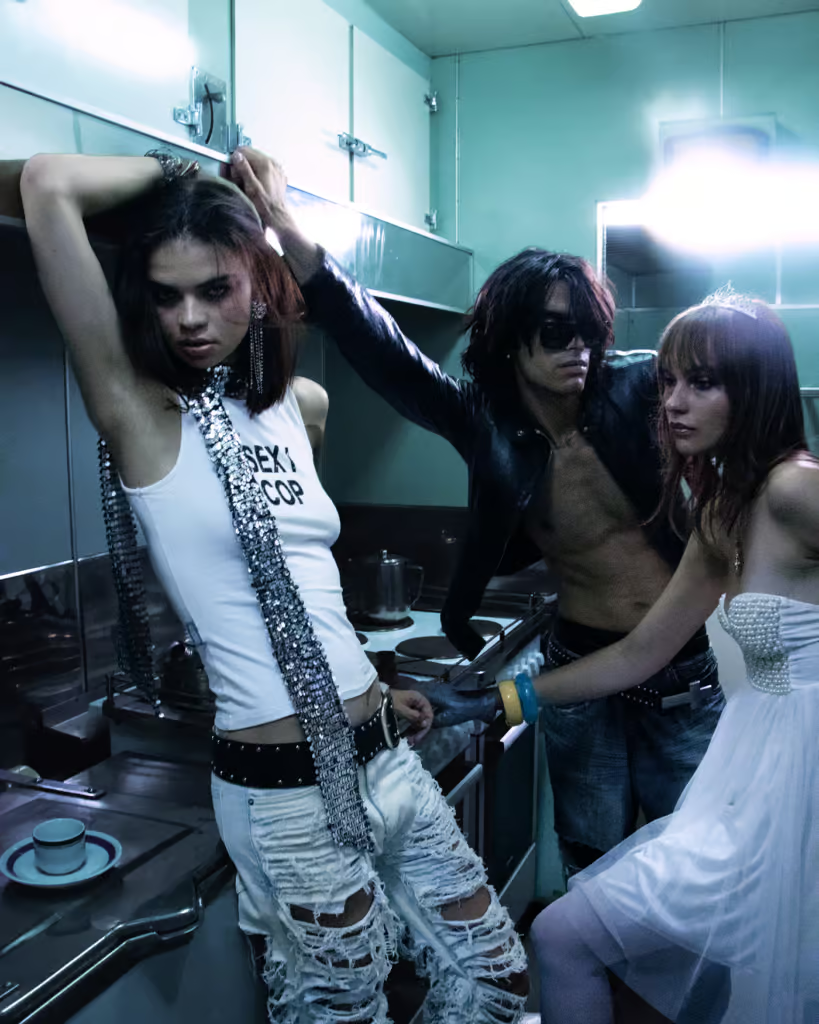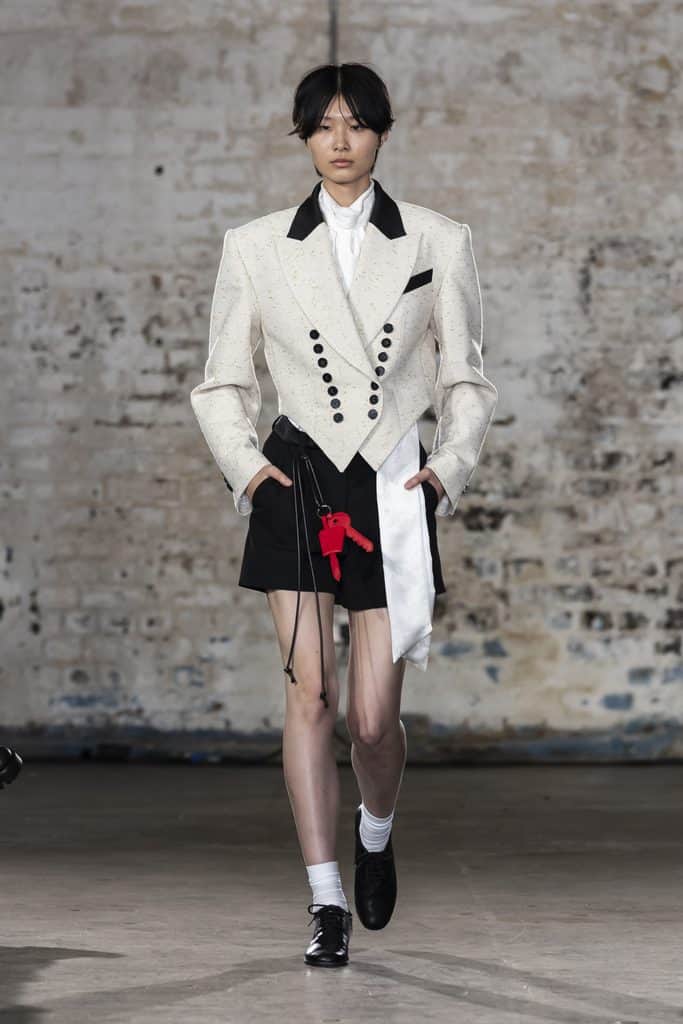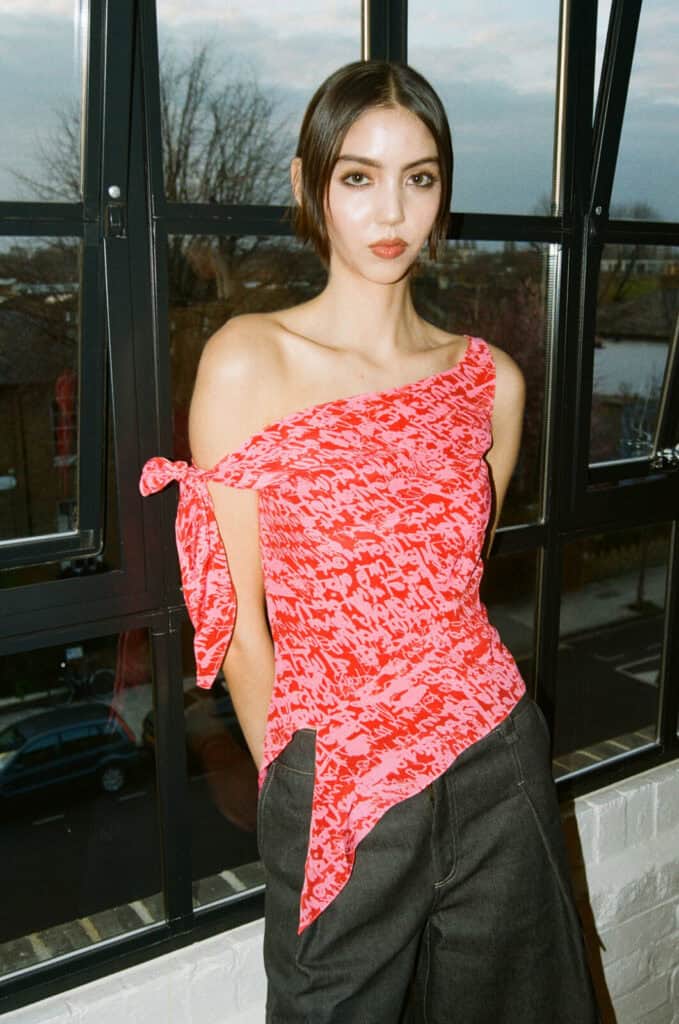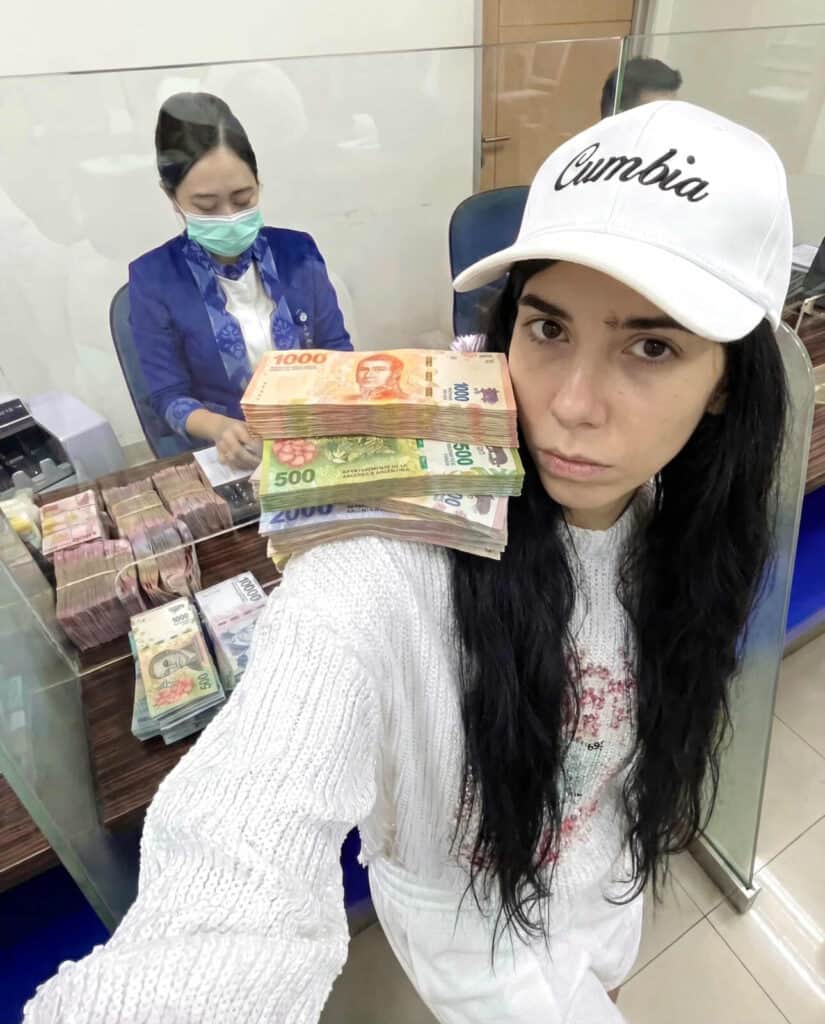
There is a flat in Buenos Aires that, for one hot afternoon last December, became the origin of a fashion story nobody had planned on producing. There had been no talk of a call sheet, or a brief. Instead, the process consisted of sharing music, gossiping, taking photos, and closing the day with Colombian food.
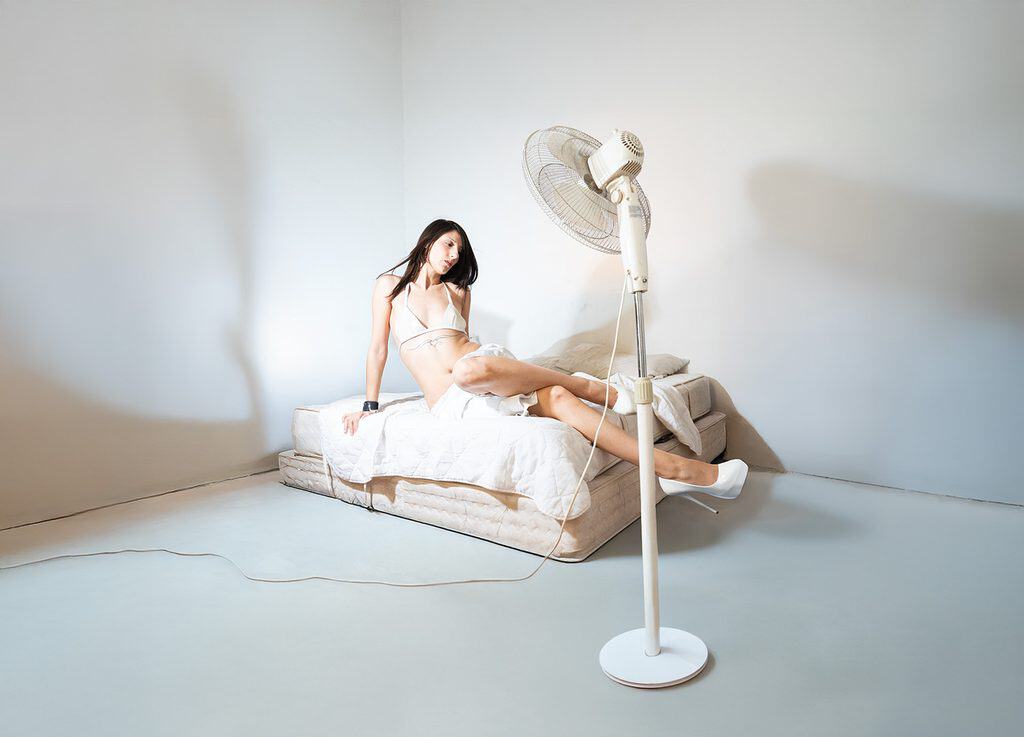
Denise, the London-based designer behind Maissonave, makes clothes for women she admires. Her label is part clothing line, part ongoing act of translation between Buenos Aires and London. The shoot brought together EQ Connection, the Buenos Aires music project formed by Estratosfera and Qiri, and photographer Bauti. Built through friendship and a shared creative language, the collaboration offers an unposed portrait of women in Latin underground culture, resistant to an easy definition.
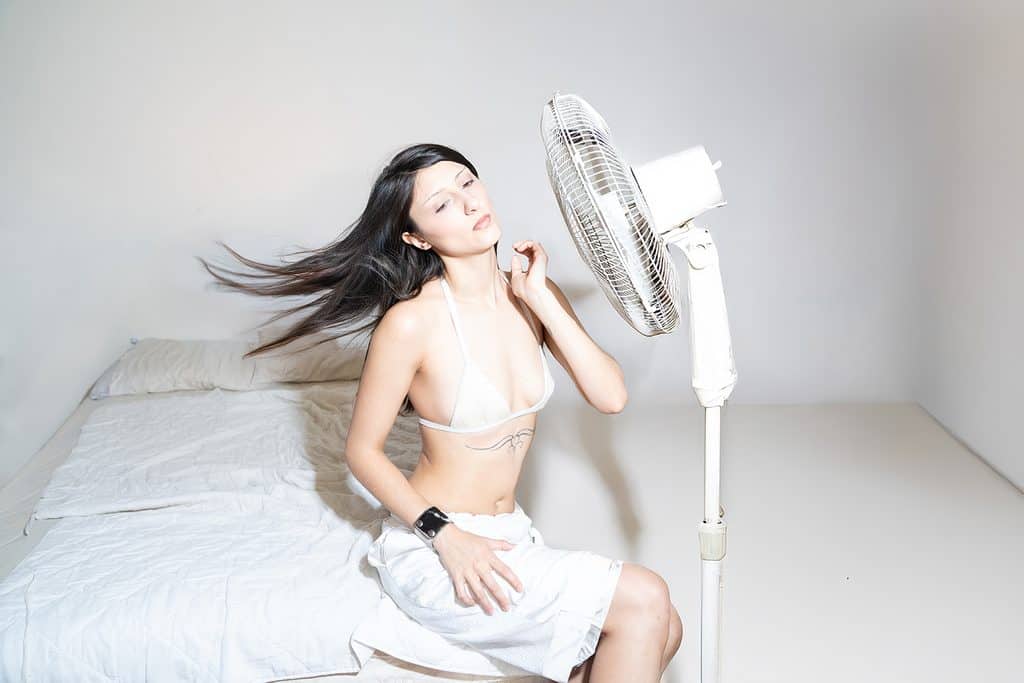
“Fun and genuine”, as Denise describes, which many know, is somewhat of a fantasy when describing your average fashion shoot. However, it is exactly the language of the label Denise runs.
The story arrives as Maissonave enters a new chapter, most recently characterised by new collaborations, a recent editorial for VICE styled by Sushi and Baklava, and its first stockists, WiG in Mexico City and ESQUINA in Buenos Aires.
Cold spoke to Denise about how the day came together, the places and experiences that continue to shape Maissonave, and the kind of world she hopes to build around the label.
The Cold Magazine (CM): Maissonave exists between two cities that couldn’t feel more different: Buenos Aires and London. How do those two places live inside the work? Is it a tension you’re always negotiating or has it taken a different form?
Maissonave (M): I think at first it definitely felt like a tension I was constantly negotiating. Growing up in South America, and especially in a city like Buenos Aires, forces you to be strong and adapt very quickly. I owe a lot of that to my culture and the people there. There’s a shared ability and need to reinvent yourself almost every day to navigate constant change, while somehow staying open through it. It’s not easy, but it gives you a kind of resilience and thick skin that stays with you for life.
London became my second home in a completely different way. I’ve been here for seven years now and I think the distance from where I grew up allowed me to understand myself differently. It gave me the space to look at my own culture from the outside and become much more conscious of what I wanted to keep, question, or transform.
So both cities live inside the work in different ways. Buenos Aires gives it the chaos, the instinct, the humour, the survival, the emotion. London gives it distance, discipline, and perspective. At first those things felt like they were pulling against each other, but now I think the work exists exactly in that in-between place.
It’s less about choosing one or the other and more about letting both sides exist at the same time. I keep finding new sides of myself through that tension, and that’s what keeps me wanting to go deeper.
CM: You’ve described Maissonave as exploring what “home” means when it exists as memory, desire, and loss. That’s a really specific triad. Where does the loss come in for you? Is it something you felt immediately when you left, or something that built over time?
M: When I first left Buenos Aires, I was in survival mode, so I don’t think I had the space to fully understand what I was losing. I left during a very difficult personal time at home, and London was this huge, intense city where I didn’t know anyone. I was studying, working full-time as a nanny, trying to rebuild my life and become someone here. At the beginning, there wasn’t much room for nostalgia. I just had to keep going.
With time, I understood that it wasn’t just about missing Buenos Aires as a place. It was missing a version of home, my family and friends, and even a version of myself that I couldn’t fully return to. When you leave, everything keeps moving without you. The city changes, people change, you change, and suddenly home becomes something you carry in memory rather than something you can simply go back to.
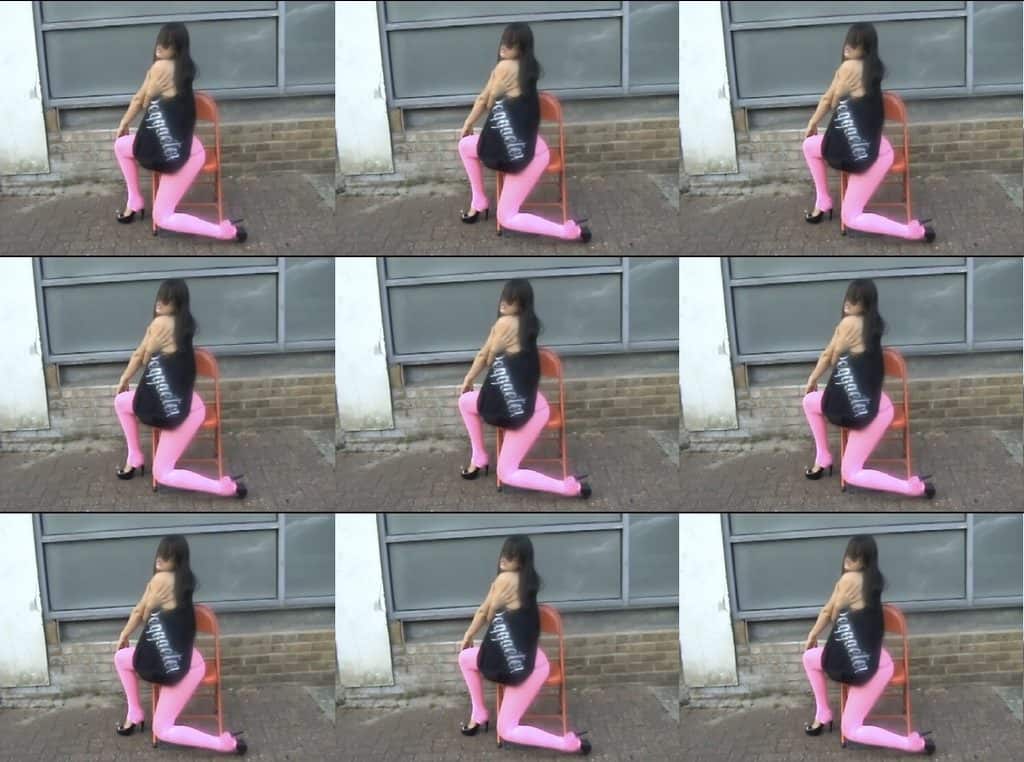
That’s where Maissonave exists for me: in the gap between what I remember, what I desire, and what I know I’ve lost. And I think the longer I’ve been away, the more I understand that home isn’t one fixed place anymore or something I can control. It’s something I keep remaking through the work.
CM: Tell me about the EQ Connection shoot. The atmosphere you described: meeting, sharing music, gossiping, taking photos, then going for Colombian food. It sounds less like a production and more like a gathering. Was that intentional from the start?
M: We’d been speaking on Instagram about doing something together while we were all in Buenos Aires, but there was never this rigid idea of what the day had to be. It just felt like a fun, spontaneous project from the start.
Bauti has that kind of creative energy too, very instinctive and playful, and we also share the experience of being South American immigrants in London, so there’s a lot we understand about each other without really having to explain it. We also really connect through humour and always finding something funny in the chaos and absurdity of things.
I’d actually been listening to EQ before flying home in December, so the whole thing felt kind of perfect. I really love what Estratosfera (E) and Qiri (Q) are doing as female Latin artists in music, and they represent exactly the kind of strong, cool, self-possessed women I want to see in my clothes.
I think that’s also why the images feel so honest.
CM: The shoot explores feminine representation within Latin underground culture. That feels like a subject with a lot of unspoken rules and contradictions. What were you trying to say, or maybe push back against, with that work?
M: I think whenever women are able to break through the obstacles and expectations set up to limit the space we can take, that is always so inspiring to me. Especially in music, where there are still so many rules.
I love seeing women build their own platforms and take up space on their own terms, because that’s a journey I feel personally connected to. I’m always interested in what it took for them to get there, build an audience, and create a voice strong enough to cut through all the noise.
I want to amplify that through my work. I see Maissonave as a channel for these voices too. For me, it’s about allowing Latin women to exist with complexity and entirely on their own terms.
CM: You’ve been building Maissonave alongside your work with Luis De Javier and most recently Mowalola, two practices with very distinct identities. How has working inside those worlds shaped what you want Maissonave to be, and maybe what you want it not to be?
M: I think seeing how the industry actually works, compared to this idea I had of fashion in my head before I started working in it, was a big shock. No one really teaches you in design school that having a brand also means having to run a business. You need to understand finances, sales, production cycles, timelines, and all these other unspoken skills that, as a creative, you’re expected to just jump straight into in order to survive.
Having mentors while navigating that, and being trusted with their brands, is something I’m always grateful for. I think both Luis and Mowa have also shown me this level of passion and commitment to their work that has been kind of hypnotic to me. I really love people with a mission, and I get very easily charged by that energy. Seeing that level of belief up close has definitely shaped how seriously I take what I’m building with Maissonave.
All of those experiences have shaped my approach to fashion and made me very conscious of wanting Maissonave to grow with intention. I want to protect the instinctive and emotional side of the brand, but I also want to understand how it functions and how to make it last. I definitely don’t want to rush into growth just because that’s what you’re meant to do. I’d rather build it at a pace that still feels personal, considered, and connected to why I started it.
CM: Lastly, Maissonave seems to be entering a new moment, with recent collaborations and your first stockist order. What kind of future are you imagining for the brand now, with all this momentum?
M: I really want to go deeper into my own craft and the artisanal side of the brand. I love textiles and developing different ways of making that bring me closer to my own handwriting and to understanding myself better through the work. I’ve been really drawn to sequins and lace lately, and I’m always thinking about new ways of combining different materials, so putting more time and space into that is a big priority for me next.
I’d also love to do a curated event soon where people can actually come and experience the brand in person for the first time. I have some ideas for that, so hopefully you’ll see soon.
I’m excited for the future. I feel like I’m only just starting to understand what Maissonave can become.
Maissonave is based in London. Follow the brand at @maissonave_.