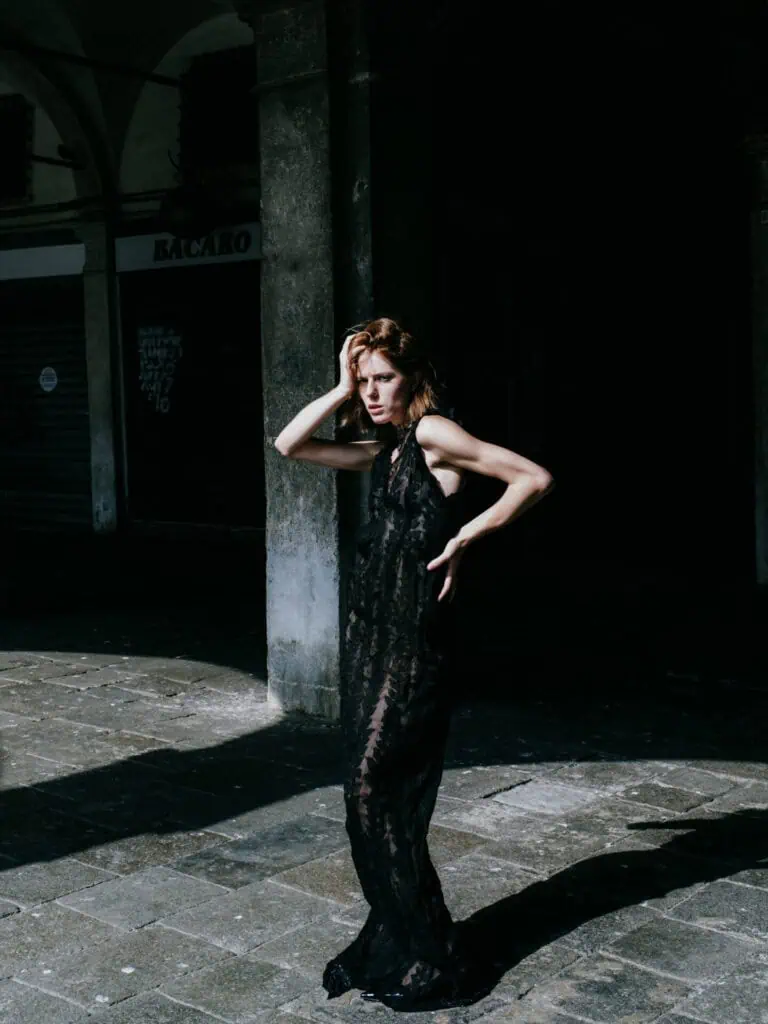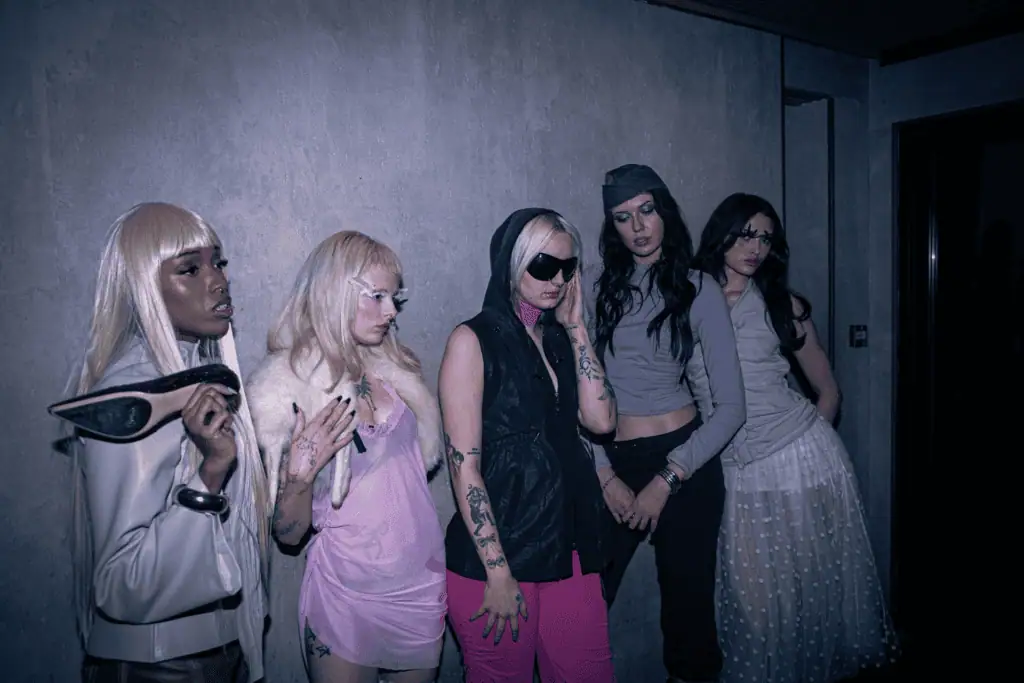
On June 1st 2026, Charli XCX announced her post-Brat album, Music, Fashion, Film encapsulating the intersection of three major art forms in one album; but London’s underground has long understood that creativity rarely exists in isolation. Somewhere between the catwalk, the camera lens and the dancefloor, an independent creative scene has been building its own ecosystem, without waiting for an invitation from the institutions that traditionally dictate culture.
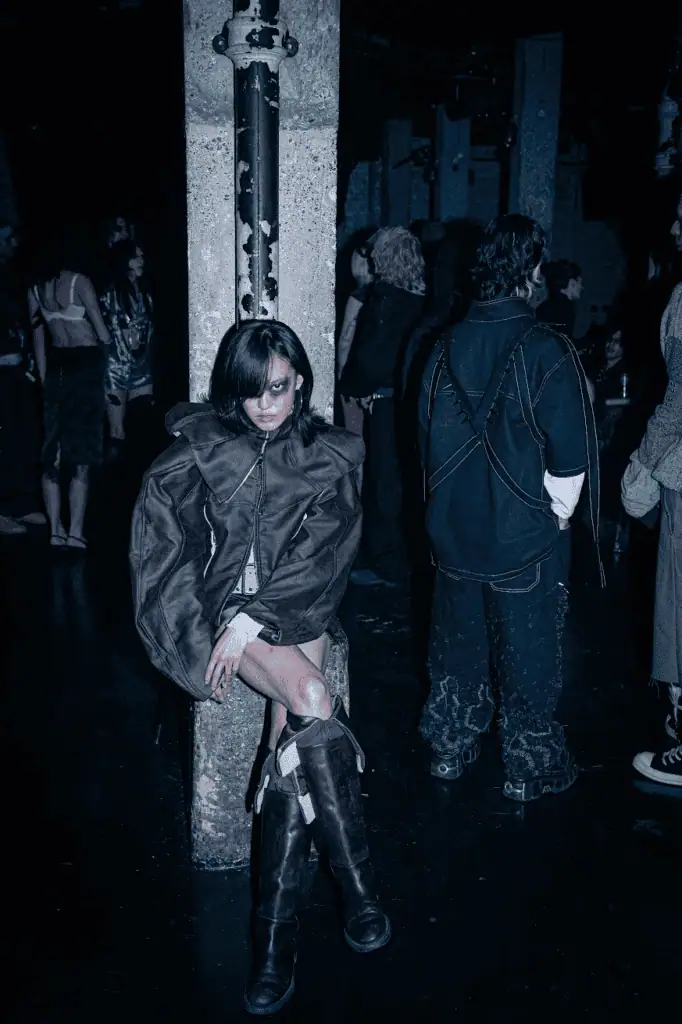
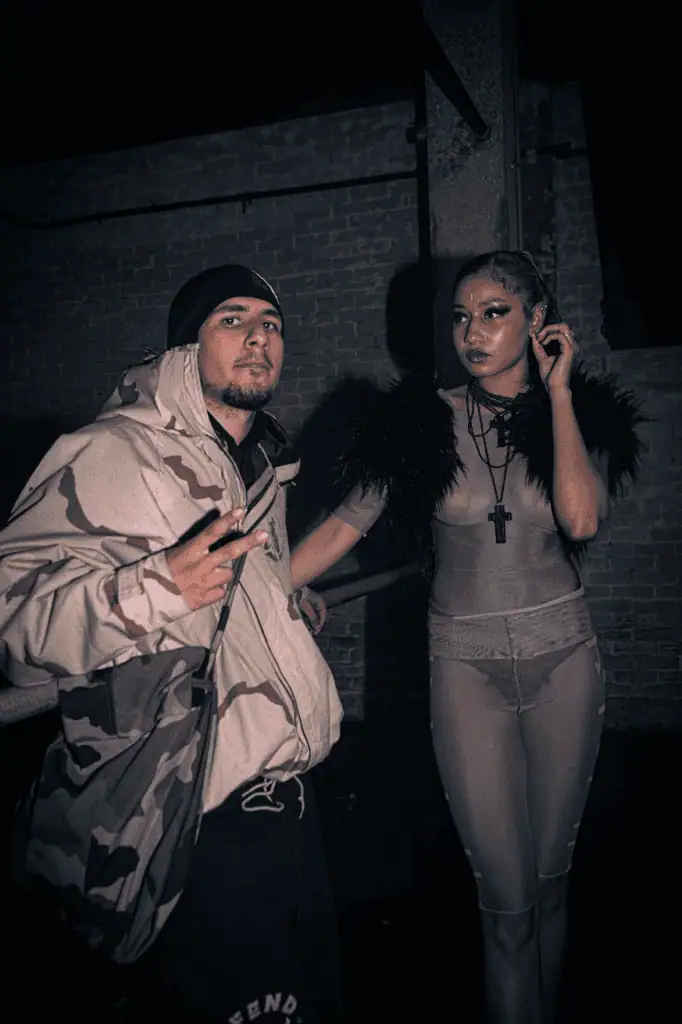
Enter OBSCURA X-01, the proclaimed “second child” of multidisciplinary creative Santi Sanchez. Bringing together designers, models, stylists, photographers, dancers and filmmakers, the independent runway is less concerned with establishing a singular creative identity than demonstrating what can happen when an entire community shares one.
The London Creatives dropped their cliches with 81 staff members rallying up over the course of the five months of preparation; with OBSCURA X-01 not only presenting emerging fashion brands but also created a meeting point of a generation of creative disciplines occupying the same space.
Having walked the runway as well as working on press/PR, I found myself on both sides of the spectacle, as both participant and observer. It offered a perspective beyond the finished presentation, one that made the scale of the collective effort particularly apparent. What audiences eventually saw as a runway was, behind the scenes, five months of planning, coordination and creative exchange.
For Santi Sanchez, the distinction between OBSCURA X-01 and his first runway project is particularly important. While the inaugural show was centred around communicating his own Mexican identity, the second was built around something considerably bigger: a message. “You don’t need the corporations, you don’t need any sort of backing to do this type of shows,” he tells me in the brief moment of calm just before the show begins. “This is an independent, full independent production. Everything comes out of my pocket.”
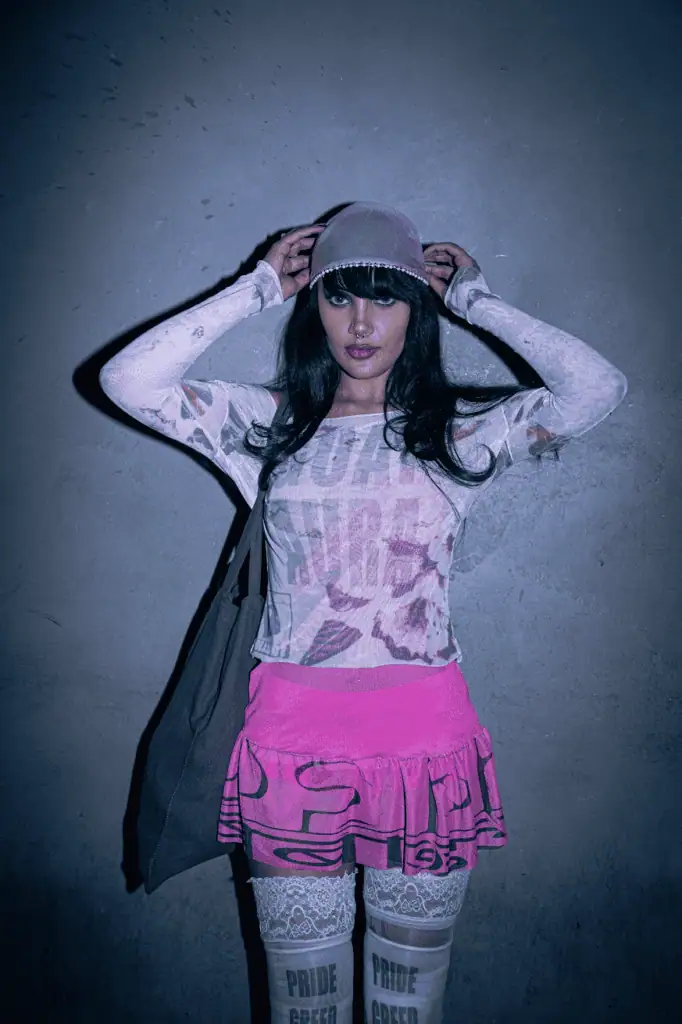
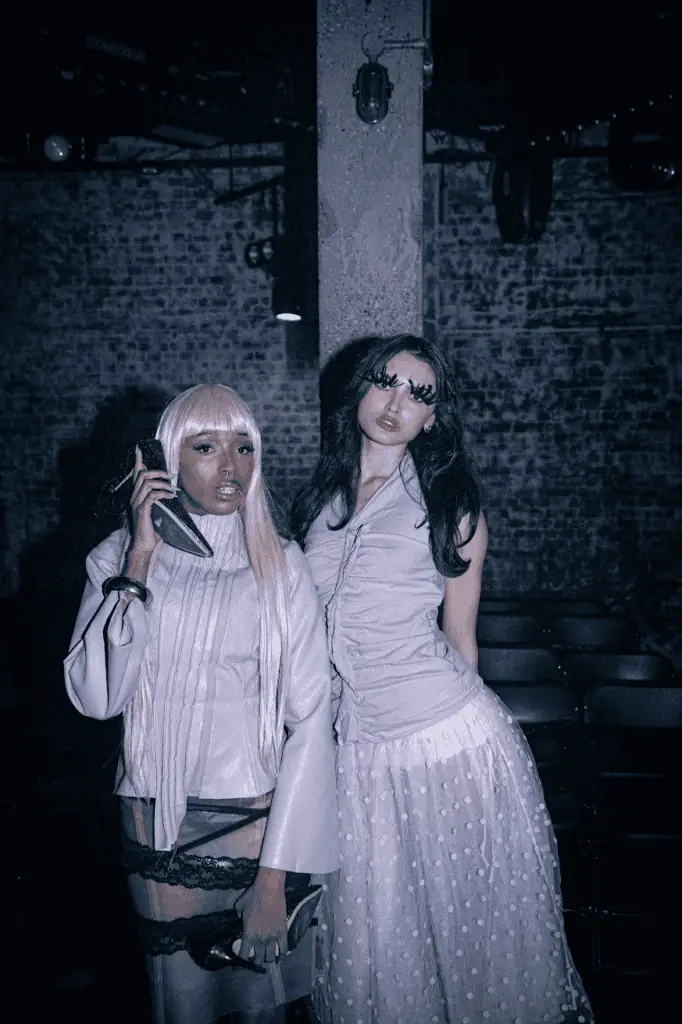
It’s a fairly uncompromising position, particularly within an industry where access, visibility and financial backing can often determine whose work gets seen. Yet Sanchez sees independence not as a limitation, but as an opportunity to exercise complete creative control. Without external investors or corporate guidelines, the production remains entirely his own. “Everything is ours,” he says.
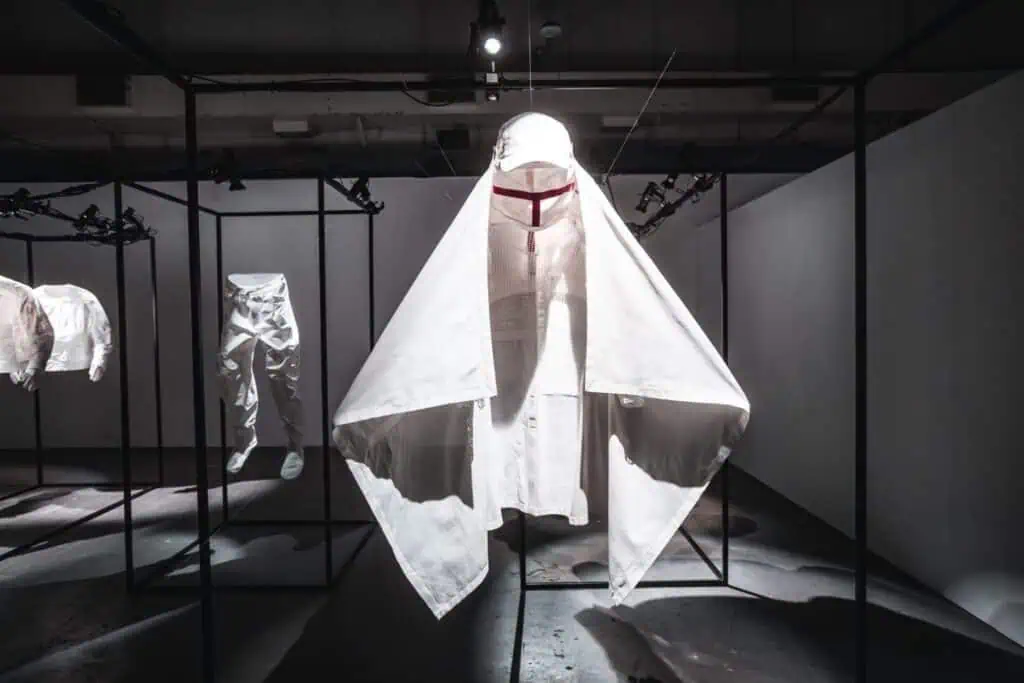
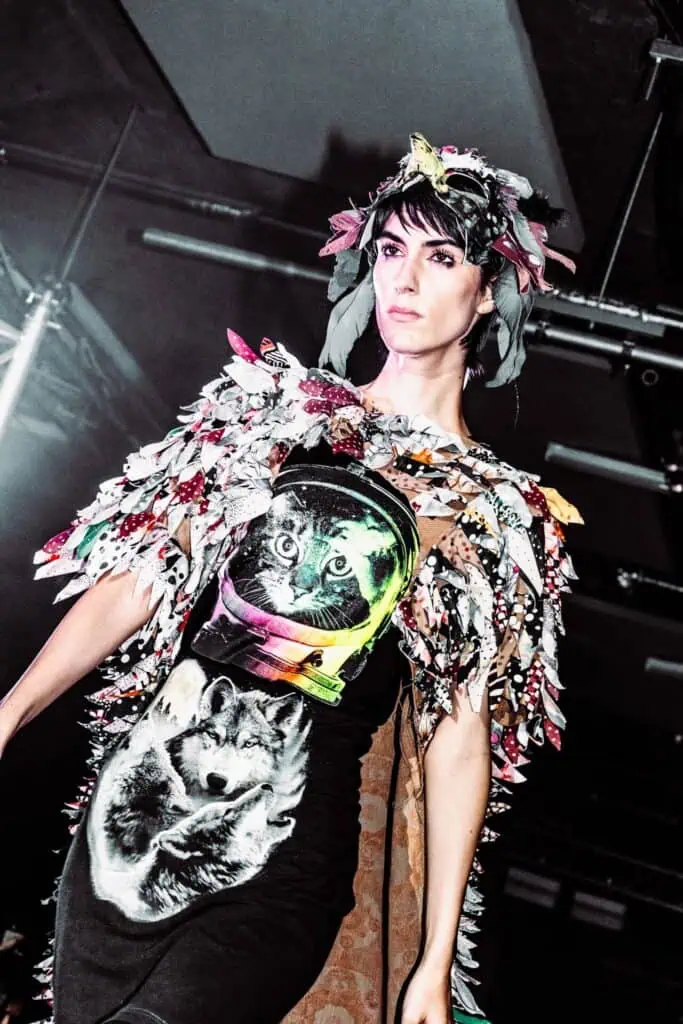
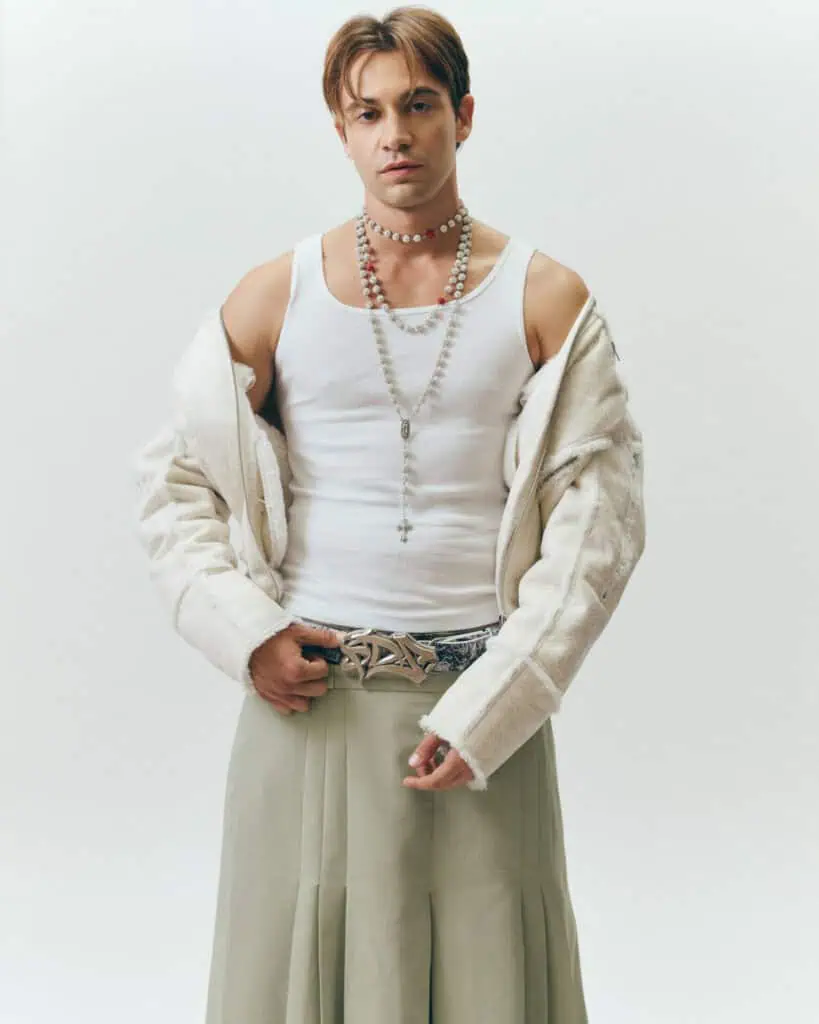
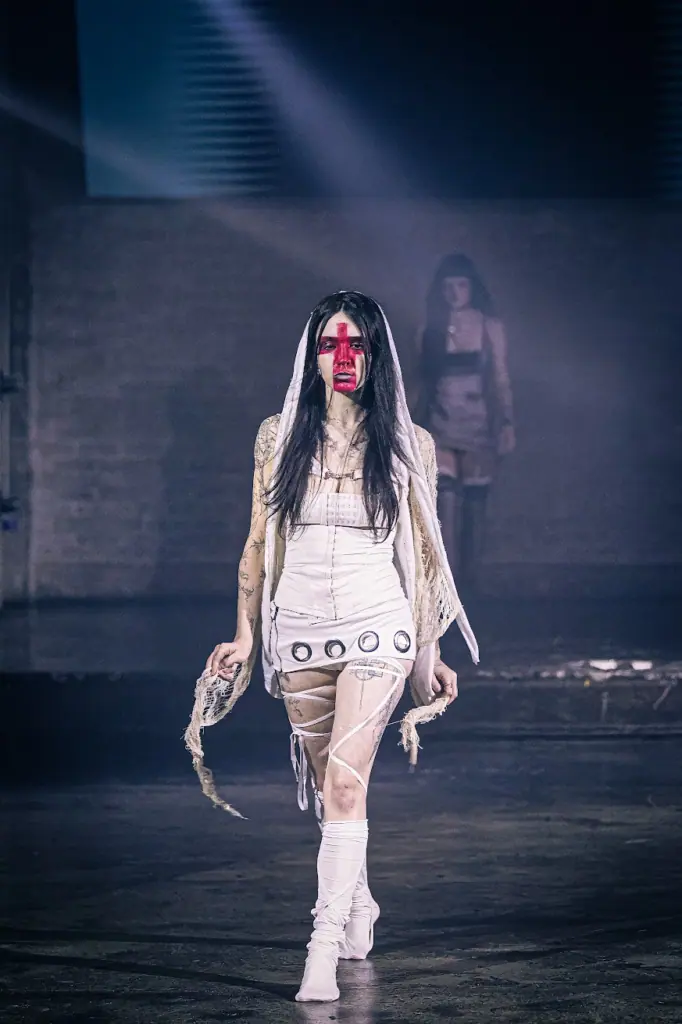
And everything truly is ours and the show captures that perfectly; from the striking visuals of London youth rioting, to the camo bomber jacket wearing ballet dancer with a target painted in blood on her forehead opening the show to “‘Dove’ by Wraith9, to the 55 models each with their own individual walk and pose and to the last model closing the show by getting a tattoo on the runway. Yes I checked, it was real!
But perhaps the most interesting aspect of Obsecura is that, despite being the vision of one individual, its success relies on the collective. With 55 models and 81 people involved in the production, the runway is an exercise in collaboration on a considerable scale. When asked about the importance of independent creatives working together, Sanchez describes the scene as an ecosystem, in which visibility and opportunity are generated through mutual support.
“I really think that collaboration is a way to go, especially when you’re starting,” he explains. “Visibility is so hard to get on your own.” Rather than viewing other emerging creatives as competition, he sees their shared ambition as a means of collective progression. Designers need models; models need photographers; photographers need stylists. Each discipline provides something the others cannot necessarily achieve alone. OBSCURA X-01 gives that overlap a physical platform, allowing independent talent to occupy the same room without necessarily having to pass through the traditional gatekeepers of the industry.
The selection of designers and collaborators, Sanchez explains, was therefore less about credentials than mentality. “I needed people that wanted it as bad as I did,” he explains. For everyone involved, the runway represents an opportunity to demonstrate what they can produce when given the space to do so.
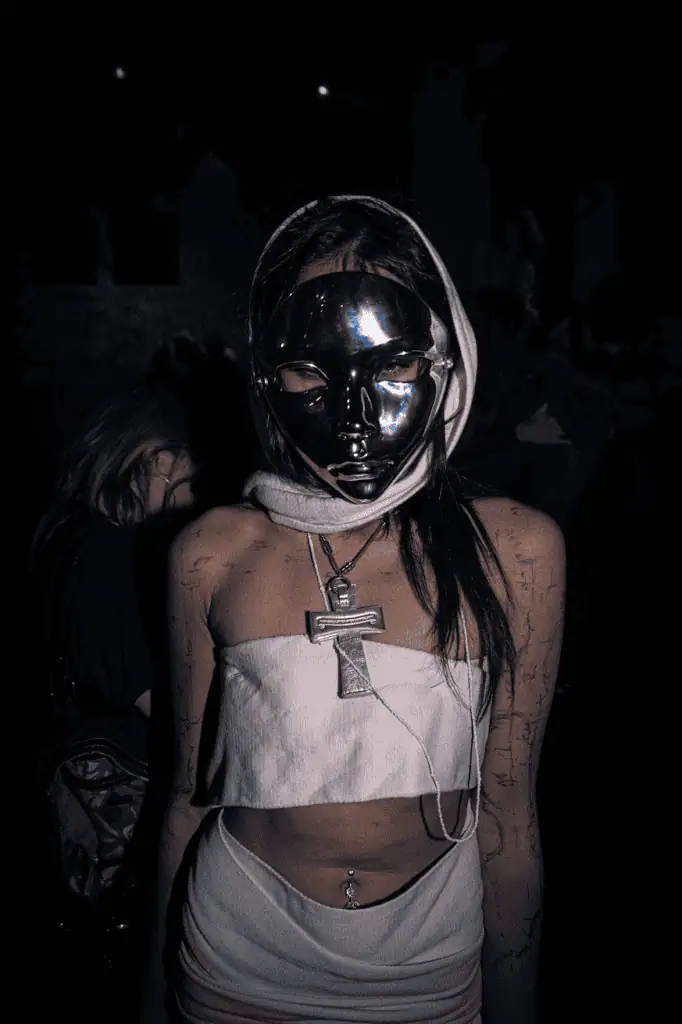
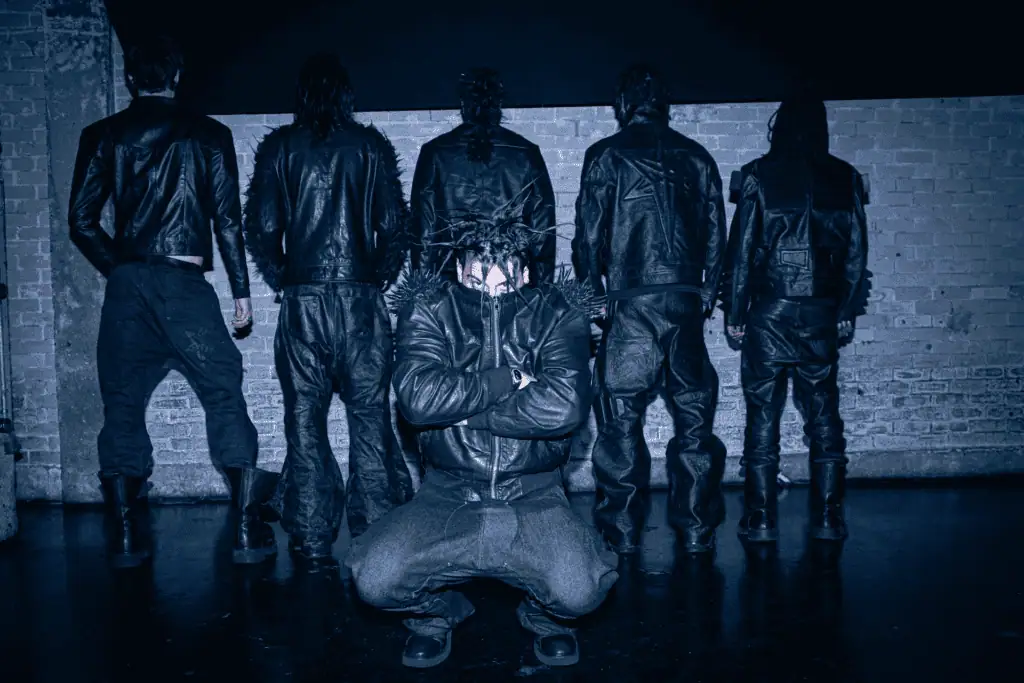
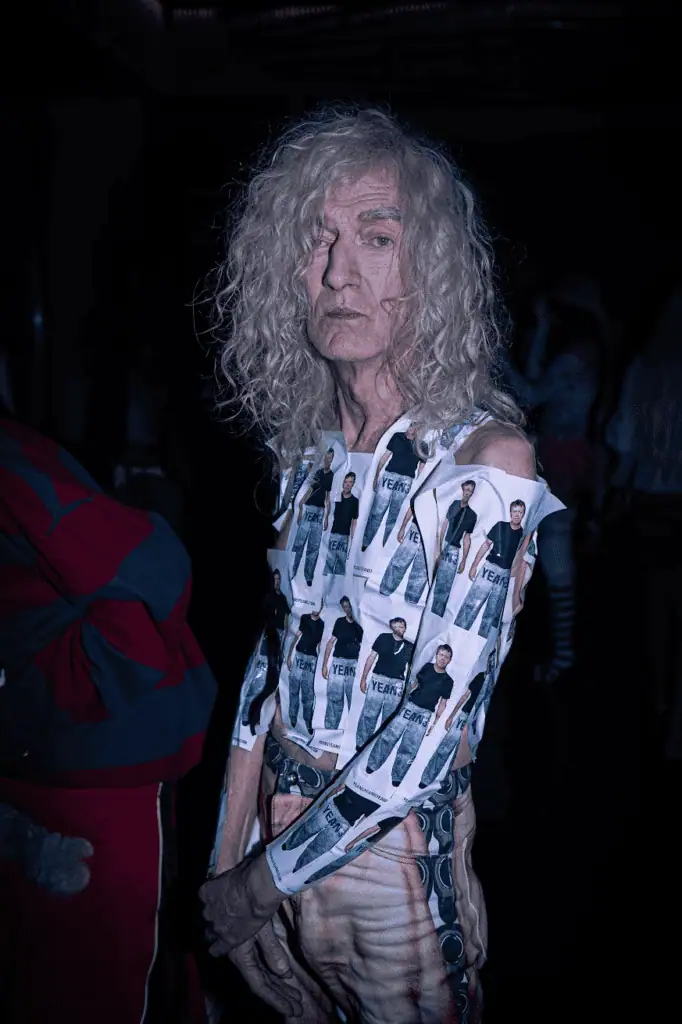

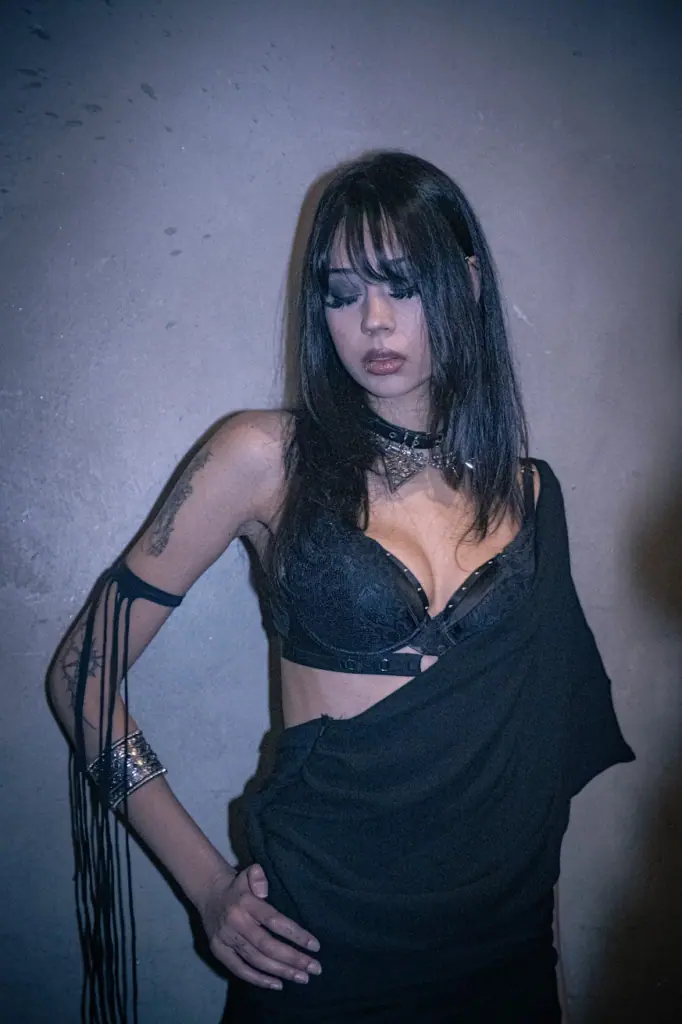
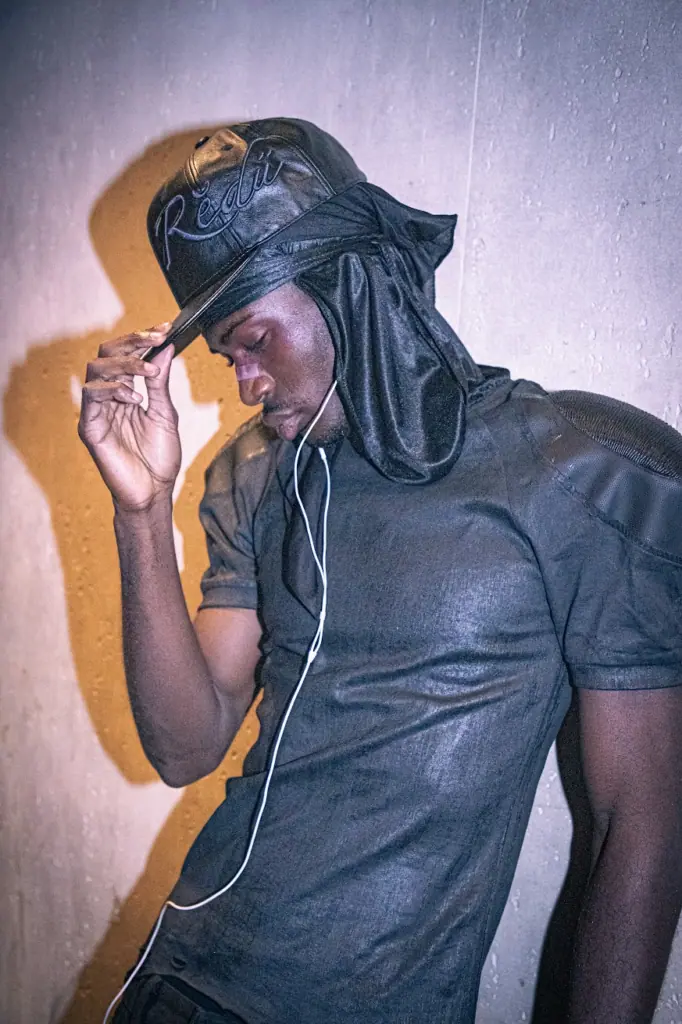
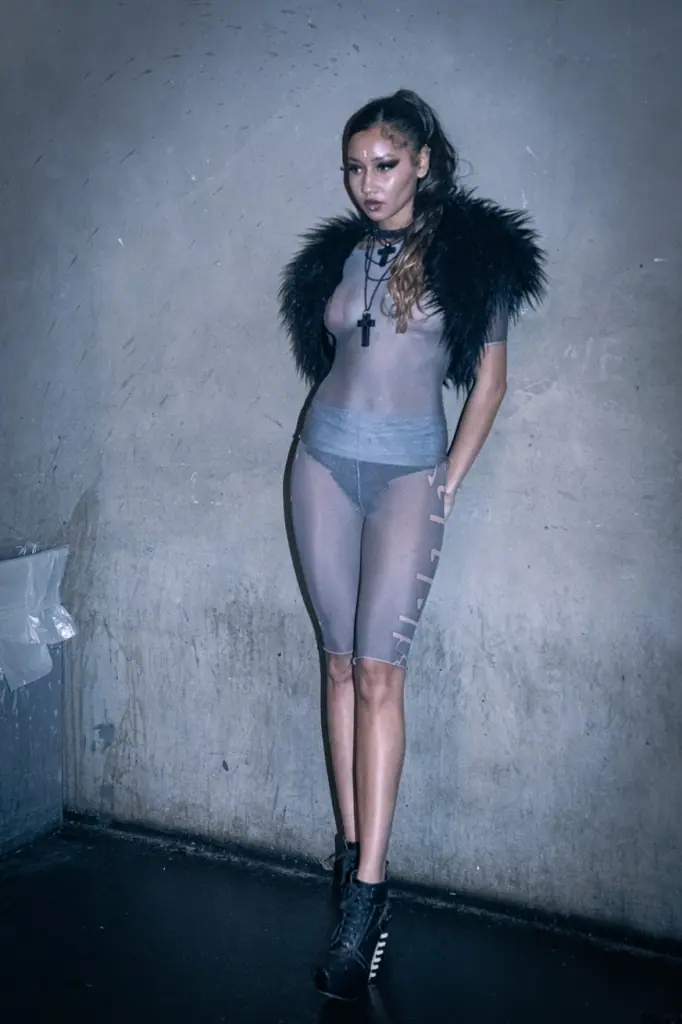
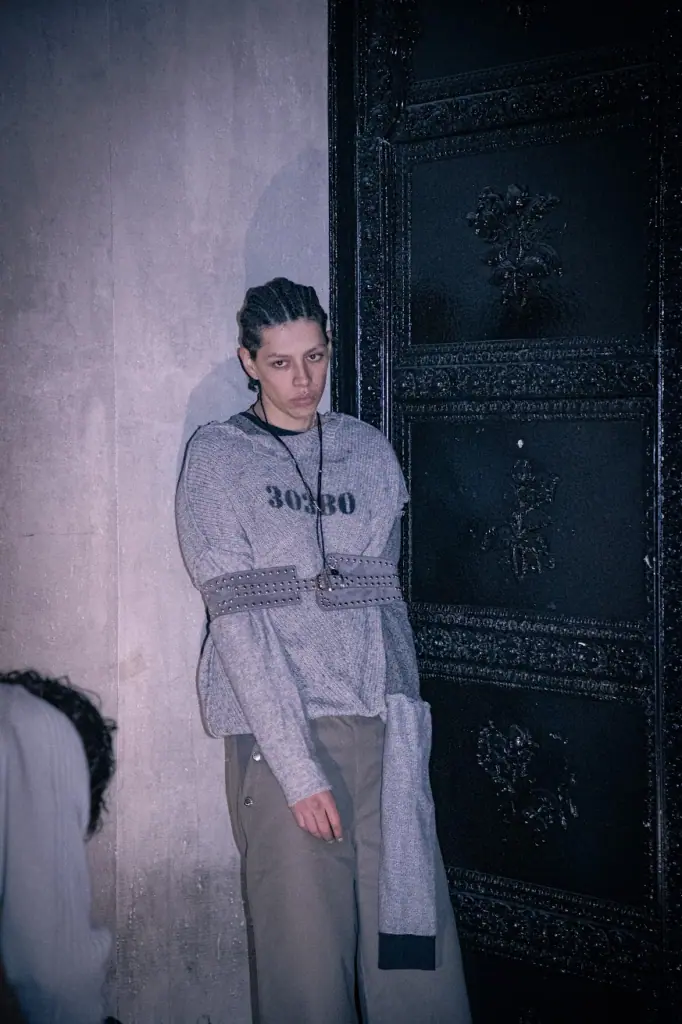
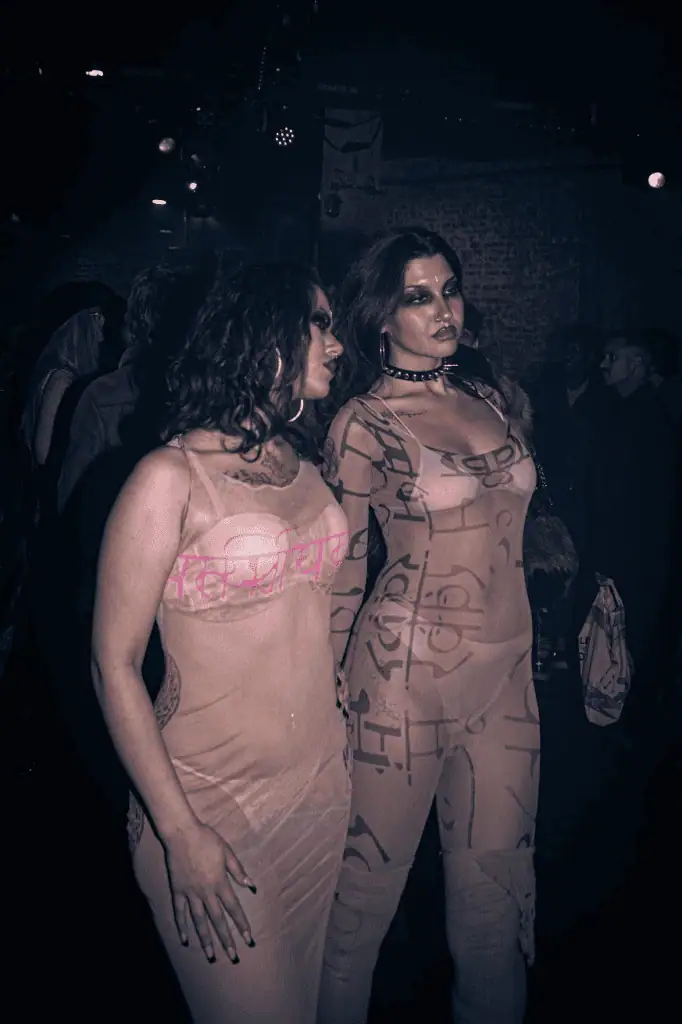
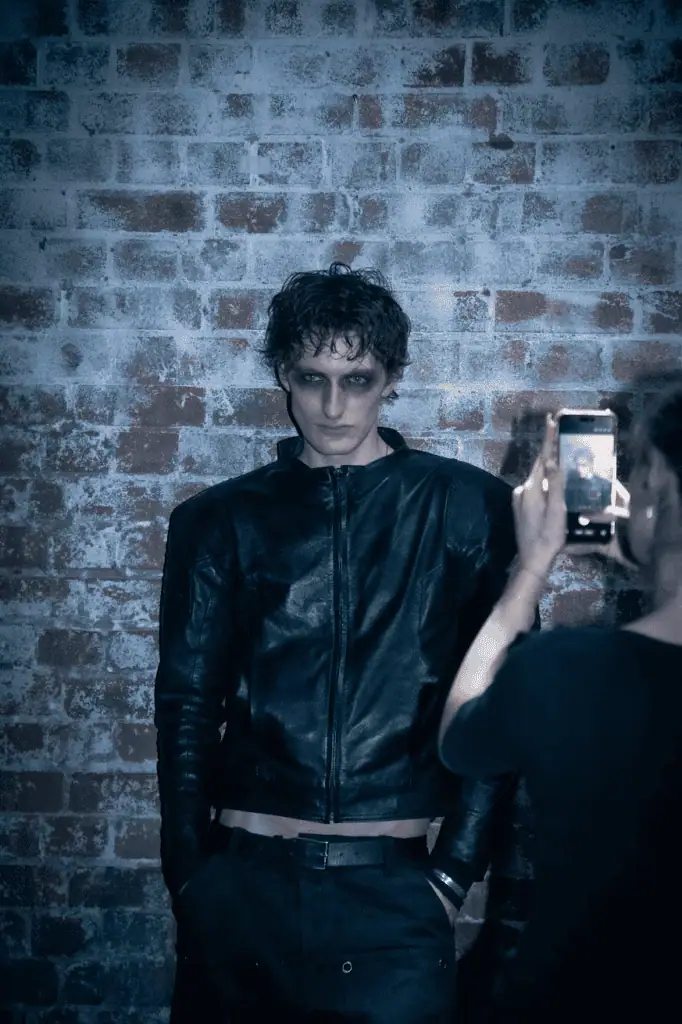
Of course, independence comes at a cost. Sanchez admits to spending five months preparing for the production, describing the pressure of coordinating such a large team as both exhilarating and exhausting. By the time we speak, he’s already looking forward to the moment he can finally relax. Yet even amidst the stress, there’s an unmistakable enthusiasm for what the collective has achieved. The afterparty, he explains, is intended as a moment of gratitude: an opportunity for everyone involved to celebrate having made it through together.
And despite barely having caught his breath, Sanchez is already thinking about the next instalment. A third runway is planned for June next year, with ambitions to make it bigger still. When asked whether he has a particular figure or creative he looks towards for inspiration, his answer is surprisingly introspective.
“One of the most addicting things as a human being can have is progress,” he says. Each production is an opportunity to gain experience, develop his understanding and deliver something better than the last. For Sanchez, the objective isn’t simply to repeat a successful runway, but to continually outdo himself.
Perhaps that’s the most compelling thing about OBSCURA X-01. In an industry that often encourages emerging creatives to wait for recognition, funding or an invitation into the room, Santi Sanchez has chosen to build the room himself. And in doing so, he’s invited an entire community to occupy it.
The Cold Magazine may earn a commission from some links on this page. Learn more