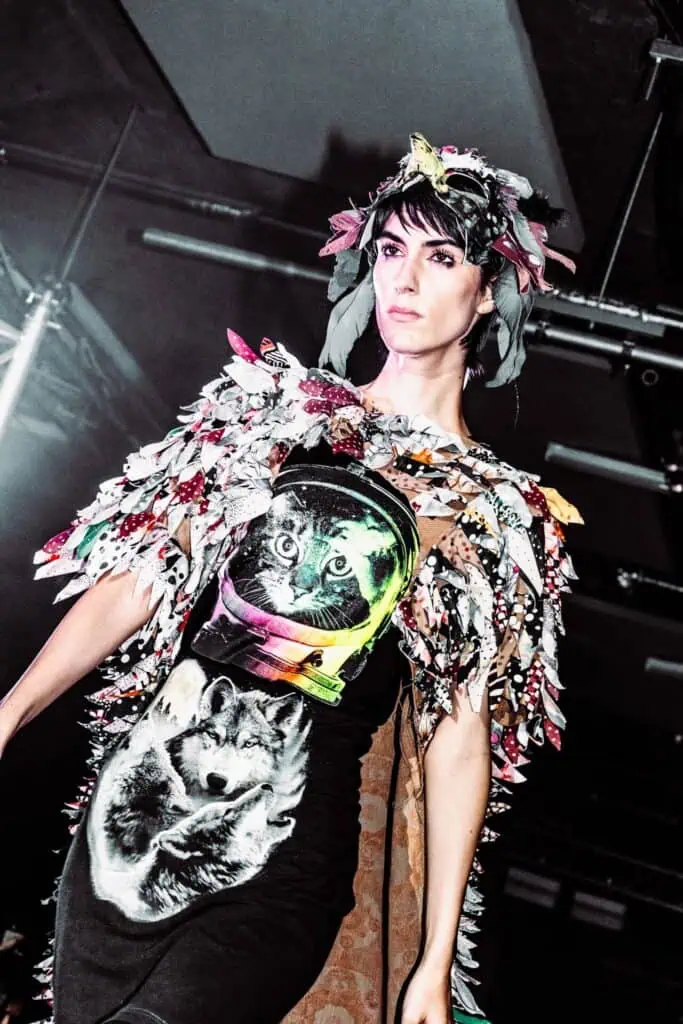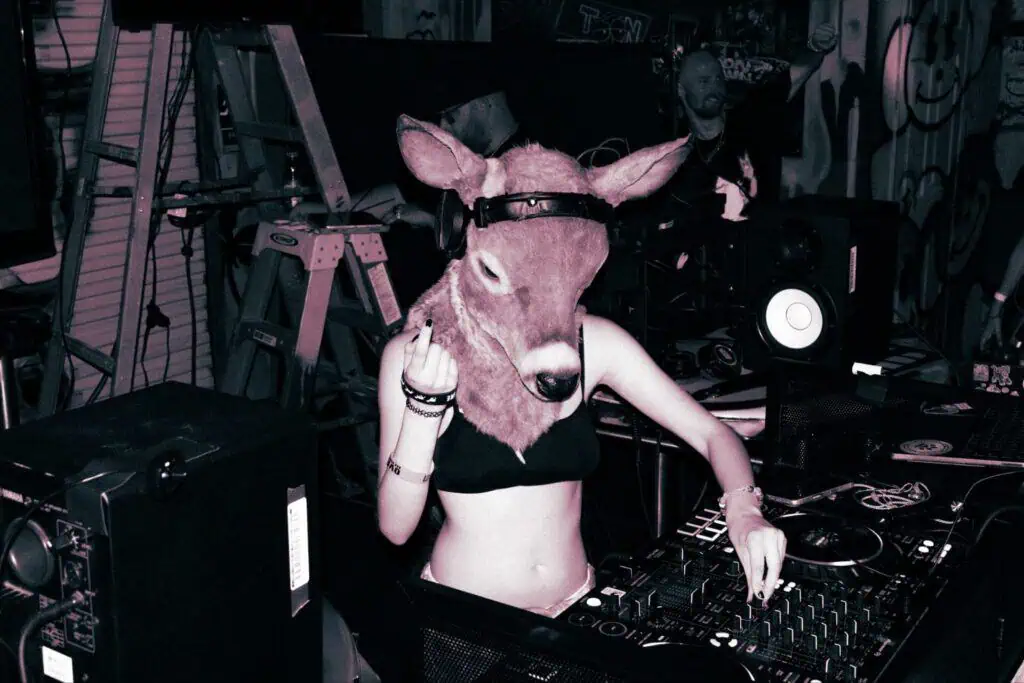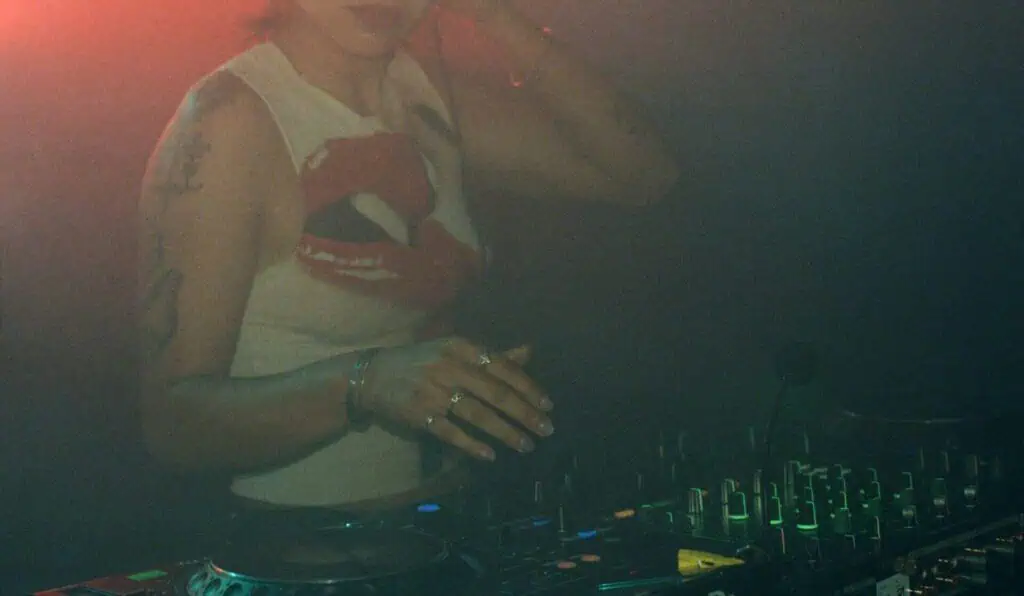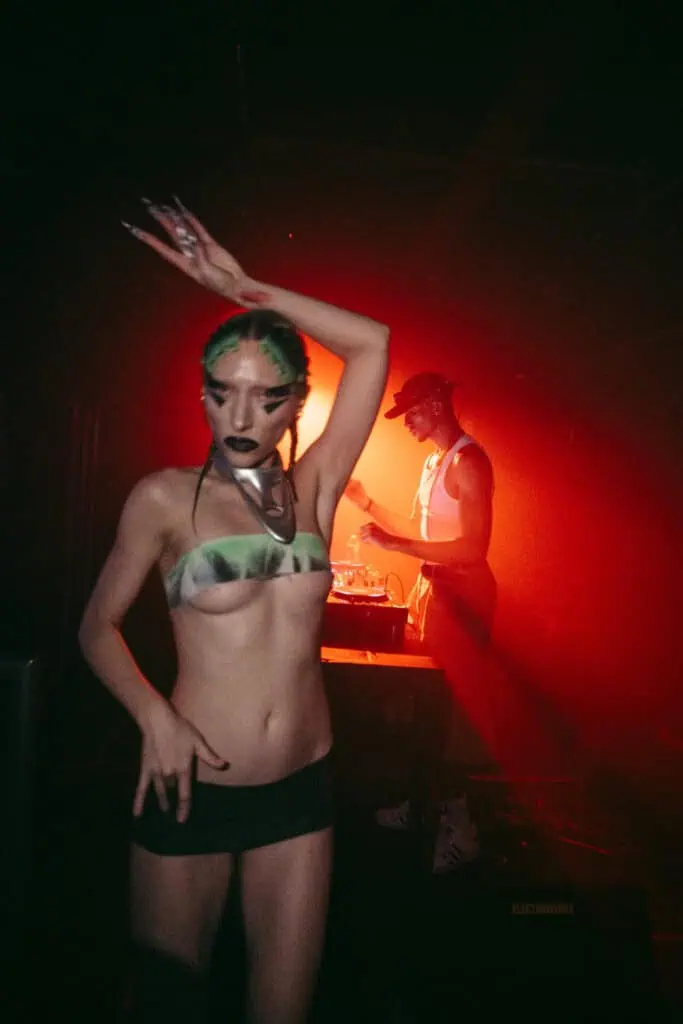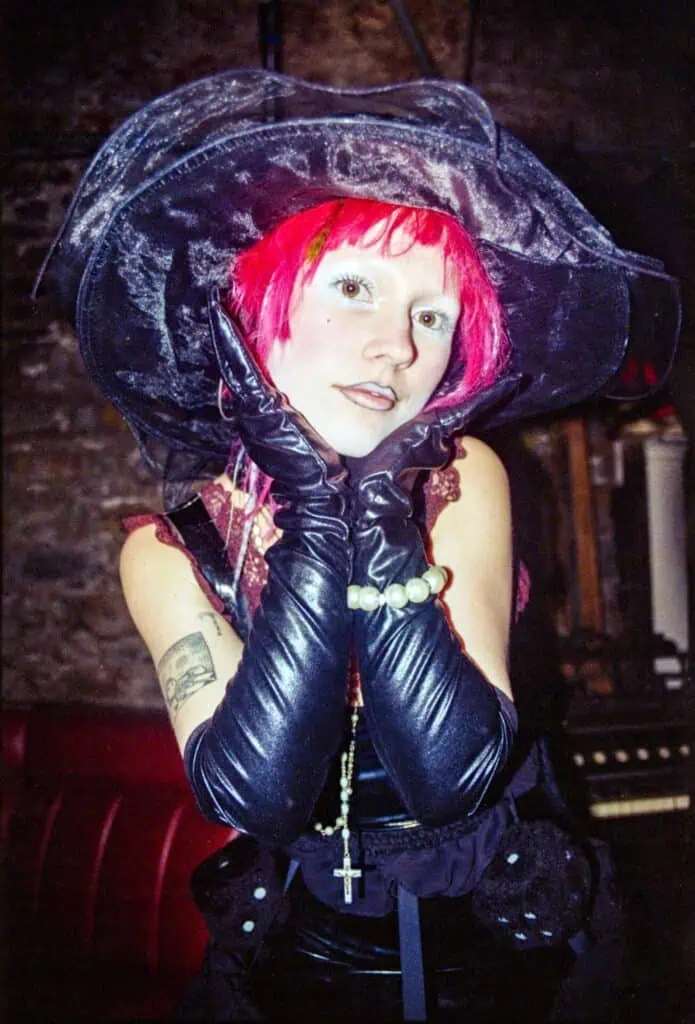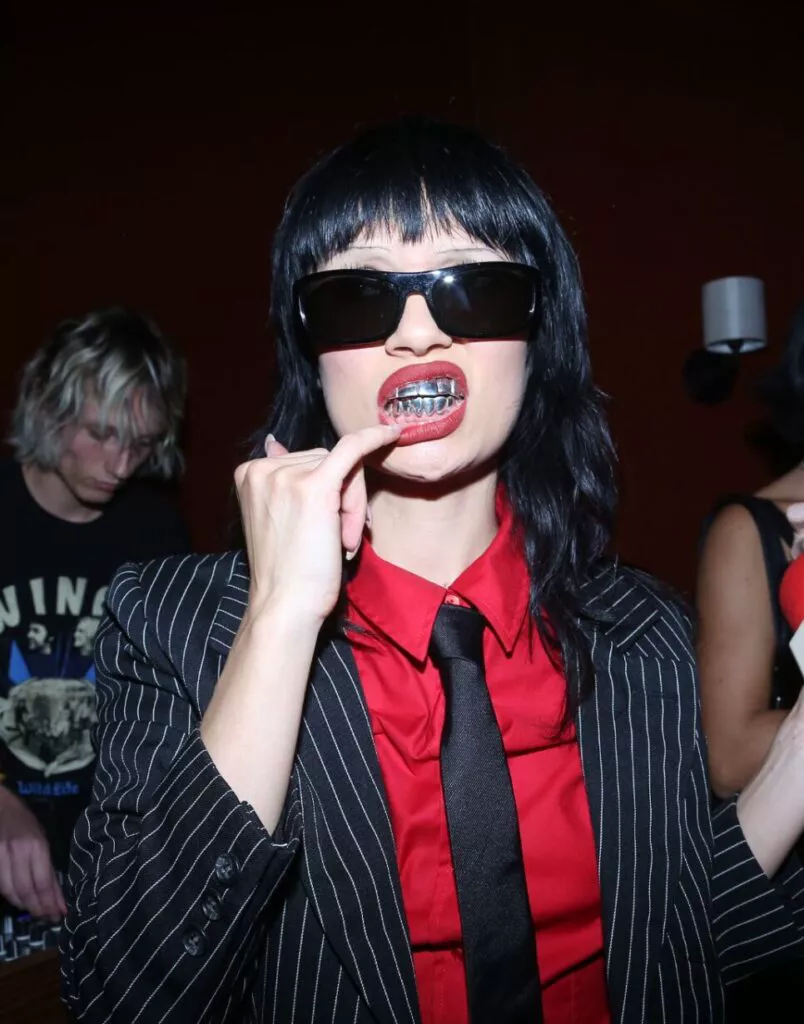
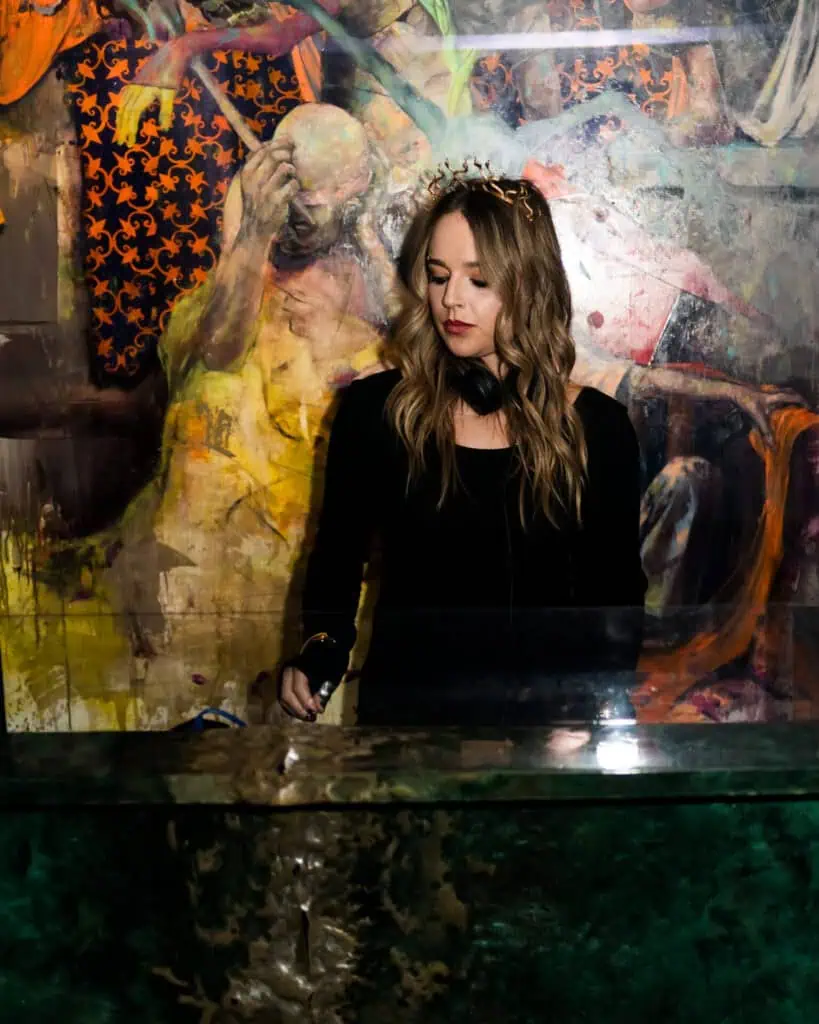
The Mandrake Hotel, a luxury-property based in the heart of Fitzrovia, central London, is somewhat of a labyrinth. The greenery-laden interiors are destined to be lost on passers-by. Walking into the hotel for the first time on Halloween night was an unforgettable experience.
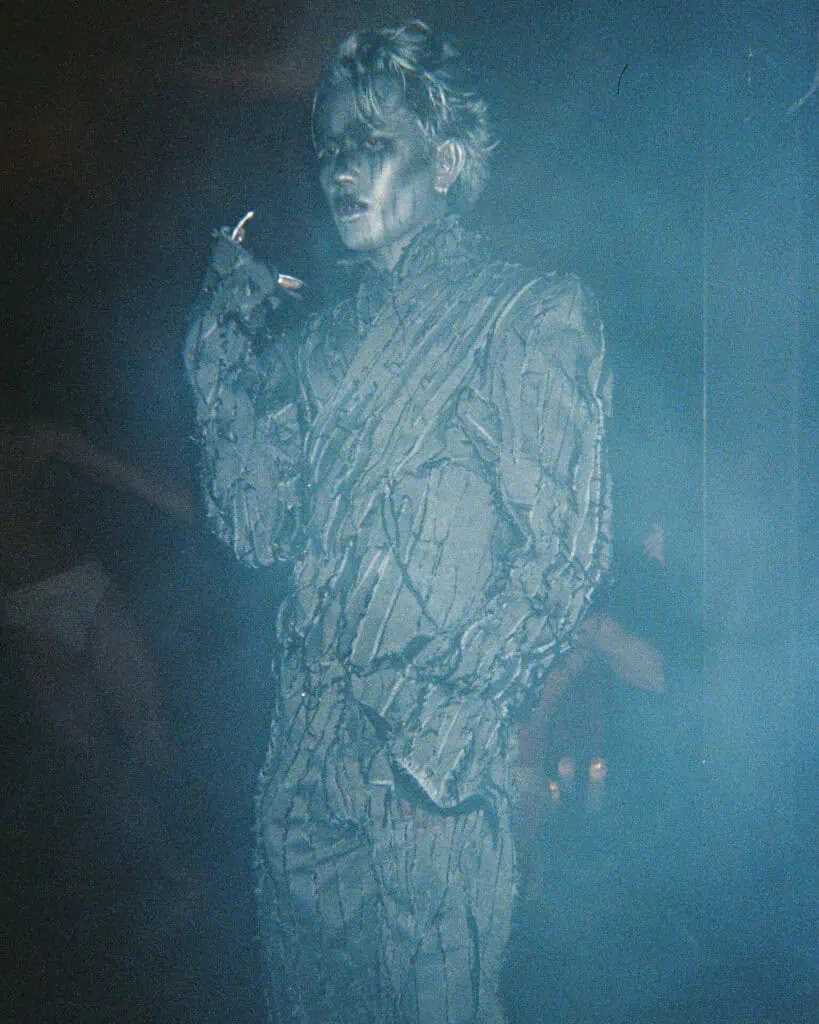
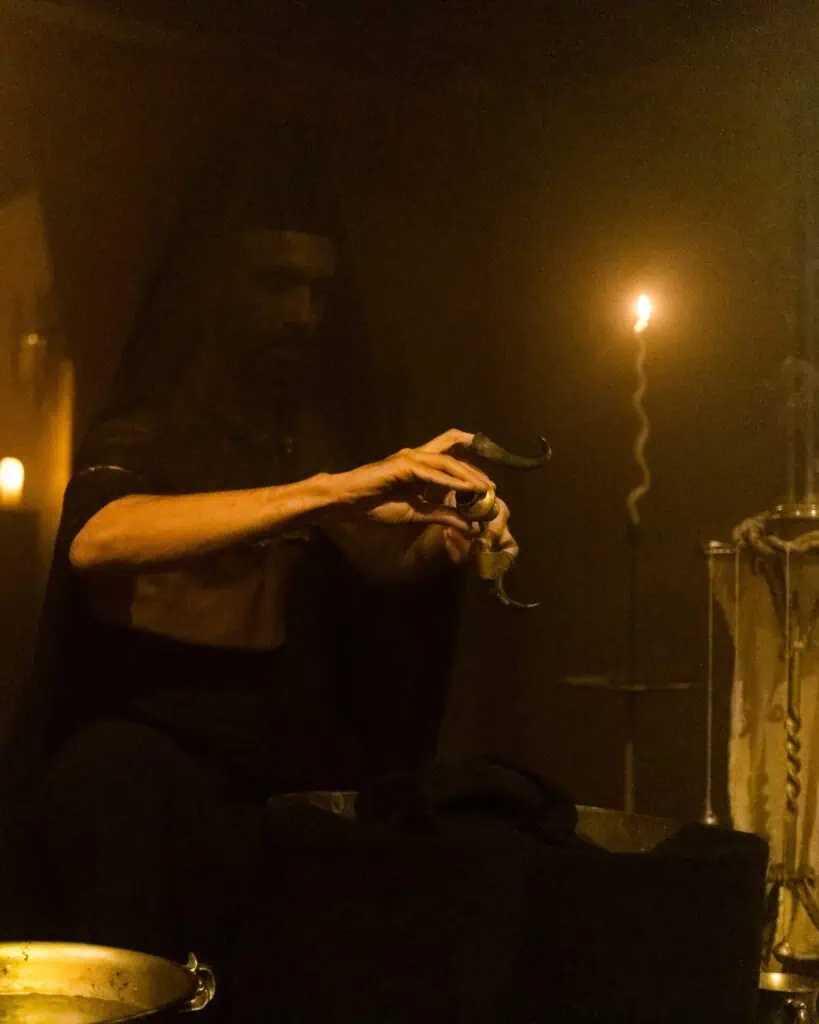
Costumed performers greeted us as an air of curiosity and slightly darkened energy subsumed the space. We arrived right as The Swarm performance began. We watched, chartreuse over ice in hand, as movement artists and actors began taking over the central performance space. In sculptural, theatrical costumes, they moved across the floor as haunting bass and vocals cemented the energy.
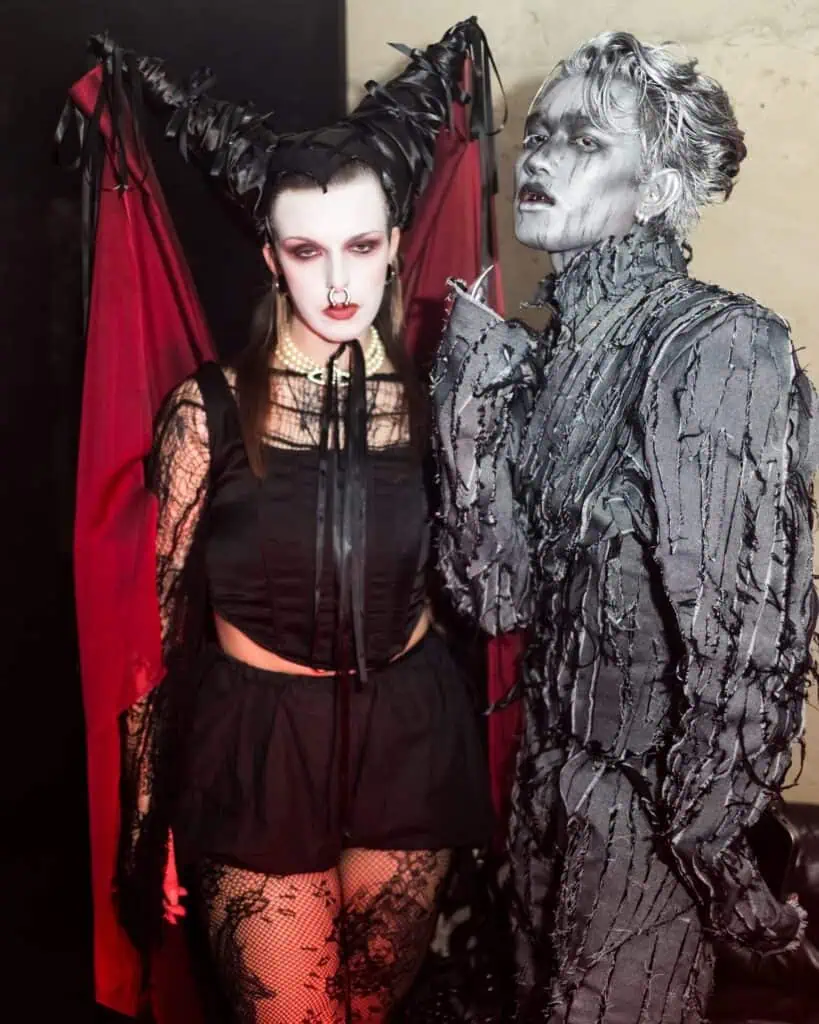
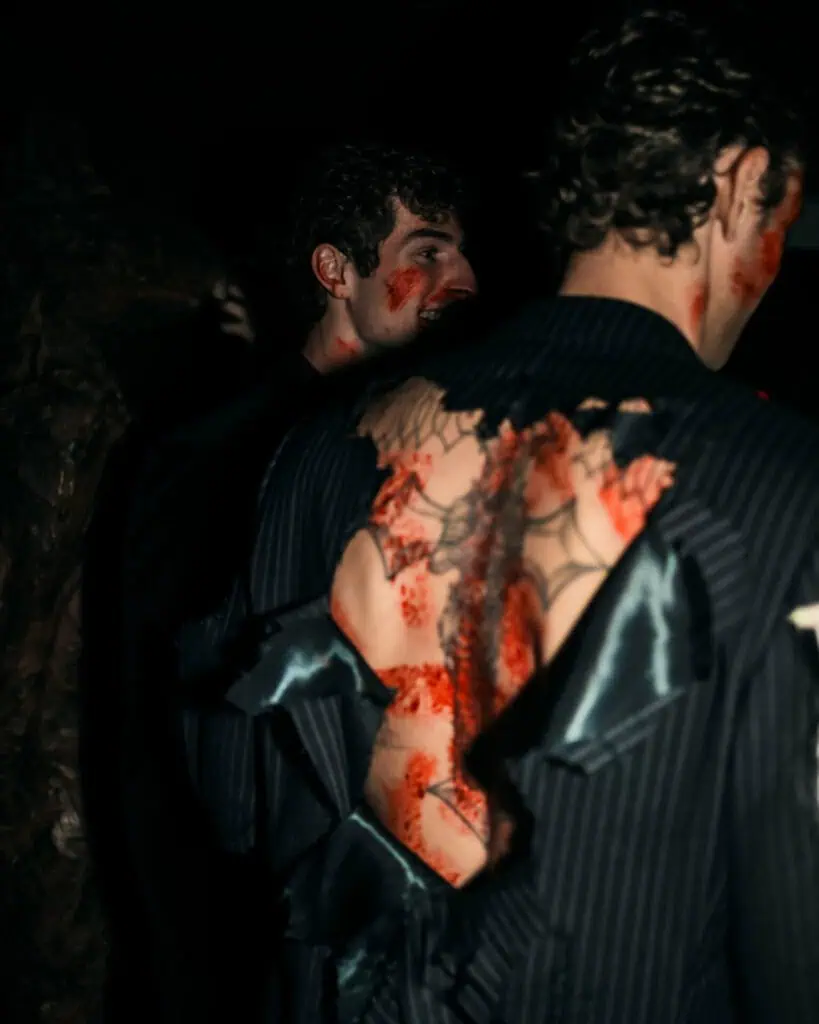
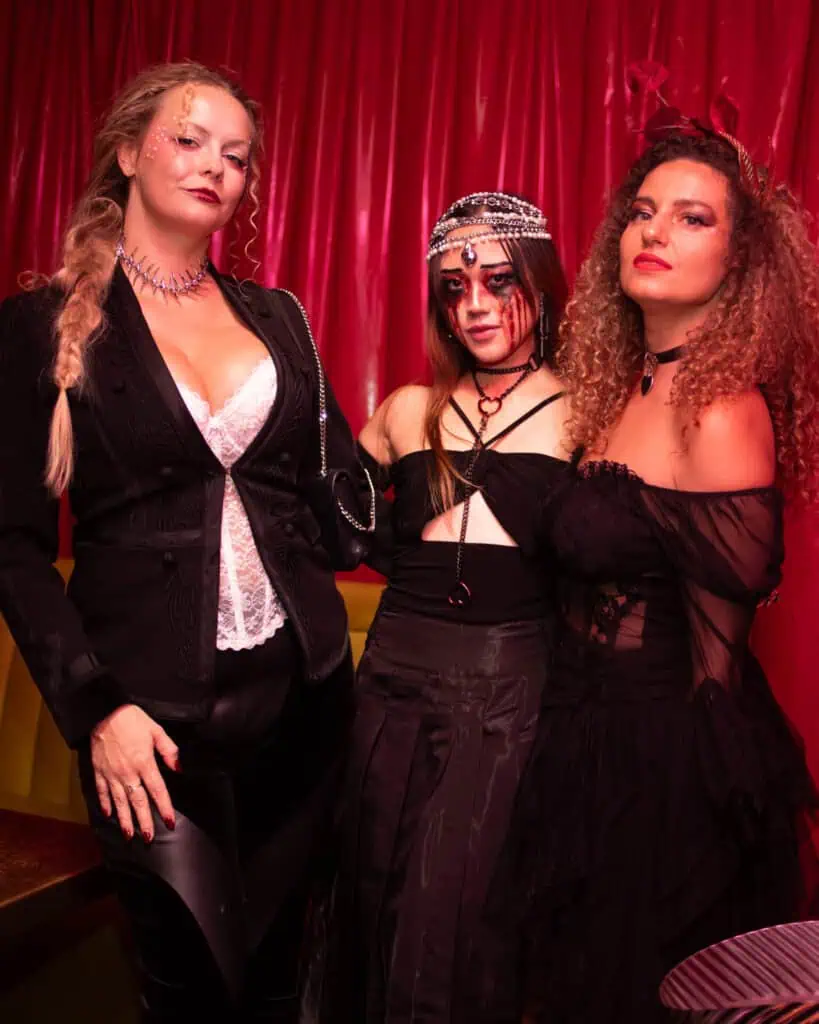
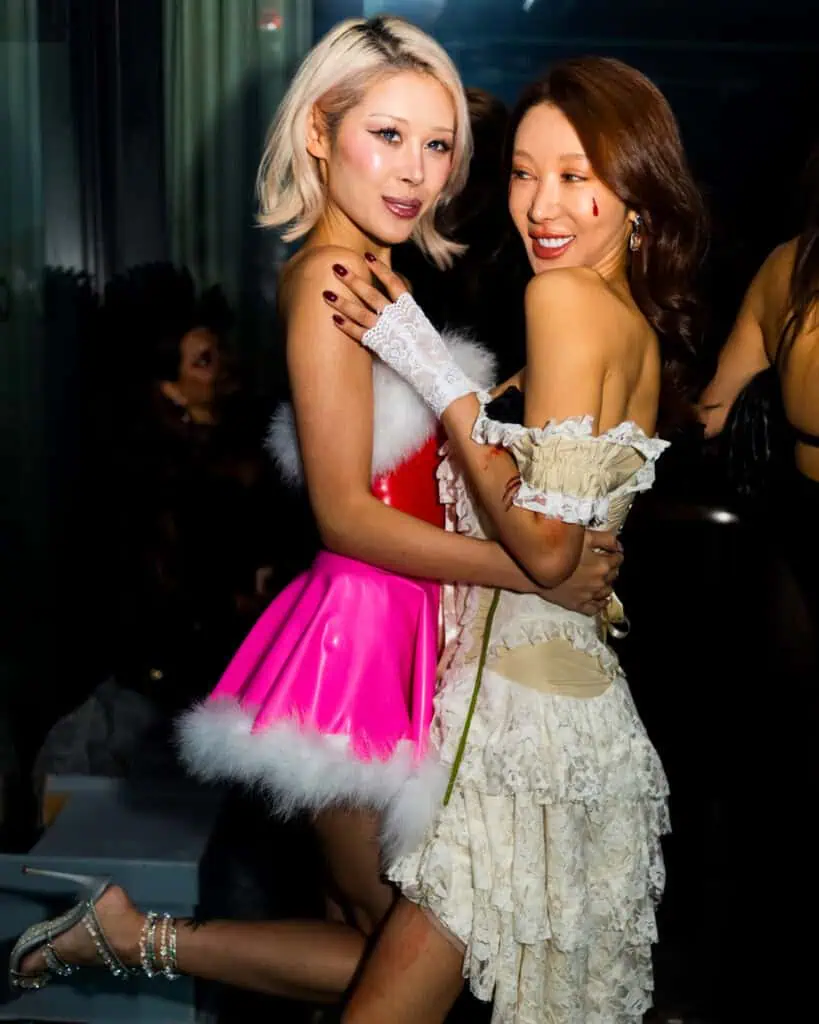
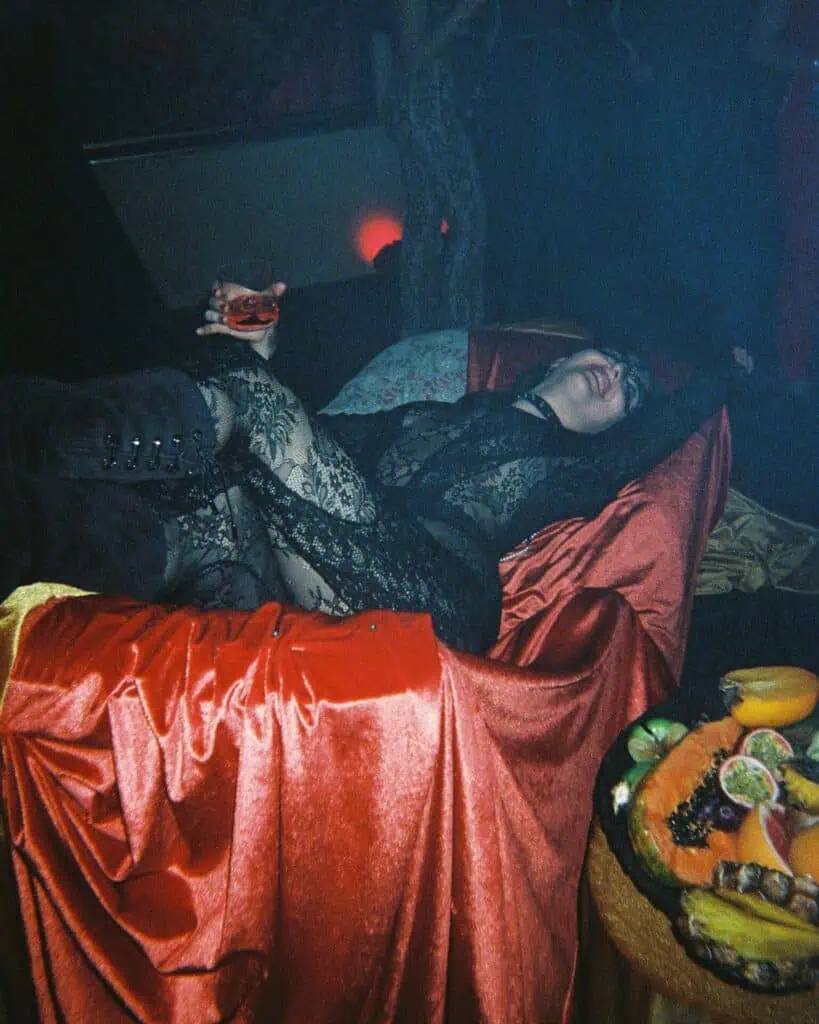
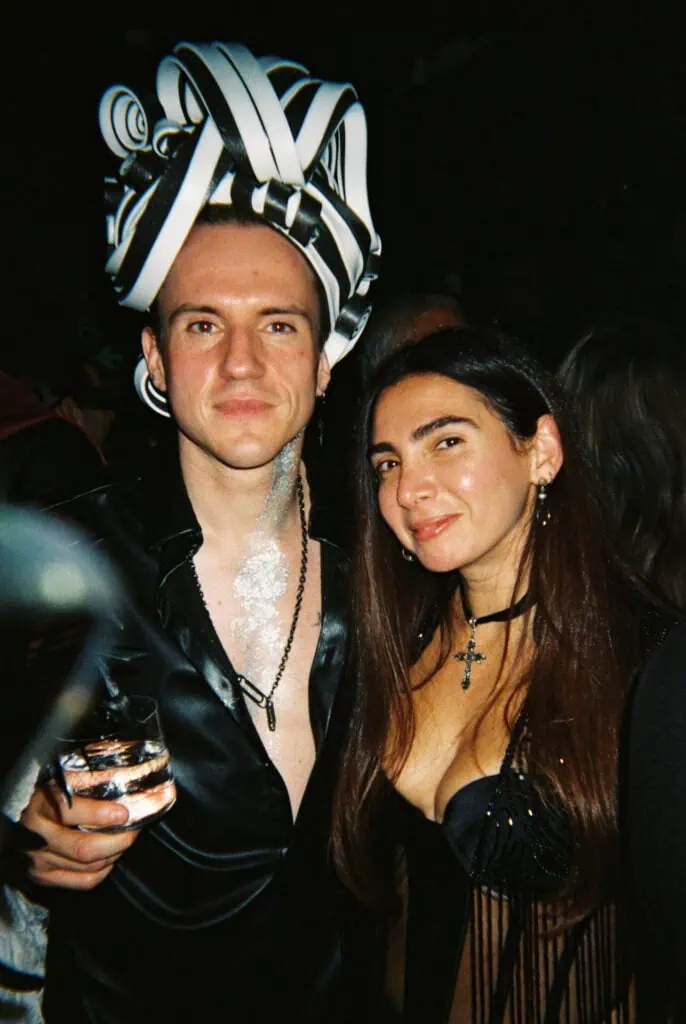
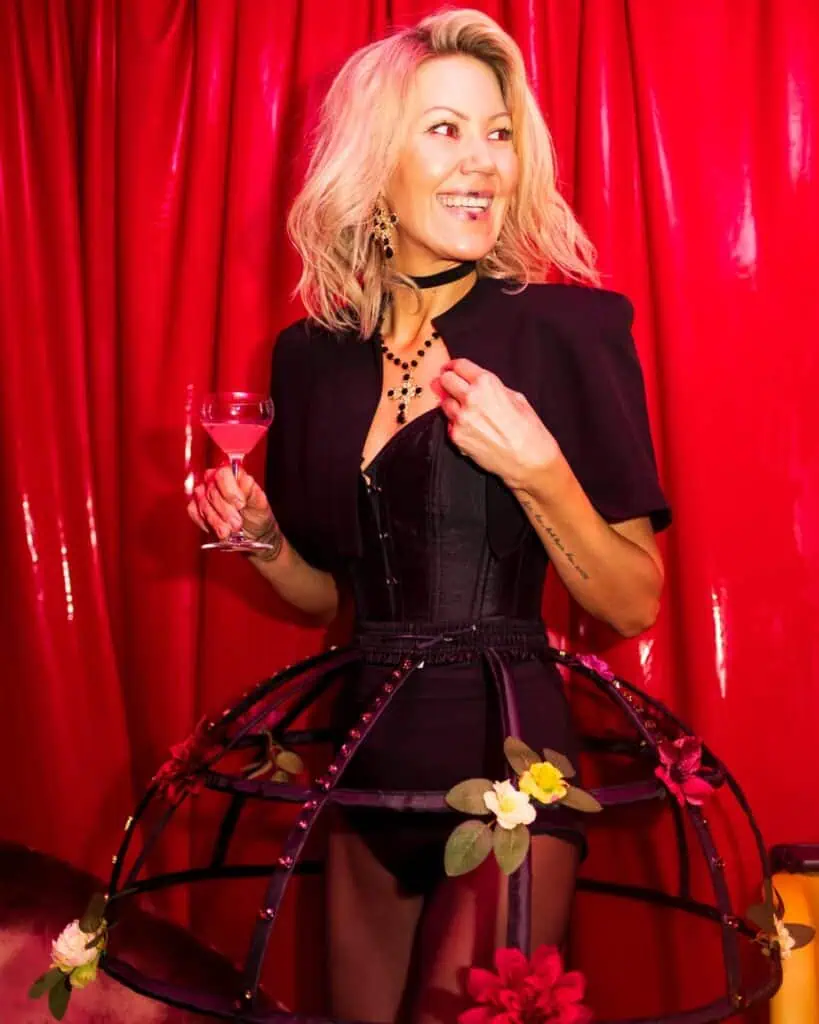
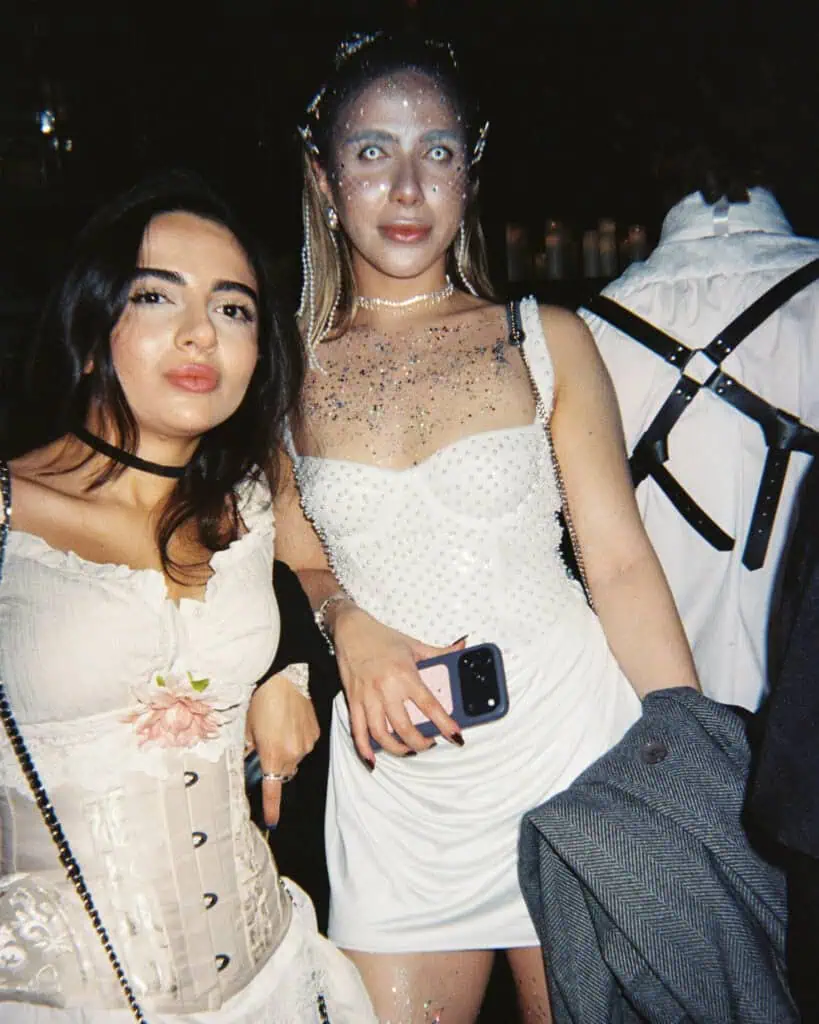
Dressed in their best Halloween garb – ghouls, demons, and devils could be seen in every corner, sauntering throughout the space as if they owned it. Energy was high and everyone had a drink in hand, ready for the next chit chat, galavant over to the bar, or quick nip outside for a cigarette. This was no average Halloween party, the theme being Dante’s Inferno.
Guests were expected to curate their look in accordance with the predetermined dress code. And they certainly delivered. When it comes to the creative direction of The Mandrake, its efforts focus on internal event production and concept development. The team works on any number of interesting and exciting events programming throughout the year. Instead of bringing agencies in to execute their unique and particular vision, the creative team is based in-house. This internal team delivers an exciting docket of events from the minds who live and breathe The Mandrake directly.
In order to get a fuller vision of what the creative process looks for the Mandrake team, COLD chatted with Creative Director, Mag Marcenac, and Head of Production, Andressa Claas.
The Cold Magazine (CM): Can you speak to The Mandrake’s ethos a bit. For someone who’s never been, what can they expect?
Andressa Claas (AC): They can expect the unexpected! The space itself forces you (in a good way) to be present in your own senses from the moment you step in. You walk into a corridor of darkness leaving the world behind to find a luxurious interior filled with art and hanging gardens, a world within a world. The Mandrake is a sanctuary, it’s a nocturnal playground (the grown up type), it is light and it is darkness.
Mag Marcenac (MM): I think what makes The Mandrake interesting is that it has never really fitted into a conventional definition of hospitality. Of course, it’s a hotel, but over the years it has developed into something much more fluid, sitting somewhere between a cultural space, an artistic playground, and a meeting point for people from different creative disciplines. We like to challenge conventions, encourage curiosity, and create an environment where people can encounter something they weren’t necessarily looking for.
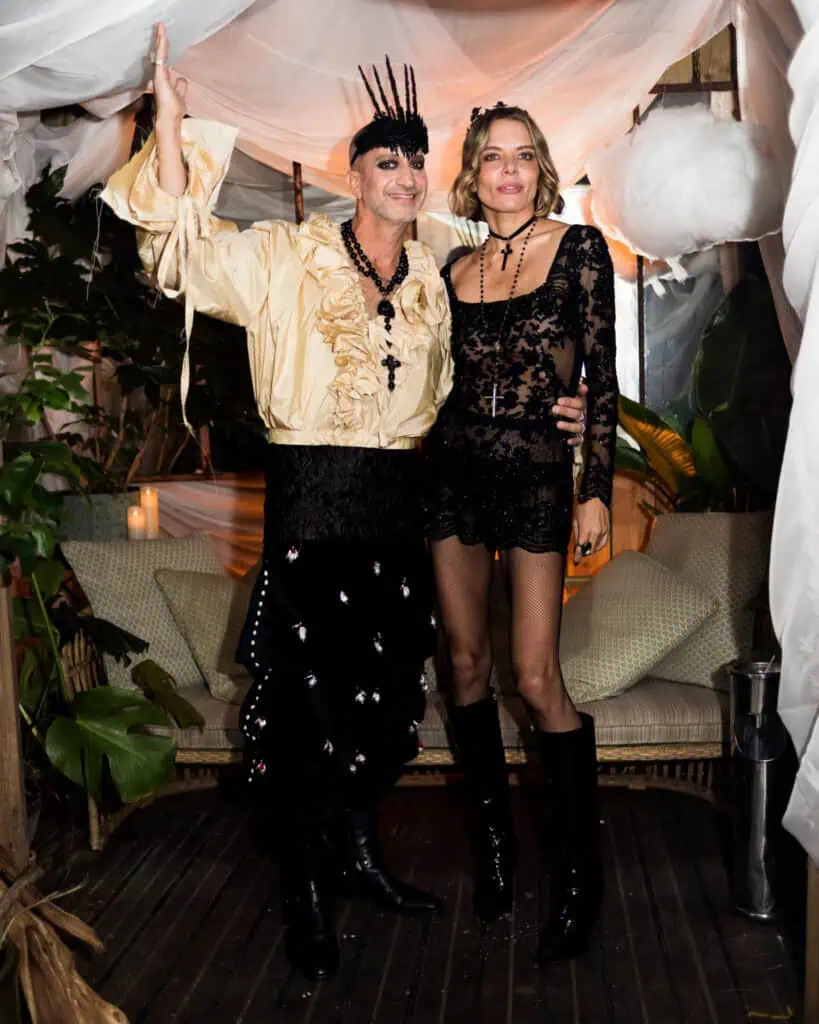
Rami Fustok & Silje are wearing Mmesomachi Ohanwe and Annies ibiza (@om4licha and @anniesibiza)
CM: What is The Mandrake’s hope for the development of future programming and events?
MM: Over the past few years, we’ve built relationships with a diverse community of artists, performers, and cultural organisations through our Artist-in-Residence programme and collaborations. Our ambition is to create more opportunities for artistic experimentation and exchange, further establishing The Mandrake within London’s cultural landscape. I would love for The Mandrake to be recognised not only as a place where people experience culture, but also as a place where culture is created.
CM: When you were coming up for the concept of the Mandrake Halloween party, how did you envision the evening?
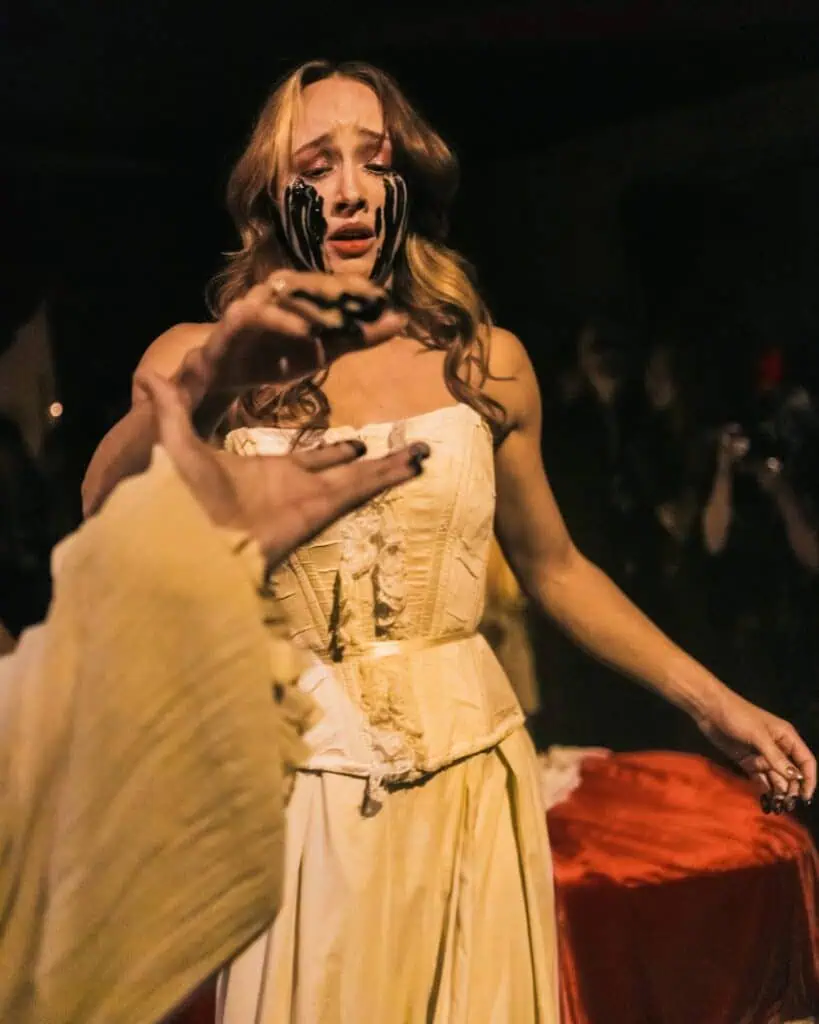
MM: This year, we drew inspiration from Dante’s Inferno. From Gustave Doré’s engravings to the nightmarish visions of Hieronymus Bosch, I was fascinated by the ways artists have imagined and depicted hell throughout history. We wanted to bring some of these visions to life through a series of tableaux vivants, recreating iconic moments from Dante’s poem, transforming different corners of the hotel into living compositions.
AC: Mag and I work very closely together, especially in the early stages, when she brings the theme to the table. Once the theme has been established, I work on translating her vision into something tangible. The poem itself explores a journey through different spaces and stages, with such a richness of settings. It’s not your usual vision of a burning hell; there is mud, ice, rain… It offers so many different possibilities and is perfect for an immersive event.
CM: When outsourcing performers for an evening like this, what is your process for building out the line-up?
MM: We approach casting and programming quite instinctively. What’s essential is finding artists whose practice is genuinely connected to the themes we’re developing. We’re not simply looking for entertainment, but for a real artistic intention. We’re particularly drawn to multidisciplinary artists who challenge conventional definitions of performance.
AC: We both have very good books! Haha. We’re constantly on the lookout for interesting people. The Mandrake itself always attracts a very varied crowd and, as Mag mentioned, we’ve met some incredible people through previous collaborations, as well as guests who have attended our events or exhibitions.
CM: How do you hope guests will react to the varied performances and immersive atmosphere?
AC: We always hope and believe people will enjoy it and understand what is the thread behind it. I do like a good combination of surprise and wonder. Immersive events are beautiful for good story telling and I always just hope our guests enjoy the journey.
CM: What was the most exciting or successful moment of the evening? Something that our readership would love to hear about?
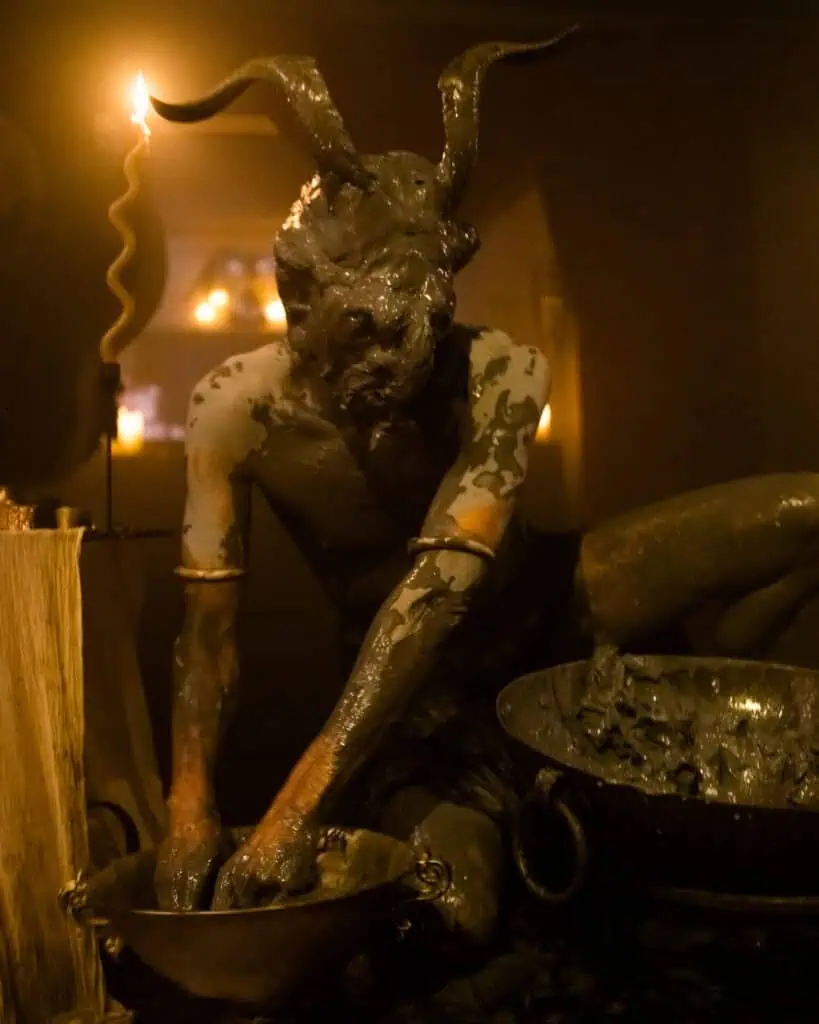
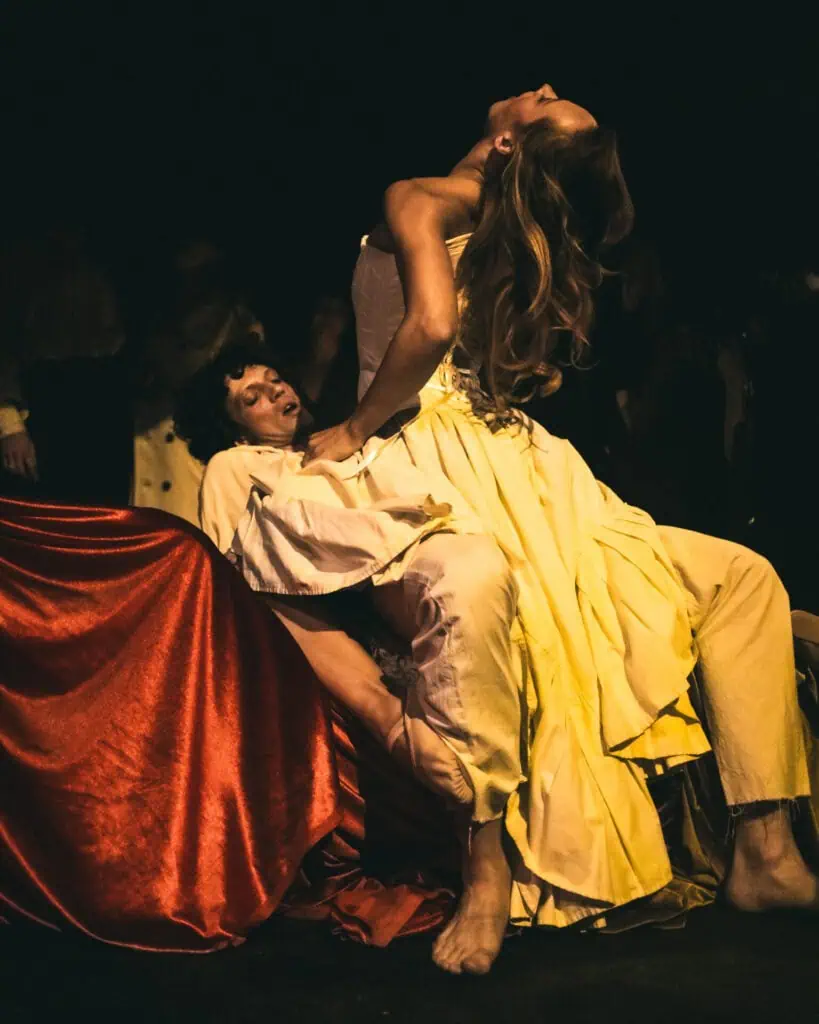
AC & MM: One of the most powerful moments was The Swarm of Damned Souls, a durational performance depicting a pit of human suffering. Bodies rolled, twisted, and climbed desperately over one another in endless torment, while a small demon relentlessly tortured them. The performance unfolded in our central courtyard, a monumental glass enclosure at the heart of the hotel.
Submerged in thick haze, the performers appeared and disappeared beneath violent flashes of strobe lighting, creating an almost apocalyptic vision of Dante’s hell. Inspired by the iconic finale of Alexander McQueen’s VOSS runway show, I wanted to create something deeply disturbing yet mesmerising. What made it so powerful was its inescapable presence. Wherever guests stood, they were confronted with this vision of damnation, a living nightmare both horrifying and strangely hypnotic.
CM: The Mandrake is committed to building out its events internally, can you tell us more about this process and how you’ve curated the team?
MM: Building our events internally allows us to maintain full creative control. We know The Mandrake inside out, its possibilities, its limitations, and, most importantly, its audience. This understanding allows us to create experiences that feel truly connected to the identity of the hotel, rather than imposing an external concept onto the space.
CM: What is the primary benefit (for both the team and guests) of building out an event from the inside?
AC: First and foremost, our vision is very particular and not always easy to translate. We both have a very intricate way of seeing and developing things. The Mandrake itself is a place built around attention to detail, and we approach our events in exactly the same way. We end up creating much of the set design ourselves, developing costume details, and getting involved in every aspect of the production. Everything guests see on the night has our hands on it.
CM: What’s next up and how can prospective guests get involved?
MM: 2027 is shaping up to be a particularly exciting year for us. We’re about to unveil our new Artist-in-Residence season, with some ambitious collaborations in development alongside leading cultural institutions and experimental artists. I’m particularly excited about our growing involvement in contemporary theatre, dance, and performance art, with projects that will challenge the traditional boundaries between artistic disciplines and bring new forms of live performance into the hotel. COOC, the private members’ club of the hotel, will also continue to evolve as a platform for more intimate, experimental encounters, bringing together music, performance, and nightlife.
CM: Anything else you’d like our readership to know?
AC: For us, it’s never just about putting on an event together; it’s about creating an experience, telling a story, and allowing people to see and feel the world we created for them. We want every evening to have its own identity, to leave people with something to remember, and, hopefully, to make them curious about what we might create next.
See you all at The Mandrake very soon!
The Cold Magazine may earn a commission from some links on this page. Learn more