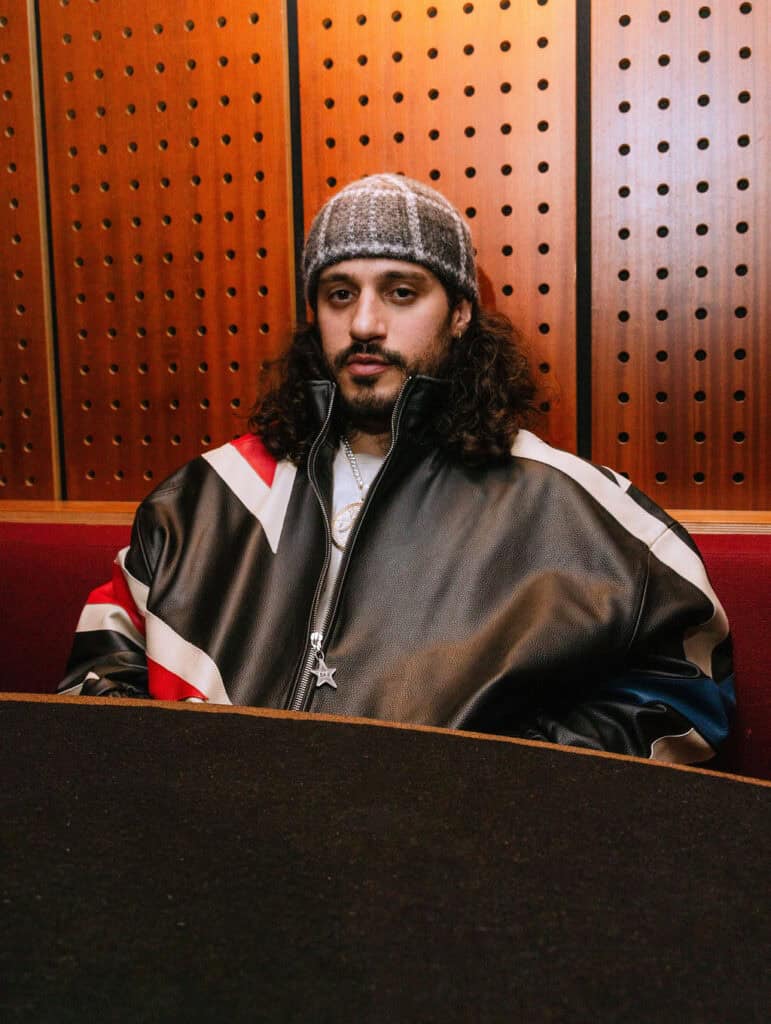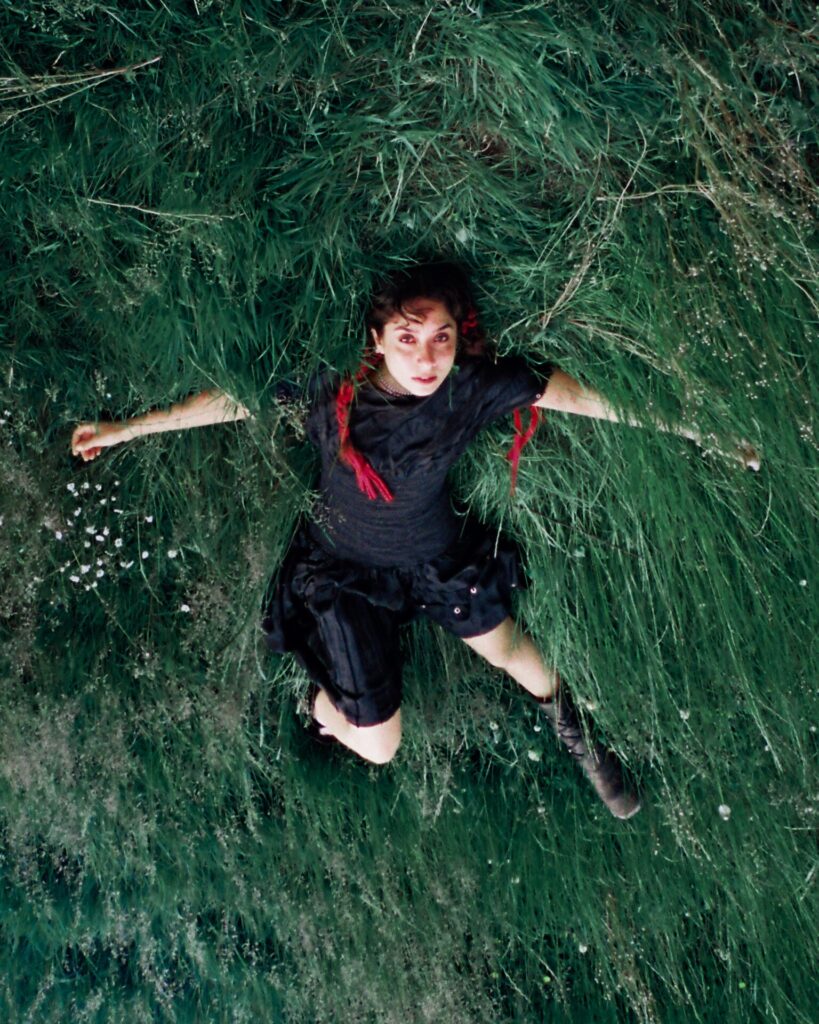
“This is who I am,” Jasmine Jethwa doesn’t hedge, not even over Zoom. Her debut album, Girl Who Cried Wolf, is a labour of love, and she’s not shy about saying so. “I’ve poured so much into it”, she says. The record carries the intimacy of a diary, laying bare love, heartbreak, self-discovery and the transition into womanhood.
“It’s more open, more exposed and more vulnerable,” she reflects. Less a collection of songs than a document of a particular chapter in her life, the album feels like an invitation into her inner world. Understanding how she arrived at that point means tracing the creative path that began long before music took centre stage.
There’s an unmistakable warmth to Jasmine, perhaps shaped by the environment that raised her. Growing up in South London, she was raised between two faiths: a Hindu father, a Buddhist mother, and a household that made room for both. It was an environment that encouraged her to pursue whatever dreams she wanted. Before there was music, her first love was dance. For Jasmine, it offered something deeper than movement, a space where “that inner voice inside was getting a moment to really share and be seen and express.”
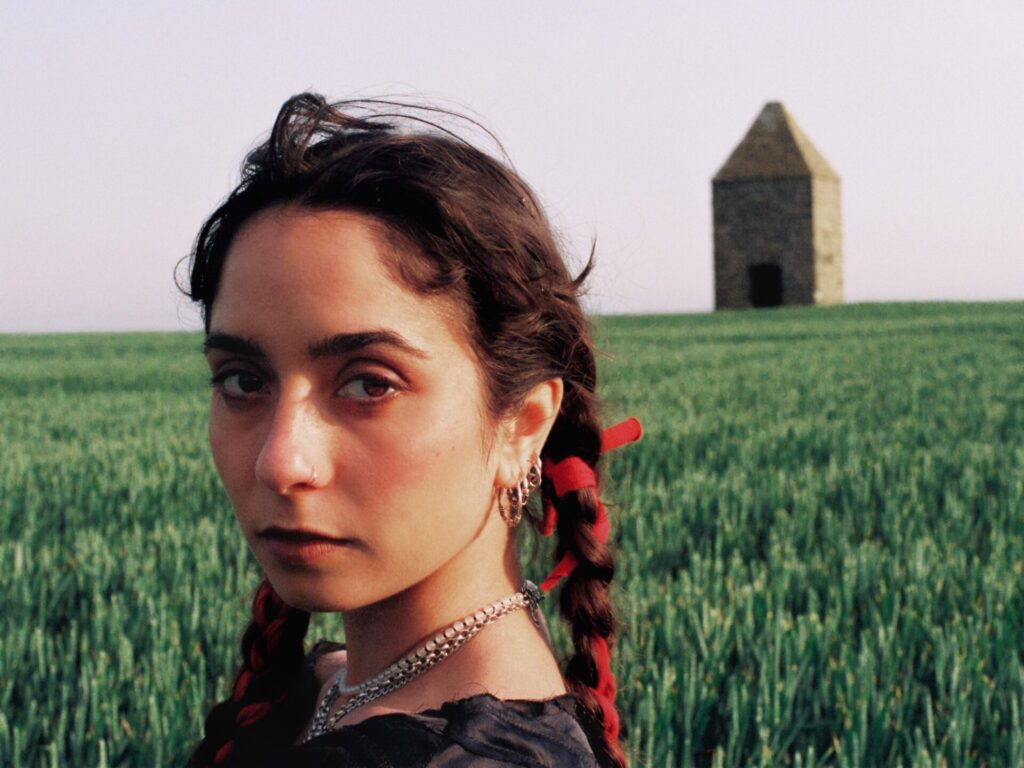
She took her first ballet class at just two years old, dedicating herself to years of training that eventually led her to a performing arts school. Yet it was music that patiently waited for her on the sidelines. The music studios sat directly opposite her school, almost a foreshadowing. She’d always had an ear for it. “It was kind of a love rather than a skill”, she says
As a dancer, she learned the art of discipline, interpreting the structured syllabi and choreography of others. But over time, she began to feel she had something of her own to say, and that dance wasn’t the language for it. At 16, she changed her tempo, redirecting her energy into singing and songwriting. “There was just something inside where I also wanted to sing; my love for dance kind of fell out while I kind of fell in love with music.”
Jethwa is quick to point out that vulnerability isn’t the only defining quality of the album. “There’s a defiance and feistiness to some of them that I haven’t expressed before,” she says. To her, the record represents stepping into womanhood, learning “when to put your stake in the ground and when to surrender to it.” Vulnerability, in her hands, isn’t the opposite of strength. Sometimes the bravest thing you can do is let yourself be seen exactly as you are.
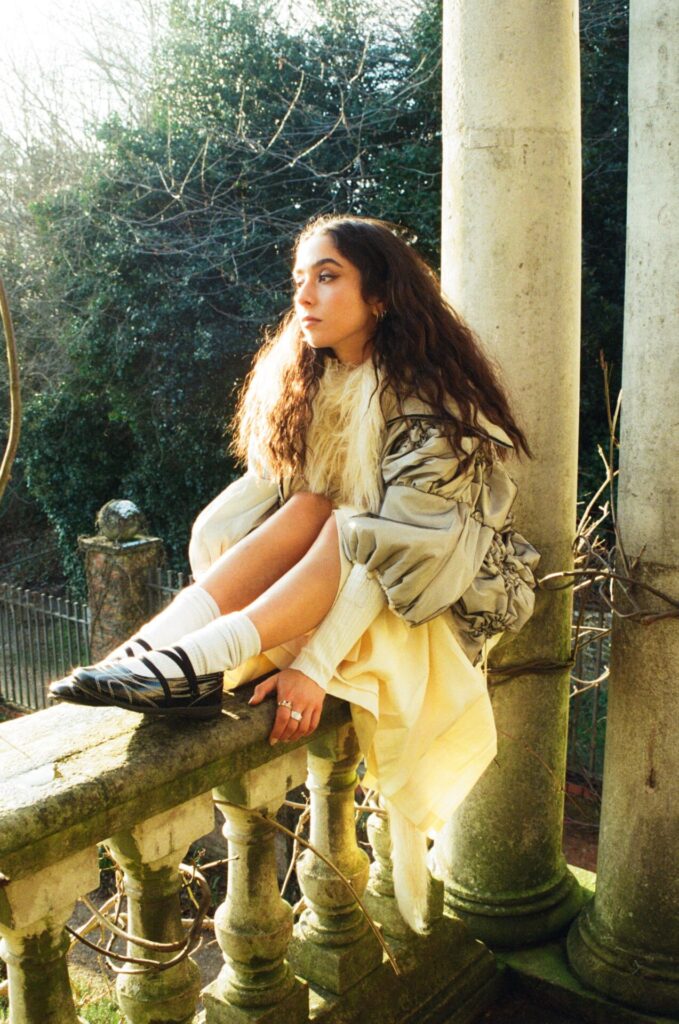
The title track, “Girl Who Cried Wolf,” is perhaps Jethwa at her most rooted. “It’s very folky,” she says and she’ll even go as far as calling it the most folk-leaning song on the album. Raised in a household soundtracked by artists like Peter, Paul and Mary, Kate Bush and Tracy Chapman, she was drawn to its style of storytelling from an early age.
“I think it’s quite mimetic to where I’m at in my life right now. I think I feel braver in my life to say how I feel if I’m feeling something, and I haven’t been. I didn’t grow up being able to do that,” she reflects. Learning that she can express her emotions without apology has been deeply liberating: “It’s okay to have your voice heard and to say how you feel.”
From dusk until dawn, she wrote much of the album within the walls of an old stately home: towering ceilings, trees stretching beyond the windows, and four of her favourite writers for company: Jez Ashurst, Rachel Furner, Emma Rowan and Bradford Ellis. “It’s like writing in a house, which is why I think these songs are so personal”, she says.
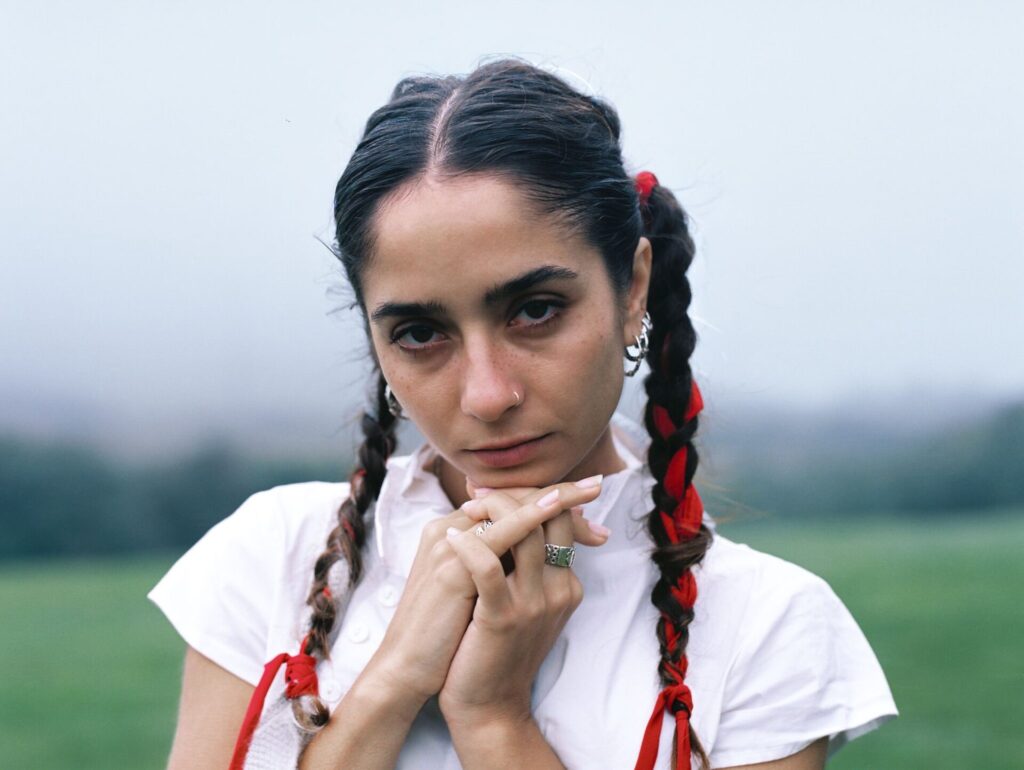
Being that personal, though, means letting people see sides of her they might not expect. “I think people might assume that I don’t get angry about things in the way that I really do, and I don’t say a lot too much when I really do,” she says. “I think the album’s pushing that a bit. So maybe people might say, oh wow, she can be a bit gobby.” She laughs, but doesn’t take it back.
She wrote “I Believe in Love” during a period when she felt increasingly defeated by love and relationships, a mood anyone who has sat through one too many disappointing first dates will know well. “Oh my god, I’m in the fucking trenches, and it doesn’t seem to get any easier,” she laughs.
What she hopes, more than anything, is that the album finds its way into other people’s lives the way it found its way into hers. “I want people to listen to it and bring it into their lives, and it can accompany them for whatever,” she says. “I sometimes think we hear what we need to hear at the time, and we make sense of it in the way we need to.”
Girl Who Cried Wolf is out now, and Jasmine takes it on the road from 29 October, including a night at London’s Union Chapel. Whatever you need to hear in it, you can hear it live.