It’s 2006. Your music lives on an iPod, your earphones still have wires and nobody else gets to choose the next song. In February, the iTunes Music Store sells its billionth song. Radio, if you still want it, is a little remote you clip onto your iPod.
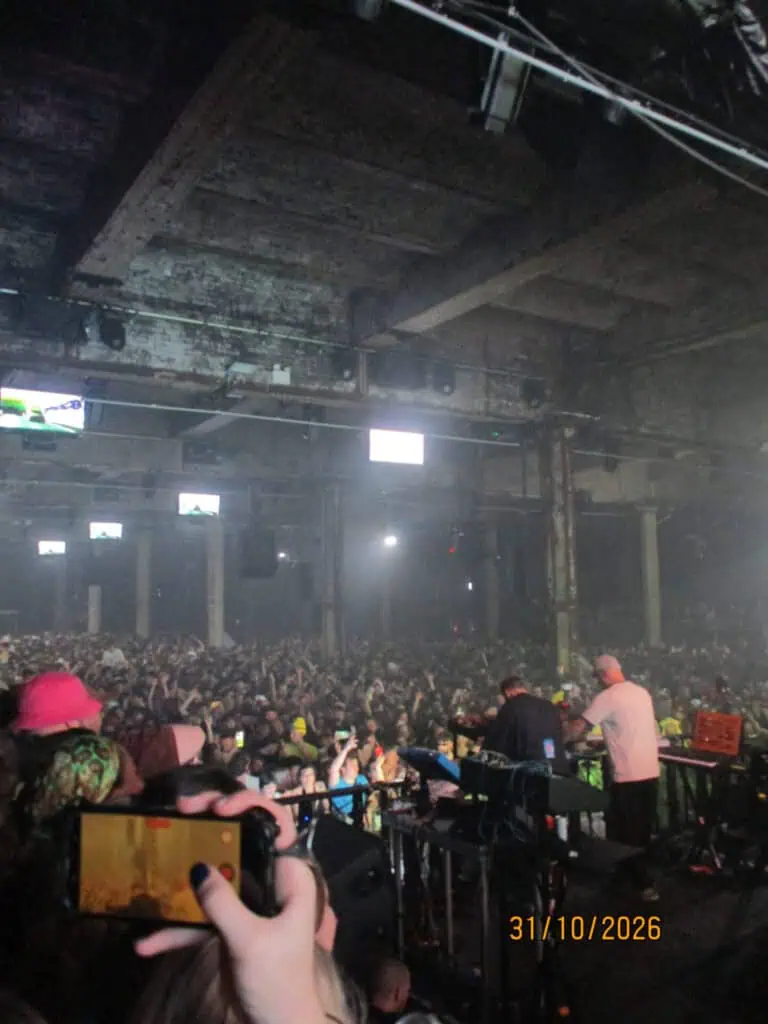
Meanwhile, in the old Boddingtons brewery in Strangeways, The Warehouse Project throws its first parties. Twenty years later, it’s on its 20th season at Depot Mayfield and I’m on the dancefloor.
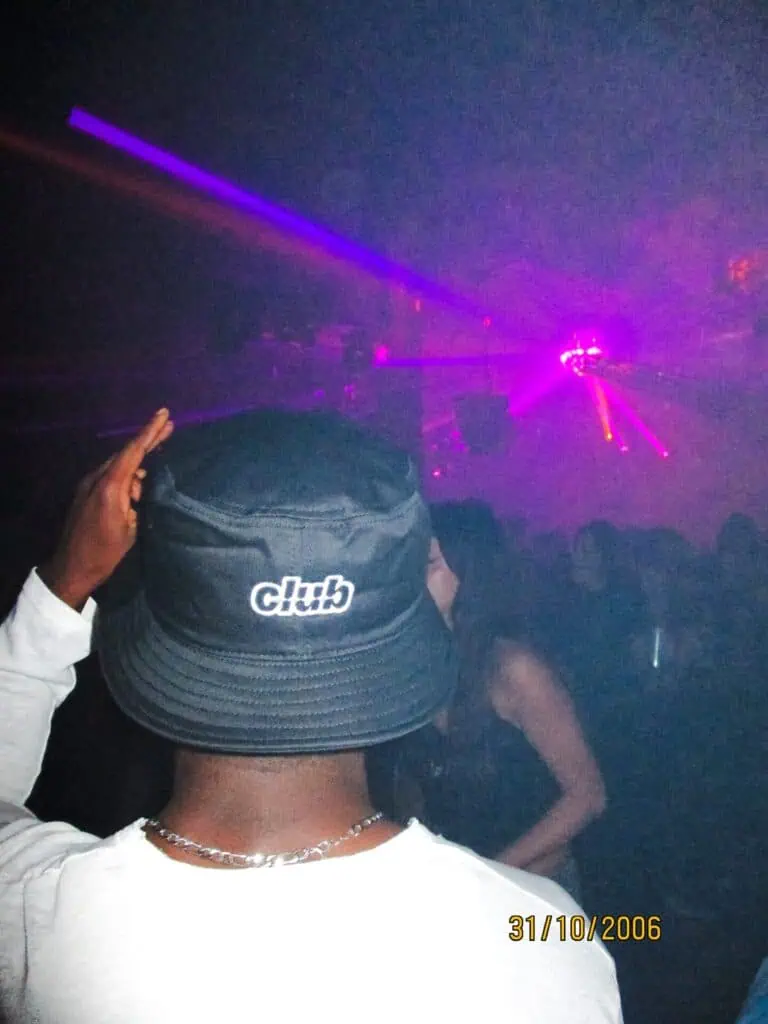
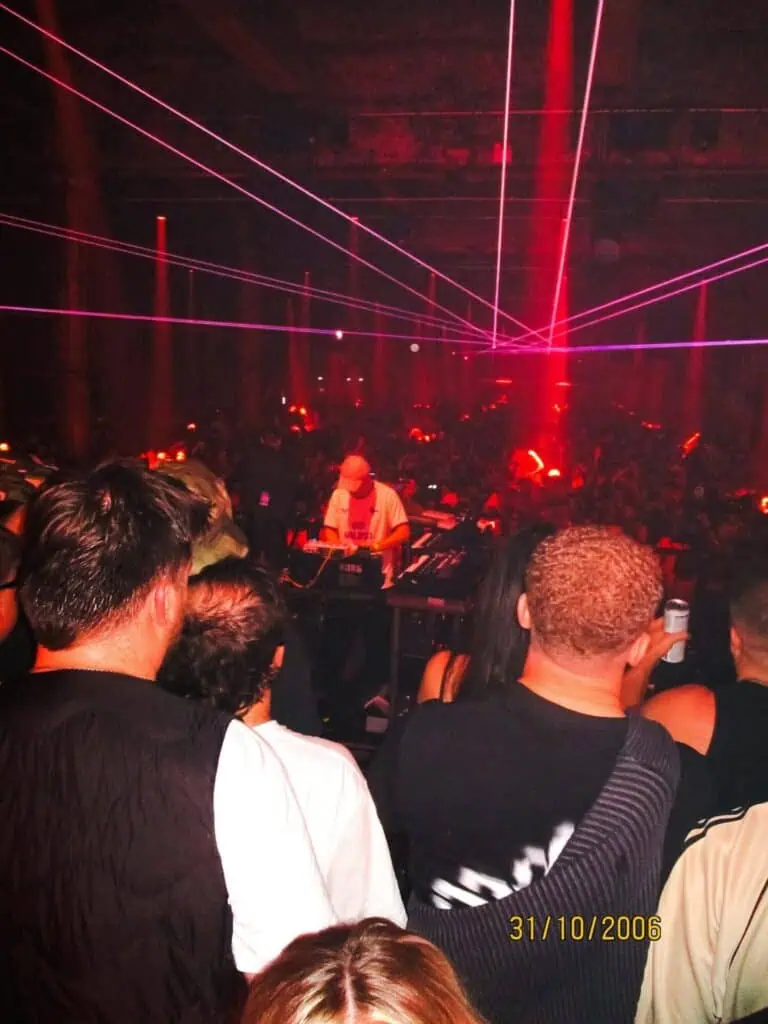
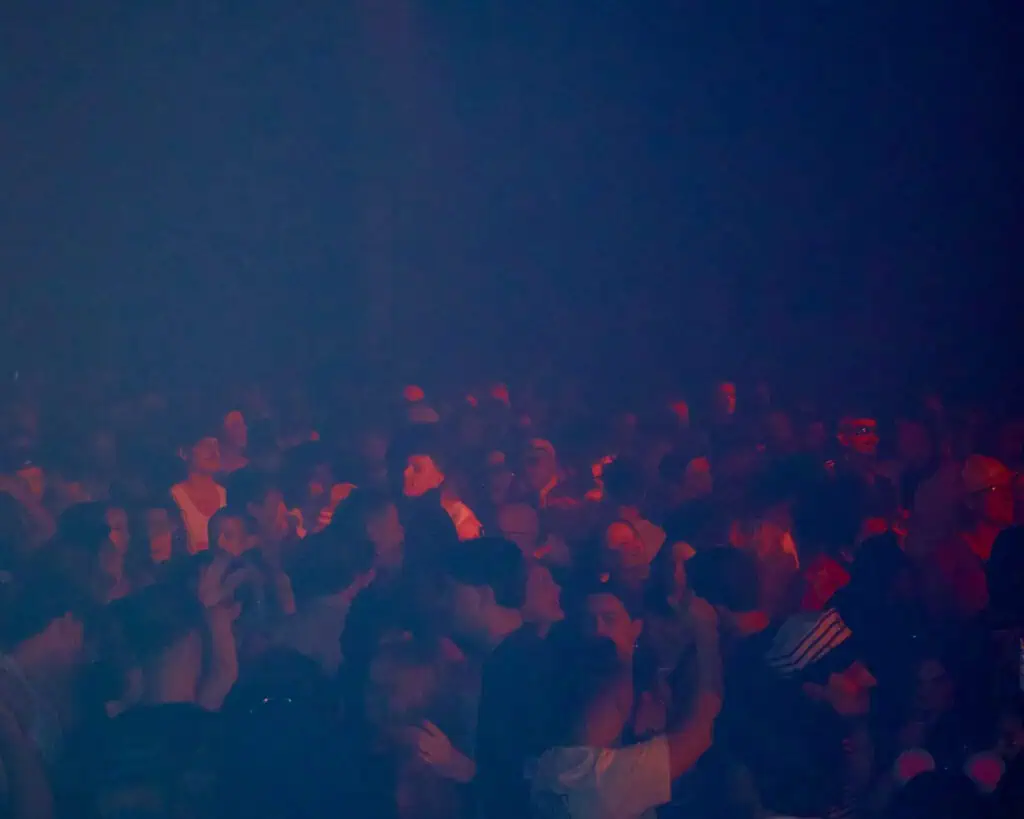
Full disclosure: I’m not from Manchester and in 2006 I wasn’t raving anywhere. But a line I came across recently stuck with me: other cities have music scenes, Manchester has music in its soul. Tonight, Overmono have taken over the Depot, so I’ve come to check. Inside, it’s not hundreds, but thousands of souls in neon light, unified by the rhythm. It’s also Halloween weekend, which means half of them are dressed for the underworld.
At midnight, Overmono’s and Andy C’s sets start going out live on Apple Music Club. The person sweating next to me and someone on a sofa in Toronto could be hearing the same drop.
Everyone knows someone obsessed with electronic music. Trust me, not like this. You haven’t met Stephen Campbell. On paper, he’s Apple Music’s Global Head of Dance, Electronic & DJ Mixes. In person, he talks like someone who’s been in the queue since nine. Ask him about dance music and make sure you’ve got nowhere else to be. He also lets me in on a secret, but I’ve saved that until the end.
NAINA is a DJ and presenter on Apple Music Club. She’s been on Apple’s radio since it was still called Beats 1, so if anyone knows whether radio is back, it’s her. Nearly ten years in, she still lights up when she talks about being the first to play someone’s song and she can’t describe a good night without the word “goosebumps”.
We find a quieter corner before the broadcast.
The Cold Magazine (CM): Naina, for someone hearing about it for the first time, what is Apple Music Club?
NAINA: We’ve done the DJ mix thing for quite a while. We record mixes and partner with different brands, who send us mixes that we platform, so that we pay the artists being streamed and played, and we’ve been building up our catalogue of DJ mixes on Apple Music. That’s when Apple Music Club was born, because we thought, actually, we can showcase dance music and some of these mixes via a radio station as well. Which I host. So yeah, really cool.
CM: Stephen, Club Live only launched this year. What’s new about it?
STEPHEN: It’s kind of a new thing that was launched earlier this year. It was [EDC] Las Vegas, then Tomorrowland and now we’re in Manchester. We’ve had the Apple Music Club radio for a while, but this is something new. We didn’t have live functionality. The ability to go live from the club, from the festival, that’s all new.
CM: That’s the technology. What about the culture? Why do it?
STEPHEN: For me, the beauty of Apple is that we’re global. We have this incredible ecosystem: the phones, the laptops, the iPad. It’s this whole thing that’s so global. The idea of taking something like The Warehouse Project, making it live and putting it in front of anyone on a global level, is incredibly exciting to me. That’s kind of the whole point of dance music: making joyous moments happen, but for the most amount of people. It just feels like an exciting proposition.
CM: Naina, why broadcast live from a club?
NAINA: As someone who loves to talk about music, share music, collect music, as a DJ and as a radio presenter, all I love to do is introduce people to new sounds, new artists, new producers who are making serious waves in the scene. And one of the best ways to do that is to experience it live, in a club, at a festival, or somewhere like The Warehouse Project, where these incredible selectors are introducing a whole new world of music. It’s about having those experiences that are really special. It literally gives me goosebumps, because I just love going to festivals, I love going to clubs. And being able to hear, in a spatial way, a DJ set from a festival you’ve never been to, or something you have seen that you just want to relive. And even in a club, I just love hearing the crowd noise and feeling it in your chest, you know? It’s so special and so unique. I think it’s such a game changer. It’s all about the goosebumps.
CM: Where were you 20 years ago?
NAINA: I’m 34, so 20 years ago I would have been 14. Not raving. Not raving yet. Close to raving. I used to watch music channels, and I’d see raving on the telly and be like, “I wanna do that at some point.” And now I’m a DJ, which is really ironic. My entire life, since I can remember, has been about music. I’ve been such a supporter of music culture, not even dance music, but every genre. At school, at university, it was all centred around music. Everyone when I was younger was like, you should be a DJ, you should be a radio presenter, you should work in that field. So yeah, it’s really cool.
CM: Stephen, twenty years ago we listened alone, on iPods. Now we want to listen together again, live. Why?
STEPHEN: A beautiful question. I think it’s just the way that we live our lives now, through the phone. It’s so intimate with yourself, but it’s so easy to talk to everybody around the world, in a way that just wasn’t possible. And the immediacy of information is just there, which it wasn’t before. When I started playing records or getting really interested in dance music, it was so narrow. It’d be my sister or my friends or going to record shops. I grew up in South London, so I had an amazing opportunity to go to record shops. But now the history of dance music is on the phone. You can listen to any song you want in the world. What a beautiful thing. So it’s about the realities of life now, and connecting those to the way that dance music moves now. I think we’ve lost a lot of the tribal nature of it, which I think is a beautiful thing, because it’s just so accessible now.
When I was going out, I met my wife at a jungle rave. It was called One Nation, at the Stratford Rex. Everyone that was there just liked jungle music. Sure, they liked some other dance music, but they were into jungle. That was who you were. Whereas now it’s not like that. You can like jungle, you can like techno, and I think that’s the most beautiful thing ever.
CM: Naina, how did you get from watching raves on the telly to Apple Music?
NAINA: I studied journalism at university, so I was more behind the writing about music. At uni in Southampton I started DJing as a hobby, just because I loved music. Some people I knew were putting on parties and raves, and we’d have a lot of house parties, and I would DJ those. I taught myself how to DJ, while still writing about music, doing a blog, putting on events. When I left university I carried on DJing for fun, and then I did a pilot for a community radio station in South London, which is all about inspiring the youth. I was in my early 20s. I started doing a weekly electronic show there and did that for a really long time. Then I started working in production for the station, and doing my own production, making music. Lots of little twists and turns. Everything is so linked in that scene, isn’t it? Whether you’re talking about music, playing music or writing music, it all complements each other. I just lived and breathed music until it turned into a career. Then I joined Apple Music nearly ten years ago, when it was Beats 1, which became part of Apple Music Radio, and now Club Radio as well.
CM: Stephen, for me electronic music is still a subculture. Small UK labels, releasing on independent platforms. There’s a magic in that.
STEPHEN: Yeah, but that is the magic, right? And for us at Apple Music, that’s the stuff that gets us the most excited. Sure, we work with the major DJs, but they kind of look after themselves. It’s the other side that we really care about. We all buy records, we all collect records, we love it, we spend our own money on going out to parties. That’s the bit that excites us the most.
And honestly, it’s the power of dance music and the power of the platform. I can take a subculture that’s happening in Rio de Janeiro and I can offer it up to everyone in the UK. That wasn’t possible before. And we’re not diluting anything. We’re not changing anything. We’re taking the underground, but we’re giving it this enormous platform. That’s a really powerful thing.
CM: So artists don’t have to compromise?
STEPHEN: There’s no compromise. Exactly. I think that’s the difference. People don’t have to change to become relevant. They can do their own thing. And the magic, especially with dance music, is that those little subgenres, they’re not little. They’re actually enormous, because there are subgenres in every major city, in every country on the planet. It’s enormous. I can go party in Mexico City and I can find my people. I can come and party tonight in Manchester and find my people.
CM: Electronic music is now one of the most popular genres in the world, and you’ve called DJs not being paid a generational problem. A couple of words on that?
STEPHEN: It’s incredibly important to us to do the right thing. People should get paid for music. If you’re a DJ, you should get paid. If your music is in that mix, you should get paid. And if you’re the club, the festival or the brand that made that moment in time happen, you should get paid forever. That was your party. So doing the right thing is really important to us. It’s about using the technology we have, and the intellect, and the people, because none of it’s possible without the people. The humans in my team define the work, and we lean on the technology to allow these generational problems to be solved. It’s all about doing the right thing and leaning into the powers we have.
CM: Naina, somewhere tonight there could be a 14-year-old girl in Japan, listening and deciding she wants to be a DJ.
NAINA: Exactly. It’s so inspiring, isn’t it? And that’s what it should be about. Sharing music culture around the world, because not everyone gets to experience The Warehouse Project. Not everyone gets to go to Tomorrowland, whereas we can take the listener wherever they want to go, and really experience it in a totally unique and special way, where you feel like you’re there. You’re not just listening to the stream of the music from the mixer. You’re listening to the whole environment in the room. The audience.
CM: Could this go beyond dance music, into different genres?
NAINA: I don’t see why not. I feel like the possibilities are endless. Outside of dance music, there are so many different types of parties around the world, focusing on so many different genres. So many genres are thriving. And we do focus on other genres outside of Club Radio, with the launch of Apple Music Hall recently. Those are streamed live shows, and we’ve had Elton John, Baby Keem, Burna Boy last night. It’s just about the love of music. Don’t gatekeep music, share music, you know? Share it around the world. People want to know what sounds good, which artists are killing it, and that’s what I love to do. It’s about the artist first and foremost, and always has been. We used to do iTunes Festival as well, and this is kind of bringing that back, because it’s our own venue showcasing these artists. It’s a really intimate 600-capacity venue, where you don’t really get to see some of these artists play in that environment.
CM: What still gets you about radio?
NAINA: The thing about Apple Music, and especially what I do with my show on the radio, is I highlight artists people might know, but we’re always about pushing new sounds, new music, new artists. I think it’s really important. Across all the shows on all six radio stations, there are so many new artists being played. And you never really get over that, as a radio presenter: being the first person to play an artist’s song on the radio.
CM: Where can people listen to you?
NAINA: I’m on two different stations. I’m on Apple Music 1, doing a playlist show every day from 10 to 11am. And my show, NAINA Presents, is on Apple Music Club on Fridays at 8pm PT, with a repeat on Saturdays at 4pm UK time. In the day, on Apple Music Club, I’m hosting the daytime shows as well, basically pushing all the dance artists we like. That’s more of a radio show, whereas my show is more of a mix. I DJ, and I get a guest every week who DJs. And in the daytime I’m just playing dance tunes that we’re loving.
Now for that secret. Once the recorder’s off, Stephen tells me how his team actually finds new DJs, and it has nothing to do with follower counts. “Numbers are boring,” he says. They want DJs who feel like they matter right now, and they have people dotted all over London listening out for them. So next time you play a set, keep an eye on whoever’s standing at the back.