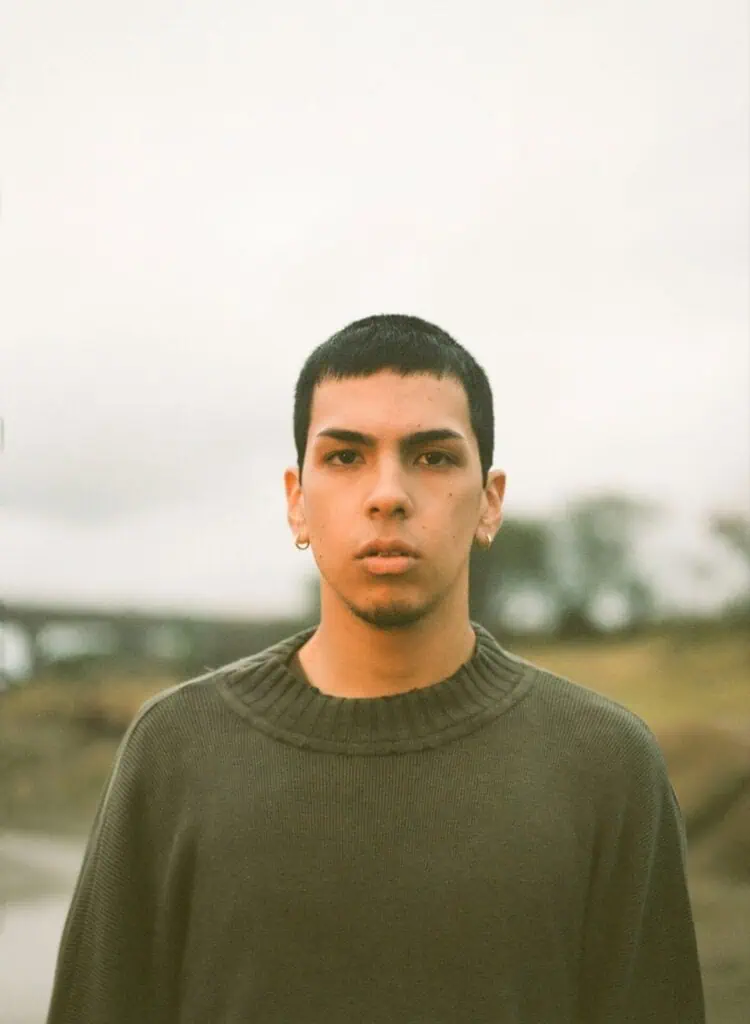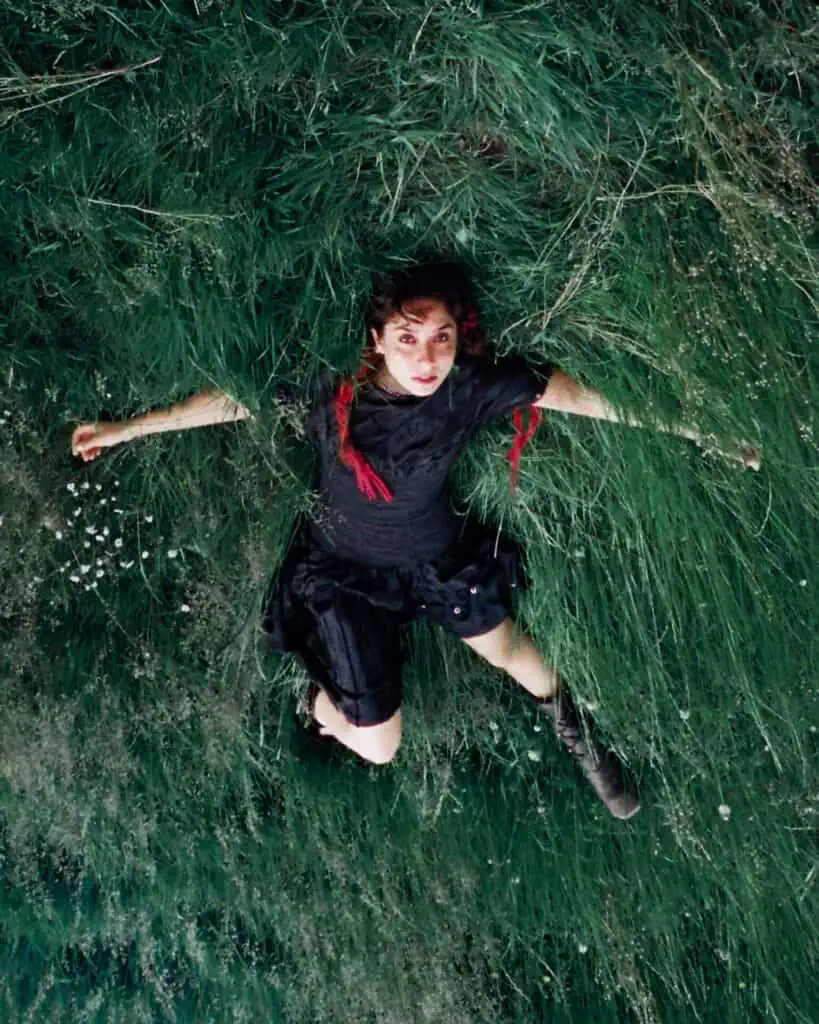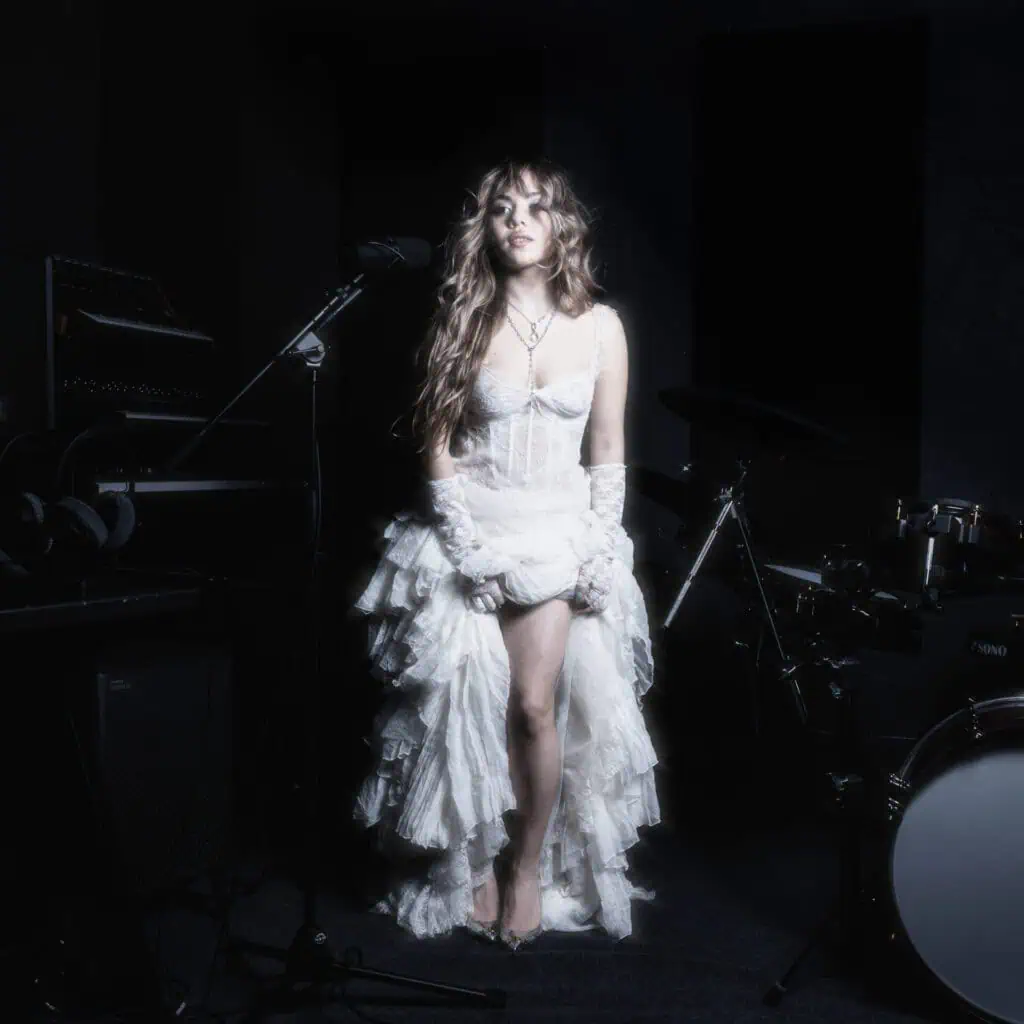
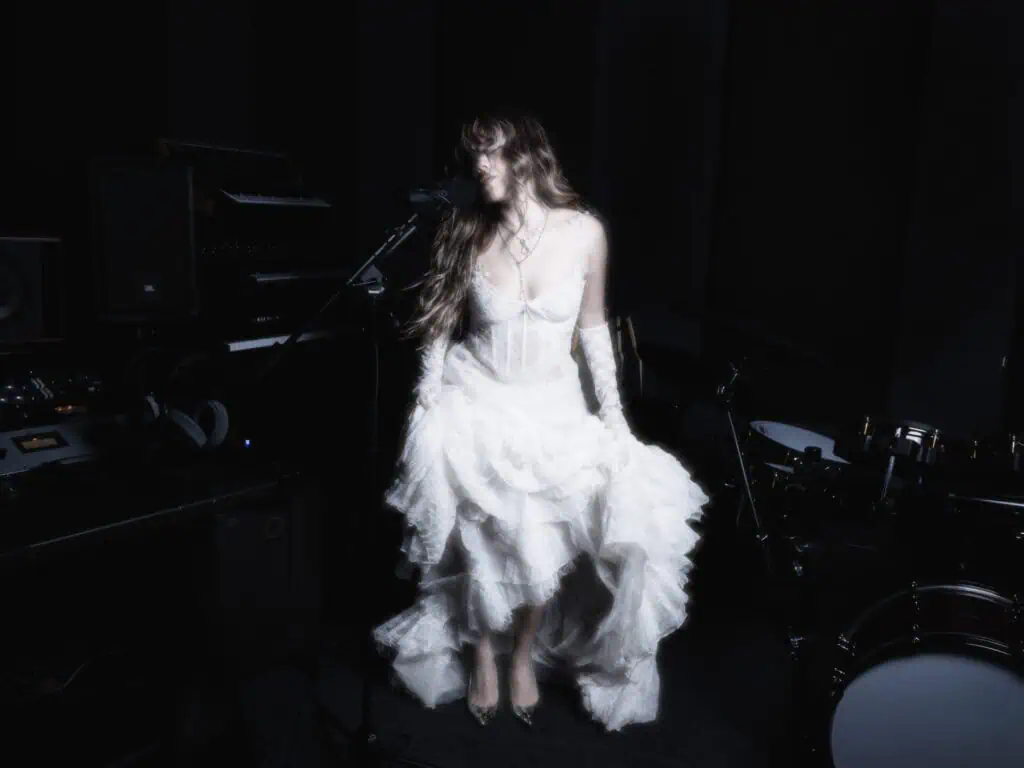
In her single See It Through, Sevara’s presence takes the form of a glimmering light dressed in white, almost a ghostly messenger from days to come, with a mission to remind herself and others of the power of manifestation, of seeing one’s future clearly and positively.
See It Through is about finding a guiding light in times of darkness. It takes the listener along a thorny path, guided by the reassurance that all will be well; not something to know, but something to hope for.
Sevara, originally from Uzbekistan, now lives and creates in London. Headlining shows at Jago Dalston and The Star in Shoreditch since May 2026, her repertoire is carefully considered, with original compositions woven together by a dreamy, ethereal atmosphere. Through collaborations and recordings with other artists, Sevara’s soft, feminine aura does not dilute, but instead adds sweetness and a sense of homeliness to everything she is part of.
See It Through reveals a new approach to creation for Sevara. While her earlier music, including compositions such as SENSE and In Between, leaned towards alternative dark pop and indie rock, the single combines indie pop with R&B influences.
“This single from the upcoming EP draws on a wide range of influences. I was listening to The Rolling Stones a lot, especially ‘Gimme Shelter’, ‘(I Can’t Get No) Satisfaction’, ‘Angie’ and ‘Miss You’. Together, those songs gave me a very specific emotional state: drive, joy, presence, and a feeling of becoming lighter. There is something in The Rolling Stones that always pulls me out of heaviness. It makes me feel the moment more vividly, like I can move again, breathe again, and cherish everything around me without overthinking it,” Sevara explains when asked about the inspiration behind the lyrics.
Another unexpected influence came from moving image. The animation A Monster in Paris, particularly its soundtrack, had Sevara hooked, significantly shaping the character of the song and turning her persistent, burning fire into a steady blue flame.
“‘La Seine and I’ from A Monster in Paris gave me a different kind of inspiration,” Sevara says. “It feels like being placed inside a fairytale, but one that is warm and familiar rather than distant. It has charm, sincerity and purity, but also movement. When I listen to it, it feels like no drama or can enter my space. You just exist in your own joyful, peaceful energy. It makes me feel like my heart is smiling.”
See It Through, consequently, moves away from active reassurance towards a softer promise of possibility, while the newly developed R&B influence gives Sevara’s vocals an intimate feel.
“I can see the skies in your eyes, I can see beyond and above” are the first lines of the track. The feeling is that she knows you, seeing deeper into you than you even see yourself. The comfort we tend to search for in tarot, astrology and oracles, the answers we seek to know, she offers in a single glimpse into the eyes.
When Sevara sings, you want to trust her certainty: “You have the place, where you feel safe, and it’s so hard to burn it down.” Yet the song does not promise that everything will work out. Instead, “I see it through” becomes a mantra, looking towards the future and reassuring the listener that moving forward is possible, with sunlight waiting just a few steps ahead.
With the overall softness of the track, the force of its climax lies in the multiplicity of voices in the chorus, structurally emphasising the collectivity of self-assurance within the act of hope. The individual voice becomes many, turning an internal feeling into something shared.
The idea of looking beyond what is present or planned in See It Through can be compared to Hirokazu Miyazaki’s vision of hope. In Hope as a Method, Miyazaki considers approaching life not through the question, “What does the evidence tell us is likely to happen?”, but through, “What else might be possible?”. Hope becomes a method for guiding thoughts, actions and the search for truth. It is not simply something that appears out of nowhere, but something that is cultivated and exercised, treating uncertainty as a space for possibility. It is a state that has to be reassured and renewed over and over again, much like the feeling Sevara explores in her single.
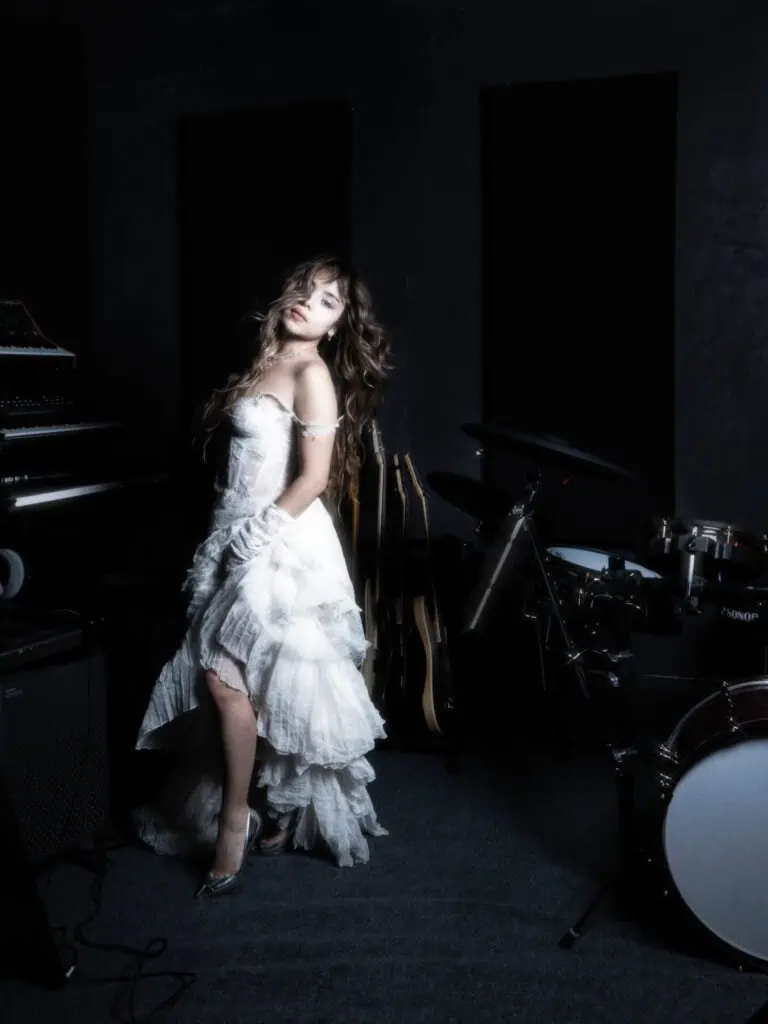
With a background in neuroaesthetics, Sevara draws on her research into “positive memory recall” for her upcoming EP, referring to its potential to reduce hopelessness as a symptom of clinical depression. This connection between recollection and possibility sits at the heart of See It Through, tying into Here, the EP from which the single comes.
During her MSc in Digital Health and Entrepreneurship at UCL, Sevara’s academic work focused on the relationship between aesthetic experience, the brain and mental wellbeing. “For me, positive memory recall is not simply nostalgia. It is the reactivation of emotionally meaningful autobiographical material, images, sounds, places, sensations and memories, that can engage emotional and reward-related systems and potentially shift someone’s internal state,” she notes.
Written during one of Sevara’s visits to her home in Tashkent, See It Through emerged from returning to her family and the feeling of presence that came with it. It also reflects the meaning behind the EP’s title, Here: looking back through recollection at the personal and professional achievements she had experienced in London before the trip, while simultaneously imagining an even better future.
The EP explores presence not as one fixed, peaceful state, but as a cycle. Each song responds to a different emotional state: questioning, detachment, movement, vision and joy. This chapter is more intentionally fluid, emerging from a cooled mind in a state of observation, connecting her inner sense of reassurance, brought back from a stay in Tashkent, with the often burdening, achievement-driven reality of life in London.
“I wanted the project to show how being present does not always begin beautifully. Sometimes it starts with confusion, resistance, or asking why something is happening to you. But if you stay with it, that same presence can slowly become clarity, movement, hope and eventually joy.”
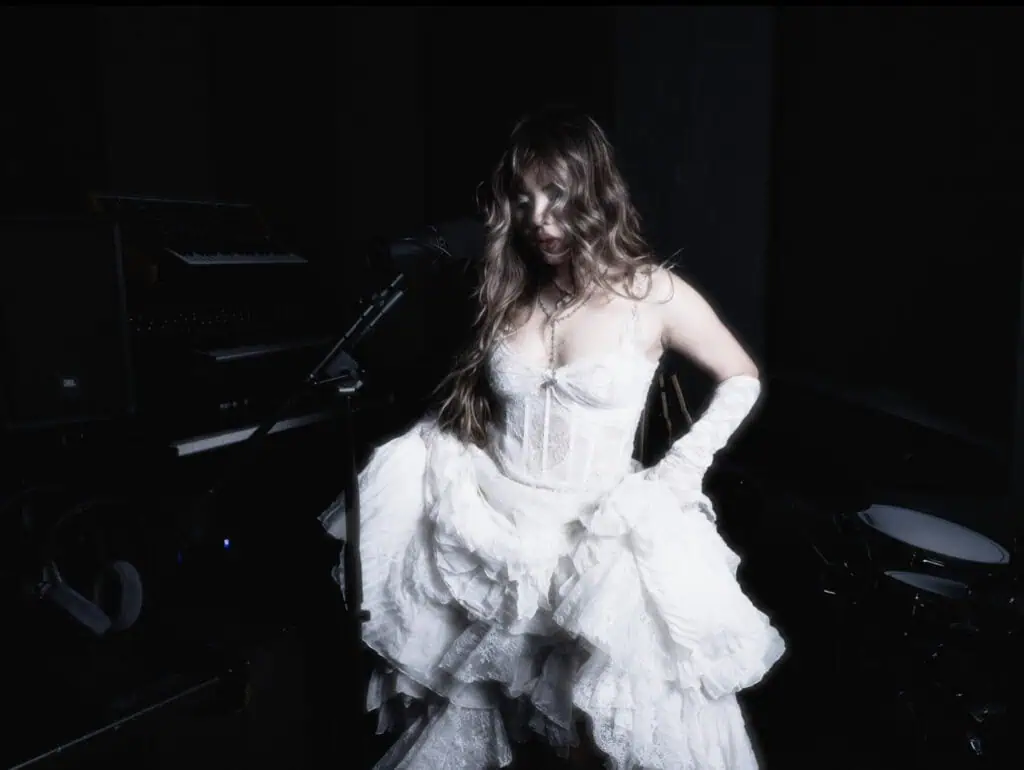
The first song, Why Why Why, is the questioning stage. It is about asking why you are in a certain experience, why something is happening, and almost wanting to escape it, but still being present with the question. Running Through The Hills is about movement and focus, where the hills represent adventure, uncertainty and the different emotional landscapes you have to move through. See It Through is about using memory, beauty and belief as fuel to keep going. The final song, Free, is when you realise that the maze was actually a beautiful garden all along. This path is not linear, but reflects a cycle Sevara has experienced many times throughout her life, recognising the pattern and translating her personal experience into art that feels both deeply personal and resonant with others.
Sevara creates from the heart while remaining convinced that optimism is not an escape from reality. It is a fleeting muse, a feeling that follows you wherever you go. Like the light in See It Through, it does not promise to illuminate the entire path, but gives you enough light to take the next step.