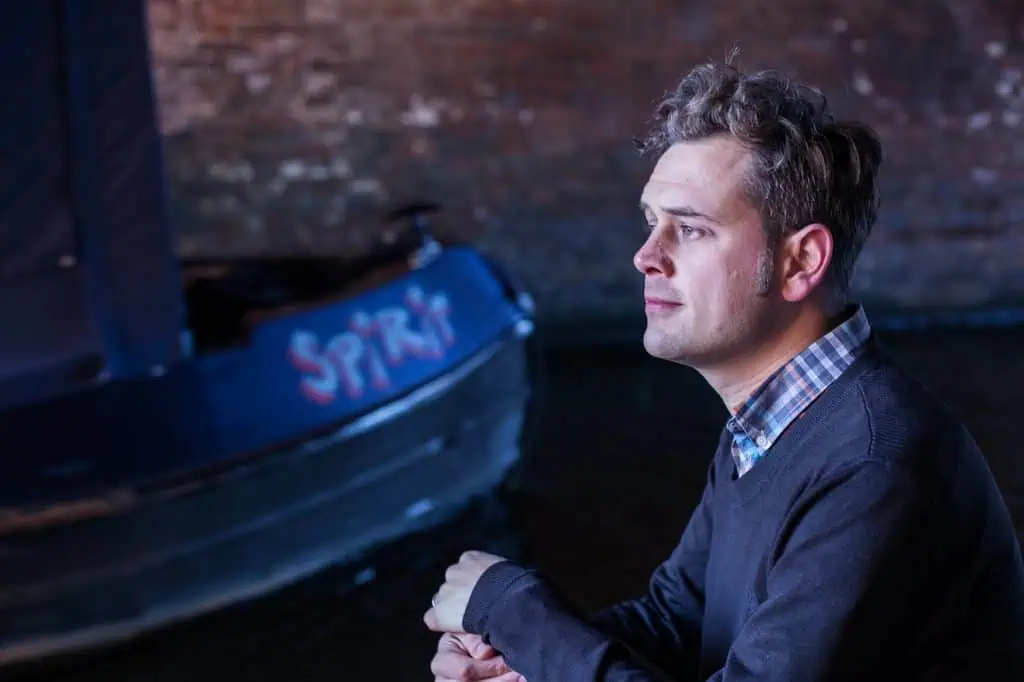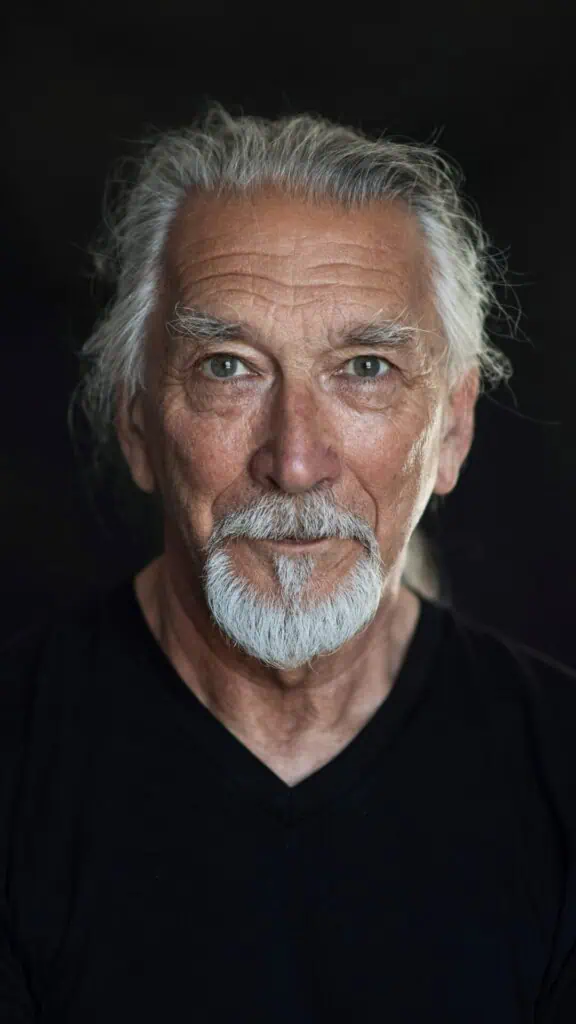
On 9 November, M John Harrison won the 2026 Booker Prize for his novel The End of Everything. It marked two big milestones in the prize’s history. Not only did the 81-year-old become the oldest person to ever take home the prestigious award, but his post-apocalyptic book also became “the first Booker winner to have emerged from the bona fide SF world” – according to Booker Prize chief executive Gaby Wood.
Wood went on to call Harrison’s “a historic win, for a writer whose decades of work are lightly worn on every page.” Previously, Margaret Atwood was the oldest to ever win the Booker when she took home the prize at age 79 in 2019 for The Testaments. That year also saw a shock double-win, with Atwood sharing the prize with Bernadine Evaristo’s Girl, Woman, Other.
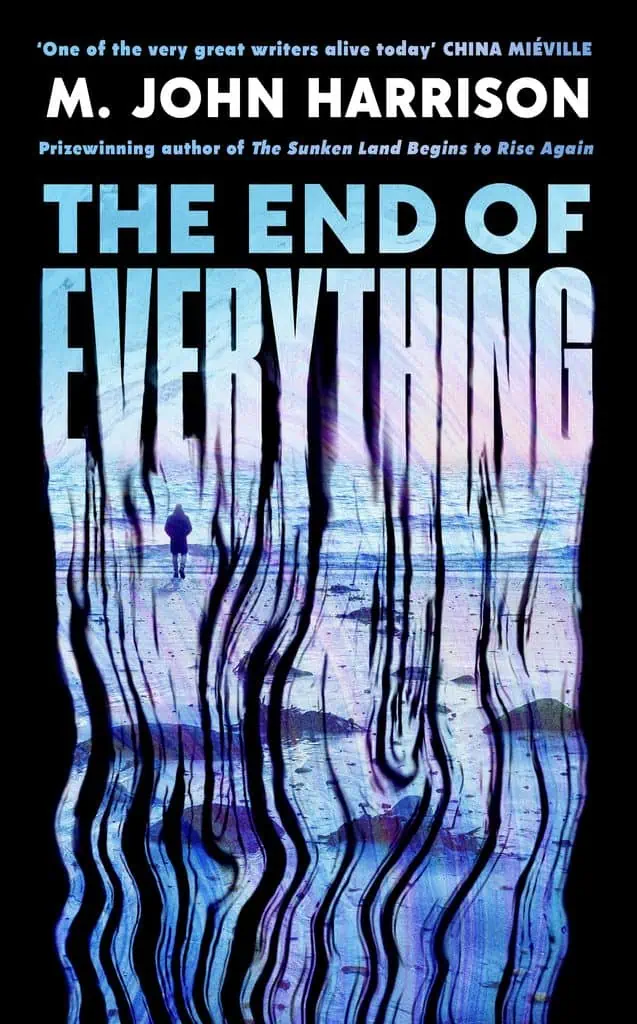
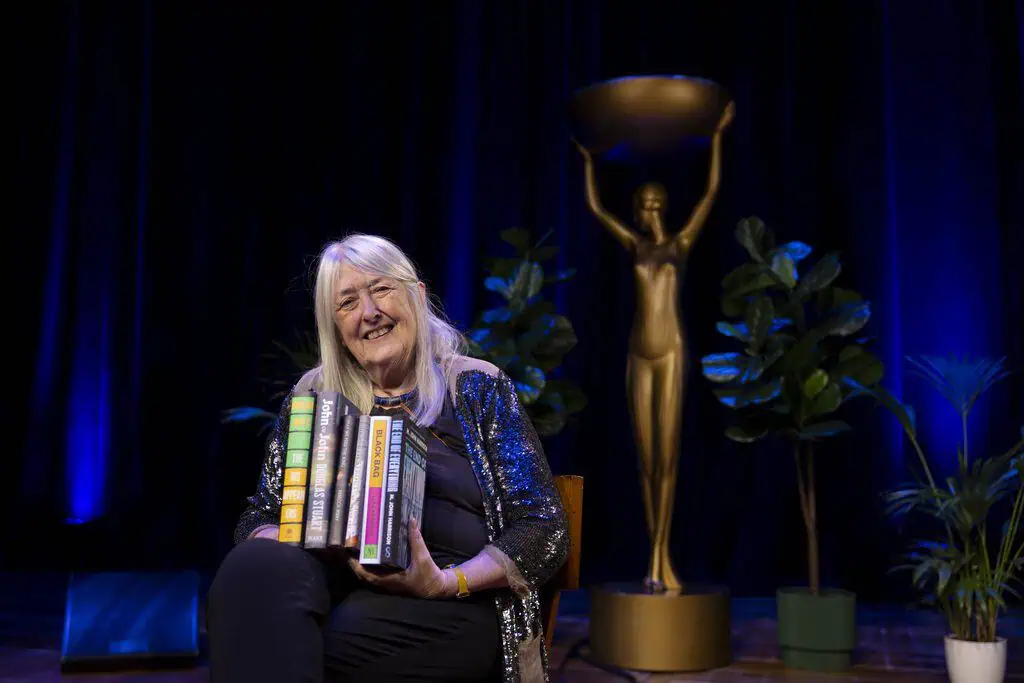
While this year’s shortlist included six deserving, at times experimental, novels, a double-win it was not. The chair of the judges panel, Mary Beard, declared that it was a unanimous decision to crown Harrison this year’s winner, reached after a full day of deliberation. “It’s a book that turns you upside down, raises a wry smile – and surprisingly, given the subject matter, leaves you with a twinge of optimism,” she said.
The End of Everything, published by Serpent’s Tail, is set in the near future along the Kent coast. Years after an obscure, world-altering crisis and the arrival of mysterious sea creatures, British society has started to deteriorate. Phillip Tennent, however, still manages to eke out a meager living as a beachcomber, salvaging washed-up artefacts along the coast. However, when Stephen fishes out a strange, shape-shifting object, he must make sense of this odd find before it destroys everything he thinks he knows.
Critic Lucy Thynne called it, writing for The Telegraph that The End of Everything was “ultimately, in both skill and humour, a cut above” the other shortlisted books. “And in an age when AI overlords keep threatening to kill us, and the Government has told us to stockpile tinned food and bottled water, it is, for once, a novel that you can genuinely call ‘timely.’”
Asked after the ceremony what he will spend the whopping £50,000 prize money on, Harrison laughed and said, “You will have to ask my partner that.”
The Cold Magazine may earn a commission from some links on this page. Learn more